We partner with Rewilding Britain to help protect our natural spaces for future adventures.
All centres are vetted for safety and quality. Your adventure is in good hands with adventuro.
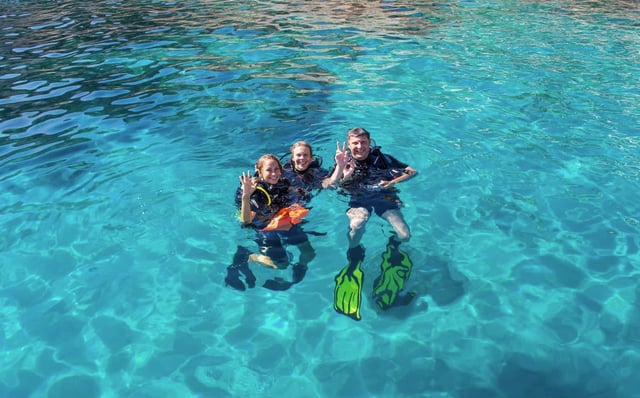
Taking your diving knowledge to the next level involves more than exploring deeper sites or learning new techniques. This internationally recognised Rescue Diver course focuses on awareness, prevention, and emergency response, helping you become a safer and more capable diver both for yourself and those around you.
Rather than concentrating on depth or speciality diving, this course focuses on recognising and responding to potential problems before they become emergencies. The training begins with theory modules covering accident prevention, diver stress, emergency planning, and rescue procedures. You'll gain a deeper understanding of how to identify risks and manage challenging situations both above and below the surface.
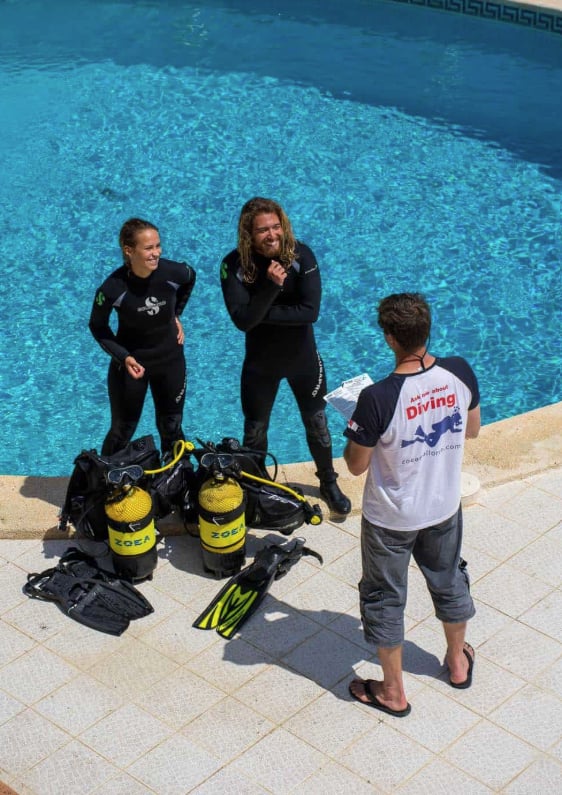
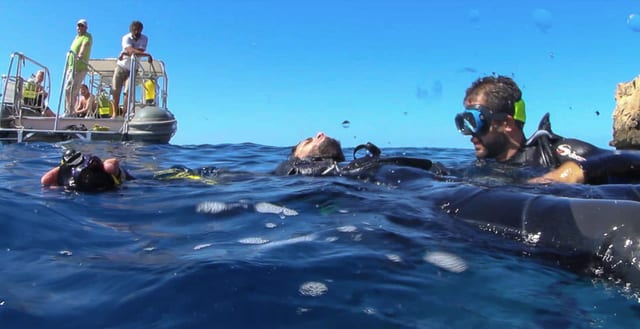
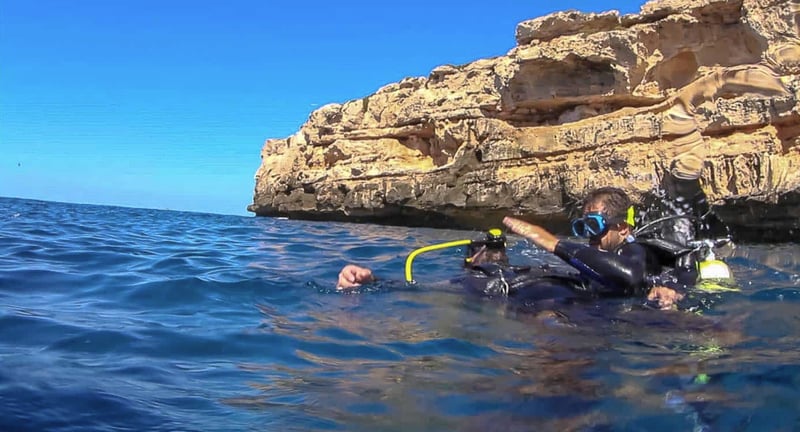
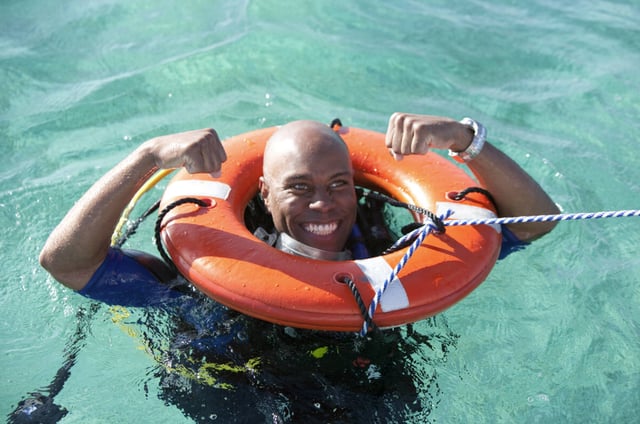
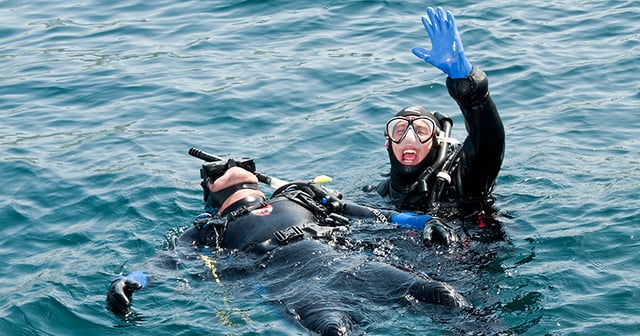
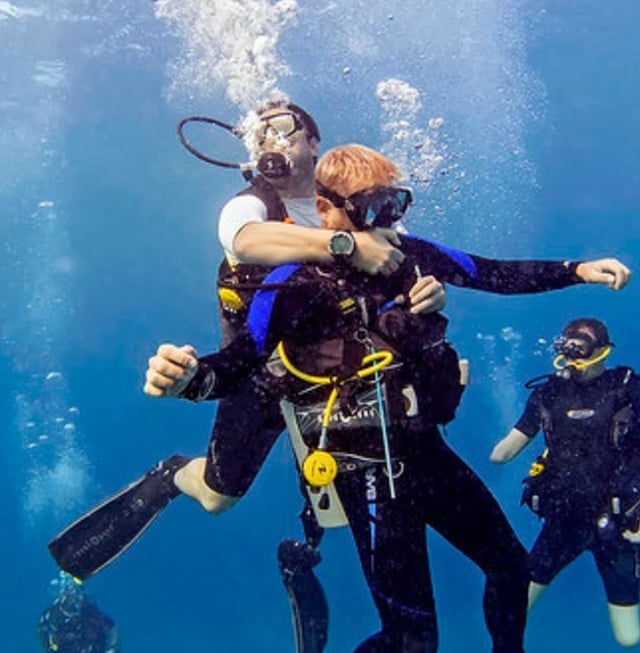
Practical training forms a major part of the programme. Throughout a series of exercises, you'll learn how to assist tired, distressed, or panicked divers, perform self-rescue techniques, conduct underwater search patterns, and safely manage rescue scenarios. Training is designed to simulate realistic situations, allowing you to apply your knowledge in a controlled environment while building confidence and competence.
As the course progresses, individual skills are combined into larger rescue scenarios that challenge decision-making, communication, and problem-solving abilities. Many divers describe the Rescue Diver course as one of the most rewarding stages of their training because it develops practical skills that can make a genuine difference during real-world situations. Successful completion also qualifies you to progress towards Divemaster training and professional-level diving pathways.
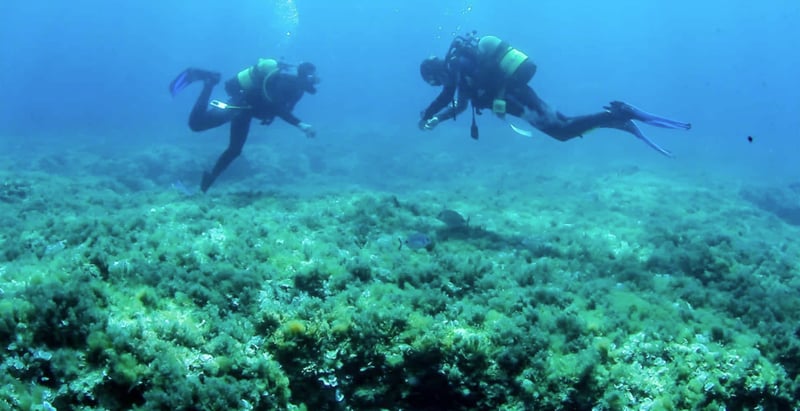
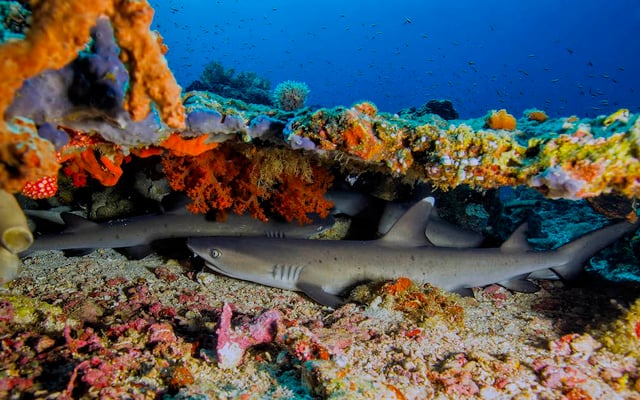
Found along Mallorca's southwest coastline, Santa Ponça offers a combination of sheltered waters, open sea environments, and excellent training locations suitable for rescue exercises. The varied conditions provide realistic scenarios that help divers develop practical rescue skills in different situations.
Alongside its marine attractions, the area features beaches, marinas, restaurants, and scenic coastal viewpoints. The marina serves as a convenient base for training activities, while the surrounding coastline offers a variety of underwater environments for practical sessions.
Candidates must be at least 12 years old and hold an Advanced Open Water Diver certification or an equivalent qualification from a recognised diving organisation.
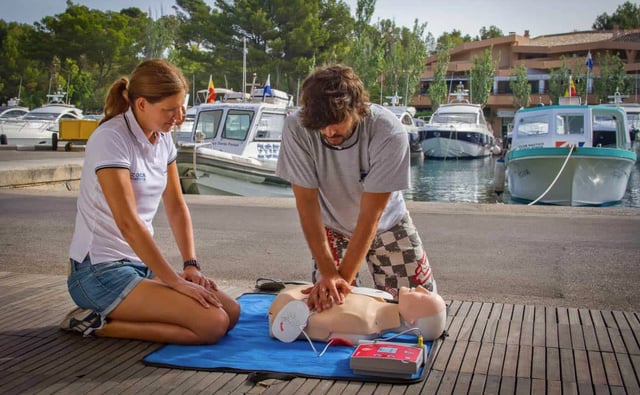
Current CPR and First Aid training completed within the previous two years is required before certification. Divers who do not yet hold this qualification can complete an Emergency First Response course alongside their Rescue Diver training.
Experience plays an important role when teaching rescue skills, and the training programme has been developed to provide a balance between practical learning, realistic scenarios, and supportive instruction. Every exercise is designed to build confidence while reinforcing safe diving practices that can be applied long after the course is complete.
Thousands of certifications have been delivered over the years, ranging from beginner courses to professional qualifications. Personalised instruction, quality equipment, flexible scheduling, and access to suitable training environments help create an enjoyable learning experience while maintaining high safety standards throughout the course.
Earlier courses focus primarily on developing personal diving skills and underwater confidence. The Rescue Diver course expands this knowledge by teaching participants how to recognise, prevent, and manage problems affecting themselves and other divers.
A strong emphasis is placed on awareness, decision-making, and practical problem solving. Many divers find that the course significantly improves their confidence and overall diving ability.
The course involves practical rescue exercises both in and out of the water, so participants should be comfortable with swimming and general physical activity.
Activities are conducted progressively under instructor supervision, allowing divers to build their skills gradually while maintaining a safe learning environment.
Current CPR and First Aid training completed within the previous two years is required for certification.
Divers who do not yet hold these qualifications can often complete Emergency First Response training alongside the Rescue Diver course, allowing both certifications to be achieved during the same training period.
Training covers a wide range of skills including self-rescue, assisting tired divers, helping distressed or panicked divers, emergency management, and search procedures for missing divers.
Participants also learn how to respond effectively during realistic rescue scenarios while working as part of a team.
Yes. The course includes several theory modules that explain the principles behind accident prevention, emergency response, and diver safety.
This knowledge supports the practical exercises and helps divers understand why specific rescue techniques are used in different situations.
Yes. Scenario-based training forms an important part of the course.
These exercises combine multiple skills and require participants to assess situations, make decisions, and carry out rescue procedures in conditions designed to reflect real diving incidents.



About the centre
Santa Ponça
Operated by ZOEA Mallorca, a partner of adventuro.