We partner with Rewilding Britain to help protect our natural spaces for future adventures.
All centres are vetted for safety and quality. Your adventure is in good hands with adventuro.
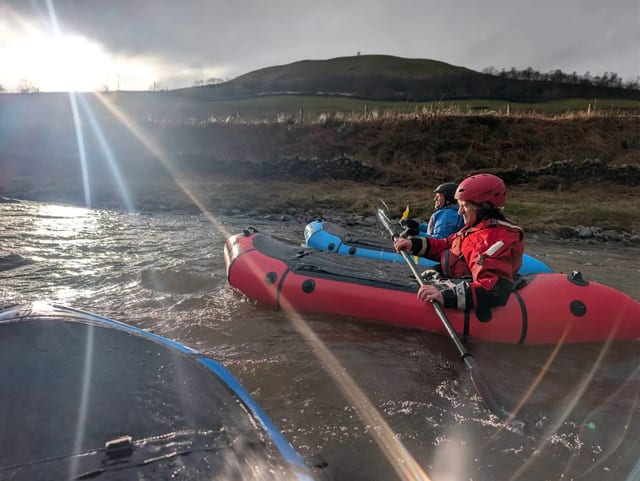
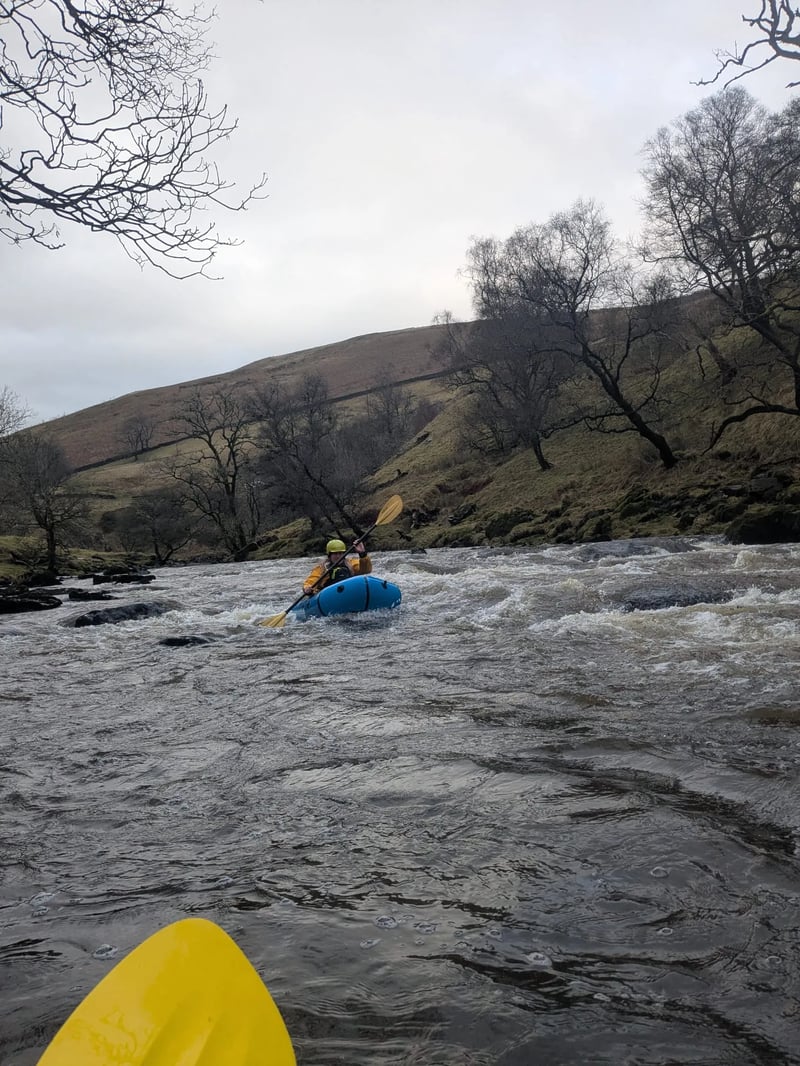
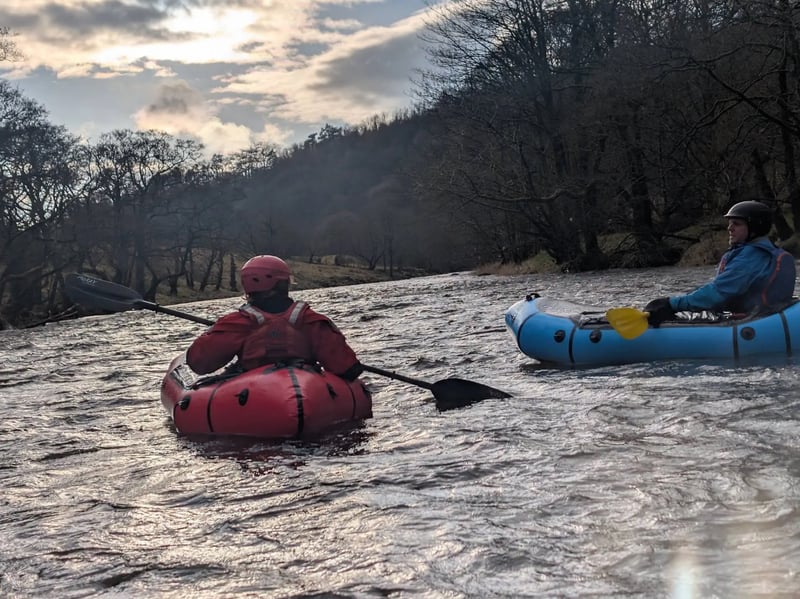
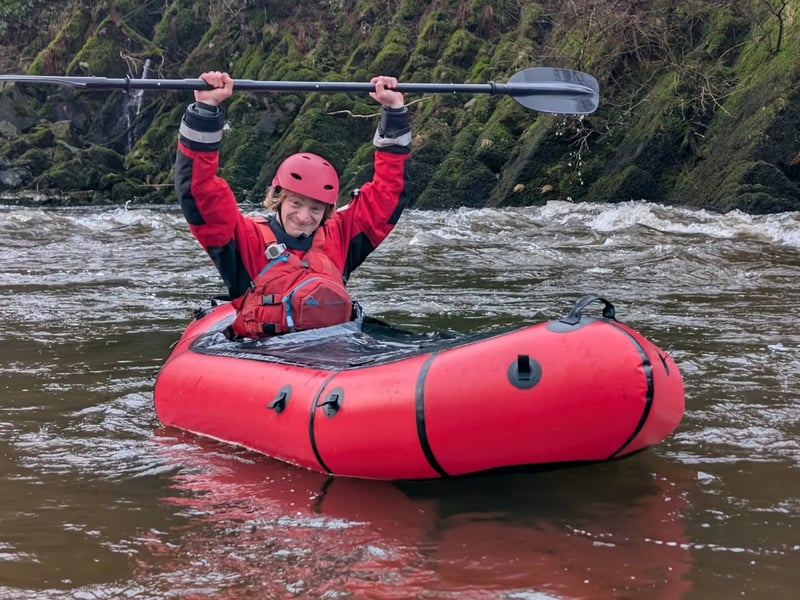
The focus is on building real independence on moving water. Sessions are hands-on, rooted in real river environments rather than classroom theory, and paced to your group so nothing gets rushed. Whether you're looking to join more ambitious group trips with confidence or start scoping your own adventures, this is where the underlying skills come together.
Sessions open with a conversation rather than a lecture — your coach wants to understand what you've done before, what you'd like to get from the time together, and where you currently feel shaky. From there the day gets shaped around you. A group of newer paddlers will spend more time on fundamentals; an improvers' session will dig into finer technique, river reading and rescue skills. Either way, the aim is practical competence you can feel on the water, not a checklist of topics ticked off.
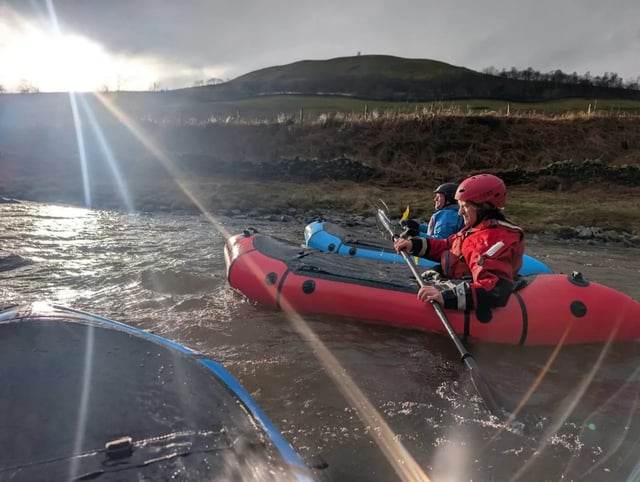
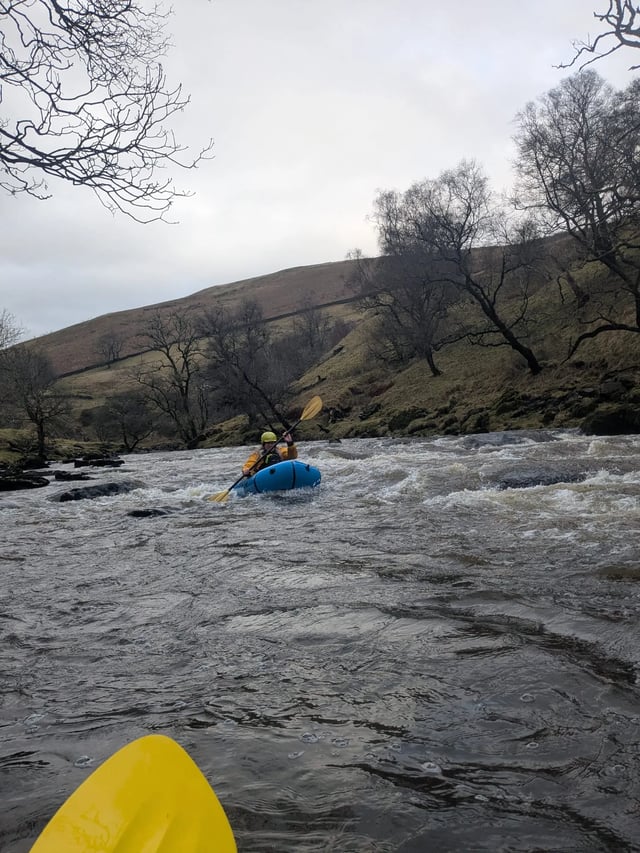
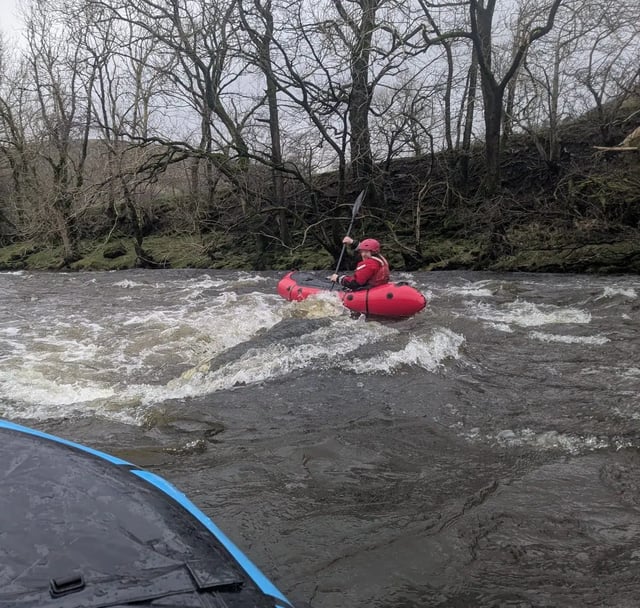
Most of the learning happens in the boat. You'll work on paddle strokes until they feel natural, practise ferry glides across the current until catching the right angle becomes instinctive, and spend real time in eddies reading what the river is doing before committing to a line. Self-rescue practice — a deliberate swim, getting back into the boat, and moving yourself safely in moving water — is a core part of the session, done in a controlled spot so you can build confidence without pressure. Expect short land-based chats along the way: a group huddle to look at a feature, a debrief after a run, or a quick whiteboard-style sketch on a pebble beach.
By the end of a session you'll have a clearer picture of your strengths, honest feedback on what to keep working on, and a handful of things you can practise on your own afterwards. Multi-session courses build on the same foundation over time, adding more complex water, longer journeys and decision-making under real conditions so everything genuinely sinks in. Most paddlers leave with the feeling that the river has become a place they can read, rather than a place that's happening to them.
Skills sessions run on stretches of Lake District river chosen for their teaching value — accessible eddies, safe swim-out zones, a good mix of features at manageable grades, and straightforward access. The exact venue depends on water levels on the day, which means meeting points are confirmed a few days in advance once conditions can be read properly. You'll receive full joining instructions by email ahead of the session, with venues usually within easy reach of Keswick, Ambleside or the surrounding valleys.
For the introductory skills format there are no hard prerequisites beyond being comfortable around water and willing to swim briefly as part of self-rescue practice. For improvers' sessions, some previous time in a packraft or similar craft is helpful so the coaching can focus on refinement rather than absolute basics — if you're unsure which format suits you, get in touch before booking and we'll point you at the right one. Children aged 8 and above are welcome with a participating adult; 18+ can book independently.
Skills coaching is only as good as the coach and the environment they choose to teach in. You'll be working with qualified paddling professionals who run skills sessions the way they'd want to be coached themselves — plain language, useful feedback, no ego, and a pace that matches the group. The venues are chosen for their teaching quality rather than convenience, the kit is kept in good condition, and class sizes stay small on purpose so there's real time for individual coaching. Most people who complete a skills session come back for the next one.
A guided trip is a journey — you follow a coach down a stretch of water, pick up tips along the way, and finish at a different point. A skills session is coaching-first. The route is chosen for its teaching value, not the distance covered, and you'll spend far more time practising specific techniques in specific spots than travelling from A to B. Expect to paddle the same short section several times as you refine a skill.
The feedback is also much more individual. On a trip the guide is running the group safely down the river; on a skills day the coach is watching you, diagnosing what's holding you back, and giving you something concrete to work on. Paddlers often describe the skills session as the trip that made every subsequent trip feel different.
Half-day sessions suit paddlers with a specific goal in mind: tightening up forward paddling, finally nailing a ferry glide, or getting comfortable with a swim and self-rescue. Full-day sessions give more time for content to sink in, more varied practice and a proper lunch break in the middle, which helps the learning settle.
Multi-session courses — where you return for several days over weeks or months — are the gold standard for building real independence. Skills you practise once tend to fade; skills you return to, under slightly different conditions each time, become yours. If you're serious about paddling your own trips, a course is a much better investment than a single day.
Yes, and some people prefer it. Starting with skills means you build good habits from day one rather than picking up rough-and-ready technique you then have to unlearn. The introductory format of the session is paced for genuine beginners, so nothing gets thrown at you before you're ready for it.
The trade-off is that a skills session is more focused and less "outing" in feel than a guided adventure. If you want a fun day out with some coaching sprinkled in, book a half-day river trip. If you want the underlying skills to be rock solid from the start, book a skills session first and do the trips afterwards with much more confidence.
Yes — a deliberate, controlled swim is a core part of the session. The point isn't to test you or catch you out; it's to take the mystery out of what happens when you capsize so it becomes a known event rather than a dreaded one. You'll do it in a safe spot chosen by your coach, with immediate support on hand, and you'll practise getting back into your boat afterwards.
Paddlers often say this is the single most valuable part of the day. Once you've swum once on purpose, the fear of doing it by accident shrinks dramatically, and your whole paddling style changes because you're no longer bracing against a capsize that doesn't come.
These are coaching sessions rather than a formal qualification course, so no certificate is issued. What you get instead is honest, useful feedback from your coach — what you're doing well, what to keep working on, and where to go next. For many paddlers that's more valuable than a piece of paper, because it translates directly into better decisions on the water.
If you're looking for formal accreditation, have a word with us. There are national awards and paddle-sport qualifications that can be worked towards, and we can point you in the right direction or talk about what a structured progression might look like.
Yes, and it's often a great idea if you've already got your own setup. Coaching in your own boat means you leave with specific insight into your own kit — how it trims, whether it's rigged efficiently, what might help, and how to get more out of it. We'll still make sure PFDs and helmets meet the standard we use, so bring yours and we'll check it over at the start.
If your kit needs adjusting or swapping, we've got spares. And if you haven't bought anything yet, skills sessions in our kit are the perfect way to try different options before spending any money — your coach can offer honest advice about what to look for when you're ready to buy.
Your coach will give you specific homework by the end of the day. Common suggestions include practising paddle strokes on flat water until they feel automatic, working on your roll or self-rescue in a pool or on a warm lake day, and going back to familiar stretches with fresh eyes to apply what you learned. Small amounts of regular practice beat occasional long sessions every time.
Reading helps too. A few good books on river craft, decision-making and rescue go a long way, and watching paddling videos with the ideas from your session in mind gives you a lot more insight than watching them cold. Your coach will happily recommend resources that fit where you're at.
Less than a guided journey and more than a flat-water paddle. There's no long distance to cover, which takes the endurance element out of it, but you'll be working on technique, climbing in and out of the boat, and swimming as part of self-rescue practice. That combination gets you wet, warm and ready for lunch.
The mental side is sometimes harder than the physical side. Learning new skills and receiving honest feedback takes energy, and some paddlers are surprised by how tired they feel at the end of a skills day. It's the good kind of tired — the sort that comes with real progress.
Yes. Private coaching is genuinely the most efficient way to progress, because every minute of the session is focused on you or your specific group rather than shared across a mixed-ability class. Couples, paddling partners and small friend groups often book private sessions to level up together before a shared trip.
Costs are higher per head than a shared session, but the rate of progress usually makes up for it. Get in touch with what you're hoping to work on and we'll suggest a format, duration and venue that fits — from a focused half-day on one specific skill to a tailored full-day covering everything you've been wanting to nail.
Come back when you feel you've plateaued, when you're planning a step-up trip that feels just out of reach, or when something specific has started to bother you on the water. Those are the moments where a few hours with a coach pay for themselves many times over.
As a rough guide, one day of structured coaching a year is enough to keep most recreational paddlers moving forwards, and two or three days a year is where real progression happens. Drop us a line with where you're at, what you've been paddling and what you'd like to be paddling next, and we'll suggest the right format to get you there.




About the centre
Carlisle
Operated by Lake District Packrafting, a partner of adventuro.
Cumbria, United Kingdom
From £200
Cumbria, United Kingdom
From £182
Cumbria, United Kingdom
From £180
Cumbria, United Kingdom
From £173.65
Cumbria, United Kingdom
From £102