We partner with Rewilding Britain to help protect our natural spaces for future adventures.
All centres are vetted for safety and quality. Your adventure is in good hands with adventuro.
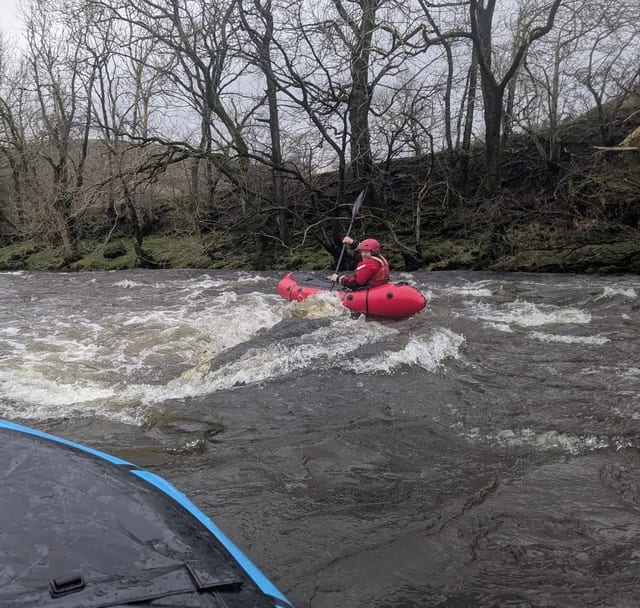
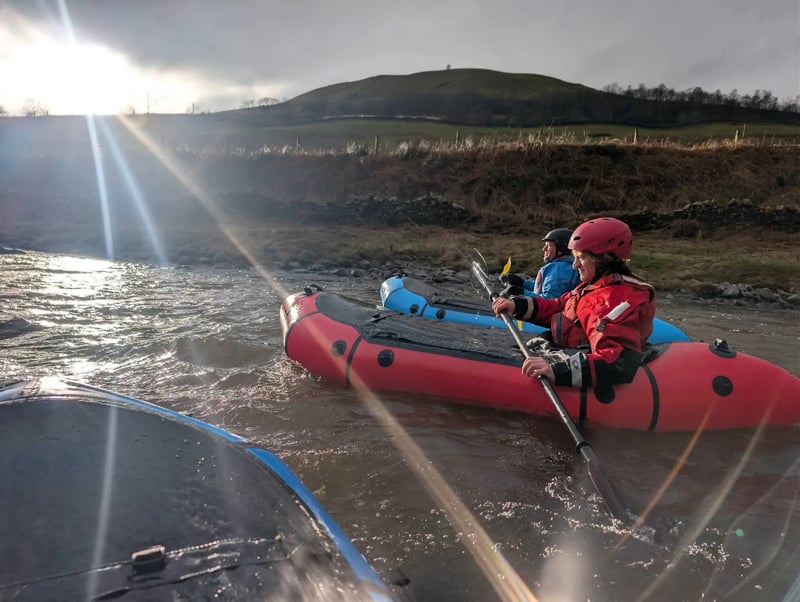
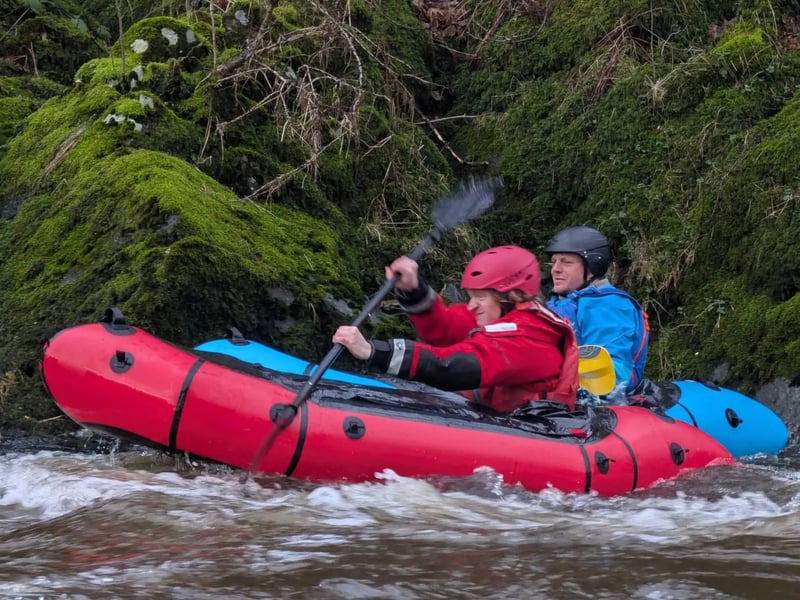
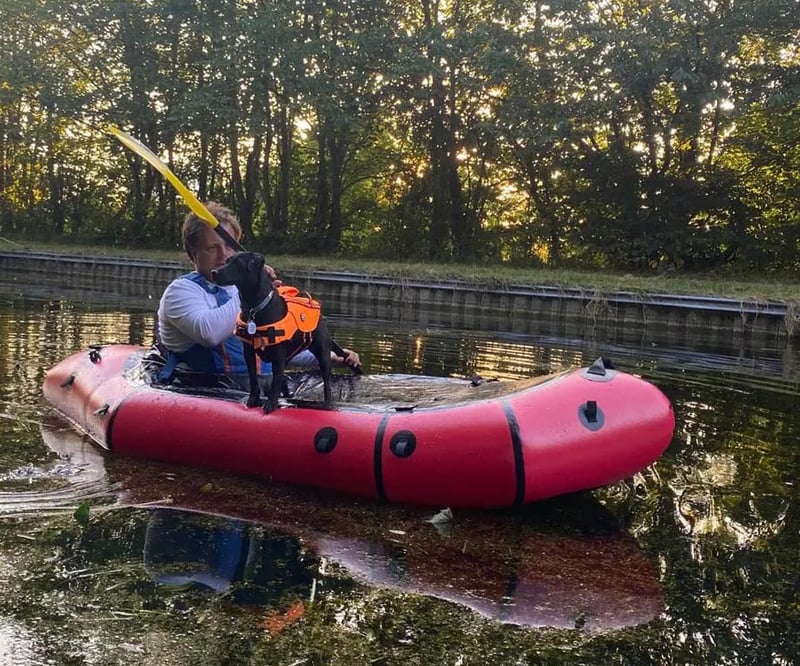
Giving yourself a full day on the river changes the whole feel of a paddle. Instead of a quick taste, you get the morning unfold around you, a proper lunch stop on a bank somewhere beautiful, and that particular afternoon mood when the valley softens and the water slows. Longer stretches link together, quieter corners of the landscape come into reach, and by the time you step off the water at the end of the day you've been somewhere.
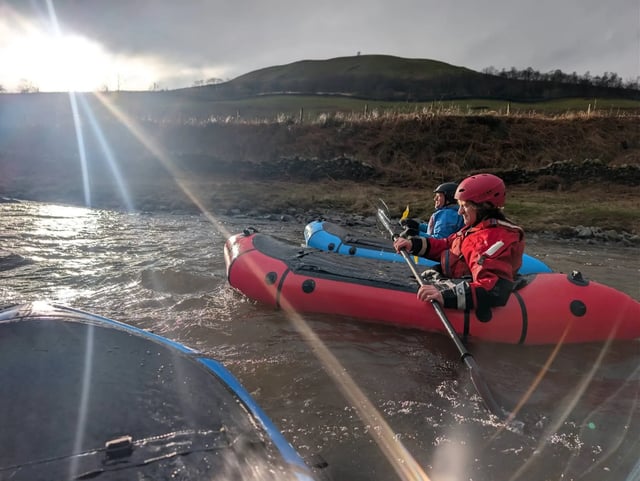
This trip is built for people who want that sense of real journey. It's still welcoming for beginners — the coaching, the pace and the route are all shaped around the paddlers in the boat — but with time on your side the session becomes less about learning in isolated drills and more about paddling properly from put-in to take-out. Expect to settle into a rhythm, read the river with growing confidence, and finish with the kind of contented tiredness only a full day outdoors delivers.
Your day begins with a relaxed welcome at the meeting point, time to get into the right kit, and a thorough briefing that covers paddle technique, reading moving water, swimming safely if you tip, and the shape of the stretch ahead. Your guide will walk you through the plan — where you'll put in, where lunch is likely, the character of the different sections, and the take-out — so the whole day feels mapped out before you lift a paddle.
The morning tends to focus on finding your feet. Early stretches are usually gentler, giving you space to tune into the boat, play with ferry glides across the flow, and get used to how the river talks to you through the hull. As confidence grows the river opens up, and you'll work through longer flowing sections, pick lines through riffles, and catch eddies behind rocks or where the bank bends in. A proper lunch stop appears somewhere the river invites it — a pebble beach, a meadow, or a pool where the water goes still — and you'll have an unhurried break to eat, dry out, and let the morning settle before the second half.
The afternoon is often where the day's best paddling lives. By this point you're reading the water more instinctively, your group has found its rhythm, and quieter stretches reveal themselves in the softer light. There might be a walk-round portage where access calls for it, a drift through a wooded bend where nothing but the boats is moving, and eventually a take-out that feels a long way — in the best sense — from where the day began. Depending on the route you'll finish where you started, in a neighbouring village, or at a point reached back by foot, bike or local transport, with plenty of time to change, warm up and share the day over a hot drink.
Full-day river expeditions run on carefully chosen stretches within the Lake District, selected for their combination of character, scenery and safe access over a longer day. Because rivers respond to recent weather, the exact put-in and take-out are confirmed a few days before the trip when conditions can be properly read. Joining instructions arrive by email with the meeting point, parking advice and any logistical notes, and most routes sit within easy reach of Keswick, Ambleside or the surrounding valleys.
No previous paddling is required — everything you need to know is taught in the briefing and built on throughout the day. You should be comfortable being in and around water, reasonably mobile for getting in and out at the bank and tackling short walks around any portages, and up for a full day outdoors in variable conditions. Children aged 8 and above are welcome with a participating adult, and anyone 18 or over can join independently. Bring layered outdoor clothing, a waterproof shell, sturdy footwear that can get wet, plenty of food and water, sun protection, and a warm layer for breaks.
A full day on moving water deserves a guide who knows the river in every mood, plans the route to the conditions rather than the postcode, and puts the paddler's experience ahead of hitting a schedule. You'll be paddling with qualified professionals who run small groups on purpose — so there's time for proper coaching, real conversation and unhurried stops — and the kit, briefings and safety cover are all chosen to let you focus on the water, not the logistics. People who book a half-day often come back for the full day; people who book the full day often come back for the overnight trips.
Allow for roughly five to six hours in the boat across the day, split either side of a proper lunch stop, with shorter pauses for drinks, photographs and the occasional portage. The rest of the time goes on kitting up, the safety briefing, rest breaks and getting off the water at the end. It's a full day in the diary, not eight solid hours of paddling.
That breakdown is deliberate. Long unbroken stretches in a packraft on moving water tire people out faster than they expect, and tired paddlers enjoy the river less. Breaking the day into digestible chunks keeps the session fresh from morning to take-out, and most people finish wishing they'd booked the overnight trip.
Yes, provided you're up for being outdoors all day and happy with the idea of learning as you go. The stretches used for full-day expeditions are chosen so the early sections are welcoming — gentle flow, space to practise, and plenty of time for coaching before anything asks more of you. By lunchtime most first-timers are paddling with real confidence.
Where it helps to be honest is on the fitness and mindset side. A full day of packrafting is closer to a good long walk with a paddle than a hard workout, but you'll be out in variable weather, on and off the water, and away from easy exits for parts of the route. If that sounds enjoyable, you'll love it. If it sounds a lot, a half-day first is probably the better way in.
Bring more than you think you'll need, and pack it so it survives a splash. A packed lunch, a couple of snacks to graze on, and at least a litre of water is a sensible starting point. Dry bags keep everything dry, and sandwiches, wraps, flapjacks, nuts and fruit all travel well. Hot drinks in a flask go down very nicely on cooler days.
There aren't usually cafes along the river, so plan as if you're self-sufficient from meeting point to take-out. Your guide will factor a proper lunch stop into the route — somewhere with a view, a flat patch of ground, and a chance to warm up — and will let you know in the briefing whether there are any opportunities for a shop or refill along the way.
There's usually a proper loo at the meeting point, so use it before you kit up. Along the river you'll be relying on wild stops, handled in the outdoor way: away from the water, following the usual leave-no-trace principles, with the group giving each other space. Your guide will pick natural break points and can advise on quieter spots along the route.
If you know you prefer facilities, mention it when you book or at the start of the day. Many routes can be planned to pass a pub, a campsite or a village with a public loo at a sensible point — it's a small tweak that makes a big difference to comfort, and it's much easier to plan in advance than to improvise halfway through.
Rivers and weather go hand in hand, so your guide will already have checked forecasts before you start and planned with that in mind. Light rain usually adds to the atmosphere rather than spoiling it, and the kit keeps you warm and dry enough to keep going. Wind can change the character of exposed sections but is rarely a deal-breaker.
If something more serious moves in — heavy prolonged rain, a sudden drop in temperature, lightning — the guide may shorten the route, add an earlier take-out, or call the session down if needed. Safety always wins over distance. You'll never feel hurried to push through conditions that don't feel right, and the plan can flex throughout the day without spoiling the experience.
Older children who already love being outside and have paddled something before often do brilliantly. They're frequently the most enthusiastic members of the group, finish the day buzzing, and sleep like a log that night. For younger children the picture is more mixed — eight or nine-year-olds sometimes find a full day a lot, especially in cooler weather.
If you're bringing children, have a word with us when you book. We'll ask about their previous experience, comfort on the water, and how they usually handle a long day outdoors, then recommend either the full day or a half-day for now. Family trips go much better when the plan fits the youngest paddler rather than stretching them.
You need a reasonable base of everyday fitness — the kind that lets you enjoy a full day's walk in the hills without thinking about it. Packrafting on moving water is not a high-intensity sport for most of the day; the current does plenty of the work, and your paddling effort goes mainly on steering and crossing the river. The fatigue that creeps in is the cumulative kind, from being out all day, not from constant exertion.
If you've got any specific health considerations — back trouble, shoulder issues, anything that affects balance or mobility — let us know ahead of booking. It rarely rules out the trip, but it helps the guide choose the right stretch and plan rest stops sensibly. Honesty at the booking stage always leads to a better day on the water.
Depends on the route and the conditions. Some full-day plans form a natural loop back to the start; others run one-way to a take-out further down the valley. When the route is one-way, logistics get handled before the trip — usually a shuttle with two vehicles, a pickup by the centre, or finishing somewhere with bus or train links back to the start.
You'll be told exactly how it works in the joining email. If you're driving, we'll confirm where to park, and if the plan involves shuttling we'll sort the details so you're not left working it out on the day. Groups that book together often volunteer one car at each end, which is the simplest arrangement of all.
It happens occasionally and isn't a problem — guides plan with natural bail-out points in mind so no one feels trapped halfway through a long day. If a paddler is tired, cold or simply not enjoying themselves, the route can be trimmed, a rest stop extended, or an earlier take-out used where one is available. The aim is always that everyone finishes the day in a good place.
With a larger group, occasionally one tired paddler can continue the trip in a tandem arrangement or take a longer break while the rest carry on briefly. Having said all that, it's genuinely uncommon on well-planned full days. The pacing is built so the effort stays manageable, and the food-and-rest rhythm keeps most people buoyant to the take-out.
Booking runs through the Adventuro listing — pick an available date, pay the deposit, and you'll get confirmation straightaway. A few days before the trip you'll receive a joining email with the confirmed meeting point, parking and kit reminders tailored to the forecast. Full balance is usually due a short time before the trip, as set out in the booking terms.
If plans change on your side, let us know as early as possible — reasonable notice nearly always means the booking can be moved to another date without any drama. Short-notice changes are harder because the guide and kit are already committed, but we'll always try to find a workable solution. Full terms are shared at the point of booking so nothing is unclear.
About the centre
Carlisle
Operated by Lake District Packrafting, a partner of adventuro.
Cumbria, United Kingdom
From £200
Cumbria, United Kingdom
From £182
Cumbria, United Kingdom
From £180
Cumbria, United Kingdom
From £173.65
Cumbria, United Kingdom
From £102