We partner with Rewilding Britain to help protect our natural spaces for future adventures.
All centres are vetted for safety and quality. Your adventure is in good hands with adventuro.
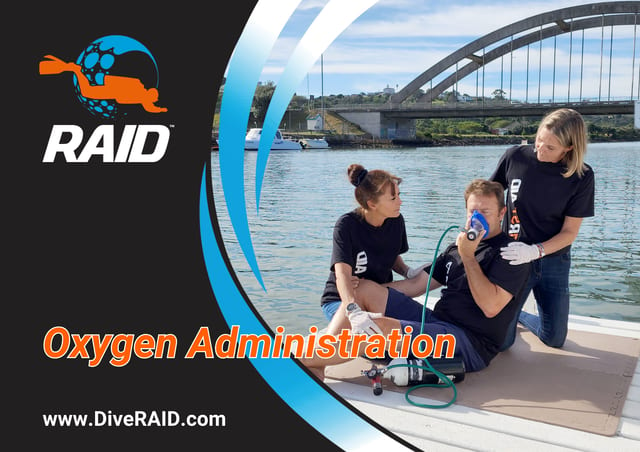
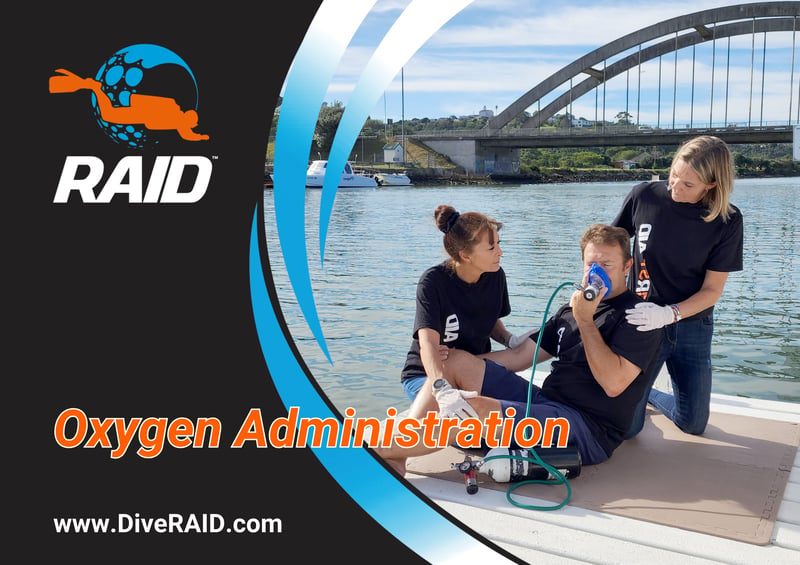
Being able to deliver oxygen correctly in an emergency can make a vital difference to a diver’s recovery. This course teaches the safe use of oxygen delivery systems, correct handling procedures, and the precautions needed to prevent accidents. It’s ideal for divers, dive professionals, and anyone supporting diving operations who wants to gain confidence managing oxygen first aid in real-life scenarios.
Training begins at the Gosforth classroom where you’ll get an overview of oxygen use in diving emergencies, including why and when oxygen should be administered. Instructors guide you through the principles of oxygen therapy, from recognising symptoms of decompression illness to understanding how oxygen aids recovery. You’ll also learn the potential dangers of misuse and how to manage oxygen safely in different environments.
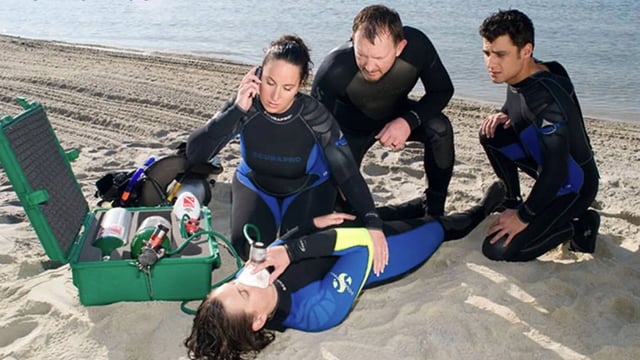
After the theory session, you’ll move on to hands-on practice with real oxygen delivery systems. You’ll assemble and check various types of equipment, learn to select the correct mask for different situations, and practise giving oxygen to both conscious and unconscious casualties. Instructors simulate realistic emergency scenarios so you can build confidence under supervision, ensuring you can respond effectively and calmly if an incident occurs during future dives.
All sessions take place at the Gosforth training centre (NE3 2HY), which provides a comfortable indoor environment for both classroom and practical work. The facility is equipped with oxygen kits, resuscitation manikins, and first aid training equipment so each participant can gain real-world practice with professional-grade tools.
The centre’s location allows easy access for both local divers and those travelling from nearby coastal or inland diving areas, making it convenient to combine this course with other dive training or refresher sessions.
There are no specific diving or medical qualifications required to take part. This course is open to certified divers, dive leaders, and anyone assisting dive operations. A basic understanding of diving physiology is helpful but not essential as instructors clearly explain all the relevant theory.
Participants should be comfortable handling equipment and following step-by-step demonstrations. All practical activities take place in a classroom setting, so no in-water experience is required.
This centre focuses on making safety training approachable and practical. Instructors have extensive diving and first aid experience, meaning they can provide clear, context-based instruction that helps you apply knowledge confidently.
Small group sizes allow each student to get hands-on time with oxygen kits and individual guidance during practice scenarios. You’ll leave with a solid understanding of oxygen use and safety, ready to assist effectively in diving emergencies.
Oxygen is the most important immediate treatment for diving-related injuries such as decompression sickness or lung overexpansion. Administering it promptly can greatly improve recovery chances and reduce long-term effects. This course teaches when and how to give oxygen safely and how to recognise symptoms that require it.
Beyond diving, these skills give you confidence to manage other emergencies where oxygen may be beneficial, such as near-drowning or hypoxia-related incidents. You’ll also understand why oxygen can be hazardous if handled incorrectly and how to control those risks through good equipment maintenance and procedure.
The practical section makes up roughly half the course time. You’ll assemble and test oxygen delivery systems, learn to use different masks, and practise administering oxygen to manikins that simulate conscious and unconscious divers. Each exercise builds confidence and familiarity so you can act quickly in a real emergency.
Instructors demonstrate every procedure step-by-step before you try it yourself, offering guidance and correction where needed. By the end, you’ll be able to confidently check, use, and secure oxygen systems in a variety of first aid situations.
You’ll use professional-grade diving oxygen kits including demand valves, non-rebreather masks, and constant flow systems. These are the same types of equipment used on dive boats and at dive sites worldwide.
The course also covers component recognition, regulator safety checks, and cylinder maintenance guidelines so you understand how to identify, prepare, and store each system properly. This ensures you can safely use or supervise oxygen equipment regardless of brand or setup.
Yes, this certification is recognised as part of diver rescue and professional-level training pathways. Completing it demonstrates competence in administering oxygen as part of first aid response, which is often required before enrolling in rescue-level or instructor development courses.
It also complements first aid and CPR qualifications, strengthening your readiness for emergency situations both in and out of the water. Instructors can advise on next training steps suited to your diving goals.
Absolutely. While designed with divers in mind, the safety principles and oxygen handling techniques apply to a range of first aid scenarios. It’s suitable for partners, surface support staff, or anyone likely to assist in diving operations.
The theory is explained clearly, so no previous experience is needed. Practical sessions are straightforward and guided, making it an excellent introduction to oxygen safety for anyone involved in aquatic or outdoor activities.
About the centre
Gosforth
Operated by Pirates Dive Club, a partner of adventuro.
Minahasa Regency, North Sulawesi
From $232