We partner with Rewilding Britain to help protect our natural spaces for future adventures.
All centres are vetted for safety and quality. Your adventure is in good hands with adventuro.
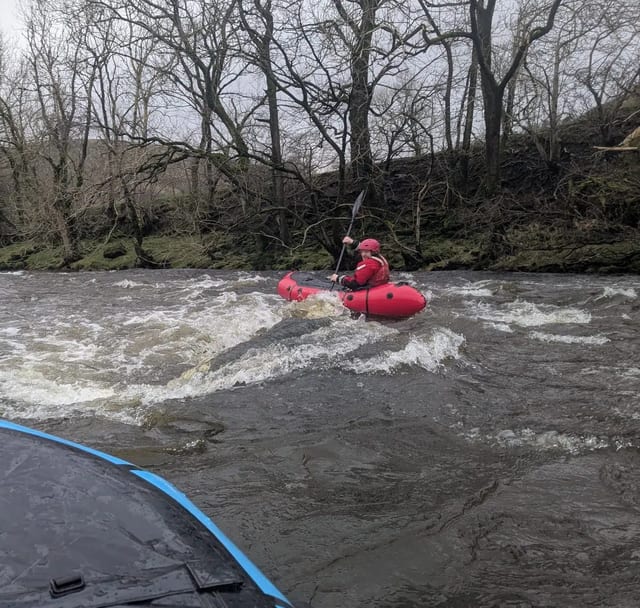
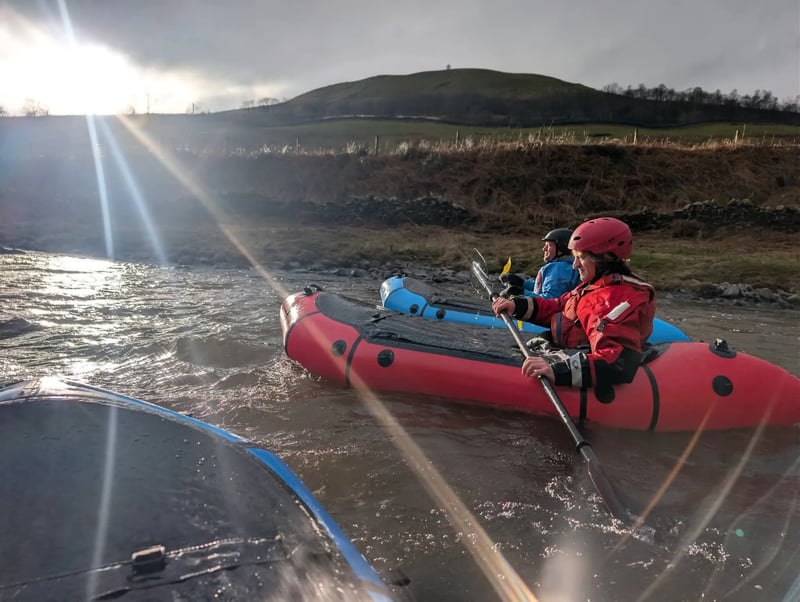
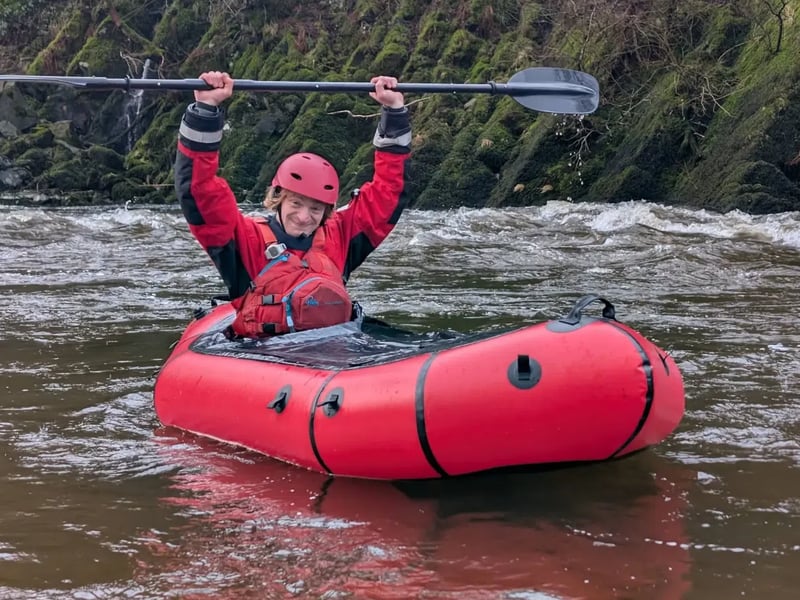
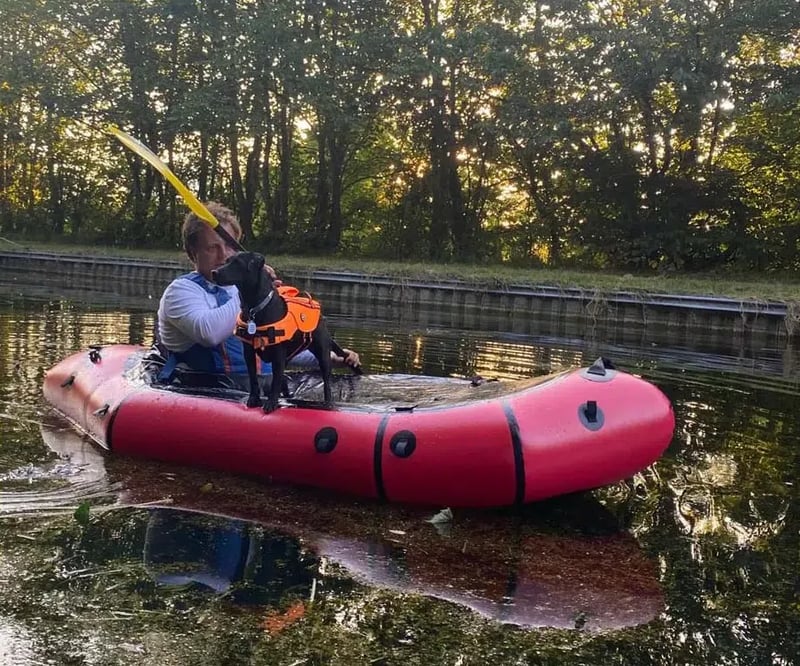
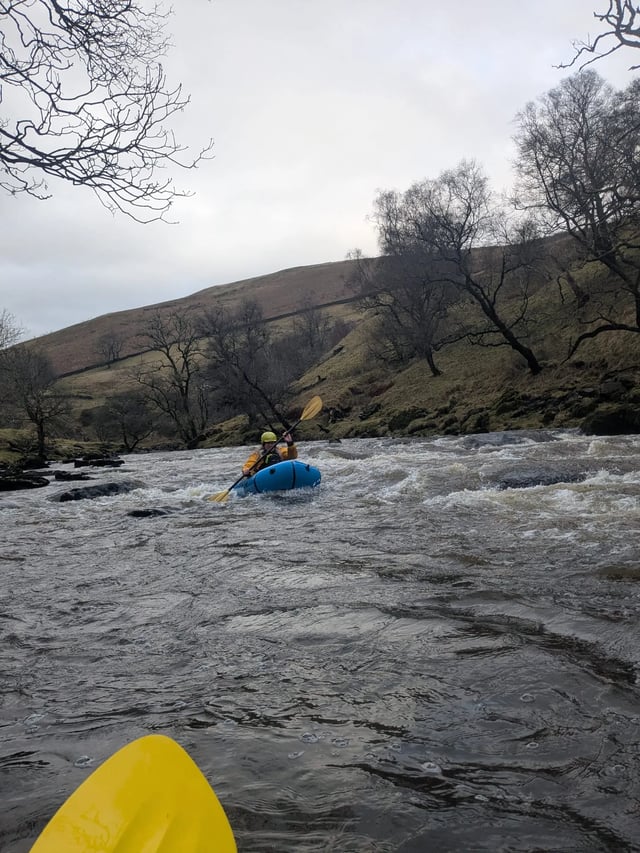
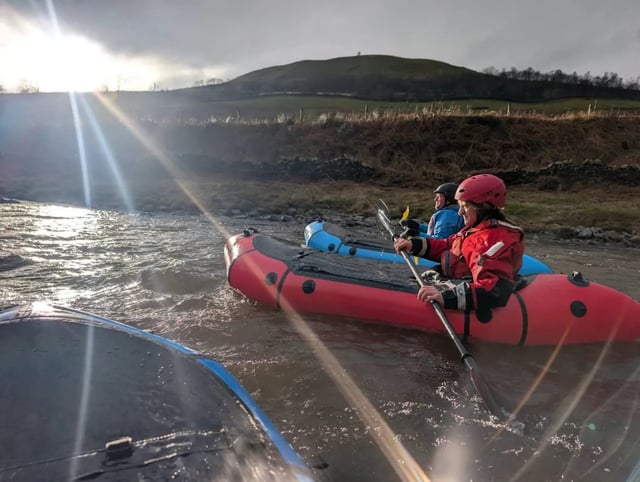
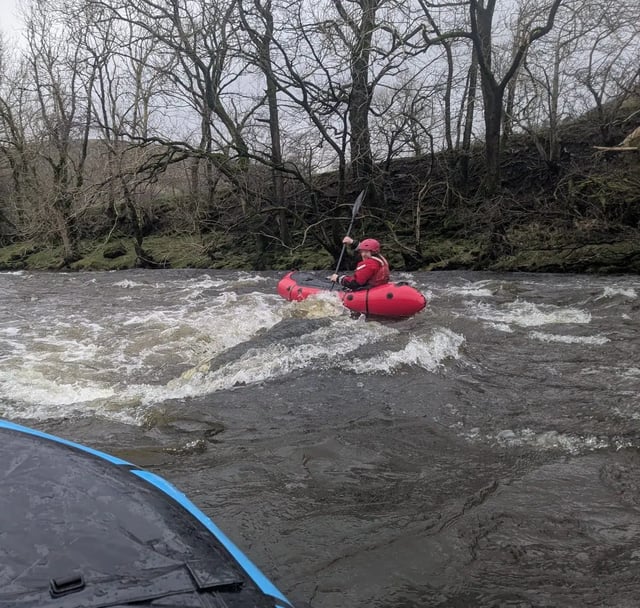
Follow the flow of a Cumbrian river over two days and a night, letting the current shape your journey through quiet valleys, under old stone bridges, and past shorelines that simply can't be reached by road. This overnight river expedition is a gentle introduction to multi-day packrafting travel, combining paddling under changing light with a night spent camped close to the water's edge. No previous paddling or camping experience required — just a willingness to slow down and follow where the water goes.
Your adventure begins at the meeting point with a friendly welcome and a thorough kit briefing. Your guide will walk you through the packraft, paddle and buoyancy aid, along with how to pack efficiently for two days on the move. Because you'll be carrying camping kit on the water, there's a little extra time spent making sure dry bags are loaded properly and the boat is balanced for easy paddling. Once everyone is ready, it's down to the put-in and onto the river.
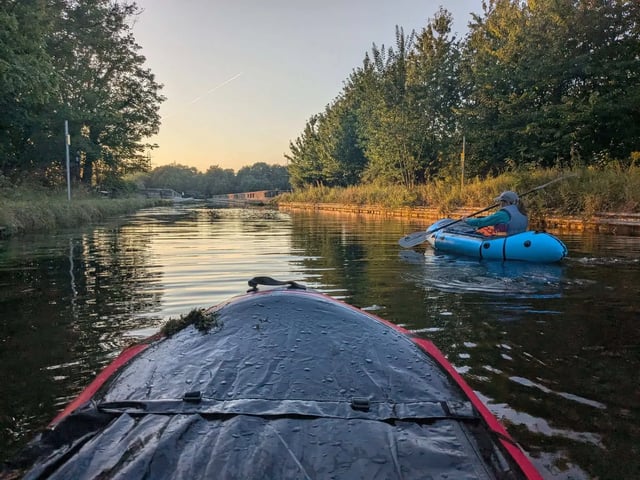
The first afternoon is about finding the rhythm of river travel. Unlike a lake, a river gives you a constant sense of progress — each bend opens onto something new, the banks shift between woodland and open pasture, and the current does some of the work while you adjust to the feel of a loaded boat. Your guide will set a gentle pace with regular stops for photos, snacks, and taking in the landscape. By late afternoon, you'll be approaching your overnight camp — usually a sheltered riverside spot chosen for privacy, aspect, and easy access from the water.
Evening at a riverside camp is quietly special. You'll pitch up, warm up, and share a meal as the light softens and the valley settles for the night. There's something about the low sound of running water alongside you — steady, unchanging — that makes a river camp feel particularly restful. Whether the sky clears for starlight or cloud gathers low across the valley, sleeping beside the river you've just paddled down gives the evening a real sense of completion.
Waking up to the sound of running water just beyond your tent is one of the quiet pleasures of a river trip — mist drifting off the surface, birds working the banks, and nowhere you need to be for several hours. After breakfast and a careful pack-up (leaving no trace), the group eases back onto the water for the morning paddle. Depending on the route your guide has chosen, day two might continue downstream through a different section of valley, loop back along another stretch, or combine the two with a short portage between them.
The final stretch usually brings you to a pre-arranged finish point by early afternoon. There's time to change into dry clothes, share a hot drink, and talk through the highlights of the trip before heading on with the rest of your day. Many guests say the most memorable thing isn't any single moment but the quiet continuity of it — a whole day and night spent entirely with the river, moving at the pace the water sets.
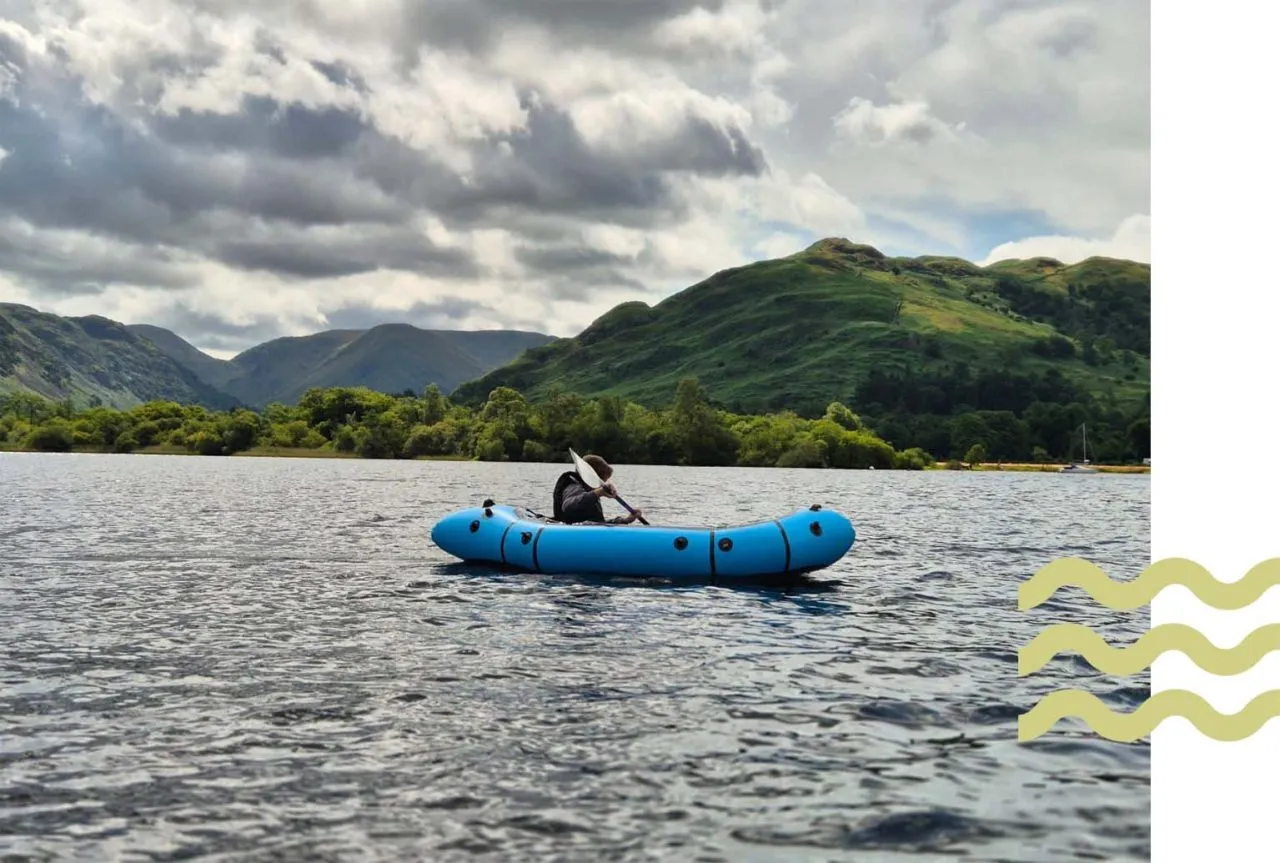
The Lake District is laced with a network of rivers, becks, and connecting waterways that run through some of England's most varied valley landscapes — and an overnight expedition unlocks sections of them that simply can't be seen in a short outing. Depending on water levels and the time of year, your route might trace a wooded river through ancient woodland, follow an open valley with fells rising on either side, or combine stretches of different character across the two days. Launch points and camps are chosen together as a single plan, so the route flows naturally rather than feeling cobbled together.
What really rewards multi-day river travel here is the slow reveal of the landscape. Stone bridges, small waterfalls, deep green pools, reed beds, woodland ferns — you pass each one at walking pace, with time to look at them properly. Wildlife is at its best too: herons and dippers are near-constant companions, otters are possible on the quieter stretches, and early morning brings the kind of stillness that only happens when there's no one else around. The national park status of the area also means the night skies can be exceptional on clear nights.
This expedition is built for beginners drawn to the idea of a multi-day adventure rather than experienced paddlers looking for a technical trip. No previous packrafting or camping experience is required — your guide will cover everything you need, from paddling technique to pitching a safe camp and handling multi-day logistics. You do, however, need a reasonable level of general outdoor fitness: enough to sit in a packraft for several hours across two days, carry a loaded dry bag during short walks between water and camp, and manage the small tasks of camp life at the end of a day outside. Children aged 10 and above are welcome when accompanied by a participating adult, and anyone 18 or over can join independently. Basic water confidence and swimming ability are important, as everyone wears a buoyancy aid and you'll be on moving water for extended periods.
Packing thoughtfully makes a real difference on a river trip. Alongside comfortable outdoor clothing, a waterproof layer, and sturdy footwear, bring a full change of dry base layers, plenty of warm layers for camp, a headtorch with spare batteries, personal toiletries, and any medication you need. Core camping equipment and exact food arrangements will be confirmed at booking — some trips are fully catered, others self-catered, with a full kit list sent ahead. Everything that needs to stay dry goes into the dry bags provided, and your guide will help you pack the boat efficiently before you set off.
Packrafting is our only focus, and overnight river trips are where that specialism really shines. Every route has been paddled repeatedly over years, every camp location chosen carefully for its suitability and minimal impact, and every logistical detail — from put-ins to take-outs to river-level contingencies — has been refined by guides who paddle these rivers year-round. Small group sizes keep the atmosphere personal, and our expedition kit is chosen for comfort, warmth and reliability across two days in the outdoors.
What really sets a river expedition apart is the access packrafts make possible. Because the boats pack down into a backpack, we can start, finish, and camp in places no other paddle craft can reach — quieter stretches of river, hidden valley camps, and sections of water that most visitors never get near. Combined with patient, personable guidance and a real respect for the landscapes and rivers we work in, that access is what turns a one-night trip into something genuinely memorable — and why many guests come back for longer multi-day adventures after their first night beside the water.
The biggest difference is the sense of journey. On a lake, you generate most of your own movement with every paddle stroke, and your route tends to loop around a defined body of water. On a river, the current gives you continuous forward motion, the scenery changes every few minutes as each bend opens onto something new, and the trip has a natural downstream narrative that carries you from one day into the next. Many guests find a river expedition feels more like genuine travel than a lake trip does, even when the total paddling time is similar.
River expeditions also offer a different kind of closeness to the landscape. Rather than paddling across open water and looking at distant fells, you're threading through the valley — under stone bridges, past reed beds, over clear shallows, beneath overhanging trees. Wildlife tends to feel closer too, and the riverside camp sits right alongside the water you'll paddle in the morning, which gives the overnight a particular rhythm that lake trips don't quite share. Neither is better — they're just noticeably different experiences.
The rivers chosen for this expedition sit firmly at the gentle end of the scale — think gently flowing water, slow bends, and the occasional small riffle where the current quickens for a few metres before flattening out again. There's no whitewater, no features designed to challenge you, and no expectation of technical skills. The water is carefully matched to beginners and moves at a pace that lets you look around rather than concentrate on survival.
Your guide scouts and selects each day's route based on current water levels, weather, and group confidence. If a section looks borderline for any reason, they'll swap it for an alternative or portage around it rather than push the group into something uncomfortable. The goal is a steady, enjoyable float with the occasional moment of liveliness — never a test of technique.
Rivers change noticeably with recent rainfall, so every expedition is planned around the conditions that actually exist rather than a fixed itinerary. If levels are moderately high, your guide will select a different stretch of water, a more sheltered put-in, or a shorter paddling leg to keep the trip safe and enjoyable. If levels are low, they may choose a deeper section to avoid dragging over gravel, or relocate the camp to a different point along the route. Flexibility is built into the planning.
In rare cases of genuinely unsuitable conditions — serious flooding, major storms, or anything that rules out beginner paddling safely — we'll contact you ahead of the trip to arrange a reschedule. Safety always comes first, and we'd much rather move your dates than run a compromised expedition. You'll never be pushed onto water that isn't right for the group or the format.
Camps are chosen on the day from a range of scouted locations, typically just a short walk from the water or right at a take-out point where boats can be stashed and the group can settle for the night. The aim is privacy, shelter, and as little impact on the landscape as possible, so camps tend to be tucked into quiet corners rather than on obviously visible riverbanks. In some cases you'll hear the river from your tent; in others you might be a few metres up the bank for more comfortable ground.
Wild camping on English rivers sits in a more nuanced legal space than in Scotland, so your guide handles all the permissions, site choice, and leave-no-trace logistics. You'll know where you're going before the trip begins and exactly what to expect on arrival. For most guests, it's their first properly wild-feeling camp — and one of the most memorable parts of the whole experience.
Food arrangements are confirmed at booking, because what works best depends on group size, route, and the time of year. Some trips come with meals and snacks fully arranged as part of the package — expedition food that's easy to prepare on the riverbank and energy-dense enough for paddling days. Others are self-catered, with a detailed packing list sent ahead so you can bring your own food. Either way, you'll know exactly what's expected before the trip.
If you're self-catering, plan for simple, water-friendly options: wraps or sandwiches for lunch, pasta or dehydrated meals for dinner, porridge or granola for breakfast, plus plenty of high-calorie snacks. A flask of hot drink for arrival at camp is almost universally appreciated. Bring more food than you think you'll need — fresh air, cold water, and paddling all sharpen the appetite faster than you'd expect, and no one enjoys running low on food eight miles downstream.
Paddling is pitched as achievable rather than demanding. On day one, expect roughly two to four hours on the water in the afternoon, broken up with plenty of stops for photos, snacks, and taking in the view. On day two, a morning paddle of two to three hours is typical before you arrive at the finish point around lunchtime. Because the current carries you along, the effort level stays modest and distances feel shorter than they actually are.
Your guide always adapts the day to the group. If everyone's flying along and loving it, there's room to extend the best stretches; if the group prefers a gentler pace, the schedule can easily absorb extra breaks and slower sections. This trip is explicitly designed as a gentle introduction to multi-day river travel, not an endurance challenge. If you want something more ambitious, longer expeditions are available — just ask.
Children aged 10 and above are welcome when accompanied by a participating adult, and a river expedition can be a genuinely formative experience for the right young person. The sense of adventure, the novelty of a riverside camp, and the quiet achievement of having paddled downstream under their own steam all combine into something many kids remember for years. We've seen plenty of families come back together for longer trips after an enjoyable first overnight.
The main judgement for parents is stamina and water confidence. Is your child happy being away from home comforts for a night? Are they comfortable around moving water? Can they carry their personal kit during short walks between water and camp? If you're unsure, get in touch before booking — we can talk through your specific family's experience and help you decide whether this expedition is the right starting point or whether a shorter outing would suit better as a first step.
Riverside camps are genuinely wild, which means no plumbed toilets and no showers — you'll be following a proper leave-no-trace approach for your stay. Your guide will walk you through the practicalities on arrival: how and where to go to the loo responsibly, how to dispose of waste, and how to keep yourself fresh overnight with minimal water use. Special care is taken with positioning toilet areas well away from the river itself to protect water quality.
Pack wet wipes, a small towel, and a dedicated toilet kit (trowel, biodegradable paper, a sealable waste bag). If you've never camped without facilities before, it's more straightforward than it sounds — your guide does this constantly and will make it feel easy from the start. Many guests find that a night spent with simpler routines and fewer distractions is one of the quiet pleasures of wild expedition travel.
Leave-no-trace is central to how these trips work, and rivers need particular care because anything that enters the water travels downstream and affects other users. Your guide will walk you through the principles on day one: pack out all rubbish (including food scraps), minimise any fire use, keep soap and toiletries well away from the water, use established toilet practices well away from the banks, and leave each camp exactly as you'd want to find it.
The practical reality is a simple set of habits that quickly becomes second nature. Group rubbish is collected and packed out, food prep happens off-bank where possible, washing water is used sparingly and poured onto absorbent ground, and pitches are kept small and brief. These habits are what allow expeditions like this to keep running in sensitive landscapes, and most guests leave the trip more knowledgeable about low-impact camping than when they arrived.
Yes, and plenty of guests arrive with zero camping experience. This expedition is deliberately pitched to be accessible, and your guide handles the technical side of camping: choosing the pitch, setting up shelters, managing cooking and keeping the camp tidy. Your job is to turn up with the right personal kit, follow a few simple routines, and embrace the experience. Most first-time campers are surprised by how quickly it all feels normal.
If you'd like to use the trip as a chance to learn camping skills as well as paddling, your guide is happy to walk you through how everything works and involve you in pitching tents, lighting stoves, and sorting camp logistics. Many guests leave with the confidence to try their own overnight trips in future — and that's exactly what a good first expedition should deliver.
About the centre
Carlisle
Operated by Lake District Packrafting, a partner of adventuro.




Cumbria, United Kingdom
From £249
Cumbria, United Kingdom
From £200
Cumbria, United Kingdom
From £182
Cumbria, United Kingdom
From £180
Cumbria, United Kingdom
From £102
Cumbria, United Kingdom
From £102