
We partner with Rewilding Britain to help protect our natural spaces for future adventures.
All centres are vetted for safety and quality. Your adventure is in good hands with adventuro.
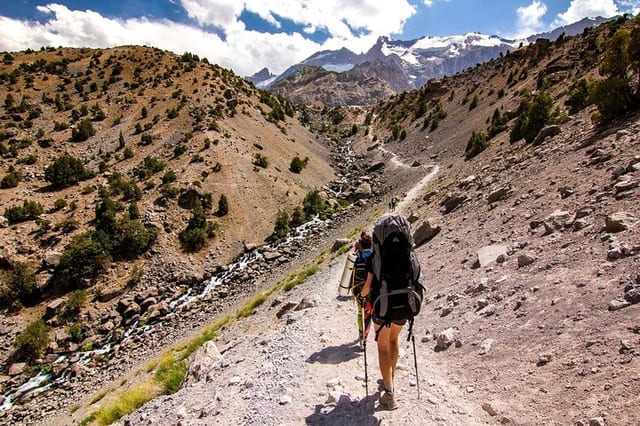
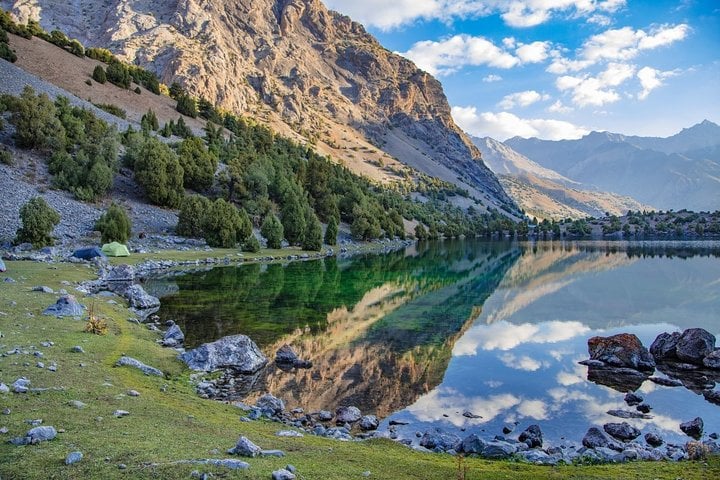
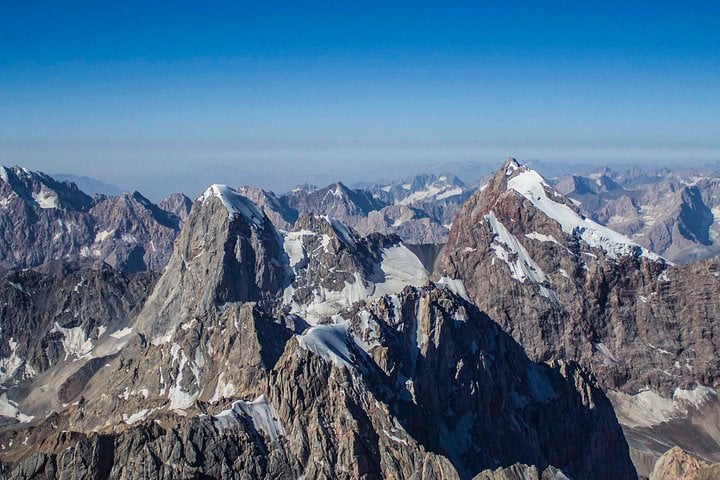
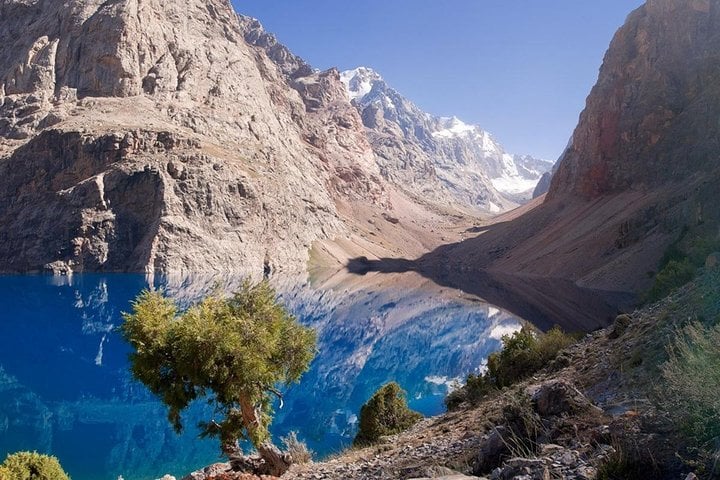
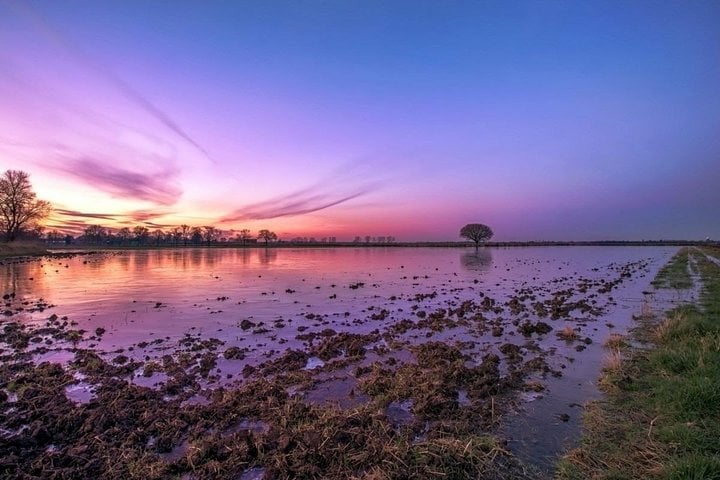
Esta expedición de diez días es un trekking íntegramente de acampada por las montañas Fann, en el noroeste de Tayikistán, cerca de la frontera con Uzbekistán. Pasarás ocho días en el recorrido entre el campamento de montañismo de Artuch y el valle de Amshut, cruzando dos grandes puertos y una sucesión de famosos lagos alpinos. La ruta tiene dificultad moderada: las distancias diarias son asequibles, pero varios días incluyen ascensos continuos de 800 a 1,000 metros y noches a altitudes de hasta 4,500 m.
El primer día es de llegada y traslado, con una caminata opcional de aclimatación al lago Chuqurak si el tiempo lo permite. Los días dos a siete siguen la clásica travesía de Fann por los lagos Kulikalon, Alauddin y Muddy, y cruzan el puerto de Chimtarga hasta Big Allo. El octavo día se camina hasta el acceso por carretera en Archamaidon para regresar en coche a Dushanbe o Samarcanda. El desglose completo de cada día aparece en el Itinerario detallado a continuación.
Las montañas Fann del noroeste de Tayikistán ofrecen una clásica travesía de diez días de acampada por lagos alpinos, puertos altos y valles remotos en la frontera con Uzbekistán. Ocho días de recorrido siguen la clásica travesía de Fann desde Artuch, pasando por Kulikalon y Alauddin hasta el puerto de Chimtarga y el lago Big Allo, y después salen al acceso por carretera en Archamaidon. El primer día comprende la llegada y el traslado, con una caminata opcional de aclimatación si el tiempo lo permite.
Cada día de trekking se detalla a continuación, con distancias, desnivel y ubicaciones de los campamentos. El apoyo de mulas cubre las primeras etapas antes de llegar a la zona de los puertos altos, donde el grupo transporta parte del material compartido.
Los guías locales conocen estas montañas a la perfección, desde la carga de las mulas en Artuch hasta la lectura del tiempo en los puertos expuestos. El equipo organiza grupos pequeños con un enfoque práctico en la seguridad a gran altitud, un ritmo sensato y campamentos bien organizados, en lugar de apresurarse entre los lugares destacados.
La logística se gestiona de principio a fin: traslados terrestres desde Dushanbe o la frontera de Penjikent, equipo de campamento, cocina y apoyo de mulas durante las primeras etapas de trekking. Así puedes concentrarte en caminar, en los lagos y en el paisaje de alta montaña que convierte a las Fann en un destino favorito entre los excursionistas experimentados de Asia Central.
Día de llegada. Tu guía te recibirá en Dushanbe o en la frontera de Penjikent/Samarcanda para el traslado terrestre al campamento de montañismo de Artuch, cerca de Penjikent. El trayecto desde Dushanbe dura unas cuatro horas y media a través del desfiladero de Anzob, con vistas a las cordilleras de Hissar y Zarafshan durante el camino.
Si queda tiempo después de instalarte en el campamento, una caminata opcional de aclimatación al cercano lago Chuqurak añade aproximadamente tres kilómetros, con 300 m de ascenso y descenso. Regresarás a Artuch para pasar la primera noche en el campamento antes de comenzar el trekking principal.
Un conductor y una o dos mulas se unirán al grupo para transportar la comida y el material compartido durante los tres días siguientes de trekking. El sendero asciende hacia el sistema lacustre de Kulikalon hasta el lago Bibijanat, a unos 2,800 m, rodeado de altas paredes rocosas bajo cumbres como Maria (4,970 m) y Mirali (5,170 m).
La caminata de hoy cubre unos ocho kilómetros con 800 m de ascenso. Acamparás en tiendas junto al lago, con vistas a la cuenca de Kulikalon, uno de los paisajes clásicos de las montañas Fann.
Después del desayuno desmontarás el campamento para afrontar la larga subida al puerto de Alauddin, a 3,730 m, ganando casi 1,000 m en un ascenso constante pero prolongado en el que la altitud se nota incluso en terreno sencillo. Durante el trayecto pasarás por el pintoresco lago Dyushakha antes de alcanzar el puerto.
El descenso hasta los lagos Alauddin dura unas dos horas. Estos se encuentran entre los lagos más célebres de las Fann, con aguas cristalinas y un intenso color azul. El campamento se instala junto a los lagos después de unos diez kilómetros y 1,000 m de ascenso y descenso acumulados.
Recogerás el campamento y seguirás un sendero rocoso con una subida constante hacia los lagos Muddy, a 3,430 m, bajo la imponente cumbre de Chimtarga. El pequeño pero impresionante lago Piala ofrece la posibilidad de darse un baño frío durante el trayecto, si las condiciones lo permiten.
El campamento se instala cerca de los lagos Muddy, donde las tardes son notablemente más frescas que en los valles inferiores y a veces descienden hasta unos más 5°C. La caminata es de unos seis kilómetros con 730 m de ascenso.
A partir de aquí termina el apoyo de las mulas y el material del grupo se reparte entre excursionistas y guías para las etapas más exigentes de alta montaña. El sendero cruza laderas de canchales y pequeños arroyos antes de que el terreno se vuelva más empinado, con márgenes glaciares y cruces de cursos de agua helada.
Acamparás por encima de 4,500 m, bajo el puerto de Chimtarga, en el punto de pernocta más alto del trekking. La altitud puede causar leves molestias y las temperaturas nocturnas pueden bajar hasta menos 2 a menos 5°C. La distancia es de unos cuatro kilómetros con 1,060 m de ascenso.
Salida temprana para subir al puerto de Chimtarga, a 4,750 m, entre Energia (5,105 m) y Chimtarga (5,489 m). El cruce no es técnico, pero es alto y transcurre por terreno pedregoso, por lo que los bastones y pisar con seguridad importan más que la velocidad.
Más allá del puerto, un largo descenso por laderas de canchales conduce al cañón de Right Zindon y baja hasta el lago Big Allo, a 3,140 m. La jornada cubre unos nueve kilómetros con 200 m de ascenso y 1,700 m de descenso.
Podrías descansar fácilmente un día entero en Big Allo, nadando y caminando hasta el lago Upper Allo, pero el itinerario estándar continúa después del desayuno valle abajo por Zindon hacia el río Amshut.
El campamento se instala en la orilla del río Amshut, a unos 1,967 m, o junto al lago Maloe Allo. Esta es la última noche en la alta montaña antes de caminar hasta el acceso por carretera. La etapa es de aproximadamente siete kilómetros con 900 m de descenso.
La última jornada a pie cruza hasta la confluencia de los ríos Amshut y Archamaidon, unos cinco kilómetros con 600 m de descenso. Aquí un vehículo recoge al grupo para conducir de vuelta a Dushanbe (unas cuatro horas y media) o a la frontera entre Tayikistán y Uzbekistán, cerca de Samarcanda (unas dos horas).
Calcula tiempo para los trámites fronterizos si continúas hacia Uzbekistán. Los dos días restantes del programa de diez días cubren el viaje de regreso y el tiempo de margen según lo programado en tu salida.
Tu guía te recibirá el primer día en Dushanbe (recogida en hotel o aeropuerto, según lo acordado) o en la frontera entre Tayikistán y Uzbekistán, cerca de Penjikent, si llegas desde Samarcanda. Confirma tu punto de inicio preferido al reservar para que el equipo pueda coordinar los traslados al campamento de montañismo de Artuch.
Desde Dushanbe, el trayecto hasta Artuch dura unas cuatro horas y media (218 km). Desde la frontera de Penjikent/Samarcanda son aproximadamente dos horas (85 km). El último día de trekking, el transporte te recogerá en Archamaidon para regresar en coche a Dushanbe o a la frontera. Calcula tiempo adicional para los trámites fronterizos si cruzas entre Tayikistán y Uzbekistán.
Durante los ocho días de trekking dormirás en tiendas de montaña para dos personas, en campamentos salvajes junto a lagos o en valles altos. Los campamentos se eligen por el acceso al agua y el refugio, mientras el equipo de apoyo se encarga de montar las tiendas y de la cocina del campamento para que tú te concentres en caminar.
Espera condiciones básicas de acampada, no alojamientos fijos: no hay duchas en el recorrido, las instalaciones sanitarias son sencillas y las noches a gran altitud son frías. El alojamiento en hoteles de Dushanbe o Samarcanda antes y después del trekking no está incluido y debe organizarse por separado. Según el horario de tu traslado, es posible que pases una noche en el campamento de montañismo de Artuch al llegar.
Debes poder caminar de seis a diez kilómetros al día por senderos de montaña con tramos continuos de subida. Varias etapas ascienden de 800 a 1,000 metros en un día, y la jornada del puerto de Chimtarga comienza en un campamento situado por encima de 4,000 m. Caminar habitualmente por colinas o salir a correr durante los meses previos al viaje hará que disfrutes mucho más del trekking.
La experiencia previa de acampada es útil, pero no imprescindible si te sientes cómodo durmiendo en tiendas y adaptándote a instalaciones básicas. El ritmo es constante, no acelerado, con tiempo para aclimatarse en Artuch y durante la aproximación a los lagos más altos. Si tienes dudas sobre tu forma física, comenta tu experiencia con el equipo antes de reservar.
La ruta tiene dificultad moderada por la altitud, los cruces de puertos y la acampada de varios días, no por escalada técnica. Necesitas desenvolverte con seguridad en senderos rocosos, canchales y los ocasionales márgenes glaciares, pero no se requiere trabajo con cuerdas ni titulación de montañismo.
Los guías lideran el grupo durante todo el recorrido y toman decisiones sobre el ritmo y la ubicación de los campamentos según las condiciones. Si has completado otros trekkings de varios días entre 3,000 y 4,000 m, como en los Alpes o en las estribaciones del Himalaya, las montañas Fann te parecerán un reto gratificante en un entorno más tranquilo.
Sí. La mayoría de los grupos se reúnen en Dushanbe el primer día para conducir hasta el campamento de montañismo de Artuch. Como alternativa, pueden recogerte en la frontera entre Tayikistán y Uzbekistán, cerca de Penjikent, si viajas desde Samarcanda; así el primer traslado se reduce a unas dos horas.
Confirma tu punto de inicio preferido al reservar para que el equipo pueda planificar la recogida correspondiente. La misma flexibilidad se aplica al último día: el transporte desde Archamaidon puede dejarte en Dushanbe o en la frontera para continuar el viaje hacia Uzbekistán.
La edad mínima es 16 años. No se aceptan excursionistas más jóvenes en esta ruta por su duración, altitud y condiciones remotas de acampada. No hay límite máximo de edad, siempre que cumplas los requisitos físicos y tu médico confirme que estás en condiciones de hacer trekking a gran altitud.
Las salidas requieren un mínimo de cinco participantes y están limitadas a quince. Si reservas para un grupo privado, ponte en contacto con el equipo para consultar las fechas y si es posible organizar un grupo más pequeño en una salida personalizada.
Casi todas las noches se pasan en tiendas de trekking para dos personas, en campamentos salvajes junto a lagos o en valles altos. El equipo de apoyo monta los campamentos, y tú llevas tu equipo personal mientras las mulas transportan la comida del grupo y el material compartido durante la primera parte de la ruta.
No hay hoteles ni refugios en el propio recorrido. El alojamiento en Dushanbe o Samarcanda antes y después del trekking no está incluido y debe reservarse por separado. Según el horario y la duración del traslado, es posible que pases una noche en el campamento de montañismo de Artuch al llegar.
La ruta alcanza los 4,750 m en el puerto de Chimtarga, con dos noches por encima de 4,000 m durante la aproximación. Es normal respirar más despacio, tener leves dolores de cabeza o sentir cansancio a estas alturas, especialmente si nunca has hecho trekking a gran altitud.
El itinerario gana altura gradualmente a través de Kulikalon y Alauddin antes de llegar a los campamentos más altos. Los guías supervisan al grupo y pueden ajustar el ritmo si es necesario. Beber abundante agua, comer con regularidad y comunicar pronto cualquier síntoma ayuda a aclimatarse con seguridad.
Las comidas durante los días de trekking están incluidas como parte del sistema de acampada con apoyo. El equipo de cocina prepara el desayuno, la comida y la cena en el campamento con ingredientes transportados en mula durante las primeras etapas de la ruta.
Espera comida abundante y energética, adecuada para largas jornadas de marcha, no una experiencia gastronómica de restaurante. Normalmente se pueden atender las necesidades vegetarianas si se comunican con antelación. Los tentempiés, las bebidas alcohólicas y las comidas en Dushanbe o Samarcanda antes y después del trekking no están incluidos.
Es imprescindible contar con un seguro de viaje completo que cubra trekking a gran altitud de hasta al menos 5,000 m, tratamiento médico de urgencia y evacuación en helicóptero o por tierra si fuera necesario. Las pólizas vacacionales estándar suelen excluir el trekking por encima de 3,000 m, así que revisa atentamente las condiciones.
Lleva los datos de tu póliza y los números de contacto de emergencia accesibles durante todo el viaje. Las montañas Fann son remotas y las lesiones graves pueden requerir una evacuación a Dushanbe o más allá. El seguro es responsabilidad tuya y el operador no lo tramita.
El tiempo de montaña en las Fann puede cambiar rápidamente, con noches frías, un sol intenso durante el día y lluvia o nieve ocasionales en los campamentos altos incluso en verano. El trekking está calificado como una actividad que requiere buenas condiciones, ya que los días expuestos en los puertos son más seguros con tiempo estable.
Los guías pueden modificar el plan diario, esperar medio día más en el campamento o, en casos excepcionales, cambiar la ruta si la nieve o los vientos fuertes hacen que un puerto sea inseguro. La flexibilidad forma parte del trekking de varios días a gran altitud. Se recomienda un seguro de viaje que cubra las alteraciones del viaje.
Prepara equipaje para días cálidos y noches frías: capas base transpirables, una capa intermedia cálida, una chaqueta aislante y una capa exterior impermeable. Las noches cerca del puerto de Chimtarga pueden bajar hasta menos 5°C, por lo que son importantes un saco de dormir de cuatro estaciones y unos guantes de calidad.
Los bastones de trekking ayudan en las aproximaciones por canchales a los puertos de Alauddin y Chimtarga. También son esenciales unas botas resistentes ya domadas, polainas y bolsas estancas para tu equipo. En el anuncio encontrarás una lista detallada del equipo; procura que tu mochila personal pese lo menos posible cuando te corresponda llevar parte del material del grupo una vez finalice el apoyo de las mulas.

Sobre el centro
Dushanbe
Based in Dushanbe, this operator specialises in guided trekking, mountain expeditions and cultural tours across Tajikistan, from the turquoise lakes of the Fann Mountains to winter sports in the high country near the capital. Experienced local guides lead small groups through some of Central Asia's most dramatic high-altitude landscapes, with routes ranging from single-day waterfall hikes to multi-day camping treks.
Guests benefit from hotel pickup in Dushanbe, carefully planned itineraries and equipment suited to each season. Whether you are chasing alpine lakes, ancient Silk Road sites or snow-covered slopes, the team focuses on safe, well-organised adventures that showcase the country's wild scenery and warm hospitality.
Operado por Bunyod-Tour LLC, un partner de adventuro.
Upper Norrland (Övre Norrland), Sweden
Desde £760
Gorno-Badakhshan, Tajikistan
Desde €6300
Brașov and Southern Carpathians, Romania
Desde €1216
Bagmati Province, Nepal
Desde $1358
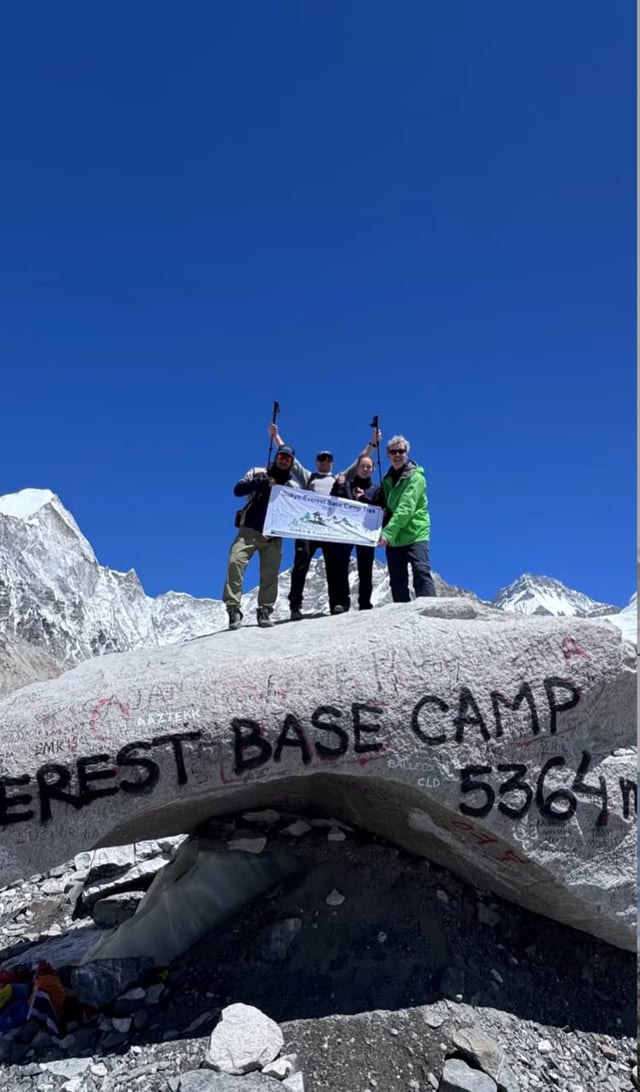
Bagmati Province, Nepal
Desde $1360
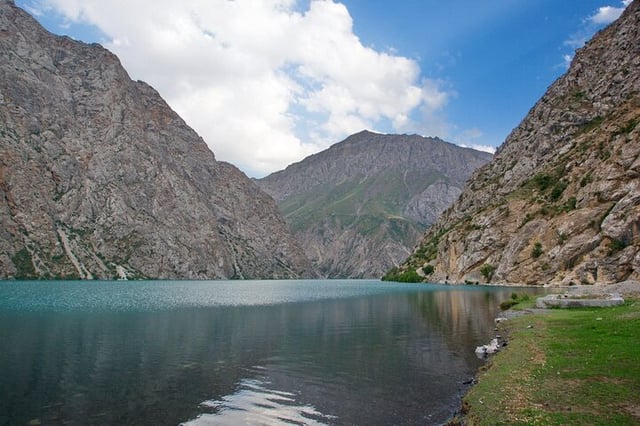
Central Districts (Varzob & Rasht), Tajikistan
Desde $435
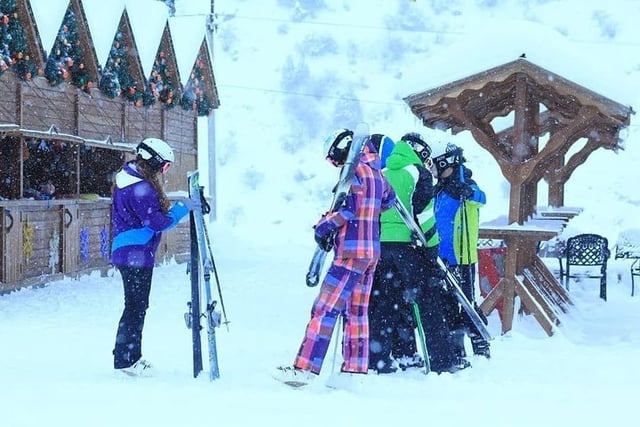
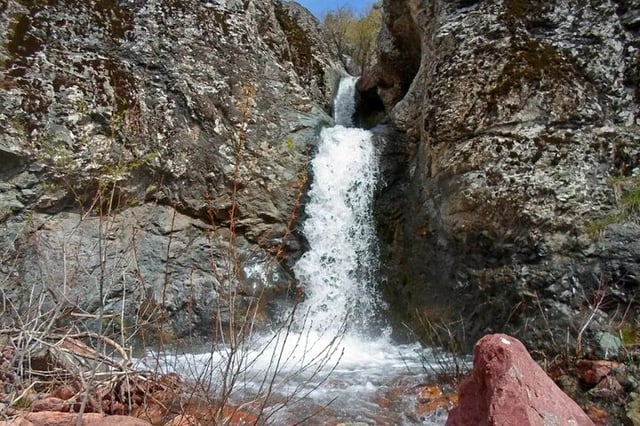
Central Districts (Varzob & Rasht), Tajikistan
Desde $170