We partner with Rewilding Britain to help protect our natural spaces for future adventures.
All centres are vetted for safety and quality. Your adventure is in good hands with adventuro.
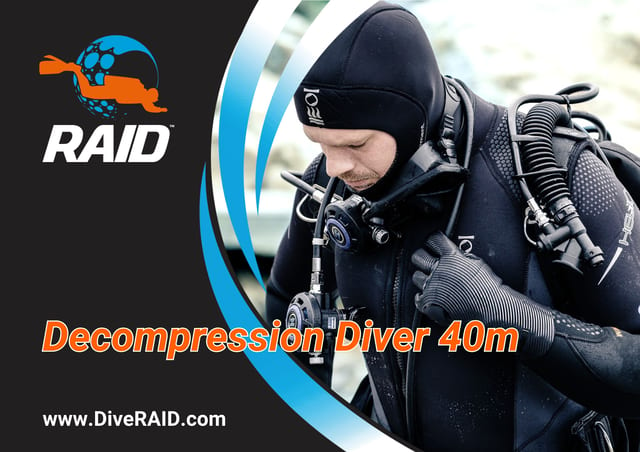
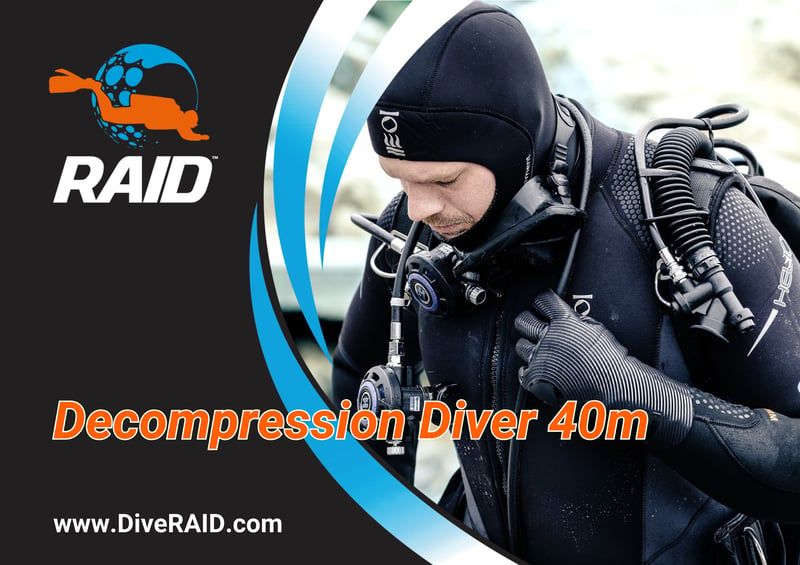
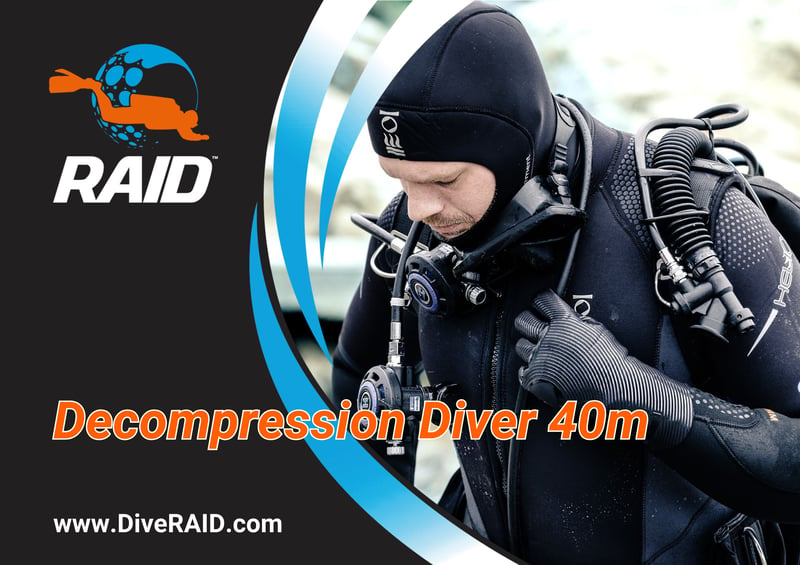
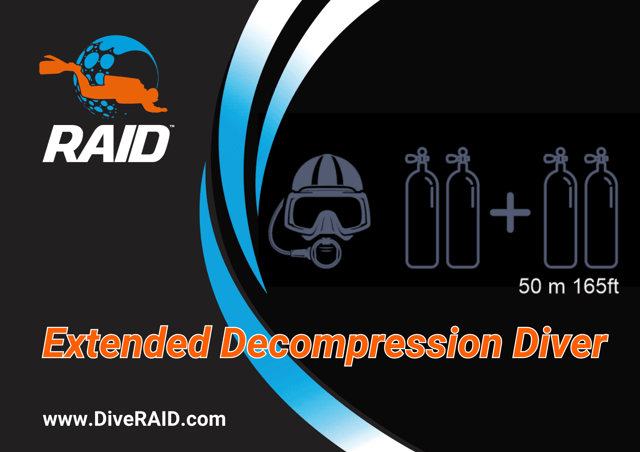
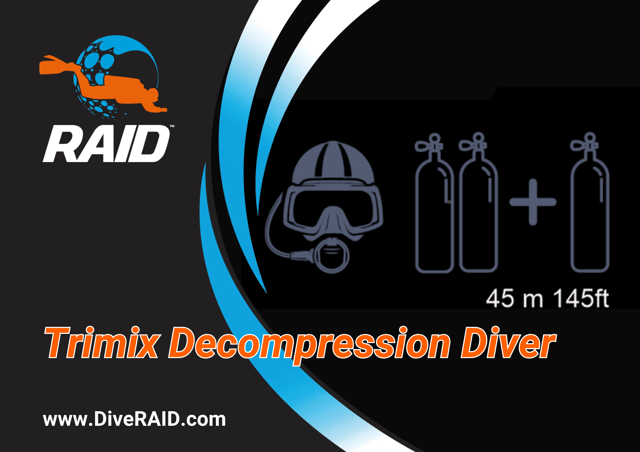
Diving beyond recreational limits requires precise planning and management of decompression obligations. This course teaches the skills needed to safely perform dives up to 40 meters using multiple cylinders, including bottom and decompression gases. You’ll gain confidence in planning, executing, and analysing decompression dives under expert supervision.
Sessions begin at the Gosforth centre with detailed instruction on decompression theory, gas planning, and multi-cylinder use. Instructors explain the physiological effects of deeper dives and guide you through the planning process to manage nitrogen absorption and decompression safely.
Confined water dives provide hands-on experience with gas switching, cylinder management, and controlled ascents. Open water dives at local sites such as Capernwray, Ellerton, or Beadnell Bay allow practical application of decompression procedures. Each dive is closely supervised, with feedback provided on technique, safety, and decision-making under real conditions.
Theory and briefing sessions are held at the Gosforth centre. Confined water practice is conducted at the Elsdon Avenue pool in Seaton Delaval, Whitley Bay. Open water training occurs at selected local sites suitable for deep diving and multi-cylinder exercises.
These locations are chosen for accessibility and safety, providing controlled conditions to practice decompression procedures. Instructors ensure divers are confident before applying the skills independently in open water.
Divers must hold Deep, Nitrox, Sidemount or Twinset certifications and have logged a minimum of 20 hours of diving. Familiarity with multi-cylinder setups and advanced dive planning is essential.
Participants should be physically fit and have experience in buoyancy control, regulator management, and safe diving practices. Instructors provide step-by-step guidance to ensure all divers understand the theory and practical aspects before attempting open water decompression dives.
Instructors have extensive experience in technical and decompression diving, providing personalised guidance in small groups. Training focuses on practical application, ensuring divers gain competence and confidence in handling complex dives.
Facilities include both confined and open water environments, allowing divers to practise procedures safely before progressing to full-depth dives. Emphasis on safety, planning, and correct gas management ensures divers leave with skills applicable to both recreational and technical diving.
A decompression dive involves descending beyond recreational limits, requiring planned stops during ascent to safely eliminate nitrogen from the body. This course teaches you how to manage these dives using multiple cylinders, including bottom and decompression gases.
Instructors explain how to calculate and execute decompression schedules, manage gas supplies, and adjust dive plans in response to real-time conditions. Learning these skills ensures you can dive safely at greater depths and extend your underwater exploration safely.
Yes, divers must hold prior certifications in Deep, Nitrox, Sidemount, or Twinset and have logged a minimum of 20 hours of diving. The course builds on this experience to teach advanced decompression management.
Practical exercises in both confined and open water allow divers to apply theory under supervision. Instructors ensure understanding of multi-cylinder handling, gas switching, and emergency procedures, giving you the confidence to execute decompression dives safely.
Typically, the course spans multiple days to cover theory, confined water practice, and open water dives. Time is allocated to ensure each participant gains full understanding of procedures before attempting deeper dives.
Detailed feedback is provided throughout, with opportunities to repeat exercises as needed to consolidate skills. This structured approach ensures divers are well-prepared for complex dives.
Participants must provide or hire all scuba equipment suitable for technical diving, including multi-cylinder setups. Instructors guide setup, configuration, and use for safe practice during all sessions.
Equipment includes regulators, buoyancy devices, and gas management systems required for decompression dives. Using your own or hired gear allows for realistic and safe practice, essential for gaining full competence.
Yes, successful completion awards a Decompression Diver certification, recognising your ability to safely plan and execute dives beyond recreational limits.
This certification allows divers to perform decompression dives up to 40 meters with multiple cylinders, providing a foundation for advanced technical diving and further specialised courses.


About the centre
Gosforth
Operated by Pirates Dive Club, a partner of adventuro.