We partner with Rewilding Britain to help protect our natural spaces for future adventures.
All centres are vetted for safety and quality. Your adventure is in good hands with adventuro.
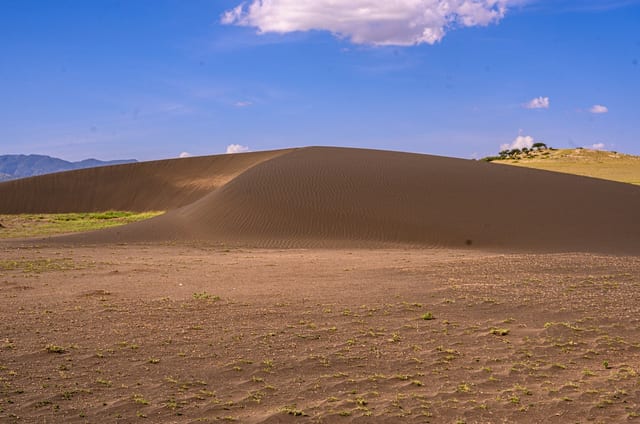
The Ngorongoro Highlands trek mixes a crater safari with multi-day walking through Maasai country toward Empakai and Lake Natron. Maasai guides lead sections on foot, camps are set in remote places, and the optional Ol Donyo Lengai climb is only added if it suits you. Logistics, camping kit, and park access stay in one place so the days stay about the land and the people who live there.
You'll move from the crater rim and floor into highland grassland, then down toward the rift and Natron's flamingo shores. Walking days are rustic and invigorating rather than a vehicle circuit with short strolls. We'll confirm the Lengai option around fitness and season.
This is a locally run East African specialist that builds tailor-made journeys around wildlife, walking, and culture, with a strong focus on responsible travel. You deal directly with the team that designs and operates the trip, using local guides and community partners rather than a one-size itinerary.
The Ngorongoro Highlands trek mixes a crater safari with multi-day walking through Maasai country toward Empakai and Lake Natron. Maasai guides lead sections on foot, camps are set in remote places, and the optional Ol Donyo Lengai climb is only added if it suits you. Logistics, camping kit, and park access stay in one place so the days stay about the land and the people who live there.
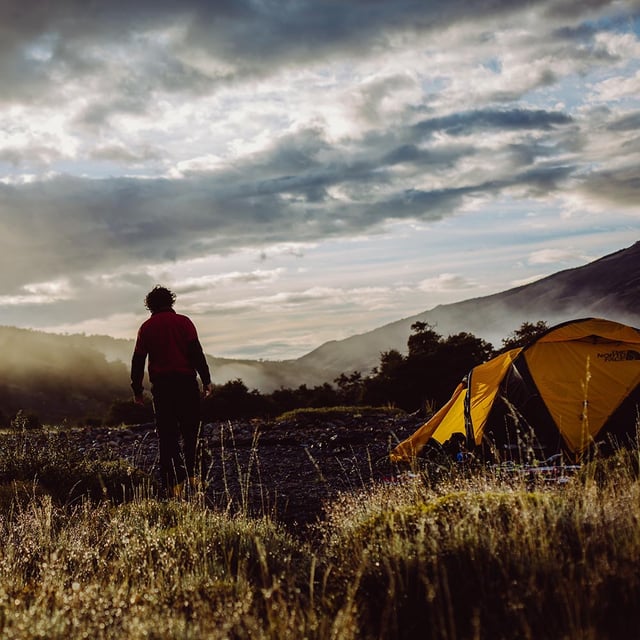
Accommodation throughout the trek is primarily in campsites, with tents and full camping equipment provided. Camps are set up in remote locations, including crater rims and valley floors, offering a close connection to the environment. A support team handles camp setup and meal preparation each day.
Before and after the trek, accommodation in Arusha provides a more comfortable setting to prepare for the journey and recover afterwards. This balance between camping and lodge stays helps make the overall experience more manageable.
You will need comfortable walking boots suitable for uneven terrain, along with lightweight clothing for warm daytime conditions and warmer layers for cooler evenings. A waterproof jacket, hat, and sun protection are essential due to changing conditions across the trek.
A daypack is recommended for carrying water, snacks, and personal items during the trek, while your main luggage is transported separately. Head torches, reusable water bottles, and basic personal items should also be included.
The trek is not highly technical, but it does require a good level of fitness as you will be walking between 4 to 11 hours a day over varied terrain. Some sections include uneven ground, steep ascents, and exposure to heat, particularly when descending into the Rift Valley.
With a steady pace and support from guides, it is manageable for those who are active and prepared. The combination of trekking and rest stops helps balance the overall effort across the trip.
Unlike a traditional safari where most wildlife viewing is done from a vehicle, this experience combines walking with cultural interaction and remote camping. You will spend several days travelling on foot through areas that are not easily accessible by road.
This allows for a more personal connection to the landscape and local communities, offering a different perspective compared to typical safari itineraries.
Yes, particularly during the Ngorongoro Crater game drive and in areas like Empakai Crater. Wildlife sightings can include zebra, wildebeest, buffalo, and occasionally predators such as lion or leopard.
While trekking, wildlife is less concentrated than in the crater itself, but you may still encounter animals depending on the location and season.
You will stay in tents at designated campsites throughout the trek. These are set up by the support team, who also prepare meals and manage logistics.
The camps are in remote locations, offering a simple but rewarding way to experience the landscape without distractions.
The trek is led by experienced guides, often accompanied by Maasai guides who bring local knowledge of the land and culture. Their presence adds an extra layer of understanding to the journey.
They are supported by a wider team handling logistics, ensuring that everything runs smoothly throughout the trip.
This is a challenging night ascent on a steep volcanic mountain, starting in the early hours to avoid daytime heat. The terrain includes loose scree and volcanic rock, making it physically demanding.
It is best suited to those in strong physical condition and comfortable with steep climbs. The reward is a unique summit experience with views across the Rift Valley.
Temperatures vary depending on location and altitude. The highlands are generally cooler, while the Rift Valley and Lake Natron areas can be very hot, especially during the day.
Starting early on certain days helps avoid the worst of the heat, and staying hydrated is essential throughout the trek.

About the centre
Kilimanjaro
Operated by Nature Bound Africa, a partner of adventuro.
Kilimanjaro & Arusha, Tanzania
From $13472
Kilimanjaro & Arusha, Tanzania
From $2600