
We partner with Rewilding Britain to help protect our natural spaces for future adventures.
All centres are vetted for safety and quality. Your adventure is in good hands with adventuro.
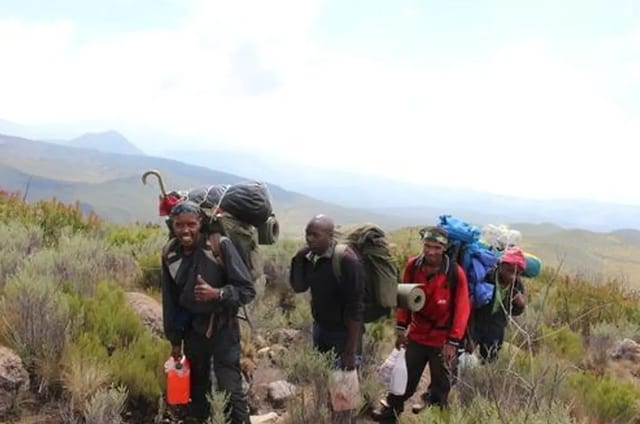
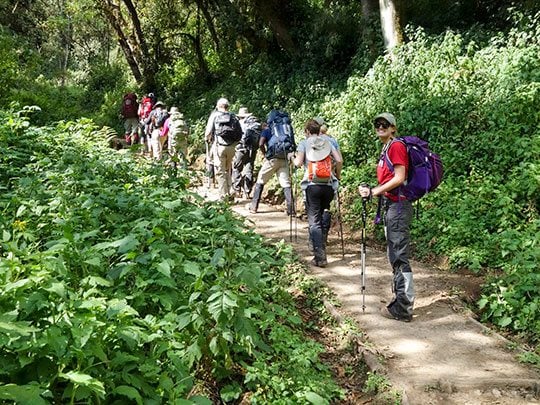
Sie wandern sechs Tage lang über den Mount Meru durch Wald und alpine Wüste – eine ruhigere Trekkingtour in großer Höhe als am Kilimandscharo, mit der Chance, auf den unteren Wegen Wildtiere zu beobachten. Das Team trägt die Campingausrüstung, kocht, überwacht die Akklimatisierung und strukturiert die Tage auf den Socialist Peak hin. An einem klaren Morgen sind die Ausblicke vom Gipfelgrat auf den Kilimandscharo die Belohnung.
Der Arusha-Nationalpark umgibt den Berg, sodass Ihnen Giraffen, Büffel und Colobusaffen begegnen können, bevor Sie die alpine Zone erreichen. Das Tempo ist gleichmäßig statt wettkampforientiert, mit Übernachtungen in Hütten oder Camps gemäß Reiseplan. Wir informieren Sie in Arusha, damit Ausrüstung und Gipfelnacht vor dem Start klar sind.
Die Touren werden von einem lokal geführten Team aus Arusha organisiert, dessen Gründer in der Nähe des Kilimandscharo aufgewachsen ist und am Berg als Träger begonnen hat. Diese Erfahrung zeigt sich darin, wie die Tour am Mount Meru eingeteilt, erklärt und unterstützt wird – mit lokalen Guides, die den Arusha-Nationalpark ebenso gut kennen wie den Gipfelgrat.
Diese sechstägige Meru-Route ist eine ruhigere Höhenwanderung durch Wald und alpine Wüste, mit der Chance auf Wildtierbeobachtungen auf den unteren Wegen und Blicken vom Socialist Peak auf den Kilimandscharo. Das Team trägt die Campingausrüstung, kocht, überwacht die Akklimatisierung und strukturiert die Tage, damit Sie einen weniger frequentierten Gipfel in Ostafrika genießen können.
Die Unterkunft während der Trekkingtour befindet sich in Berghütten entlang der Route mit Mehrbettzimmern, Matratzen und grundlegenden Einrichtungen. Diese Hütten bieten Schutz und Wärme, sodass sich die Trekker nach langen Wandertagen ausruhen und erholen können. Die Mahlzeiten werden vor Ort vom Support-Team zubereitet, um während der gesamten Trekkingtour Energie und Komfort zu gewährleisten.
Vor und nach der Besteigung erfolgt die Unterbringung im Maura Apartment in Arusha mit komfortablen Zimmern und Zugang zu Annehmlichkeiten. Diese Organisation ermöglicht es den Trekkern, sich zu Beginn zu akklimatisieren und sich nach der Tour zu entspannen – in einer sicheren und erholsamen Umgebung im Herzen des nördlichen Tansanias.
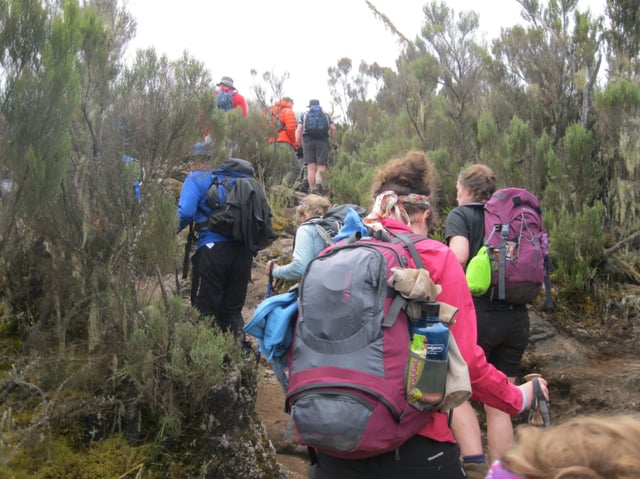
Der Mount Meru gilt als mittelschwere Trekkingtour mit einem stetigen Aufstieg durch verschiedene ökologische Zonen. Die Trekker durchqueren Regenwaldpfade, Heideland und alpine Wüste; je nach Etappe dauern die täglichen Wanderungen 4 bis 8 Stunden. Die Route ist weniger stark frequentiert als der Kilimandscharo und bietet dadurch ein ruhigeres Erlebnis, erfordert aber dennoch gute Kondition, Ausdauer und die Fähigkeit, lange Tage auf den Beinen zu bewältigen. Eine gute Vorbereitung, einschließlich vorheriger Trekking- oder Wandererfahrung, wird empfohlen, damit Sie die Besteigung in vollen Zügen genießen können.
Die Höhe spielt eine Rolle, denn der Gipfel Socialist Peak erreicht fast 15,000 Fuß. Obwohl für die Tour keine technische Klettererfahrung erforderlich ist, können der Höhenunterschied und die steilen Abschnitte körperlich anspruchsvoll sein. Die Guides geben Tipps zum Tempo, und die Akklimatisierung ist in den Reiseplan integriert. Dennoch sollten die Trekker auf ihren Körper hören und ausreichend Pausen einlegen. Wer ein gleichmäßiges Tempo beibehält und den Empfehlungen des Guides folgt, bewältigt die Tour in der Regel erfolgreich.
Die tiefer gelegenen Zonen des Mount Meru, darunter Grasland und afromontane Wälder, bieten die Möglichkeit, Wildtiere zu Fuß zu beobachten. Giraffen, Zebras, Elefanten, Büffel und verschiedene Antilopenarten lassen sich entlang des Weges häufig beobachten, insbesondere beim Durchqueren offener Ebenen am frühen Morgen oder späten Nachmittag. Vogelfreunde können eine Vielzahl von Arten entdecken – von Waldbewohnern bis hin zu alpinen Vögeln. Damit ist die Tour gleichermaßen für Wildtier- und Vogelbeobachter lohnenswert.
Mit zunehmender Höhe wird die Tierwelt seltener, doch die wechselnden Lebensräume geben Einblicke in die vielfältigen Ökosysteme Ostafrikas. Entlang der Wege können die Trekker außerdem kleinere Waldtiere, Insekten und endemische Pflanzen entdecken. Die Guides sind darin geschult, solche Beobachtungen zu erkennen und zu erklären, und helfen den Trekkern, den ökologischen Reichtum des Berges zu schätzen. Die Beobachtung von Wildtieren zu Fuß ermöglicht ein intensives Erlebnis, das bei einer Fahrzeugsafari nicht erreicht werden kann.
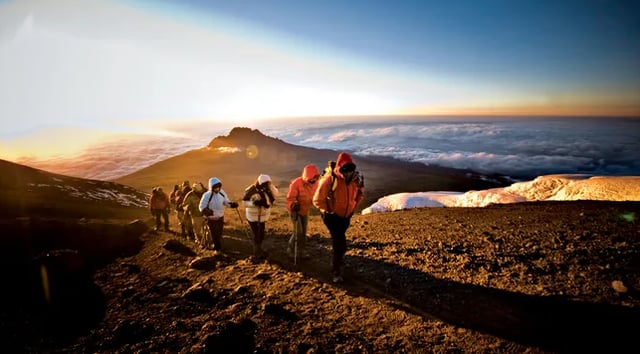
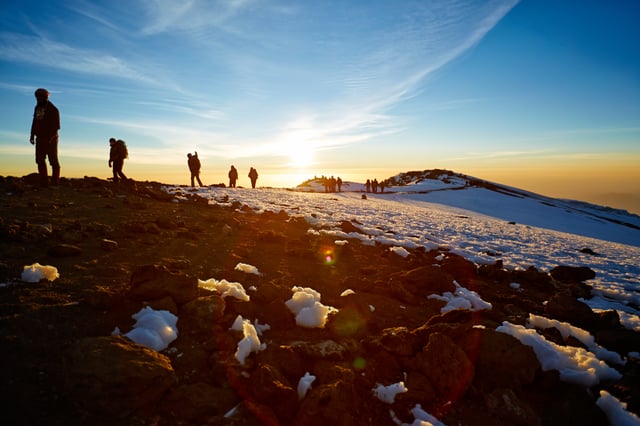
Der Gipfeltag beginnt sehr früh, normalerweise gegen Mitternacht, damit die Bergsteiger den Socialist Peak zum Sonnenaufgang erreichen. Der Weg von den Saddle Huts zum Gipfel ist steil; Abschnitte mit losem Vulkansasche und Geröll erfordern sicheres Auftreten. Für den ersten Teil des Aufstiegs sind Stirnlampen unverzichtbar. Außerdem sollten sich die Trekker auf sehr kalte Temperaturen in höheren Lagen einstellen, gelegentlich mit Frost oder Schnee.
Der Aufstieg dauert gewöhnlich 4–6 Stunden, abhängig von Kondition und Akklimatisierung; der Abstieg nimmt ähnlich viel Zeit in Anspruch. Pausen sind eingeplant, um Flüssigkeit aufzunehmen, sich auszuruhen und sich an die Höhe zu gewöhnen. Der frühe Aufbruch ermöglicht spektakuläre Ausblicke auf den Kilimandscharo, die Ebenen von Arusha und die umliegenden Vulkangipfel. Die Guides beobachten die Bergsteiger aufmerksam, steuern das Tempo und sorgen für Sicherheit; während des gesamten Aufstiegs gibt es motivierende Unterstützung. Nach dem Gipfelerfolg steigen die Trekker zu den Miriakamba Huts ab, um sich vor dem letzten Tourtag auszuruhen und zu erholen.
Für die Tour sind keine technischen Kletterkenntnisse erforderlich. Die Wege sind gut markiert und für erfahrene Wanderer mit angemessener Kondition gut zu bewältigen. Trekkingstöcke, geeignetes Schuhwerk und Kleidung im Schichtsystem erleichtern den Umgang mit Gelände und Höhe. Das Support-Personal trägt schwerere Ausrüstung und bereitet die Mahlzeiten an den Camps vor, sodass sich die Trekker ganz auf den Aufstieg konzentrieren können.
Vorherige Bergsteigerfahrung ist nicht zwingend erforderlich, aber wer bereits mittelschwere Wanderungen oder mehrtägige Trekkingtouren absolviert hat, wird den Aufstieg leichter einteilen können. Die Akklimatisierung ist in den Reiseplan integriert, doch die eigenen Grenzen zu kennen und eine positive Einstellung zu bewahren, ist entscheidend. Die Guides informieren regelmäßig über Höhenkrankheit, Wegbedingungen und Sicherheitstipps, damit auch Trekkinganfänger den Berg selbstbewusst erkunden können.
Alle Mahlzeiten während der Trekkingtour werden vom Support-Team, einschließlich Trägern und Köchen, zubereitet und sind im Tourpaket enthalten. Frühstück, Mittag- und Abendessen werden bereitgestellt, oft auch mit vegetarischen Optionen und Speisen, die dabei helfen, die bei langen Wandertagen verbrauchte Energie wieder aufzufüllen. Heiße Getränke wie Tee und Kaffee sind verfügbar, und abgekochtes Wasser wird für Sicherheit und ausreichende Flüssigkeitszufuhr bereitgestellt.
Die Mahlzeiten werden an jedem Camp vor der Ankunft zubereitet, sodass die Bergsteiger unmittelbar nach Erreichen der Hütten essen können. Die Verpflegung ist nahrhaft, energiereich und für die Bedingungen in großer Höhe geeignet. Für den Gipfeltag tragen die Trekker außerdem Snacks und zusätzliches Wasser mit, da dies die körperlich anspruchsvollste Etappe ist. Die Guides stimmen die Essenszeiten auf das Wandertempo ab, um die Erholung und den Komfort bestmöglich zu unterstützen.
Ja, die Trekkingtour wird vollständig von erfahrenen Bergführern und Trägern unterstützt. Die Guides führen die Gruppe, bestimmen das Tempo, überwachen Gesundheitszustand und Akklimatisierung und verfügen über fundierte Kenntnisse des Geländes, der Tierwelt und der lokalen Ökologie. Die Träger transportieren Campingausrüstung, Kochutensilien und andere schwere Gegenstände, sodass sich die Trekker auf das Wandern und das Genießen der Reise konzentrieren können.
Auch bei medizinischen Notfällen und höhenbedingten Beschwerden steht Unterstützung zur Verfügung; Erste-Hilfe-Sets und Pulsoximeter werden während der gesamten Tour mitgeführt. Die Camps werden vollständig organisiert: Zelte, Kochbereiche und Schlafplätze sind bei der Ankunft bereits vorbereitet. Das Team sorgt von der Ankunft in Arusha über den Gipfel bis zur Rückkehr für einen reibungslosen Ablauf und bietet ein hohes Maß an Sicherheit, Betreuung und Komfort.
Während der Trekkingtour übernachten Sie in einer Kombination aus gut geführten Berghütten und Camps mit einfachen, aber komfortablen Einrichtungen. Die Miriakamba und Saddle Huts bieten Schlafplätze mit Matratzen und Decken; die Zelte in den Camps sind für zusätzlichen Komfort mit Schaumstoffmatten ausgestattet. Gemeinschaftliche Essbereiche in den Hütten ermöglichen es den Bergsteigern, gemeinsam zu essen und sich inmitten der Natur mit anderen Trekkern auszutauschen.
In den Camps bauen Träger und Guides Zelte und Kochbereiche auf, bevor die Trekker eintreffen. So müssen sich die Bergsteiger um möglichst wenig kümmern und bleiben dennoch eng mit der Bergwelt verbunden. Die Camps werden wegen ihrer schönen Aussicht und ihres Schutzes vor Wind und Wetter ausgewählt; alle grundlegenden Bedürfnisse, einschließlich sauberen Trinkwassers und Mahlzeiten, werden abgedeckt. Diese Organisation ermöglicht es den Trekkern, sich jede Nacht vollständig auszuruhen und zu erholen, um für den Aufstieg am nächsten Tag bereit zu sein.

Über das Zentrum
Kilimanjaro
Betrieben von Nature Bound Africa, einem Partner von adventuro.
Kilimanjaro & Arusha, Tanzania
Ab $2600
Kilimanjaro & Arusha, Tanzania
Ab $3805
Kilimanjaro & Arusha, Tanzania
Ab $5460
Kilimanjaro & Arusha, Tanzania
Ab $2200
Kilimanjaro & Arusha, Tanzania
Ab $2200
Kilimanjaro & Arusha, Tanzania
Ab $2200
Kilimanjaro & Arusha, Tanzania
Ab $2200
Nairobi & Ngong Hills, Kenya
Ab $2860