We partner with Rewilding Britain to help protect our natural spaces for future adventures.
All centres are vetted for safety and quality. Your adventure is in good hands with adventuro.
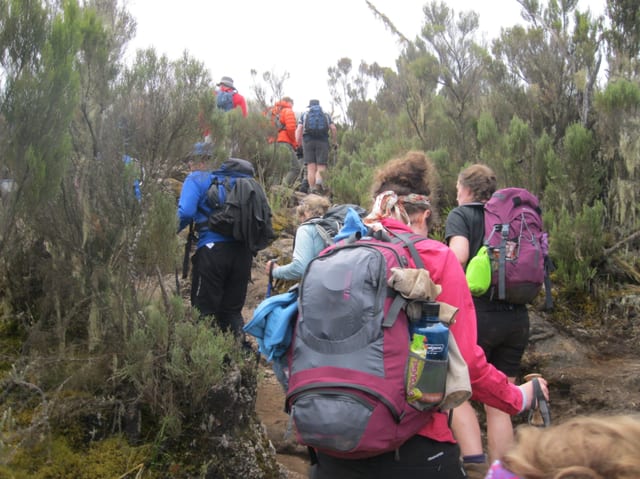
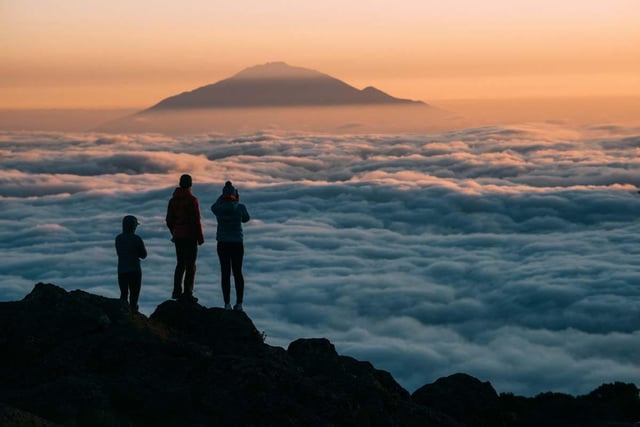
Vous quitterez Nairobi pour Nanyuki, puis commencerez l’ascension par Sirimon avec une randonnée jusqu’à Old Moses Camp et une progression mesurée vers Point Lenana. Le matin de l’ascension commence dans l’obscurité ; par temps dégagé, vous pourrez voir le Kilimandjaro, le mont Elgon et même un aperçu de l’océan Indien depuis le sommet. La descente par Chogoria est le chemin le plus pittoresque, à travers la vallée des Gorges en direction de Road Head.
Les guides de montagne et l’équipe s’occupent des refuges, des repas et des contrôles de sécurité afin que vous puissiez vous concentrer sur la marche et l’acclimatation. Les nuits à Nairobi encadrent le trek. Nous garderons l’itinéraire flexible en fonction de vos dates.
Vous travaillerez avec une équipe d’Arusha détenue localement, qui conçoit et organise le voyage ; vos questions seront donc adressées à des personnes qui connaissent les montagnes d’Afrique de l’Est sur le terrain. Le fondateur a commencé comme porteur au Kilimandjaro, puis est devenu chauffeur-guide, ce qui influence la manière dont les ascensions sont rythmées, expliquées et encadrées, de Nairobi jusqu’au sentier.
Cette ascension par Sirimon et cette descente par Chogoria sont conçues pour favoriser une acclimatation progressive et offrir une descente plus pittoresque, tandis que les guides de montagne et l’équipe s’occupent des refuges, des repas et des contrôles de sécurité. Nous travaillons avec des équipes de montagne locales et gardons l’itinéraire flexible en fonction de vos dates, afin que vous puissiez vous concentrer sur la marche vers Point Lenana et les paysages en contrebas.
Pendant le trek, l’hébergement est assuré dans des refuges de montagne et des campements situés le long de l’itinéraire. Ceux-ci sont choisis pour favoriser l’acclimatation et offrir des étapes pratiques entre les journées de trek, avec des repas préparés par l’équipe d’assistance.
Avant et après l’ascension, l’hébergement à Nairobi offre un lieu confortable pour vous reposer, récupérer et préparer la suite de votre voyage. Cela permet de fractionner le trajet et d’assurer une expérience globale plus fluide.
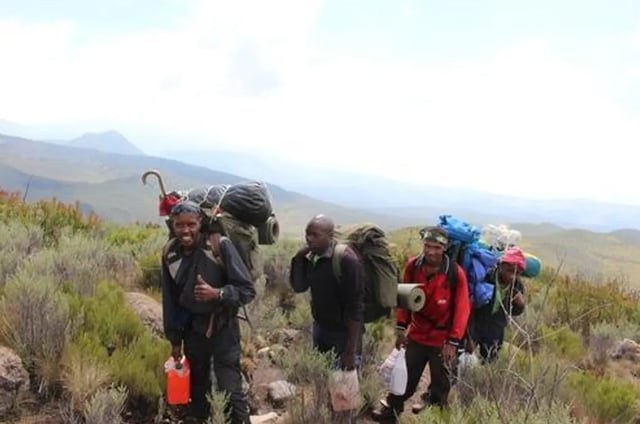
Les bâtons de randonnée sont recommandés pour améliorer la stabilité, notamment pendant les descentes, et un sac à dos léger est utile pour transporter vos affaires essentielles de la journée, tandis que le matériel principal est pris en charge par les porteurs.
Aucune expérience en escalade technique n’est requise pour cet itinéraire, car il s’agit d’un sommet de trek et non d’une ascension d’alpinisme technique. Les sentiers sont bien aménagés et l’accent est mis sur l’endurance plutôt que sur des compétences spécialisées.
Cependant, avoir déjà pratiqué la randonnée rendra le voyage plus agréable. Être à l’aise pour marcher plusieurs heures par jour sur un terrain accidenté vous aidera à vous adapter plus facilement aux exigences du trek.
Le trek est considéré comme modérément exigeant, principalement en raison de l’altitude plutôt que du terrain. Bien que la plupart des journées consistent en une marche régulière, la diminution du taux d’oxygène en altitude peut rendre plus exigeantes même les sections simples.
L’itinéraire est conçu pour progresser graduellement, afin de laisser à votre corps le temps de s’adapter. Avancer lentement, bien vous hydrater et suivre le rythme de votre guide sont essentiels pour gérer la difficulté.
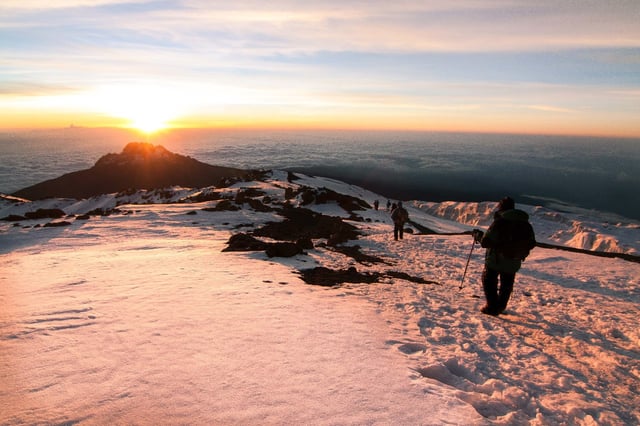
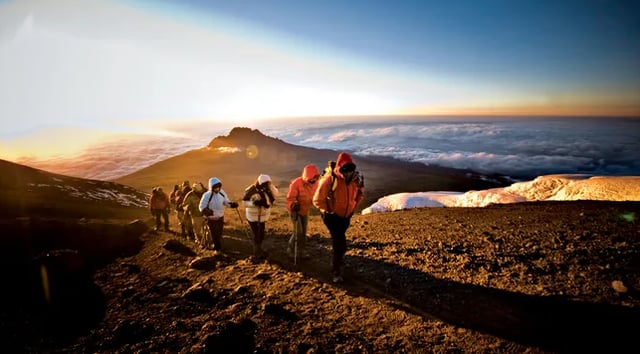
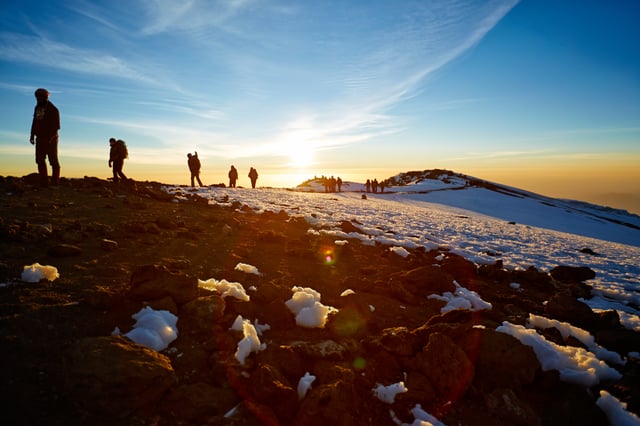
La journée du sommet commence très tôt, généralement vers 2:30am, par une montée régulière dans l’obscurité en direction de Point Lenana. L’objectif est d’atteindre le sommet au lever du soleil, lorsque les conditions sont les plus dégagées et les vues les plus belles.
Après avoir atteint le sommet, une longue descente vous attend encore. Vous redescendrez à une altitude plus basse le même jour, ce qui facilite la récupération, mais en fait aussi l’une des journées les plus exigeantes physiquement du voyage.
L’itinéraire comprend un gain d’altitude progressif et des étapes nocturnes conçues pour favoriser l’acclimatation. Les guides sont formés pour reconnaître les premiers signes du mal des montagnes et surveilleront votre état pendant tout le trek.
Si des symptômes apparaissent, l’équipe interviendra rapidement, notamment en ralentissant le rythme ou en redescendant si nécessaire. Votre sécurité reste toujours la priorité.
L’hébergement est assuré dans des refuges de montagne ou des campements, selon l’itinéraire et les conditions. Ces hébergements sont simples mais adaptés à l’environnement, offrant un abri basique et un endroit où vous reposer entre les journées de trek.
Les repas sont préparés par l’équipe d’assistance et vous aurez accès à des plats et boissons chauds pendant toute l’ascension, ce qui est important pour maintenir votre niveau d’énergie.
Tous les repas sont inclus en montagne et préparés par l’équipe d’assistance. La nourriture est conçue pour être consistante et adaptée au trekking en altitude, avec un mélange de plats chauds et d’en-cas.
De l’eau potable est également fournie et vous serez encouragé à rester hydraté pendant toute l’ascension, ce qui est essentiel à la fois pour vos performances et votre acclimatation.

À propos du centre
Nairobi
Géré par Nature Bound Africa, partenaire de adventuro.
Kilimanjaro & Arusha, Tanzania
À partir de $3805
Kilimanjaro & Arusha, Tanzania
À partir de $3618
Kilimanjaro & Arusha, Tanzania
À partir de $4266
Kilimanjaro & Arusha, Tanzania
À partir de $4417
Kilimanjaro & Arusha, Tanzania
À partir de $5460
Kilimanjaro & Arusha, Tanzania
À partir de $2200
Kilimanjaro & Arusha, Tanzania
À partir de $2200
Kilimanjaro & Arusha, Tanzania
À partir de $2200
Kilimanjaro & Arusha, Tanzania
À partir de $2200
Kilimanjaro & Arusha, Tanzania
À partir de $2200
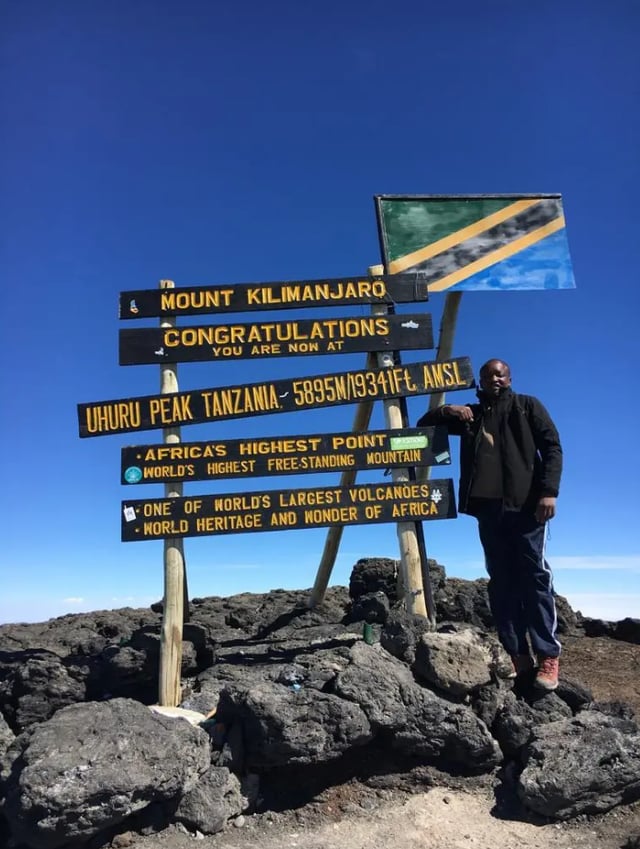
Kilimanjaro & Arusha, Tanzania
À partir de $2200