We partner with Rewilding Britain to help protect our natural spaces for future adventures.
All centres are vetted for safety and quality. Your adventure is in good hands with adventuro.
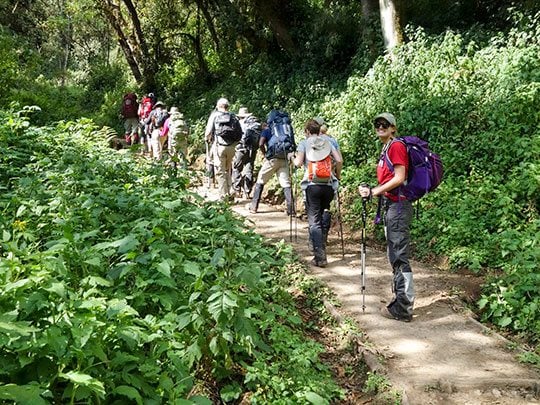
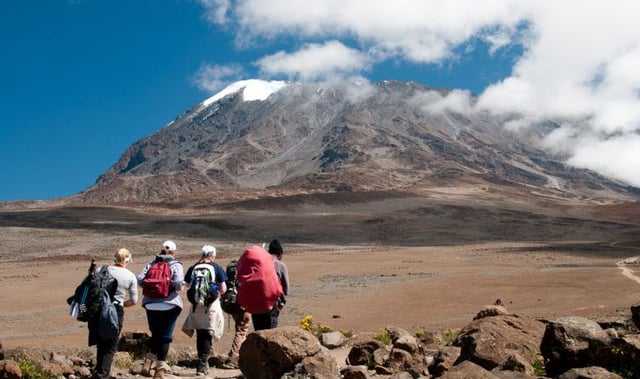
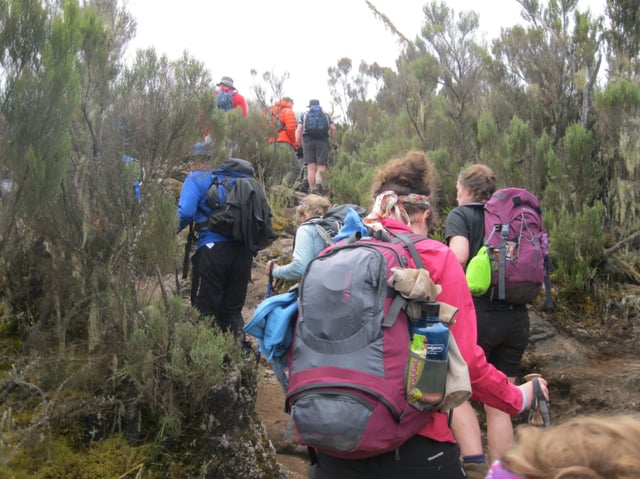
Vous partirez d’Arusha et entrerez au Kilimandjaro par l’ouest, à Londorossi, en empruntant un sentier forestier paisible jusqu’à Big Tree Camp, avant que le chemin ne débouche sur le plateau de Shira. Les journées progressent en douceur à travers les landes, le désert alpin et les vallées glaciaires, avec une nuit au camp du cratère après le sommet de Stella Point. Les guides maintiennent une allure pole-pole, les porteurs déplacent le camp et les cuisiniers servent trois repas afin que vous puissiez vous concentrer sur la marche et l’acclimatation.
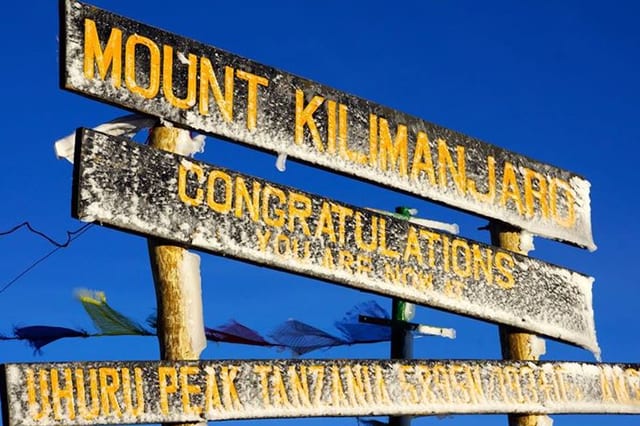
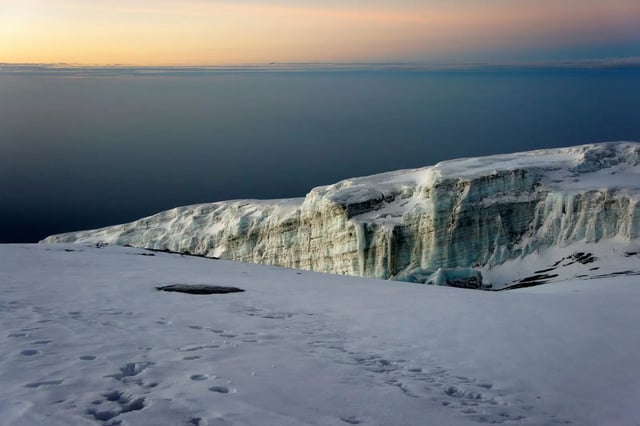
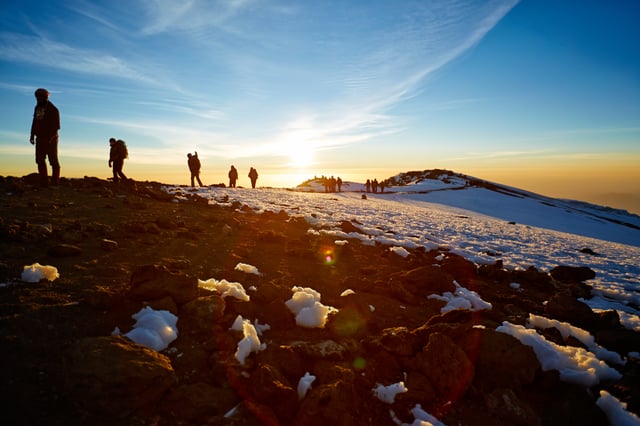
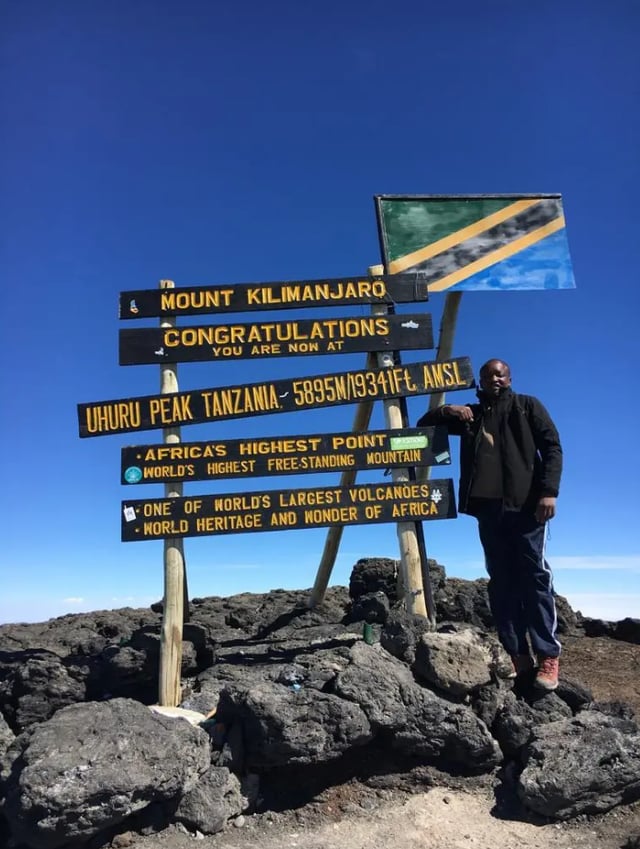
Le jour du sommet, vous gravissez la crête du cratère jusqu’au pic Uhuru, puis descendez à travers le désert, les landes et la forêt tropicale jusqu’à Mweka. Les jours supplémentaires sur la voie Lemosho sont consacrés au gain d’altitude et aux paysages, plutôt qu’à une progression précipitée. Les nuits à Arusha encadrent le trek : vous arrivez après un briefing et repartez avec le temps de vous reposer avant votre vol.
Cette entreprise d’Arusha, détenue localement, est spécialisée dans les ascensions du Kilimandjaro sur mesure avec des équipes de montagne professionnelles. Vous échangez avec les personnes qui organisent les journées sur la voie Lemosho, et non avec un centre d’appels générique ; l’itinéraire peut être adapté à votre condition physique et à vos dates de voyage.
Lemosho est leur approche panoramique par l’ouest : forêt, plateau de Shira, désert alpin et option de camp dans le cratère avant le sommet de Stella Point. Les guides suivent votre acclimatation, les porteurs s’occupent des tentes et des repas, et les jours supplémentaires permettent de vivre une expérience du Kilimandjaro plus complète et moins précipitée.
En montagne, l’hébergement se fait sous des tentes bien situées, équipées de matelas en mousse, de couvertures et d’oreillers. Des tentes-repas servent trois repas par jour, tandis que les porteurs s’occupent de toute l’installation, de la cuisine et de la logistique du camp. Les campements sont choisis pour leur sécurité, leurs vues panoramiques et leur accès pratique aux points d’eau lorsque cela est possible.
À Arusha, les séjours avant et après le trek à Maura Apartment comprennent des chambres privées avec salle de bains, douches et équipements hôteliers. Ces deux nuits permettent aux grimpeurs de se reposer, de s’adapter à l’altitude et de se préparer au trek ou de récupérer après celui-ci. Des guides sont disponibles pour les briefings et les vérifications de l’équipement avant et après l’ascension.
L’hébergement en montagne se fait sous des tentes durables de haute qualité, équipées de matelas en mousse, d’oreillers et de couvertures pour assurer votre confort pendant le trek. Des tentes-repas servent trois repas nutritifs par jour, préparés par l’équipe d’assistance. Les campements sont choisis stratégiquement pour leur sécurité, leur accès à l’eau et leur environnement panoramique, afin d’offrir aux grimpeurs une expérience sûre et agréable.
Les nuits avant et après le trek à Arusha se déroulent à Maura Apartment, qui propose des chambres privées avec salles de bains et douches attenantes. Ces nuits permettent aux grimpeurs de se reposer, de s’adapter aux changements d’altitude et de se préparer au trek ou de récupérer après celui-ci. Les guides sont présents pour aider à vérifier l’équipement et répondre aux questions, afin que l’hébergement réponde à tous les besoins pratiques pendant l’expédition.
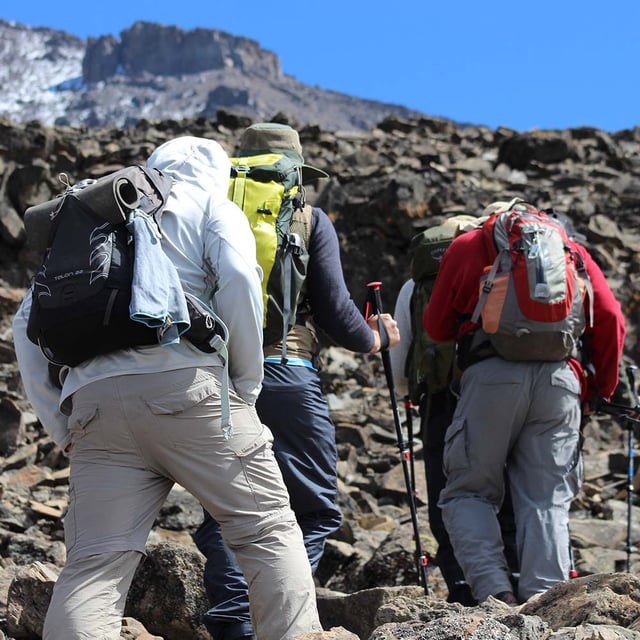
La voie Lemosho est considérée comme modérée à exigeante, avec des treks quotidiens de 3 à 9 heures sur 5–14 km de terrains variés, notamment des sentiers forestiers, des landes, des déserts alpins, des pentes d’éboulis et des crêtes rocheuses près du sommet. La journée du sommet est la plus exigeante : elle commence aux premières heures du jour et nécessite une allure mesurée ainsi que des pauses régulières pour gérer les effets de l’altitude.
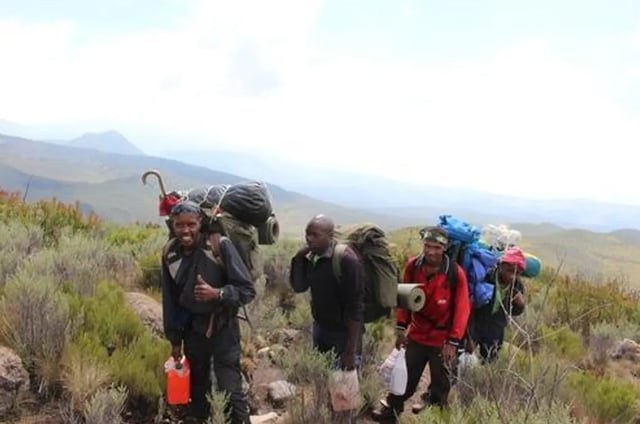
Les grimpeurs bénéficient du soutien de guides, de porteurs et de cuisiniers expérimentés qui transportent l’équipement, installent les camps et préparent les repas. L’itinéraire comprend des journées d’acclimatation dans des camps stratégiques, et les guides surveillent les signes du mal des montagnes, adaptant l’allure et donnant des conseils sur l’hydratation, la nutrition et le repos. Cela garantit la sécurité tout en offrant une approche structurée pour atteindre le plus haut sommet d’Afrique’s.
Tous les repas en montagne sont inclus et préparés frais par l’équipe de trek. Le petit-déjeuner se compose généralement de porridge, de pain et de thé ou de café, tandis que le déjeuner associe sandwiches, pâtes ou plats de riz avec des légumes et des protéines. Le dîner comprend généralement un repas chaud et équilibré avec soupe, féculents, protéines et légumes, conçu pour fournir l’énergie nécessaire au trek du lendemain’s.
Des en-cas, des fruits et des boissons chaudes sont servis tout au long de la journée, et les grimpeurs sont encouragés à rester hydratés en utilisant l’eau bouillie fournie par l’équipe d’assistance. Les régimes alimentaires particuliers, comme les repas végétariens ou sans gluten, peuvent généralement être pris en compte si vous nous en informez à l’avance.
Oui, le mal des montagnes est possible, car le Kilimandjaro atteint 5,895 m au pic Uhuru. Les symptômes peuvent inclure des maux de tête, des nausées, des vertiges et de la fatigue. L’itinéraire est conçu avec des journées d’acclimatation et des gains d’altitude progressifs afin de réduire le risque de problèmes liés à l’altitude.
Les guides surveillent l’état de chaque grimpeur, donnent des conseils sur l’hydratation et le repos et peuvent adapter l’allure si nécessaire. De l’oxygène d’urgence est disponible si besoin, et les grimpeurs sont invités à signaler immédiatement tout symptôme. Il est recommandé d’adopter l’approche «“pole pole”», c’est-à-dire une allure lente et régulière, pendant tout le trek.
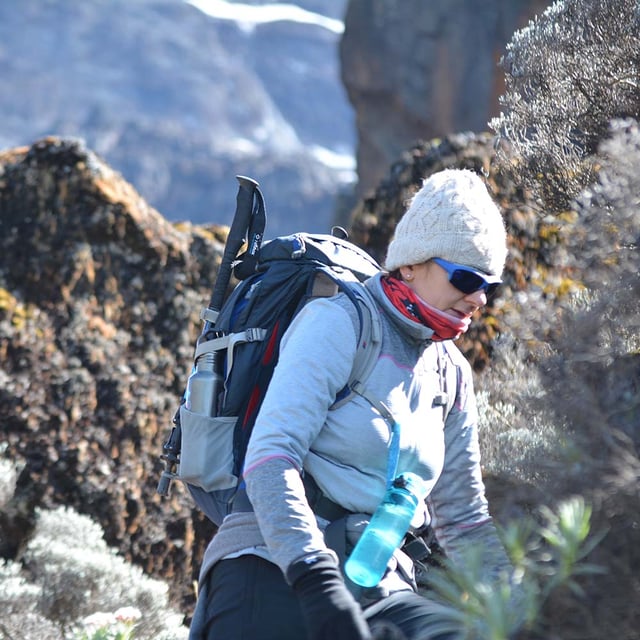
Les grimpeurs doivent prévoir de solides chaussures de randonnée, des vêtements superposés adaptés au froid, à l’humidité et au vent, des gants, des bonnets et un sac de couchage chaud conçu pour des températures inférieures à zéro. Des bâtons de trekking, des lunettes de soleil, de la crème solaire et un sac à dos pour les effets personnels sont également indispensables.
L’équipe d’assistance fournit les tentes, les matelas, les oreillers et les couverts : vous n’avez donc besoin que de vos effets personnels. Certains équipements d’alpinisme spécialisés, comme les crampons ou les guêtres, peuvent être loués sur place si nécessaire. Les guides vous conseillent sur les affaires à emporter et veillent à ce que tous les grimpeurs soient correctement équipés avant le départ.
Les groupes vont généralement de petites équipes privées à des groupes de taille moyenne de 8–12 grimpeurs, selon la saison. Les petits groupes bénéficient d’une attention plus personnalisée de la part des guides et des porteurs, tandis que les groupes plus importants offrent souvent une atmosphère plus animée et davantage d’échanges.
Le nombre de porteurs et de guides est adapté à la taille du groupe, afin que tout l’équipement soit transporté et que les camps soient correctement gérés. Quelle que soit la taille du groupe, l’équipe de trek surveille attentivement la sécurité, l’allure et l’acclimatation.
De l’eau potable bouillie est fournie dans tous les camps, pour vous hydrater sans risque de maladie. Tous les repas sont préparés dans des conditions propres par l’équipe d’assistance, qui respecte des normes d’hygiène strictes pour prévenir les maladies d’origine alimentaire.
Les grimpeurs doivent se laver régulièrement les mains, utiliser du gel désinfectant et éviter de boire l’eau non traitée des ruisseaux. Des en-cas énergétiques, des fruits et du thé ou du café sont également préparés chaque jour en toute sécurité pour maintenir une bonne nutrition et une bonne hydratation.

À propos du centre
Kilimanjaro
Géré par Nature Bound Africa, partenaire de adventuro.
Kilimanjaro & Arusha, Tanzania
À partir de $3618
Kilimanjaro & Arusha, Tanzania
À partir de $3805
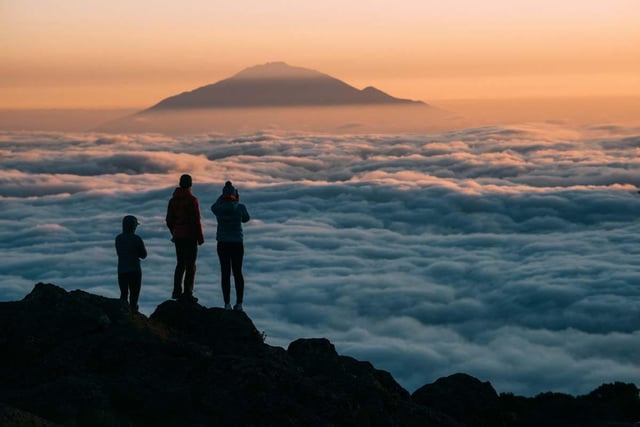
Kilimanjaro & Arusha, Tanzania
À partir de $4266
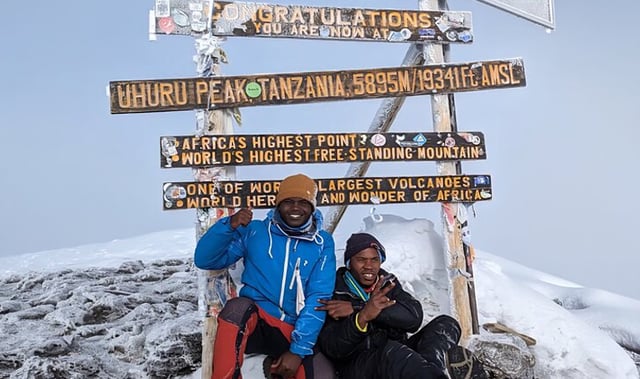
Kilimanjaro & Arusha, Tanzania
À partir de $2600
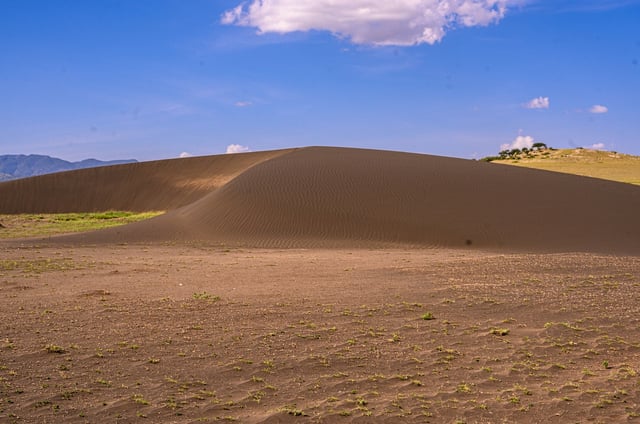
Kilimanjaro & Arusha, Tanzania
À partir de $5460
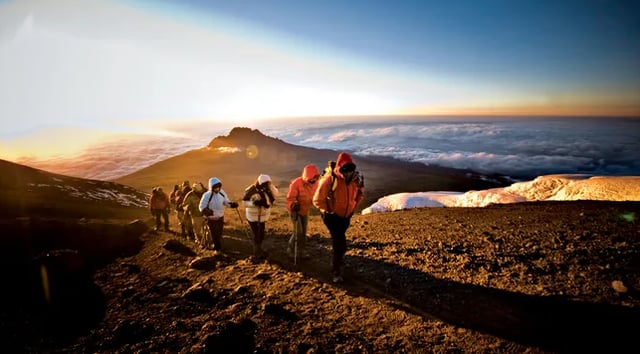
Kilimanjaro & Arusha, Tanzania
À partir de $2200
Kilimanjaro & Arusha, Tanzania
À partir de $2200
Kilimanjaro & Arusha, Tanzania
À partir de $2200
Kilimanjaro & Arusha, Tanzania
À partir de $2200
Kilimanjaro & Arusha, Tanzania
À partir de $2200
Nairobi & Ngong Hills, Kenya
À partir de $2860