We partner with Rewilding Britain to help protect our natural spaces for future adventures.
All centres are vetted for safety and quality. Your adventure is in good hands with adventuro.
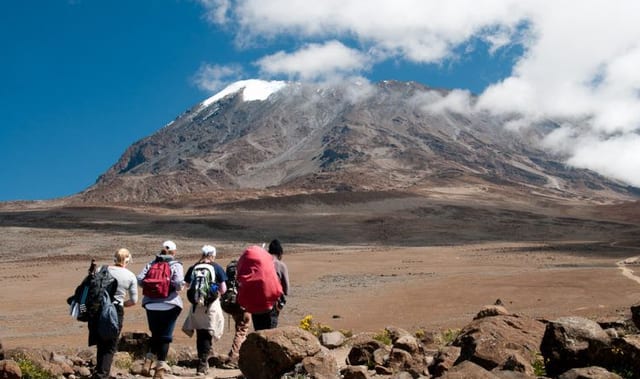
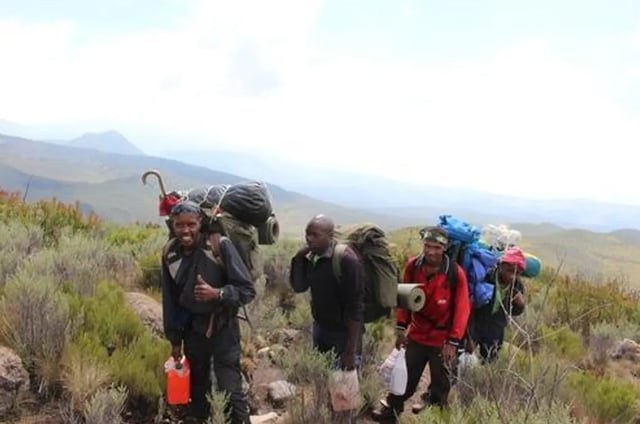
L’accès par Londorossi au plateau de Shira et au Northern Circuit est choisi pour ses sentiers plus calmes et son profil d’acclimatation plus progressif. Les guides, porteurs et cuisiniers voyagent avec vous, les repas et le camp sont organisés en montagne, et les jours supplémentaires à parcourir le nord sont prévus pour vous donner de meilleures chances d’atteindre progressivement l’Uhuru Peak. Vous commencerez par la porte ouest, et non par les portes sud très fréquentées.
Après la traversée du nord, la nuit du sommet et la descente par Mweka suivent la même arrivée sur la haute crête que les autres itinéraires longs. Nous maintiendrons un rythme quotidien lent et des campements isolés. Les nuits à Arusha encadrent le trek.
Les itinéraires du Kilimandjaro sont proposés par une entreprise d’Arusha détenue localement, spécialisée dans les ascensions et safaris sur mesure. L’équipe en montagne est formée aux conditions d’altitude, et vous pouvez poser vos questions aux personnes qui organisent réellement le trek avant de réserver.
L’accès par Londorossi au plateau de Shira et au Northern Circuit est choisi pour ses sentiers plus calmes et son profil d’acclimatation plus progressif. Les guides, porteurs et cuisiniers voyagent avec vous, les repas et le camp sont organisés en montagne, et les jours supplémentaires à parcourir le nord sont prévus pour vous donner de meilleures chances d’atteindre progressivement l’Uhuru Peak.
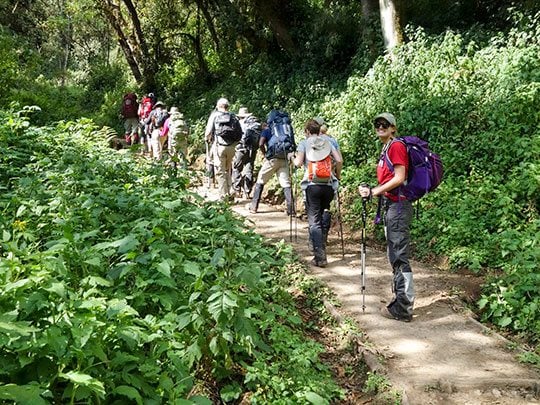
Après un départ matinal, vous quitterez Arusha en direction de la porte de Londorossi pour l’enregistrement et les permis. De là, vous continuerez sur une piste forestière à bord d’un véhicule 4x4, traversant souvent une forêt dense avant d’atteindre le point de départ du trek. La randonnée commence sur un sentier régulier à travers la forêt, qui s’ouvre progressivement à mesure que vous montez vers le plateau de Shira.
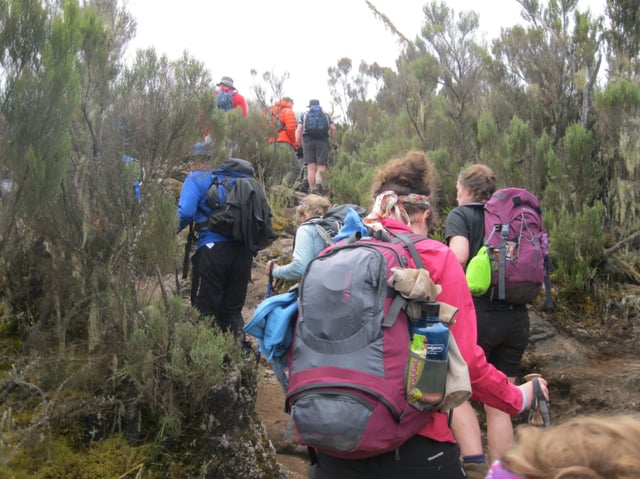
À mesure que la végétation change, le paysage devient plus ouvert et offre de vastes panoramas sur le plateau. Le trek se poursuit pendant plusieurs heures à un rythme confortable avant d’atteindre le camp Shira 2, où vous vous installerez pour votre première nuit en montagne à l’altitude.
En quittant le camp, le sentier monte progressivement à travers le plateau et la lande d’altitude. Le terrain devient plus exposé, avec des formations rocheuses volcaniques et des crêtes dégagées. Vous passez près de Lava Tower, un point important pour l’acclimatation, où l’augmentation de l’altitude devient plus sensible.
Après avoir passé du temps à cette altitude plus élevée, l’itinéraire se poursuit vers Moir Hut, en descendant légèrement pour dormir à une altitude plus basse. Cette approche “monter haut, dormir bas” aide votre corps à s’adapter tout en vous laissant le temps de prendre le rythme du trek.
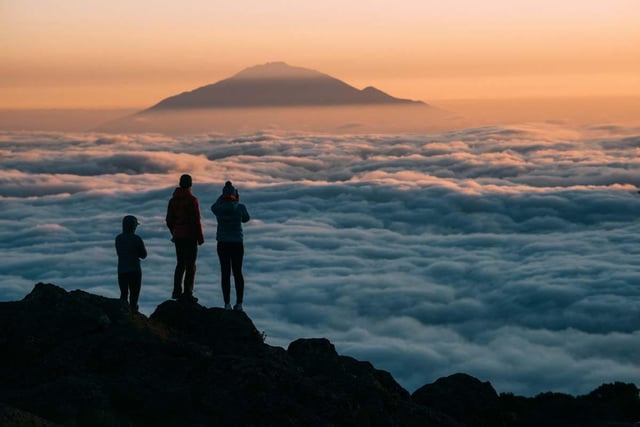
L’itinéraire quitte maintenant les sentiers les plus fréquentés et rejoint le Northern Circuit, l’une des sections les plus calmes du Kilimandjaro. Le sentier monte régulièrement le long des crêtes, avec de longues vues dégagées s’étendant vers le Kenya.
Cette journée comprend plusieurs heures de randonnée sur un terrain isolé, avec moins de groupes autour de vous et une véritable sensation d’espace. L’arrivée au campement de Pofu offre l’occasion de vous reposer et de profiter des environs, tandis que les versants nord de la montagne’s semblent très éloignés des itinéraires plus fréquentés.
En poursuivant sur le Northern Circuit, le sentier traverse une succession de vallées et de crêtes douces. Le rythme reste régulier pour favoriser l’acclimatation, avec des pauses régulières prévues au cours de la journée.
Le terrain alterne entre sections rocheuses et espaces plus ouverts, tandis que le paysage devient de plus en plus sec et aride. Lorsque vous atteindrez le camp Third Caves, vous aurez passé plusieurs jours en altitude, ce qui aidera votre corps à s’adapter avant l’effort final vers le sommet.
Cette étape commence par une descente progressive avant de traverser vers le versant sud de la montagne. À l’approche de Kibo, l’environnement devient plus désertique, avec des roches volcaniques meubles et de vastes pentes dégagées.
En arrivant au camp Kibo dans l’après-midi, vous aurez le temps de vous reposer, d’organiser votre équipement et de vous préparer à l’ascension du sommet. Un dîner matinal est suivi de quelques heures de sommeil avant le début de l’ascension nocturne.
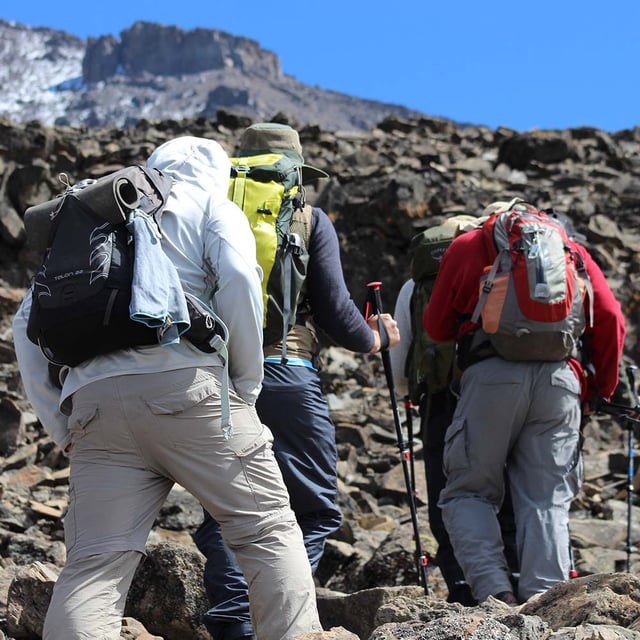
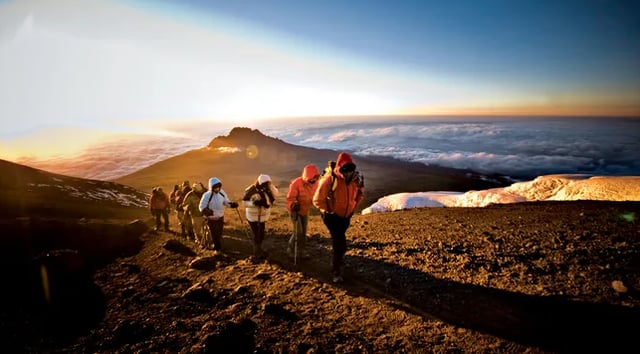
Vers minuit, vous commencez l’ascension finale à la lumière de votre lampe frontale. La montée est régulière mais exigeante, suivant des lacets escarpés à travers des éboulis et des roches volcaniques meubles. La progression est lente et mesurée, avec des arrêts réguliers pour contrôler votre respiration et économiser votre énergie.
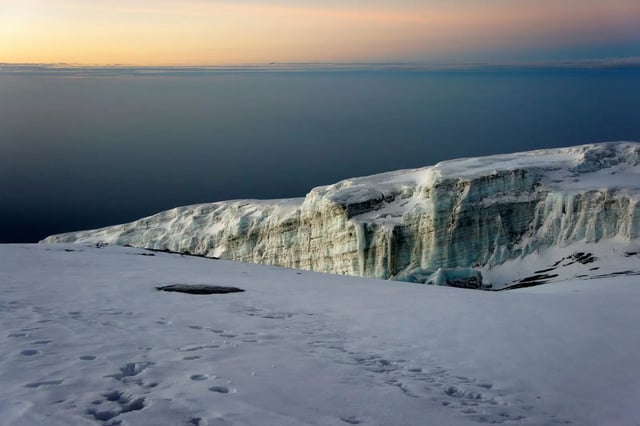
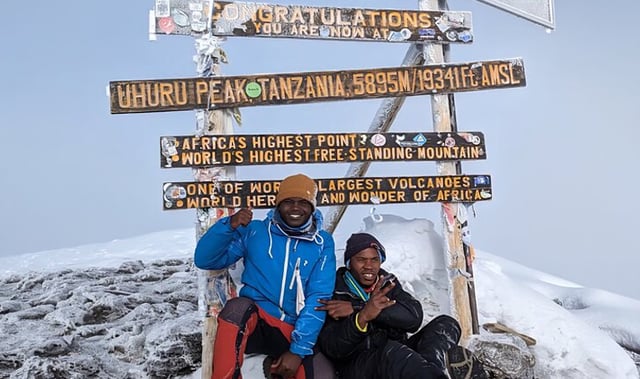
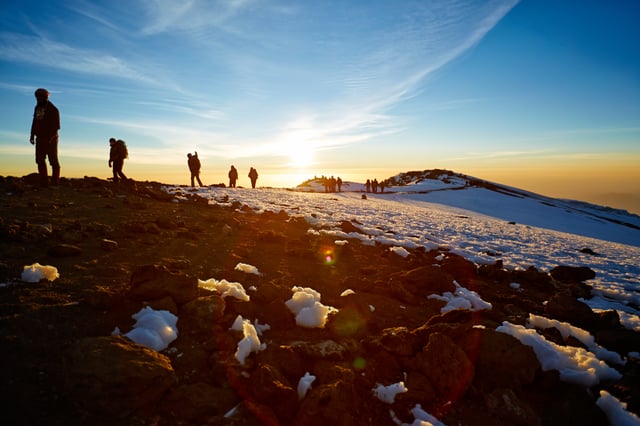
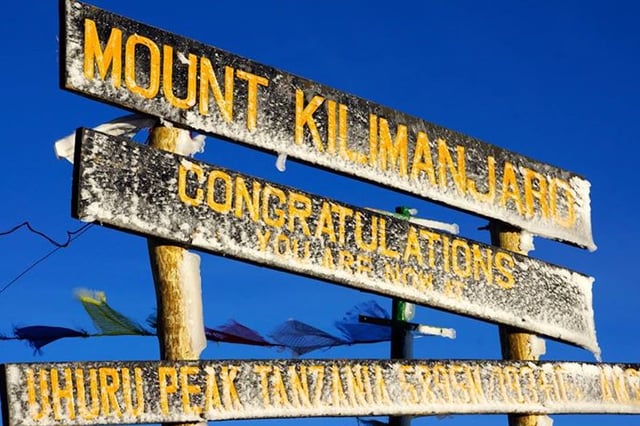
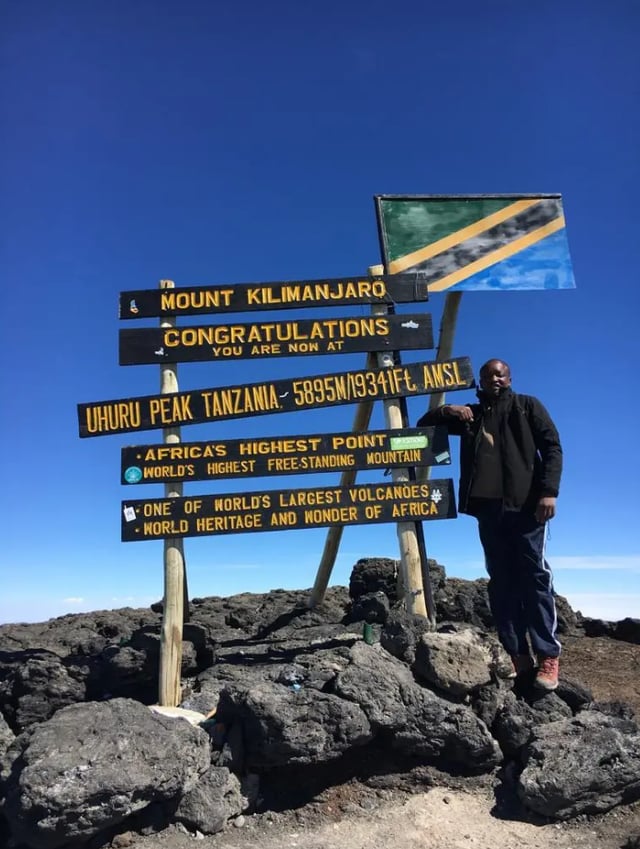
Atteindre Gilman’s Point sur le bord du cratère marque une étape majeure. De là, la dernière portion jusqu’à l’Uhuru Peak suit la crête, avec des conditions qui varient selon la saison. Après avoir atteint le sommet et admiré les paysages, vous entamez la descente, repassez par le camp Kibo puis continuez jusqu’au camp Millennium pour la nuit.
La descente se poursuit à travers des zones de végétation changeantes, passant du terrain alpin à la forêt. Le sentier devient plus facile sous les pieds à mesure que vous perdez de l’altitude, et l’air se réchauffe.
À la porte de Mweka, vous terminez le trek et recevez votre certificat d’ascension. De là, vous serez transféré à Arusha pour une soirée confortable et du temps pour récupérer après l’ascension.
L’hébergement en montagne se fait sous tente sur des campements désignés, avec tout le matériel de camping fourni et géré par l’équipe d’assistance. Chaque campement est installé à l’avance, ce qui vous permet d’arriver et de vous reposer sans avoir à organiser vous-même l’installation.
Avant et après l’ascension, vous séjournerez dans un hébergement à Arusha, offrant un environnement plus confortable pour vous préparer au trek et récupérer ensuite.
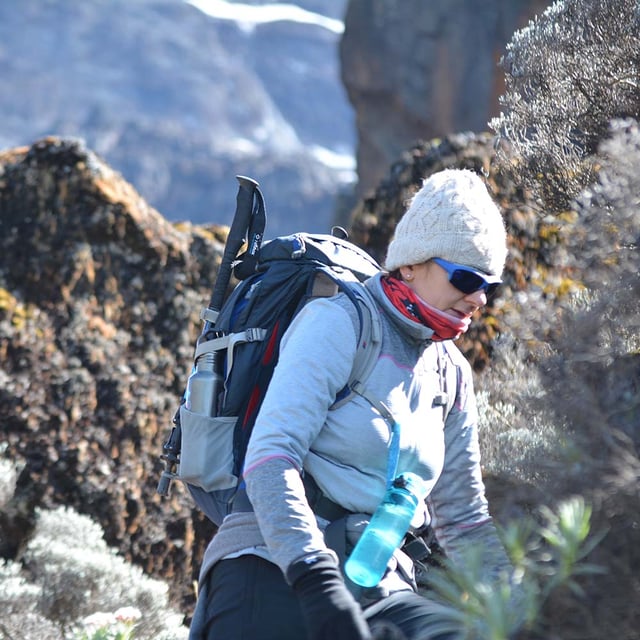
Vous aurez besoin de vêtements superposables adaptés aux conditions chaudes comme froides, car les températures varient considérablement avec l’altitude. Les vestes isolantes, les couches imperméables, les gants et les bonnets sont indispensables, en particulier pour la nuit du sommet.
Des chaussures de randonnée confortables et déjà bien rodées sont essentielles, ainsi qu’un sac de couchage adapté aux conditions froides. Une lampe frontale, des bâtons de randonnée et un sac à dos léger pour les essentiels de la journée contribueront également à rendre l’ascension plus accessible.
Cet itinéraire est physiquement exigeant en raison de l’altitude et de sa durée, mais il ne présente pas de difficulté technique. L’itinéraire plus long aide votre corps à s’adapter progressivement, le rendant plus accessible que les ascensions plus courtes.
Une bonne condition physique et une préparation sérieuse feront une grande différence dans votre expérience.
Il est plus calme que de nombreux autres itinéraires du Kilimandjaro et offre une période d’acclimatation plus longue. La section du Northern Circuit offre également des paysages plus variés et moins de foule.
C’est donc une excellente option pour ceux qui recherchent une ascension plus isolée et progressive.
La journée du sommet est la plus longue et la plus exigeante de l’ascension, prenant souvent 10–14 heures, montée et descente jusqu’au camp suivant comprises.
Elle demande de la détermination, mais les guides gèrent soigneusement le rythme pour accompagner le groupe.
Une équipe d’assistance complète accompagne le groupe, notamment des guides, des porteurs et des cuisiniers. Ils s’occupent de la logistique, transportent le matériel et préparent les repas.
Les guides surveillent également votre état de santé et adaptent le rythme si nécessaire tout au long du trek.
Les guides sont formés pour reconnaître les symptômes liés à l’altitude et adapteront le rythme ou recommanderont une descente si nécessaire. La sécurité est toujours notre priorité.
L’itinéraire plus long contribue à réduire les risques, mais il reste important d’écouter son corps.
Les repas sont préparés sur place par un cuisinier qui voyage avec le groupe. Vous recevrez régulièrement des repas conçus pour vous fournir l’énergie nécessaire à la randonnée en altitude.
Les besoins alimentaires particuliers peuvent généralement être pris en compte s’ils sont signalés à l’avance.
Cet itinéraire convient aux personnes qui effectuent leur première ascension et disposent d’une bonne condition physique. Aucune compétence technique en escalade n’est requise, mais une bonne préparation est importante.
Un entraînement préalable vous aidera à faire face aux exigences physiques du trek.

À propos du centre
Kilimanjaro
Géré par Nature Bound Africa, partenaire de adventuro.
Kilimanjaro & Arusha, Tanzania
À partir de $3618
Kilimanjaro & Arusha, Tanzania
À partir de $3805
Kilimanjaro & Arusha, Tanzania
À partir de $4266
Kilimanjaro & Arusha, Tanzania
À partir de $2600
Kilimanjaro & Arusha, Tanzania
À partir de $5460
Kilimanjaro & Arusha, Tanzania
À partir de $2200
Kilimanjaro & Arusha, Tanzania
À partir de $2200
Kilimanjaro & Arusha, Tanzania
À partir de $2200
Kilimanjaro & Arusha, Tanzania
À partir de $2200
Kilimanjaro & Arusha, Tanzania
À partir de $2200
Nairobi & Ngong Hills, Kenya
À partir de $2860