We partner with Rewilding Britain to help protect our natural spaces for future adventures.
All centres are vetted for safety and quality. Your adventure is in good hands with adventuro.
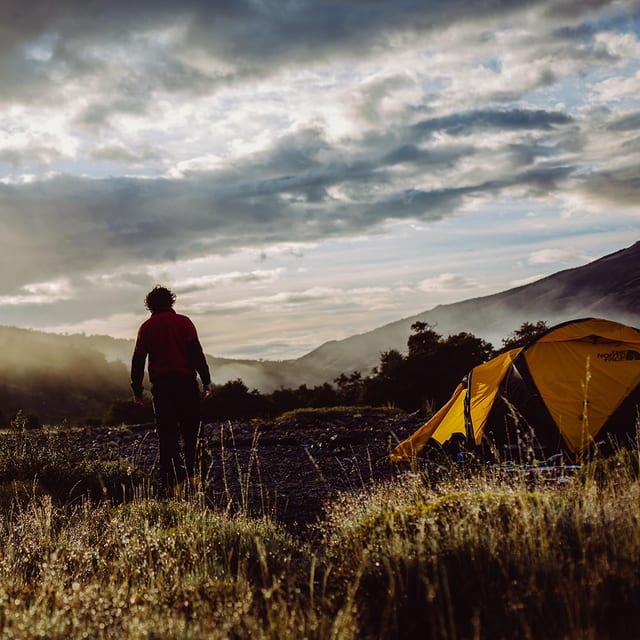
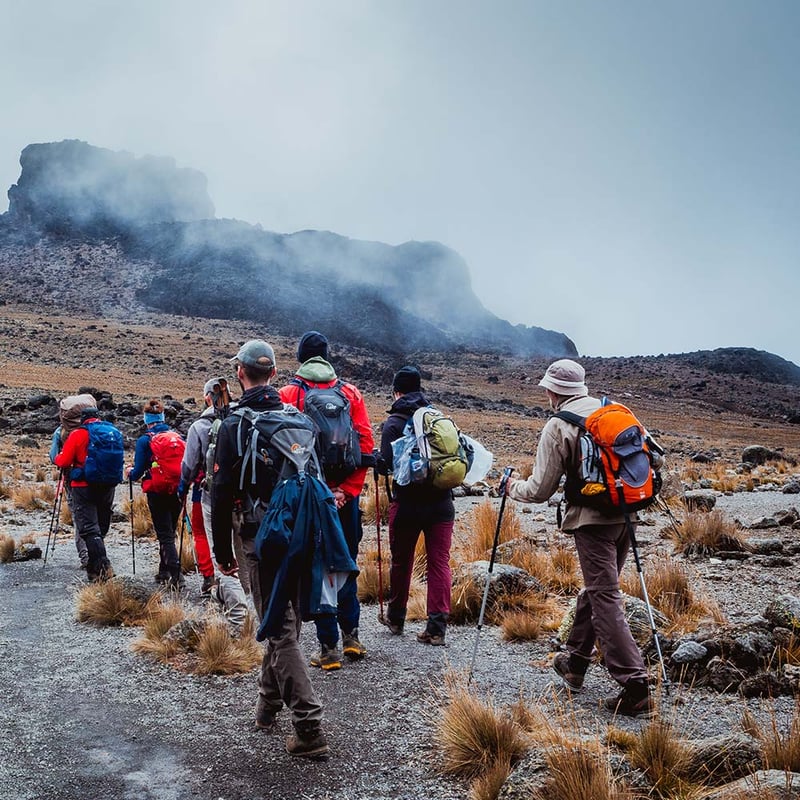
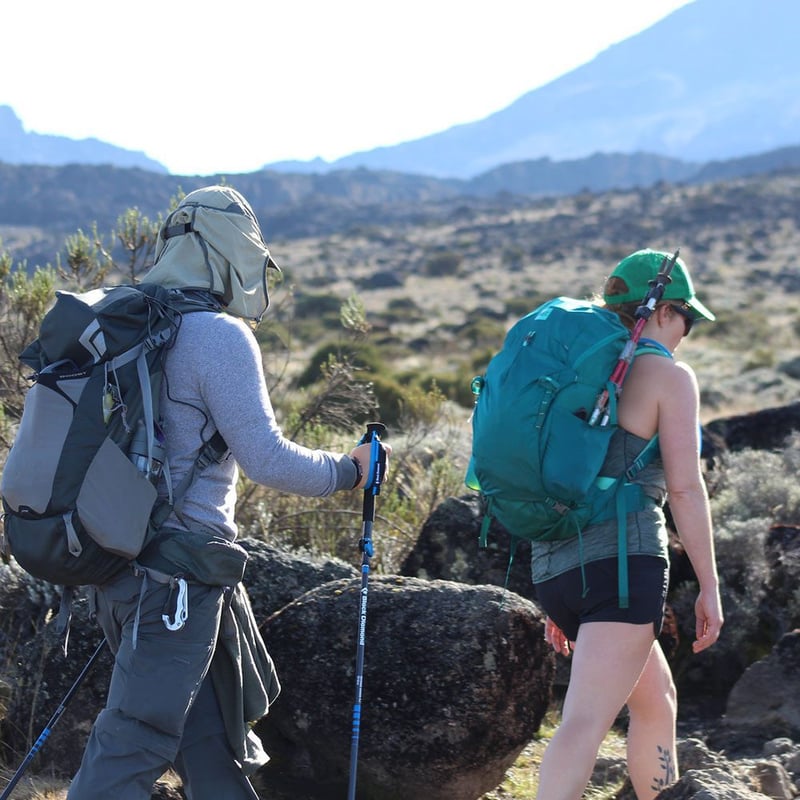
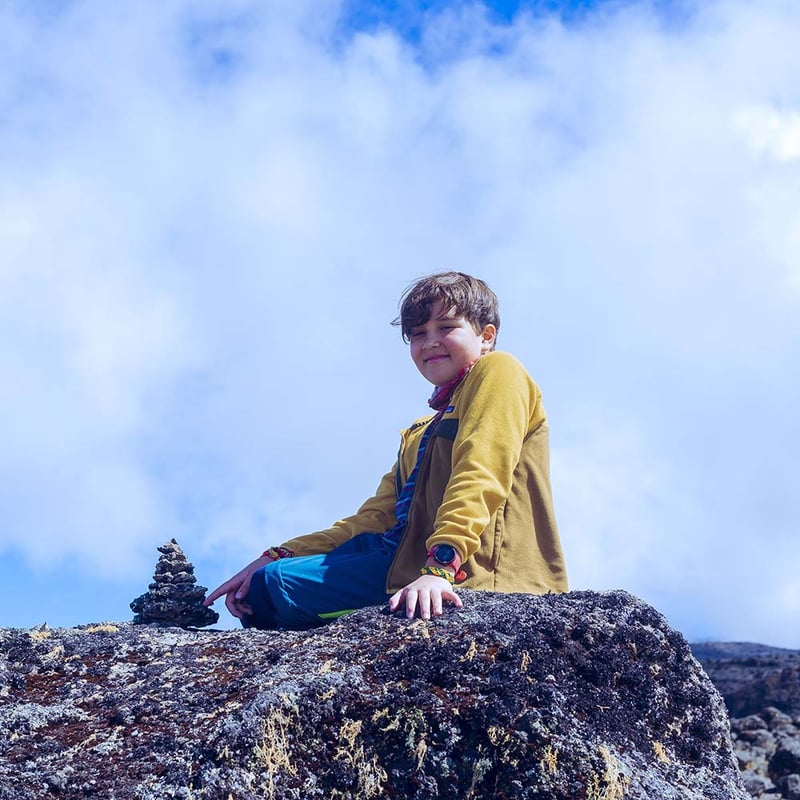
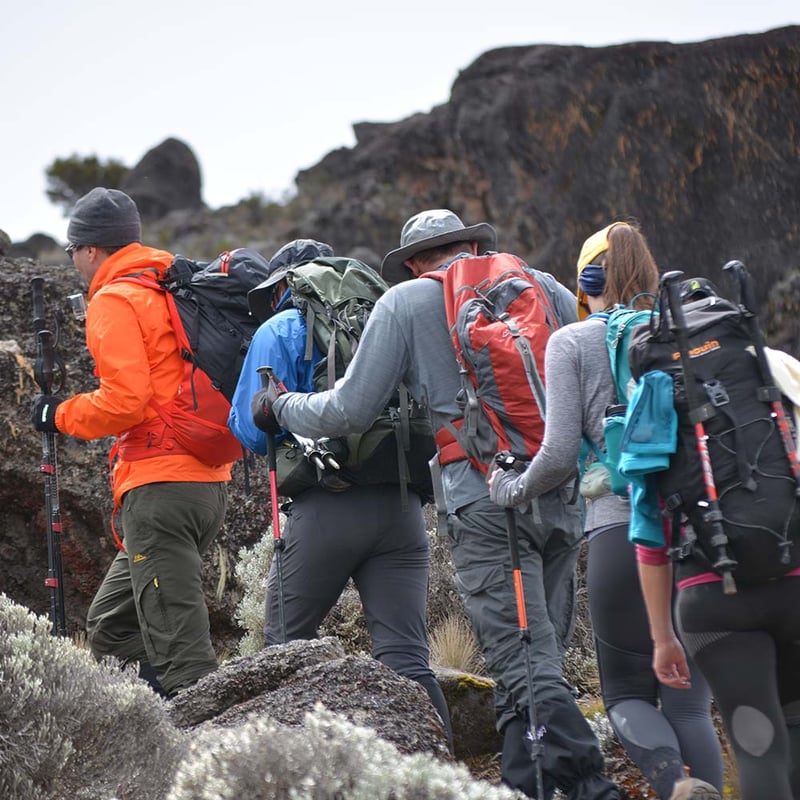
Esta ascensión de ocho días comienza en el lado occidental más tranquilo del Kilimanjaro, caminando desde la selva tropical hasta la Meseta de Shira antes de unirse a los senderos del sur para la cumbre. Las noches de hotel en Arusha se sitúan a ambos lados de la caminata, y un equipo completo transporta el campamento y la comida para que puedas llevar ligera tu propia mochila. La noche adicional entre Barranco y Barafu es lo que diferencia este programa de los planes más cortos por Lemosho.
Los primeros días transcurren por senderos más tranquilos de bosque y páramos, con fauna entre los árboles y amplias vistas al llegar a Shira. Más adelante, la ruta se une al camino meridional más concurrido en Lava Tower y Barranco, y después continúa con una salida a medianoche desde el campamento Barafu hasta Uhuru Peak. Marzo a mayo y noviembre son meses más húmedos, con barro en el bosque y más nubes en la montaña, pero la ascensión sigue adelante.
Los guías mantienen deliberadamente un ritmo lento para que el grupo pueda adaptarse a la altura. Los porteadores se adelantan para montar las tiendas, y tú caminas con una pequeña mochila de día en lugar de una mochila completa. Los certificados de cumbre se entregan en la Puerta de Mweka. A continuación se detalla el desglose día a día de los campamentos, las distancias y los tiempos de caminata.
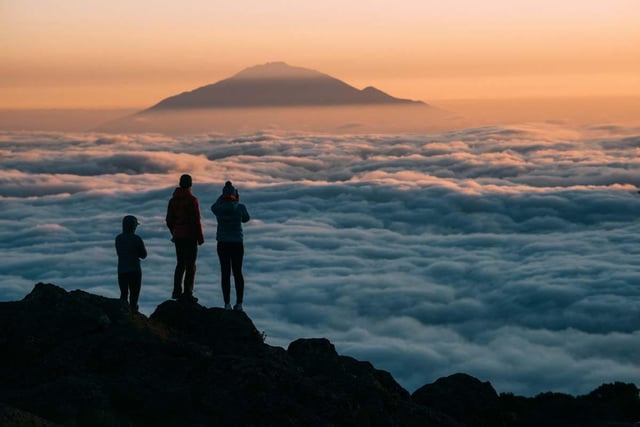
Arusha es la base habitual, a poca distancia en coche del Aeropuerto Internacional del Kilimanjaro y con vistas al monte Meru. El inicio del sendero en la Puerta de Londorossi está más al oeste, y se llega a él atravesando zonas agrícolas y bosque por un lado más tranquilo de la montaña.
Como este acceso recibe menos senderistas que Machame o Marangu, los primeros campamentos se sienten apartados. Arusha cuenta con hoteles, restaurantes y tiendas de equipo, algo práctico la noche antes de empezar y la tarde en que bajas de la montaña.
No se requieren conocimientos de escalada. Sí necesitas una buena condición física general y poder caminar varias horas al día por senderos irregulares, incluida una trepada en el Barranco Wall en la que se usan las manos y los pies sobre la roca.
Es recomendable hacerse una revisión médica si tienes problemas cardíacos, pulmonares o de presión arterial. Avísale pronto al guía si te encuentras mal en altura; darse la vuelta forma parte de una ascensión segura, no es un fracaso.
El plan de ocho días divide el tramo de Barranco a Barafu para que llegues al campamento alto menos agotado que en los itinerarios más cortos. Una revisión del equipo en Arusha la noche anterior permite alquilar localmente el material que falte en lugar de comprarlo deprisa.
Los guías de montaña acreditados, un equipo completo de porteadores y cocineros, el oxígeno y la cobertura de AMREF forman parte del viaje. Tú te concentras en caminar y comer; el equipo se encarga del campamento.
Un conductor te recibirá en el Aeropuerto Internacional del Kilimanjaro y te llevará al hotel en Arusha. Esa tarde, tu guía repasará los días siguientes, revisará tus botas y capas, y anotará cualquier cosa que aún necesite alquilarse antes de salir por la mañana.
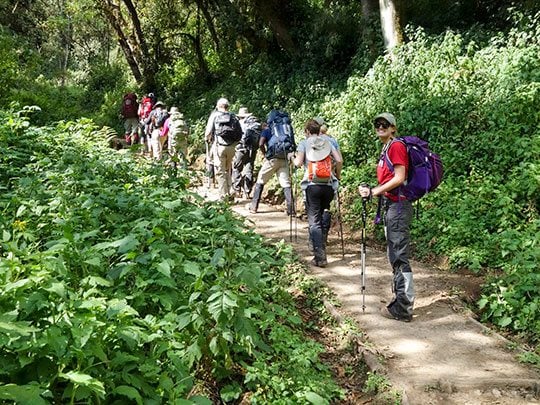
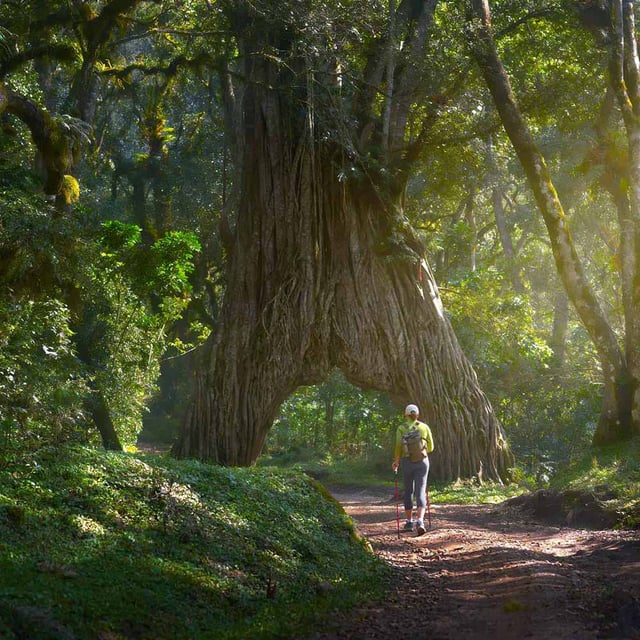
Después del desayuno conducirás hasta la Puerta de Londorossi, te registrarás y comenzarás a caminar por la selva tropical afromontana. El sendero mide unas cuatro millas y requiere entre tres y cuatro horas, con una parada para almorzar durante el trayecto. El Campamento Forestal se encuentra a unos 2,900 metros, y el equipo habrá montado las tiendas antes de tu llegada.
Dejas atrás los árboles y entras en una zona de brezos y líquenes mientras el camino asciende hacia la Meseta de Shira. Entre cinco y seis horas de caminata cubren unas cinco millas, con el Kibo a menudo visible por la tarde. El Campamento Shira 1 se encuentra a unos 3,500 metros y las noches aquí ya son frías.
Una travesía más larga por la meseta te lleva a Moir Hut, a unos 4,200 metros. Las caminatas opcionales por la tarde en las colinas de Lent añaden un poco más de altura antes de regresar al campamento, lo que ayuda al cuerpo a seguir adaptándose. La cena se sirve en la tienda comedor cuando amaina el viento.
El camino asciende por un desierto alpino hasta Lava Tower para almorzar y después desciende al valle de Barranco. Perder altura después de alcanzar un punto elevado es una aclimatación deliberada. El Campamento Barranco se encuentra bajo unos acantilados, con senecios gigantes en el valle y amplias vistas sobre las llanuras.
La mañana está dedicada al Barranco Wall, una trepada empinada que parece peor desde abajo de lo que se siente sobre la roca. Después del muro, el sendero avanza suavemente hasta el Campamento Karanga, una jornada más corta que aun así transcurre a gran altura. Desde el campamento, la puesta de sol suele iluminar los glaciares del Kibo.
Unas horas sobre pedregal te llevan al Campamento Barafu, el punto de partida para la cumbre. El lugar es rocoso, ventoso y expuesto, así que la tarde se dedica a descansar, cenar temprano y preparar el frontal, las capas abrigadas y los tentempiés para comenzar de noche.
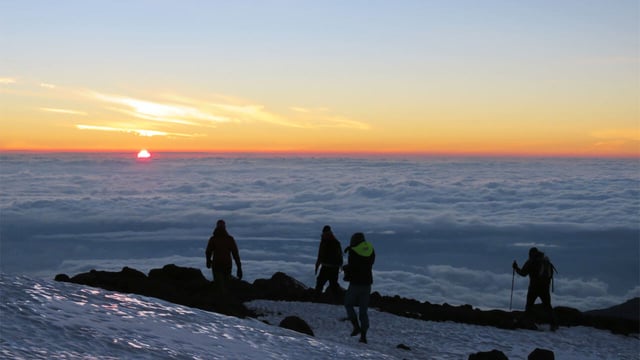
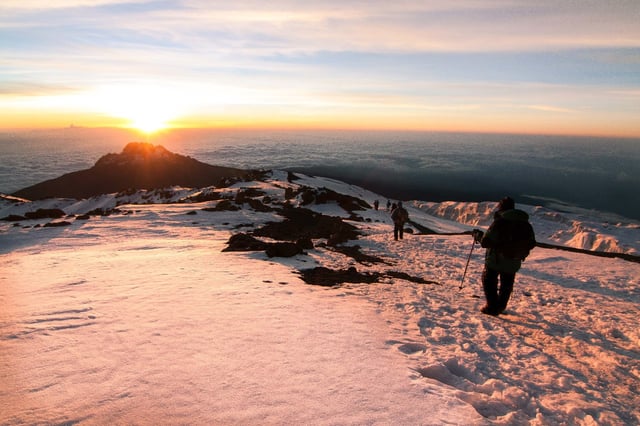
Sales alrededor de medianoche, ascendiendo por el pedregal a oscuras hasta Stella Point, en el borde del cráter, y después continúas hasta Uhuru Peak a 5,895 metros. Después de las fotografías desciendes con cuidado hasta el Campamento Mweka, una jornada larga que puede durar doce horas o más desde la salida hasta la tienda.
Una caminata final por el bosque montano llega a la Puerta de Mweka, donde registras tu salida y recoges un certificado de cumbre. El equipo celebra en la puerta y después vuelves a Arusha para ducharte y pasar una noche en una cama de verdad antes del traslado al aeropuerto al día siguiente.
Te recibirán en el Aeropuerto Internacional del Kilimanjaro y te llevarán a tu hotel en Arusha. A la mañana siguiente, el equipo te recogerá en ese hotel para conducir hasta la Puerta de Londorossi, en el lado occidental de la montaña.
Si ya te alojas en Moshi, indícalo al reservar para que la recogida pueda organizarse desde allí. No necesitas llegar por tu cuenta al inicio del sendero.
No necesitas cuerdas, crampones ni ninguna cualificación de escalada. El sendero de Lemosho es una ruta a pie desde la puerta hasta la cumbre, con una trepada en el Barranco Wall en la que se usan las manos y los pies sobre la roca, pero no equipo de escalada técnica.
Lo más importante es poder caminar varias horas al día, durante ocho días seguidos, mientras el aire se vuelve más escaso. Caminar con regularidad por colinas o hacer cardio constante durante los meses previos al viaje es la mejor preparación, y unas botas ya adaptadas te ayudarán más que un equipo completamente nuevo.
La mayoría de los días de caminata duran entre cuatro y siete horas, a un ritmo más lento del que quizá usarías en casa para que el grupo pueda adaptarse a la altura. Las distancias son moderadas; el esfuerzo se debe a la altitud, las noches frías y el cansancio acumulado de acampar.
La noche de la cumbre es la más larga. Sales de Barafu alrededor de medianoche, llegas a Uhuru Peak cerca del amanecer y luego desciendes una larga distancia ese mismo día. Incluye ese día en tu entrenamiento como una salida muy larga, no como una caminata normal por la montaña.
La edad mínima es 16 años. Cualquier persona con una afección cardíaca, pulmonar o de presión arterial debe consultar a un médico antes de reservar, porque la cumbre se encuentra a 5,895 metros y el cuerpo trabaja mucho más allí arriba.
Los guías revisan al grupo cada día y conocen los primeros signos del mal de altura. Informar con sinceridad sobre dolores de cabeza, náuseas o cansancio inusual forma parte de mantenerse a salvo, y el itinerario puede ralentizarse o darse la vuelta si alguien no se está adaptando bien.
Las noches en la montaña se pasan en tiendas para dos personas que el equipo monta antes de tu llegada, con esterillas, una tienda comedor, sillas y una tienda de baño privada. Se incluye una noche de hotel en Arusha antes de la ascensión y otra después, con alojamiento y desayuno.
En los campamentos más altos hace frío, a menudo bajo cero después de anochecer, por lo que un saco de dormir para cuatro estaciones y varias capas abrigadas son imprescindibles. Por la mañana y por la tarde llevan agua caliente para lavarse hasta las tiendas.
Se incluyen la recogida y el traslado al aeropuerto, las tasas del parque, las noches de hotel a ambos lados de la ascensión, las tiendas, las comidas en la montaña, los guías, porteadores, cocineros, oxígeno y un botiquín, agua purificada y la cobertura de médico aéreo de AMREF.
Aun así, debes presupuestar los vuelos internacionales, el visado tanzano, un seguro de viaje que cubra trekking hasta 6,000 metros, tu ropa y botas personales, y las propinas para el equipo. Normalmente las propinas se juntan y se reparten al final del descenso.
El mal de altura puede afectar a cualquiera, incluso a personas que caminan en excelente forma física. El plan de ocho días por Lemosho gana altura gradualmente e incluye una etapa de subir alto y dormir bajo pasando por Lava Tower, pensada para dar tiempo al cuerpo a adaptarse.
Bebe mucho, camina despacio y avisa a tu guía si te encuentras mal. La mayoría de las personas soporta un dolor de cabeza leve; los síntomas más graves implican descender. Por eso el equipo lleva oxígeno y un botiquín.
De junio a octubre es la principal estación seca, con los senderos más estables y las vistas más despejadas. Enero y febrero forman una ventana seca más tranquila, a menudo más fría por la noche, pero con menos gente en el acceso occidental.
La ascensión se ofrece durante todo el año. Las lluvias intensas de marzo a mayo y de noviembre embarran el bosque y pueden ocultar la cumbre entre las nubes, por lo que esos meses exigen más impermeabilidad y paciencia.
La revisión del equipo se realiza en el hotel de Arusha la tarde anterior al inicio. Las capas, bolsas o bastones que falten normalmente se pueden alquilar localmente en lugar de comprarlos nuevos.
Si puedes, lleva tus propias botas, ya adaptadas caminando por las colinas de tu zona. El ajuste importa más en el calzado que en casi cualquier otro artículo, y unos pies llenos de ampollas en el segundo día te acompañarán hasta Barafu.
Sí. El itinerario de ocho días por Lemosho es una primera caminata realista de gran altitud para personas que ya caminan con regularidad y llegan en un estado general de salud aceptable. La ruta en sí no es técnica.
El desafío son ocho días consecutivos, campamentos fríos y una noche de cumbre muy larga. Si entrenas en colinas con una mochila y estás dispuesto a caminar despacio, tendrás una buena oportunidad de llegar a Uhuru Peak.
Después del descenso vuelves al hotel de Arusha para ducharte y dormir una noche. Los traslados de vuelta al Aeropuerto Internacional del Kilimanjaro están incluidos para tu vuelo de regreso.
Muchos montañistas añaden un safari o unos días en la costa después. Estas extensiones se organizan por separado, una vez que sepas cuánto tiempo libre tienes después de la montaña.

Sobre el centro
Arusha, Tanzania
Operado por Nihapa Tours, un partner de adventuro.
Gorno-Badakhshan, Tajikistan
Desde €6300
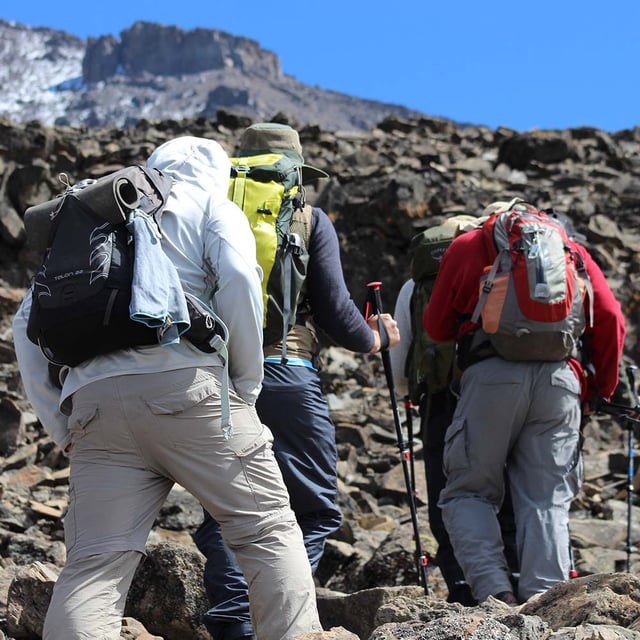
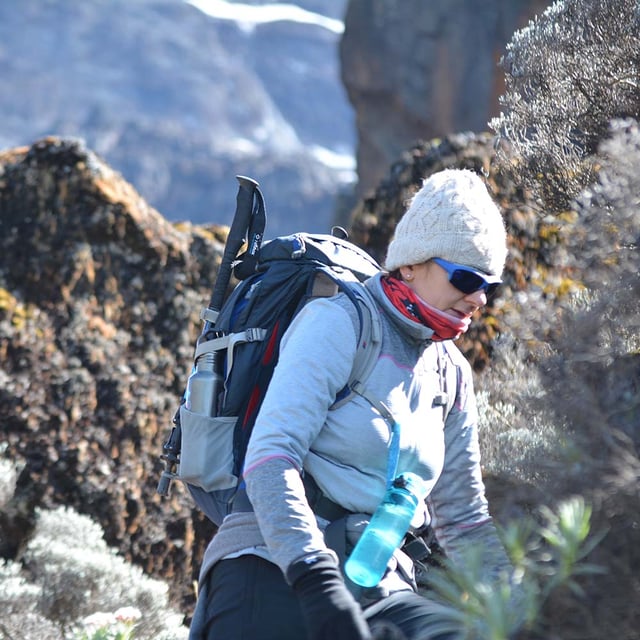
Kilimanjaro & Arusha, Tanzania
Desde $60