We partner with Rewilding Britain to help protect our natural spaces for future adventures.
All centres are vetted for safety and quality. Your adventure is in good hands with adventuro.
Marangu is the hut route: you'll walk a more direct path with shared dormitories and dining huts rather than tents, plus the option to add a night for a better summit chance. Guides manage pace on the long summit day via Gillman's Point to Uhuru Peak. Park and hut fees are handled for you, and Arusha nights bookend the climb.
Days pass through rainforest, then moorland and alpine desert, with meals in the hut dining rooms after you arrive. The trail can feel busier than camping routes, but the huts make wet weather easier. We'll brief you on kit and hut etiquette before you leave town.
You will be looked after by a locally owned Arusha team that has been guiding Kilimanjaro for years, with hut routes as well as camping itineraries. Plans are personalised around your dates and how much extra acclimatisation you want.
Marangu is the hut route: a more direct path with shared dormitories and dining huts, plus the option to add a night for a better summit chance. Guides manage pace on the long summit day, park and hut fees are handled for you, and Arusha nights bookend the climb so you arrive and leave in good order.
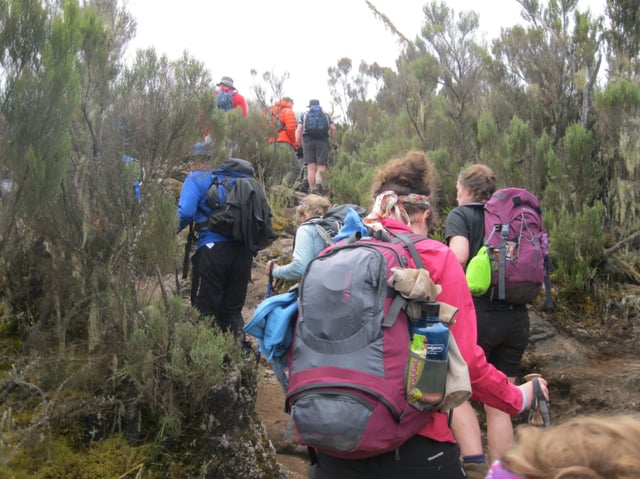
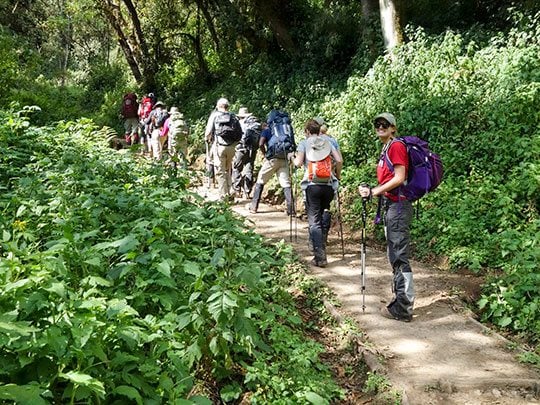
After breakfast, travel to Marangu Gate for registration before starting the trek. The trail begins in dense rainforest, where the air is humid and the path can be muddy underfoot. As you walk, you may spot monkeys and birdlife among the trees.
The route gradually climbs through the forest with a steady pace, stopping for lunch along the way. By mid-afternoon, you reach Mandara Hut, where you settle into shared dormitory accommodation. In the evening, there is time for a short walk to Maundi Crater, offering views across the surrounding area.
Leaving the forest behind, the landscape begins to open up as you move into moorland. The vegetation changes noticeably, with giant lobelias and wider views across the mountain.
The trek is longer today, taking several hours at a steady pace as you gain altitude. As you approach Horombo Hut, the air becomes cooler and thinner. On arrival, you settle into your hut, with time to rest and take in the surroundings before dinner.
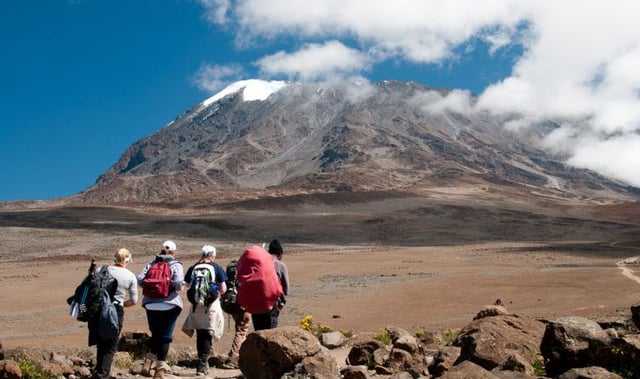
The day begins with a steady climb out of Horombo, moving into a more exposed and dry landscape. The route crosses a wide saddle between the peaks of Mawenzi and Kibo, where the terrain becomes more barren and open.
This section can feel long due to the lack of shelter and changing conditions, but the pace remains controlled. Arriving at Kibo Hut in the afternoon, you prepare for the summit attempt. After an early meal, you rest for a few hours before the night ascent begins.
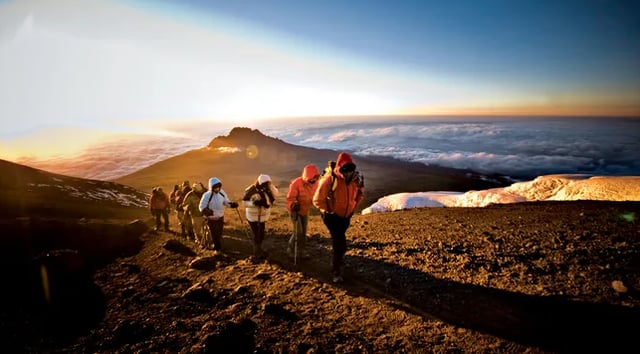
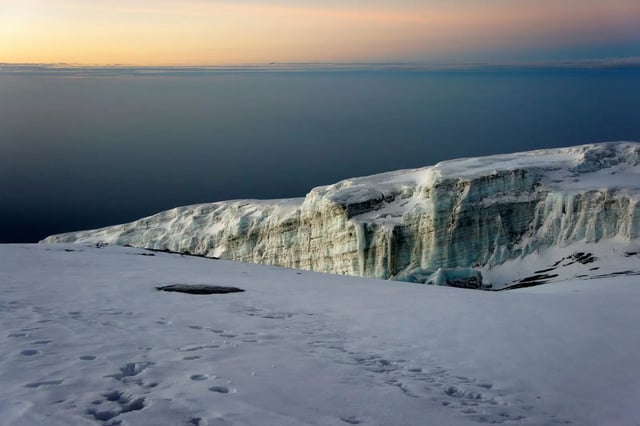
The summit push starts around midnight, with a slow and steady climb in the dark using head torches. The path climbs steeply through loose scree, with regular breaks to manage the altitude and conserve energy.
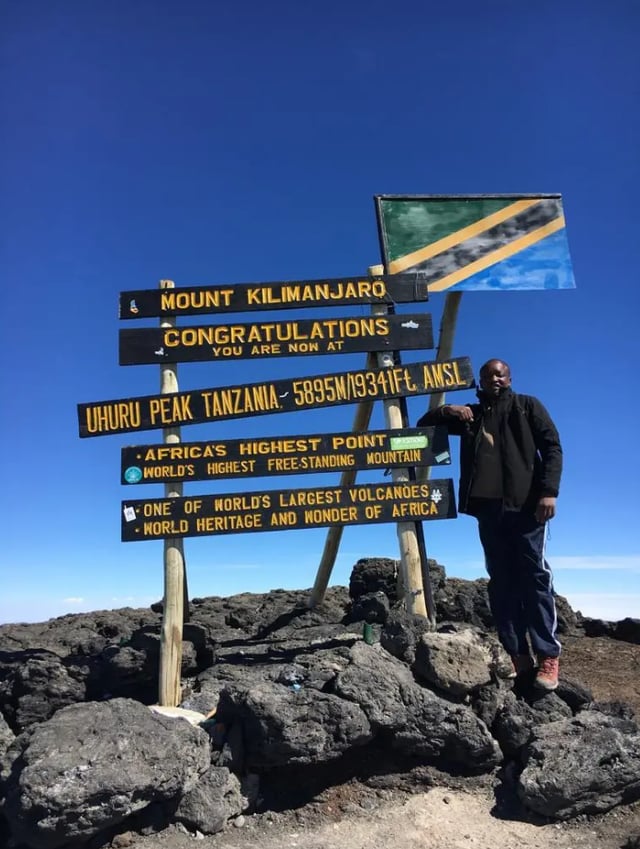
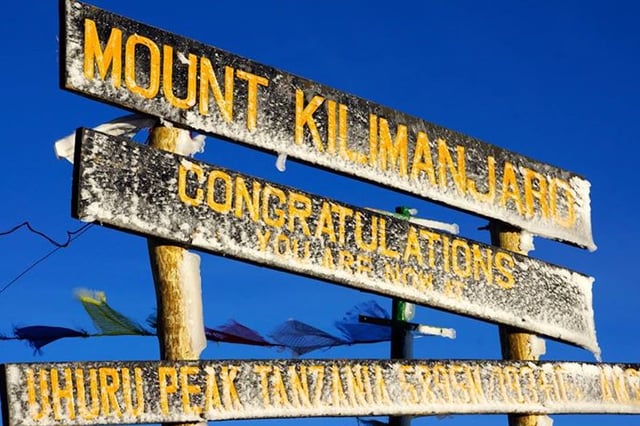
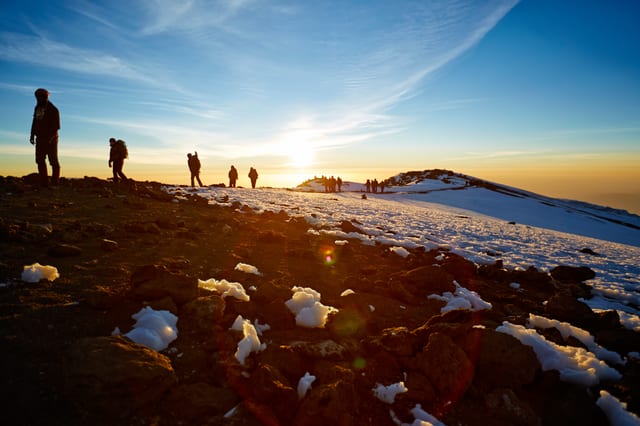
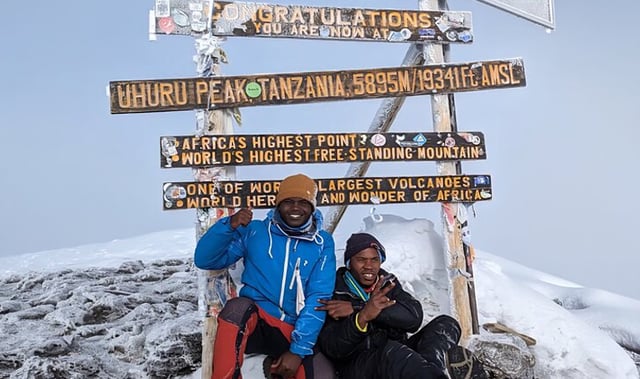
Reaching Gilman’s Point at the crater rim is a key milestone, followed by the final stretch along the rim to Uhuru Peak. After spending time at the summit, you begin the descent, returning to Kibo for a short rest before continuing down to Horombo Hut. This is the longest and most demanding day of the trek.
After breakfast, begin the descent through moorland and back into the rainforest. The trail becomes easier as you lose altitude, and conditions grow warmer.
Stopping at Mandara Hut for lunch, you continue down to Marangu Gate where the trek officially ends. From here, transfer back to Arusha for a final night and time to recover.
Accommodation on this route is in mountain huts rather than tents, making it a more structured option. Each hut has dormitory-style sleeping arrangements with mattresses and shared facilities, along with separate dining huts where meals are served.
Before and after the climb, you will stay in accommodation in Arusha, providing a comfortable base to prepare and recover.
You will need layered clothing suitable for a range of temperatures, including warm gear for summit night where conditions can drop well below freezing. Waterproof clothing is important, especially in the rainforest section where rain is common.
Comfortable hiking boots, a warm sleeping bag, and a daypack for essentials are key. A head torch for the summit push, gloves, and sun protection should also be included.
It is often described as the most straightforward in terms of terrain, with well-defined paths and no technical sections. However, the altitude still makes it a challenging climb, and reaching the summit requires good fitness and determination.
The shorter duration compared to other routes can also make acclimatisation more difficult, which is why pacing and preparation are important.
You will stay in shared huts with bunk beds, mattresses, and basic facilities. The huts are communal, meaning you will share space with other climbers, often from different groups.
There are also dining huts where meals are served, creating a more social environment compared to camping routes.
Summit day is the most physically demanding part of the climb, involving a steep ascent in cold, high-altitude conditions. The effort required is significant, especially after several days of trekking.
The descent on the same day adds to the challenge, making it a long and tiring but rewarding experience.
No technical climbing experience is required, as this is a trekking route. However, a good level of fitness and some hiking experience will help you manage the demands of the trek.
Preparation in advance, including walking and endurance training, is highly recommended.
Meals are prepared by a cook and served in the dining huts at each campsite. The food is designed to provide enough energy for trekking at altitude.
You will typically have breakfast, a packed or prepared lunch, and a hot dinner each day.
The biggest challenge is altitude, which can affect anyone regardless of fitness. The shorter itinerary means less time to adjust, which can increase the difficulty for some climbers.
Weather conditions and the long summit day also add to the overall challenge.
Kilimanjaro & Arusha, Tanzania
From $2600

About the centre
Kilimanjaro
Operated by Nature Bound Africa, a partner of adventuro.
Kilimanjaro & Arusha, Tanzania
From $5460