We partner with Rewilding Britain to help protect our natural spaces for future adventures.
All centres are vetted for safety and quality. Your adventure is in good hands with adventuro.
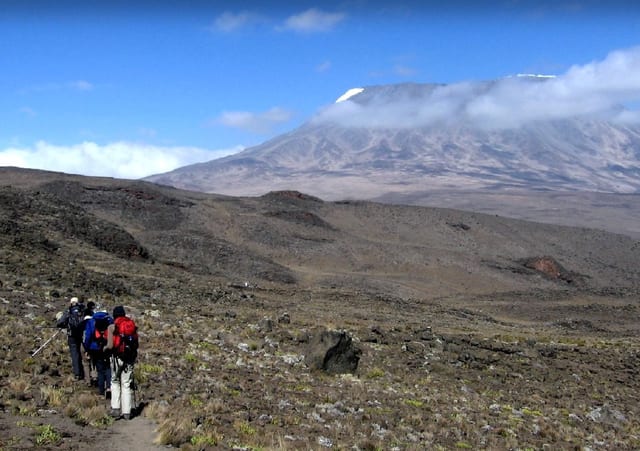

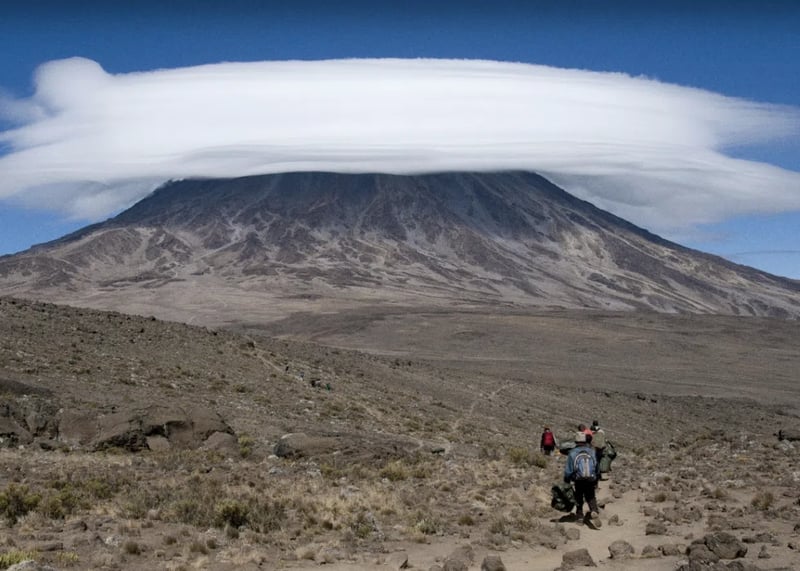
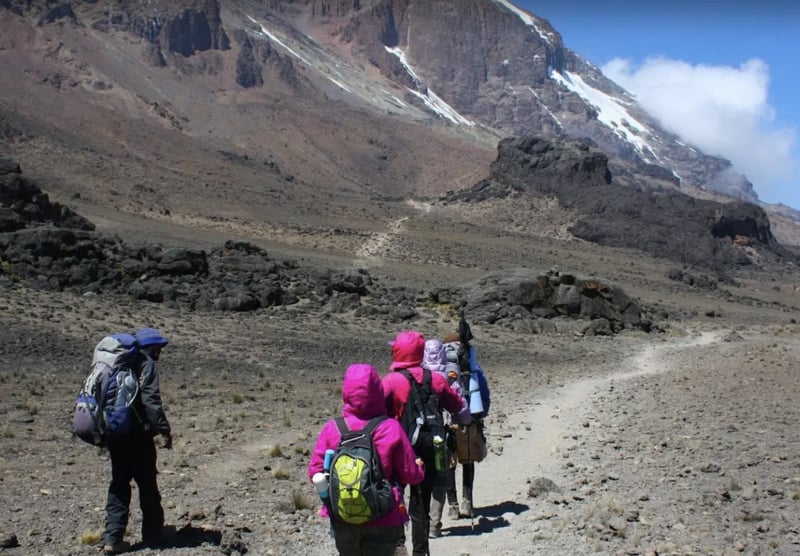
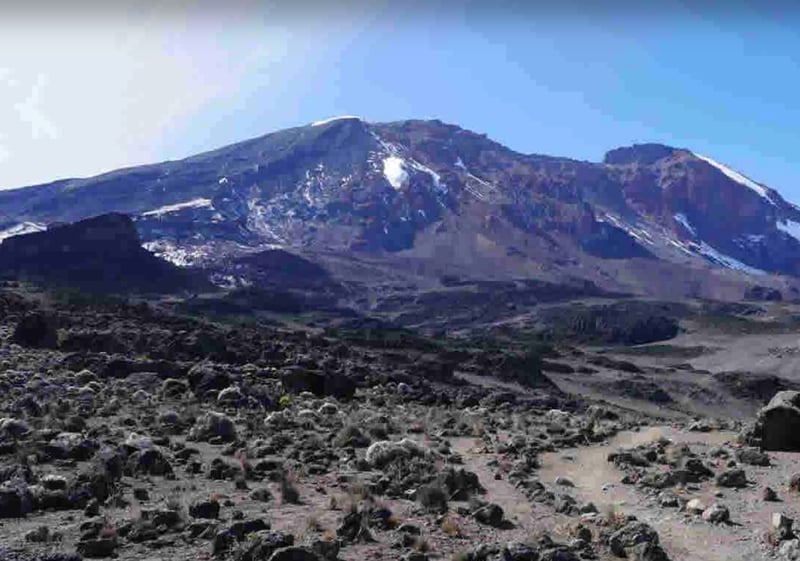
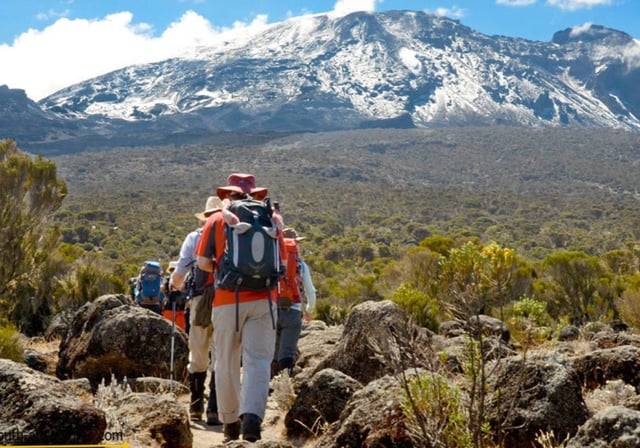
The Rongai Route approaches Kilimanjaro from the northern side near the Kenyan border and is known for being quieter than the southern routes. Its consistent, gentle gradients and lower rainfall make it a strong option for trekkers looking for a remote approach, particularly during the wet season. The path rises steadily through forest and moorland before joining the high alpine zone beneath Mawenzi and Kibo.
This seven-day itinerary includes hut and tent accommodation along the mountain, professional guiding, full support from porters and cooks, and a structured acclimatisation schedule. The extended progression provides a steady foundation for a safe summit attempt on Uhuru Peak.
Duration: 7 days trekking (+ arrival & departure days)
Altitude: Challenging high-altitude ascent, summit at 5895m (Uhuru Peak)
Route: Northern approach via Rongai Route
Accommodation: Tents on the mountain
Food: Meals and purified water included
Support: Professional guides, porters, cooks
Start & Finish: Start in Arusha, end in Marangu/JRO
Arrive at Kilimanjaro International Airport or by shuttle from Nairobi. Transfer to your hotel in Moshi/Marangu for overnight. At 17:30, attend a detailed pre-climb briefing and equipment check. Guides confirm medical coverage and travel insurance requirements before the ascent begins.
Depart Arusha after an early breakfast and drive north to the Rongai (Nalemoru) Gate near the Kenyan border. Begin trekking through forest that supports varied wildlife. The trail ascends gently, reaching Rongai Camp at the edge of the moorland zone after a short 3–4 hour hike. Meals and overnight at camp.
A steady ascent leads to Second Cave with clear views toward Kibo and the eastern ice fields. After lunch, the afternoon is free for rest or an acclimatisation walk toward Third Cave. This slow progression supports altitude adaptation. Overnight at Second Cave Camp.
Continue through open moorland toward jagged Mawenzi peaks, reaching Kikelewa Camp in the late afternoon. This short day strengthens acclimatisation. Camp is located near Kikelewa Caves. Dinner and overnight at camp.
Climb steeply for a short period before arriving at Mawenzi Tarn beneath the impressive Mawenzi ridge. Vegetation thins as you enter the alpine zone. The afternoon is reserved for rest or acclimatisation walks. Dinner and overnight at Tarn Camp.
Cross the lunar-like saddle between Mawenzi and Kibo, arriving at Kibo Hut in early afternoon. This dry, high-altitude zone marks the final preparation stage before the summit attempt. Rest, hydrate, and prepare equipment for the early start. Overnight at Kibo.
Wake shortly before midnight for the summit push. The ascent follows well-graded switchbacks to Gilman’s Point (5685m), where sunrise can be seen over Mawenzi. Those feeling strong continue along the rim to Uhuru Peak. After celebration photos, descend quickly to Kibo for refreshments, then continue down to Horombo Hut for overnight. Approx. 13–15 hours of trekking in total.
Descend past Mandara Hut toward the forest line and reach Marangu Gate in 6–7 hours. Successful trekkers receive summit certificates. Transfer to a local mountain resort for dinner and overnight.
After breakfast, transfer to Kilimanjaro International Airport or onward destinations in Tanzania or Kenya.
The Rongai Route begins on Kilimanjaro’s northern flank, offering stable weather and reduced foot traffic compared with southern approaches. The trail passes through forest rich in wildlife before rising into heathland and alpine desert zones, with outstanding views toward Mawenzi. The path eventually joins the classic Marangu descent route via Kibo and Horombo.
Arusha acts as the staging point for equipment checks, domestic travel connections, and accommodation. The descent ends at Marangu Gate, located on the south-eastern side of Kilimanjaro.
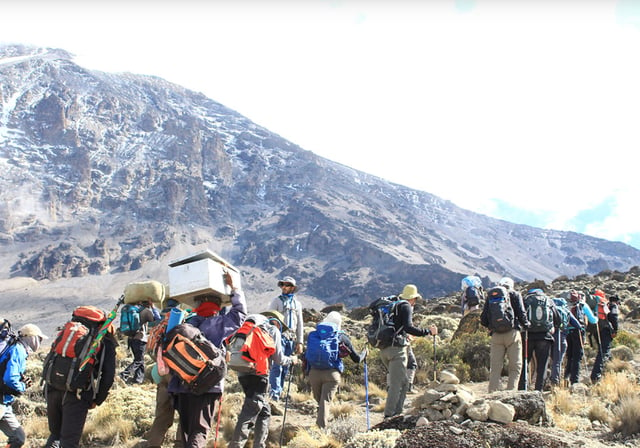
This route requires good trekking fitness, as days involve sustained walking at altitude and a demanding summit day. Participants should be comfortable hiking for several hours daily while carrying a daypack. No technical climbing skills are required.
Altitude is the key challenge. The itinerary includes multiple acclimatisation days and gradual elevation gains, but trekkers must maintain hydration, steady pacing, and proper nutrition. Guides use oximeters and experience-based assessment to monitor safety throughout the climb.
Guides on the Rongai Route are highly experienced with Kilimanjaro’s northern approach, allowing safe navigation through varied ecosystems and changing altitude zones. Daily monitoring, equipment checks, and structured acclimatisation walks contribute to higher summit success.
Porters receive fair compensation, proper gear, and ethical treatment. Meals are freshly prepared, portions are generous, and purified drinking water is provided throughout. Airport transfers, emergency oxygen, and crisis management procedures are included, offering a comprehensive and well-supported ascent.
The Rongai Route is the quietest of Kilimanjaro’s major trails and avoids the heavy foot traffic of Marangu and Machame. Its northern position receives less rainfall, making it a strong choice during the wet seasons. The steady gradient also supports stable acclimatisation.
Despite its remote feel, the route joins the main trail at Kibo, ensuring access to established mountain facilities during the summit push.
The trek is challenging due to the altitude and the summit day, which often lasts 13–15 hours. Daily distances are manageable, and the route’s gentle ascent profile helps with altitude management. A good level of fitness and familiarity with multi-day hiking are recommended.
The itinerary includes several acclimatisation stages, which significantly improve summit success rates.
Tents are used on the mountain, with four-season shelters designed for high-altitude conditions. Porters carry and pitch tents at each camp. Hotels or lodges in Arusha and at the end of the trek provide warm beds, showers, and reliable rest before and after the mountain.
Camps such as Kikelewa, Mawenzi Tarn, and Kibo Hut are well established and suited to extended high-altitude stays.
Essential kit includes hiking boots, warm layering, waterproof outerwear, gloves, headlamp, trekking poles, and a suitable daypack. Summit night requires high-insulation clothing due to freezing temperatures and wind exposure.
Personal medication, sunscreen, snacks, and a hydration system should also be packed. Rental gear may be available locally, but personal equipment usually offers better fit and comfort.
Guides use pulse oximeters and regular health checks to assess acclimatisation. The itinerary increases elevation gradually, with several half-days allocated for rest and adaptation. Trekkers are advised to maintain hydration, eat regularly, and move at a controlled pace.
Any signs of altitude complications are taken seriously, with descent initiated if needed.
Summit day begins just before midnight from Kibo Hut. The ascent to Gilman’s Point follows switchbacks on steep volcanic gravel. After reaching the crater rim, trekkers continue toward Uhuru Peak, usually arriving at sunrise.
The descent is rapid and physically demanding, dropping back to Kibo for refreshments before continuing to Horombo Hut for overnight rest.
Most days involve 3–6 hours of trekking. Only summit day is significantly longer. Daily elevation gains are moderate, and planned rest periods support acclimatisation.
The Rongai Route is one of the most consistent trails in terms of gradient, making progression steady.
The northern forest zone is home to colobus monkeys, baboons, small antelope, and varied birdlife. Higher zones support fewer animals, though occasional sightings of hyrax or alpine birds are possible.
The diversity is greatest on the first and last days of the trek when moving through forest and heathland.
Meals are freshly prepared by the mountain cook team and include soups, rice, pasta, vegetables, eggs, and fruit. Calorie intake is emphasised to support altitude needs. Clean, purified drinking water is provided daily.
Dietary requirements can usually be accommodated with advance notice.
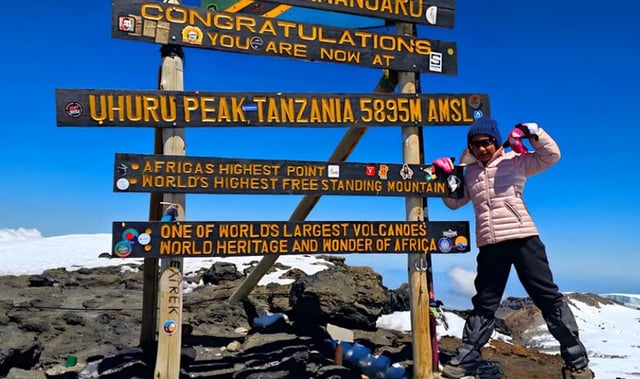
Kilimanjaro & Arusha, Tanzania
From $2200
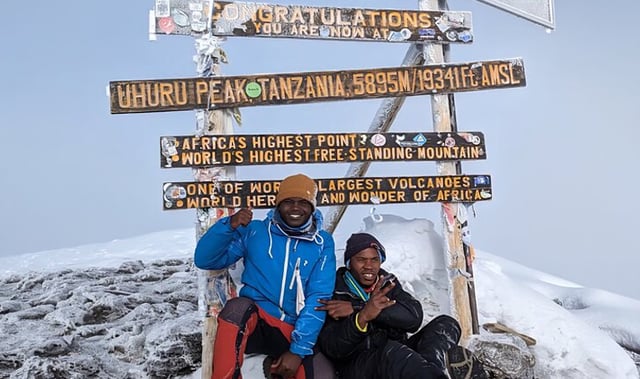
Kilimanjaro & Arusha, Tanzania
From $2600
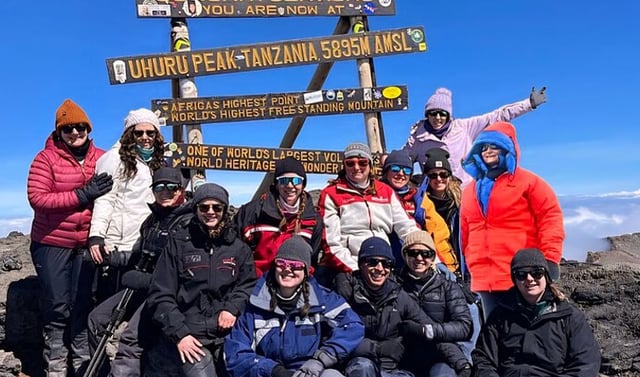
Kilimanjaro & Arusha, Tanzania
From $2600
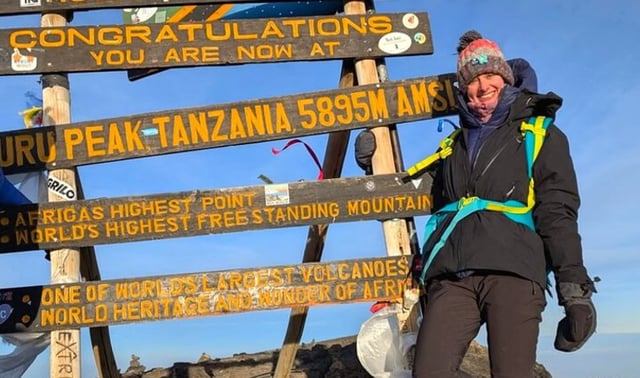
Kilimanjaro & Arusha, Tanzania
From $2800
Kilimanjaro & Arusha, Tanzania
From $2800
About the centre
Kilimanjaro National Park
Operated by Bencia African Adventure and Safaris, a partner of adventuro.