We partner with Rewilding Britain to help protect our natural spaces for future adventures.
All centres are vetted for safety and quality. Your adventure is in good hands with adventuro.
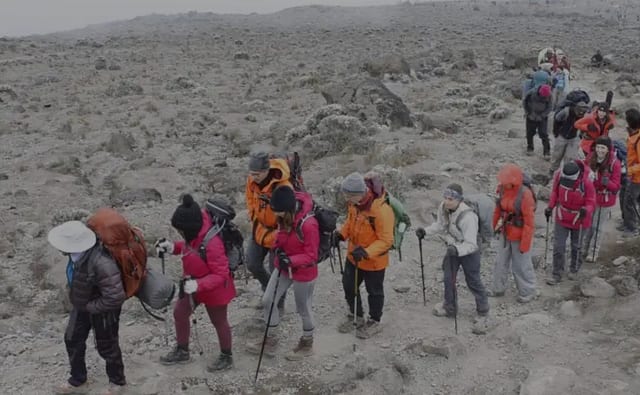
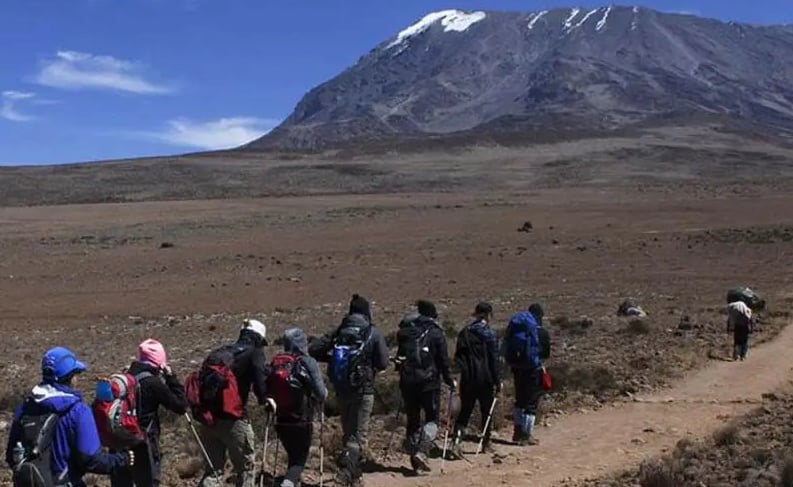
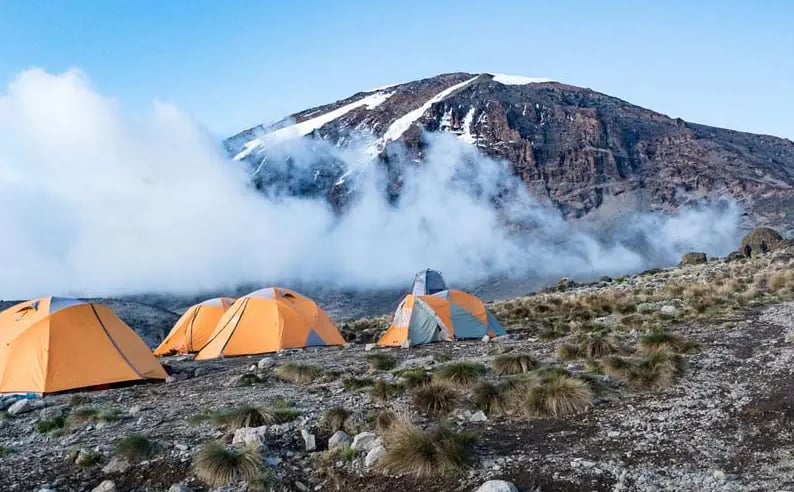
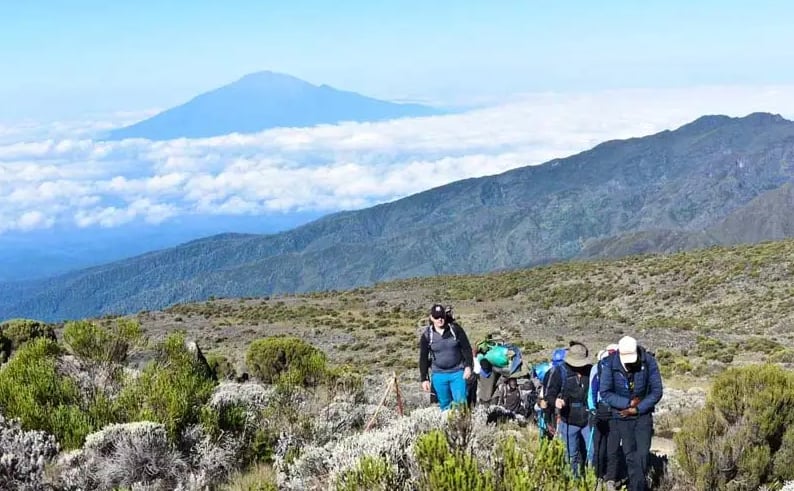
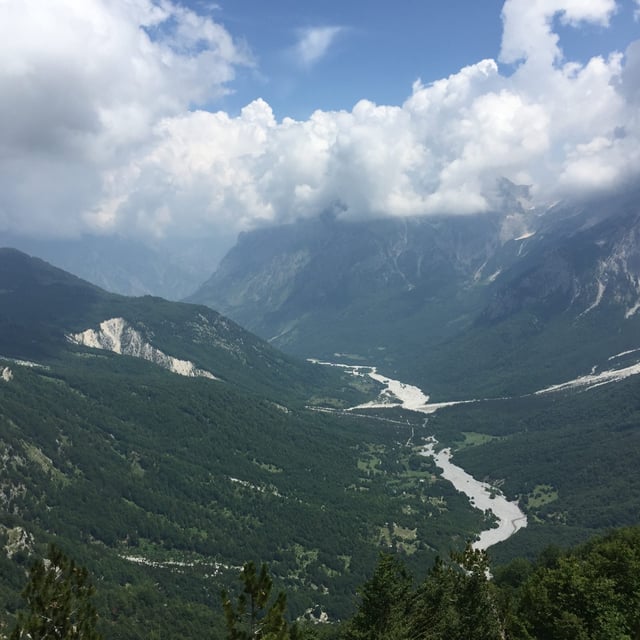
This 5-day trek in the Usambara Mountains provides a blend of natural exploration, cultural immersion, and moderate trekking. Over the course of the journey, participants hike through cloud forests, tea plantations, and scenic valleys while visiting traditional villages to experience local life.
The trek is designed for all fitness levels, with each day paced to balance adventure and relaxation. Expert guides accompany guests throughout, sharing insights into the ecological and cultural significance of the region while ensuring safety and comfort.
The team has extensive experience leading treks in the Usambara Mountains, providing knowledgeable guidance and strong support to all participants. Guides manage pacing, safety, and navigation, while also sharing insights about local ecology and Shambaa culture.
All logistics are handled efficiently, including meals, accommodation in guesthouses and lodges, and transfers. The focus on responsible and sustainable tourism ensures that travelers contribute positively to local communities while enjoying a well-organised and enriching trekking experience.
Overnight stays are in local guesthouses and lodges throughout the trek, with comfortable bedding and basic facilities. Accommodation is chosen to support local communities while providing safe and convenient resting points after each day of hiking.
Mount Usambara is a range of mountains in northeastern Tanzania, part of the Eastern Arc Mountains. It is known for lush forests, rich biodiversity, and scenic valleys rather than being a single peak.
The area provides diverse trekking options through hills, ridges, and traditional villages, combining natural beauty with cultural experiences.
The dry season, from June to October, offers cooler and more pleasant hiking conditions.
The rainy season (March to May) is possible for trekking, but trails may be muddy and slippery, requiring extra caution.
Most trails are moderate, suitable for trekkers of various fitness levels.
Some routes, such as the ascent to Mtae Village, can be steeper and more physically challenging.
Yes, local guides are highly recommended. They provide navigation, cultural insights, and ensure safety on the trails.
Guides enhance the experience by introducing visitors to local flora, fauna, and Shambaa traditions.
Trekkers may encounter endemic birds such as the Usambara Eagle Owl, butterflies, monkeys, and other forest animals.
The Amani Nature Reserve is especially rich in biodiversity, offering sightings of rare plants and animals unique to this region.
Camping is possible along some routes, especially near scenic viewpoints.
However, most guests stay in guesthouses or lodges in Lushoto, Mtae, or Lukozi, where facilities are more established.
Some short hikes, like the Irente Viewpoint trek, take a few hours, while longer treks, such as Lushoto to Mtae, can take 2–3 days depending on pace.
The full 5-day itinerary allows a balanced experience of trekking, cultural visits, and rest.
Yes, the trek passes through traditional Shambaa villages where guests can learn about local customs and daily life.
Visitors may visit homesteads, interact with locals, and observe traditional farming practices.
The combination of cloud forests, endemic wildlife, scenic valleys, and Shambaa cultural experiences sets the Usambara Mountains apart from other Tanzanian treks.
This trek blends nature, culture, and gentle adventure in a less-visited and peaceful setting.
Cheshire, United Kingdom
From £699
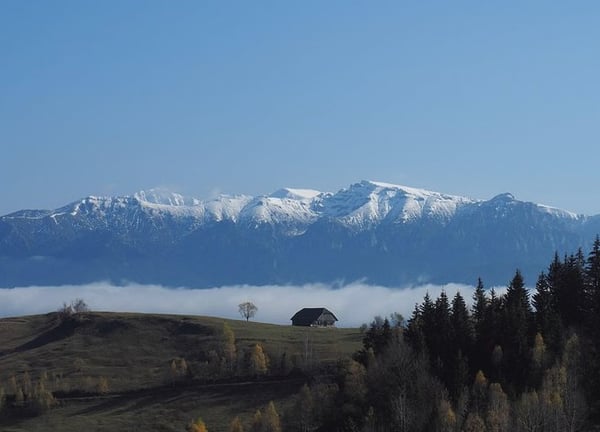
Brașov and Southern Carpathians, Romania
From €810
About the centre
Lushoto
Operated by Tanzania Migration Safaris and Travel, a partner of adventuro.
Kilimanjaro & Arusha, Tanzania
From $850