We partner with Rewilding Britain to help protect our natural spaces for future adventures.
All centres are vetted for safety and quality. Your adventure is in good hands with adventuro.
Day 1 – Introduction & Beach Safety
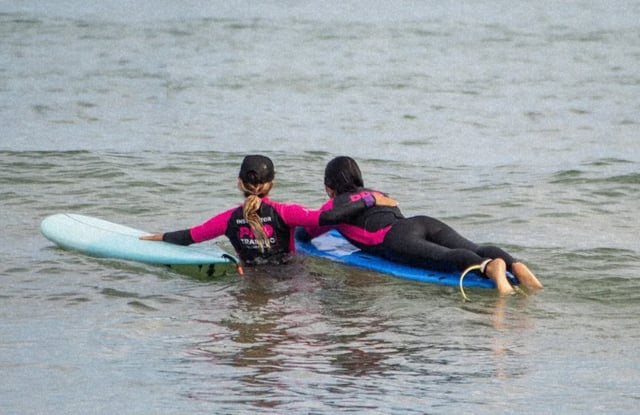
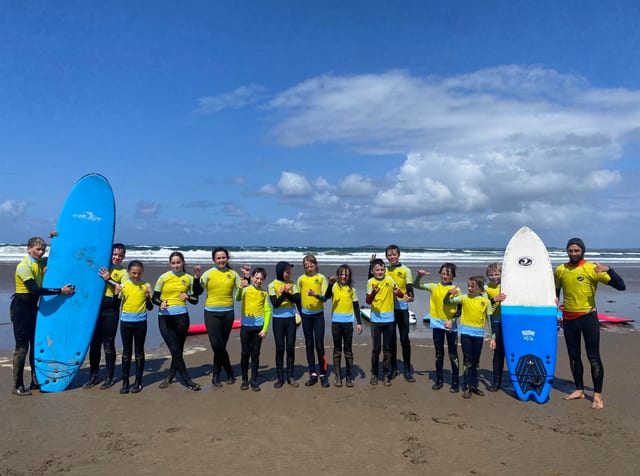
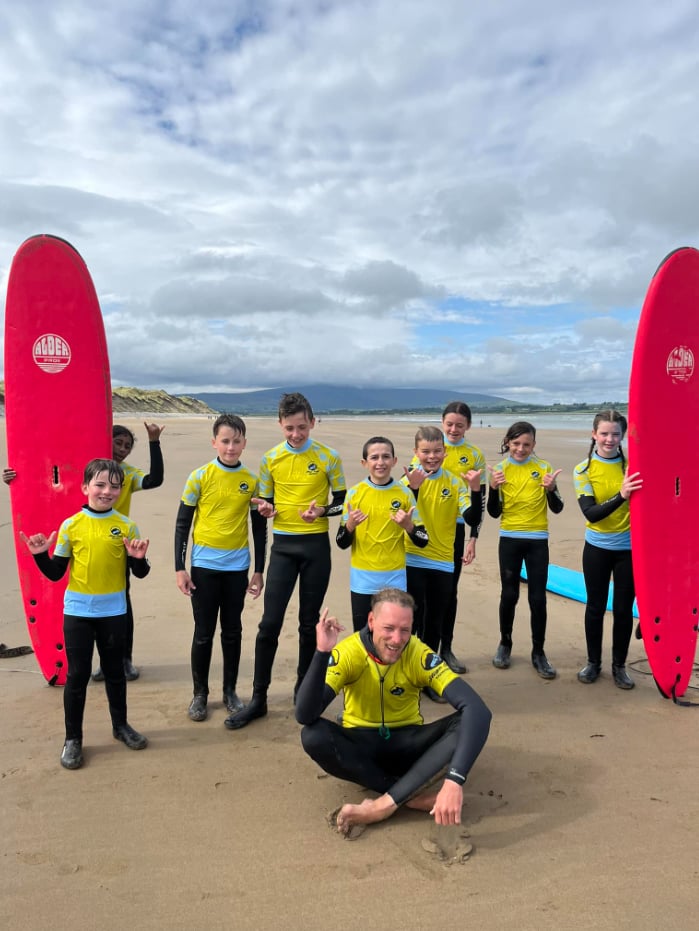
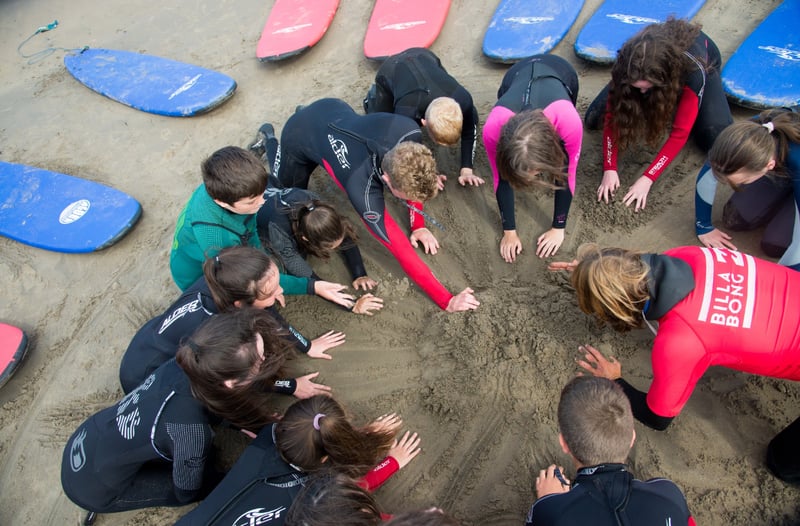
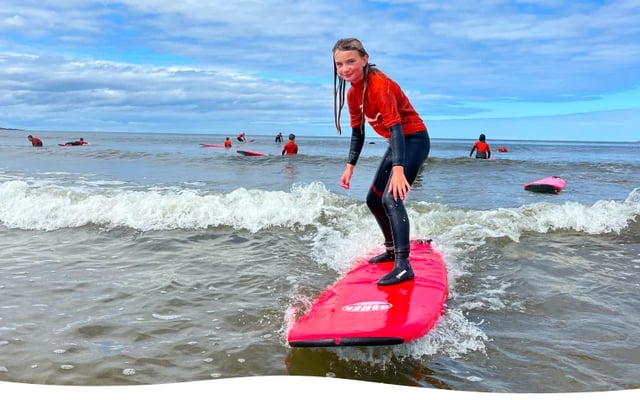
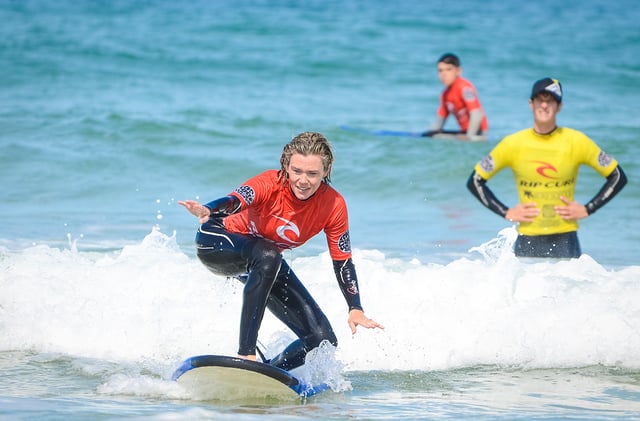
Campers start with a meet-and-greet on the beach followed by a safety briefing and introduction to the equipment. The group is shown how to warm up properly and how to stay safe in the surf zone. Time is spent getting comfortable with the board on dry land before moving into shallow water for some fun confidence-building exercises and first attempts at paddling and catching waves.
Day 2 – Paddle Skills & Standing Techniques
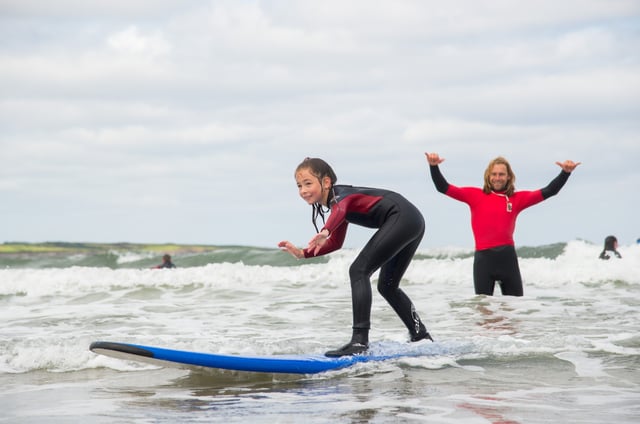
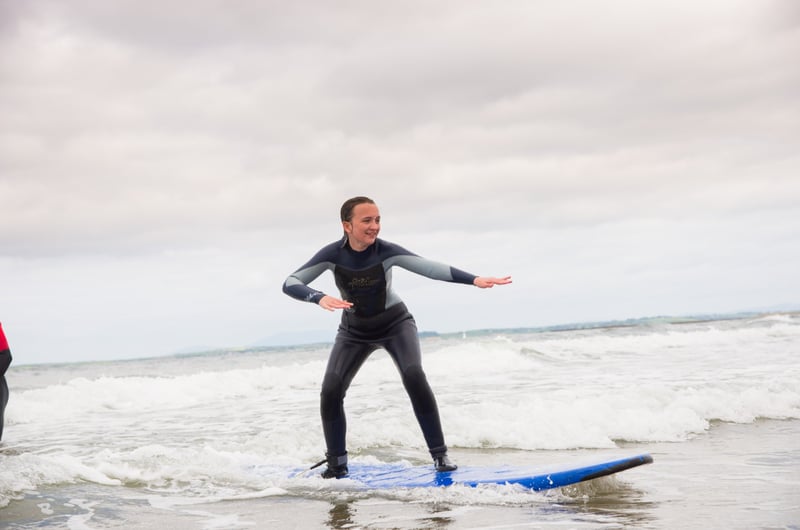
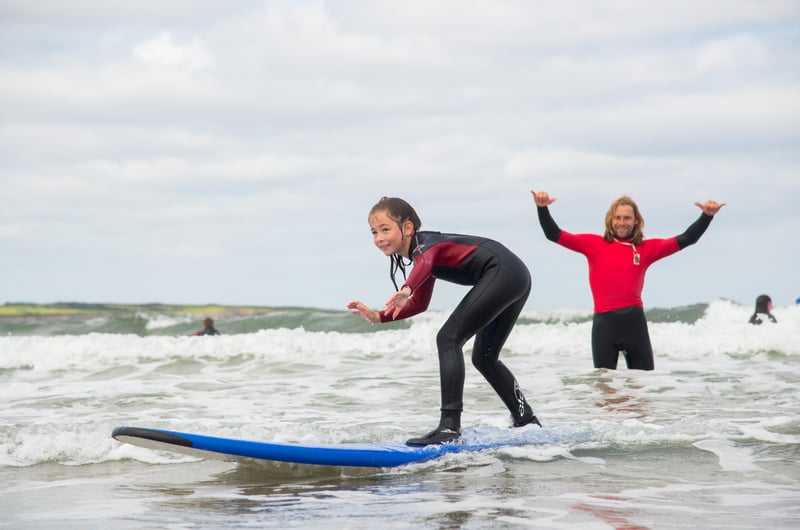
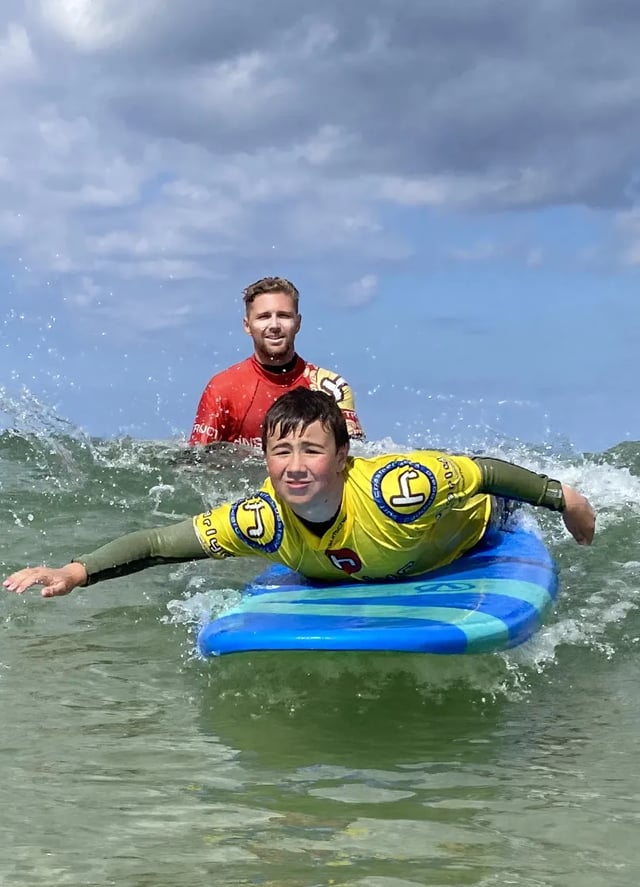
The second day focuses on paddling techniques and learning how to pop up to a standing position. Instructors offer individual coaching in the water, helping each camper work at their own level. Games and group challenges are included to keep the energy high and reinforce the skills being learned.
Day 3 – Wave Selection & Turning
Campers learn how to identify and choose suitable waves for their ability. Turning and balance are introduced, and there’s more time in the water to practise positioning, take-offs, and longer rides. Mid-session breaks are used for quick games or beach-based activities to recharge.
Day 4 – Board Control & Independent Surfing
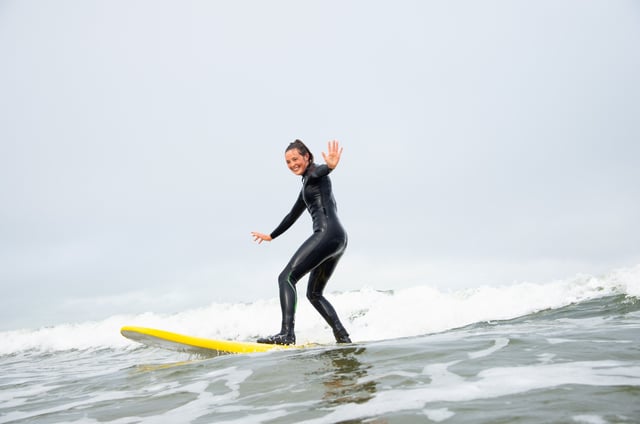
With the basics now more familiar, the focus shifts to improving control and confidence. Campers are encouraged to start catching waves with less instructor input, giving them a feel for surfing more independently. Feedback is tailored to each child to help progress their individual technique.
Day 5 – Mini Surf Comp & Beach Games
The final day includes a friendly surf competition, where campers get a chance to show what they’ve learned. This is a relaxed, fun-focused session with lots of cheering and team spirit. It’s followed by beach games, a quick 2-minute beach tidy-up, and a short presentation with small prizes or certificates to round off the week.
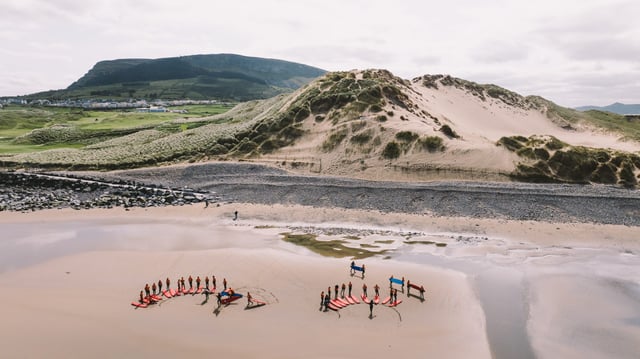
All sessions take place at Strandhill Beach in County Sligo, one of Ireland’s best-known surf spots. With consistent waves and a dedicated surf zone marked by safety flags, it’s a great location for beginners to learn under supervision.
The meeting point is directly outside the National Surf Centre, just across from the Strand Bar. This is where instructors will greet all participants each morning. Changing rooms and showers are available for use after each session.
This surf camp is open to children aged nine to fifteen. All participants must be comfortable in the water and able to follow instructions in a group setting.
Previous surfing experience is not required. The camp is designed to cater to complete beginners as well as those who have surfed before and are looking to improve their technique in a friendly, structured setting.
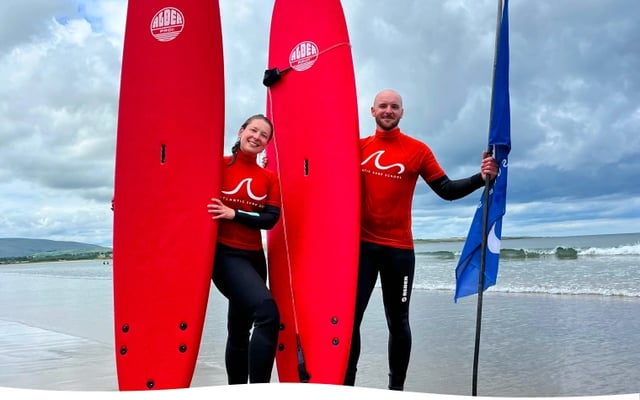
The surf school is staffed entirely by trained and certified surf instructors who hold beach lifeguard qualifications from Irish Water Safety, Level 1 Surf Instructor certification from Irish Surfing, and Safeguarding 1 Children’s Safety certification from Sport Ireland. Safety is taken seriously, with instructors choosing the most suitable beach zones each day, backed by emergency equipment and communication tools like walkie-talkies and mobile phones.
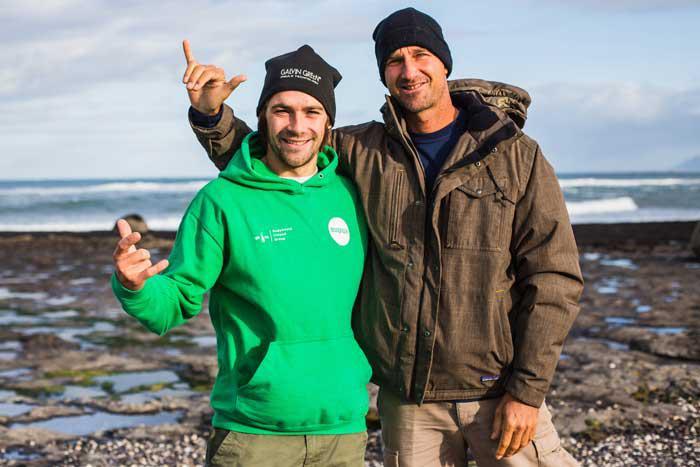
With more than ten years of experience leading surf lessons and youth surf camps in Strandhill, the surf school is led by a national bodyboarding champion who is committed to high-quality instruction and building positive beach experiences. The school follows Irish Surfing guidelines to ensure best-practice procedures are met, offering a well-organised, safe, and fun environment for young surfers to learn and grow.
This session generally runs in all weather, including light rain, as getting wet is part of the experience. However, it may be postponed or cancelled if conditions are unsafe—for instance, if there are strong winds, lightning, or especially rough seas. In such cases, participants will be contacted directly to discuss options for rescheduling, credit, or a refund.
Because coastal conditions can change quickly, it’s a good idea to keep an eye on your messages the evening before and morning of your session. Instructors are well-versed in adjusting plans based on sea state and will always prioritise safety, making real-time decisions to ensure the session remains safe and enjoyable.
Bring a swimsuit to wear under the wetsuit, a towel, and some easy-to-remove shoes like flip-flops. If you wear contact lenses, daily disposables are recommended. Long hair should be tied back, and waterproof sun cream should be applied beforehand, even on cloudy days.
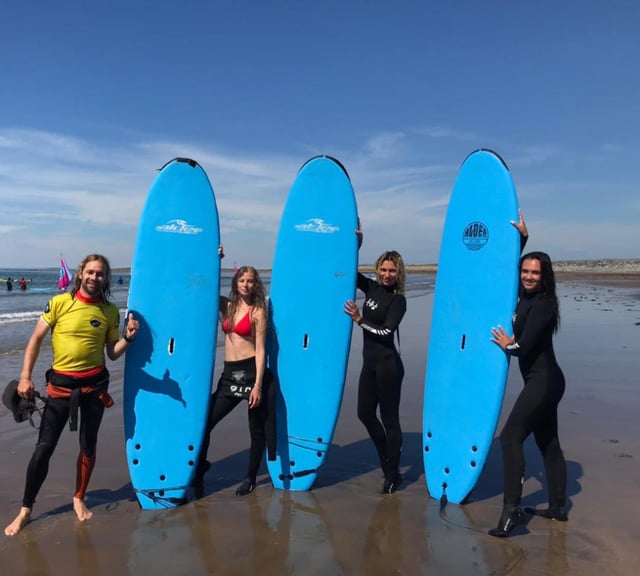
All technical gear is provided, including a board and wetsuit. It’s also worth packing a change of clothes for afterwards, especially if you’re planning to head elsewhere post-session. Having a small bag for your personal belongings will help keep things organised during your visit.
You don’t need to be an experienced swimmer, but you should feel comfortable in the water and be able to follow safety instructions. The session is held close to shore and is closely monitored by qualified instructors who offer guidance and support throughout.
The wetsuits used in the session offer added buoyancy, which helps with confidence in the water. If you’re nervous or uncertain, let your instructor know when booking or on arrival—they can tailor your session to suit your comfort level and ensure you’re supported the whole time.
Yes, this session is ideal for those trying surfing for the first time. It starts with a dry-land introduction where you’ll learn about the board, basic movements, and essential water safety tips before entering the sea.
Once you’re in the water, the pace is easy-going, and there’s no pressure to perform. The goal is to help you get a feel for the board and enjoy trying something new. Instructors will be on hand throughout to guide you and offer tips based on your individual progress.
There are usually basic public changing facilities available near the meeting point, and some access to outdoor showers or rinse-off taps. These are functional but simple, so it’s best to come prepared for a minimal setup—especially during peak times.
Many people opt to bring a towel poncho or changing robe and change next to their car, which is common at beach-based activities. A spare bottle of water can be useful for rinsing off sand or salt if you’re not going straight home or to accommodation afterwards.
The meeting point for this session is Shore Road, Strandhill—right across from the Strand Bar. This is where you'll check in and meet your instructor.
If you're driving, there are two free public car parks nearby. The seafront car park is the closest, but it fills up quickly—especially in the summer months. The main car park on Shore Road is a better bet and just a short 200-metre walk from the beach. To avoid delays, plan to arrive at least 15 minutes early to allow time for parking and getting ready. Sessions start on time, and late arrivals may miss part of the introduction.
All instructors leading this session are fully qualified with an Irish Water Safety beach lifeguard certification and a Level 1 instructor award through Irish Surfing. They also hold Safeguarding 1 certification from Sport Ireland, which focuses on child protection and creating a safe environment for younger participants. These qualifications ensure that the session is run with professional supervision both in and out of the water.
In addition to formal qualifications, instructors receive hands-on training specific to Strandhill Beach, drawing on over a decade of local experience. This includes detailed site knowledge, safety practices, and session planning, so you can feel confident you're learning from someone who understands both the conditions and the coastline well.
The summer camp is designed for children aged 9 to 16. Sessions are structured to cater for mixed abilities, from complete beginners to those who’ve had a bit of practice, with groupings often made by age and confidence level to help everyone feel comfortable.
Instructors create a relaxed, supportive atmosphere that allows young participants to build skills at their own pace. Activities are varied throughout the week, so even if some campers are more experienced, they’ll still be challenged with new techniques and conditions.
Each day kicks off with a morning check-in and warm-up on the sand, followed by a surf session tailored to the day’s sea conditions. Instructors run through techniques, give tips in the water, and adjust sessions to suit the group’s progress.
Between surf slots, there are beach games, ocean safety discussions, and time to relax or snack. The focus is on keeping things fun while gradually building skills. Sessions usually wrap up with a short debrief, so kids head home feeling accomplished and ready for the next day.
Accommodation is not included as part of the summer camp. The sessions are designed for local participants or those staying nearby, and each day starts and finishes at the same beachside meeting point in Strandhill. Campers should be dropped off and collected each day, as there are no overnight arrangements or on-site lodging provided.
If you're visiting from outside the area, there are several B&Bs, self-catering options, and hotels within a short distance of the beach. Families often choose to turn the week into a short break, combining the surf camp with other local activities in and around Sligo.
About the centre
Strandhill
Operated by Sligo Surf Experience, a partner of adventuro.
Cornwall and Isles of Scilly, United Kingdom
From £140