We partner with Rewilding Britain to help protect our natural spaces for future adventures.
All centres are vetted for safety and quality. Your adventure is in good hands with adventuro.
Building on your existing diving skills, the Rescue Diver course challenges you to think beyond yourself and become a safer, more capable dive buddy. You’ll learn how to prevent and handle diving emergencies, all while developing the confidence to react calmly and effectively in unexpected situations.
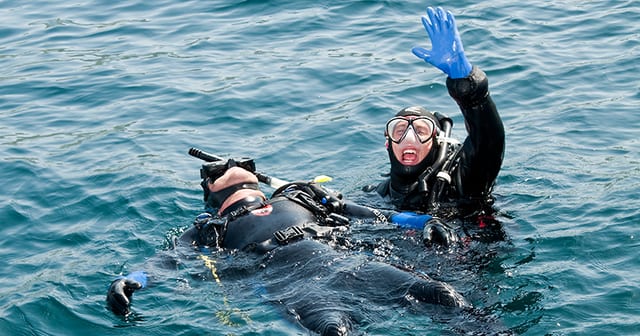
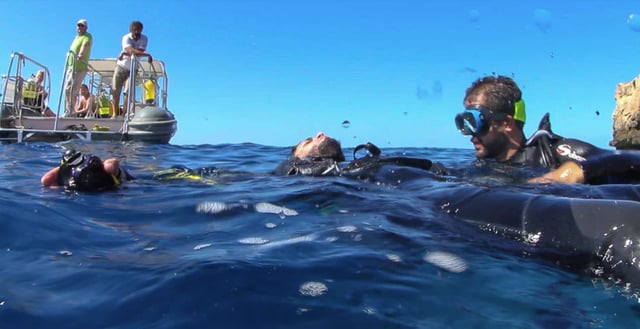
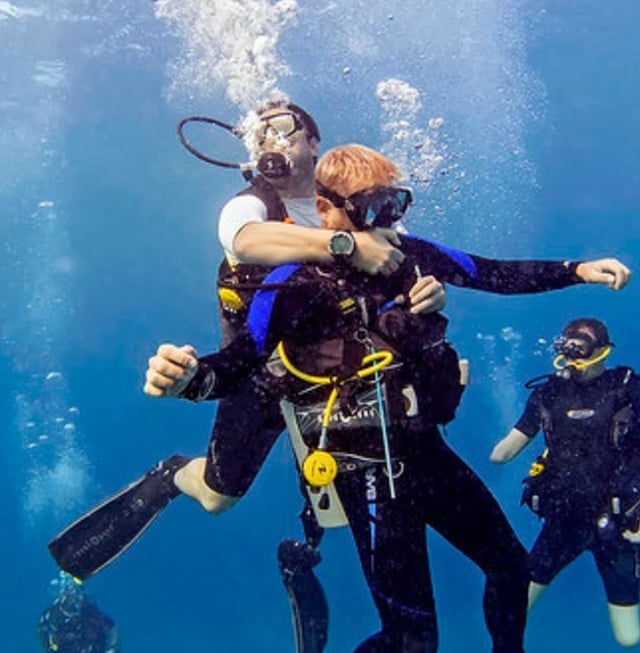
The Rescue Diver course combines classroom or online theory with hands-on rescue training in and out of the water. You’ll start by learning how to assess situations, identify potential issues, and manage emergency equipment. This includes techniques for handling tired, panicked, or unresponsive divers, both on the surface and underwater.
Next, you’ll take part in a series of rescue exercises where you’ll practise problem-solving skills in realistic scenarios. These are designed to push your awareness and build muscle memory so that your responses become second nature. The course culminates in two full rescue scenarios, where you’ll coordinate response efforts from start to finish—an intense but rewarding challenge that leaves most divers feeling far more capable and confident.
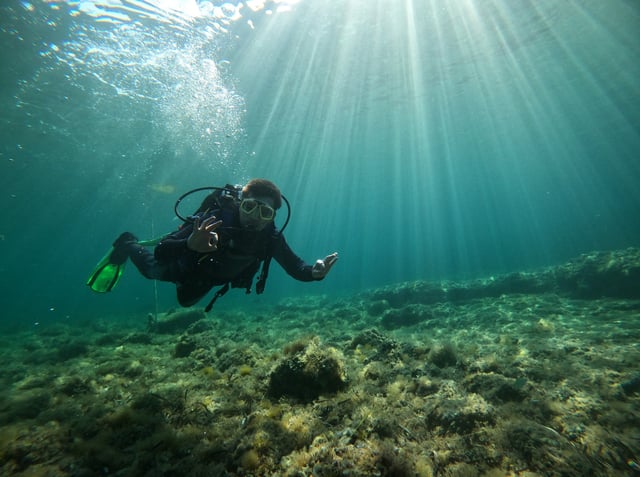
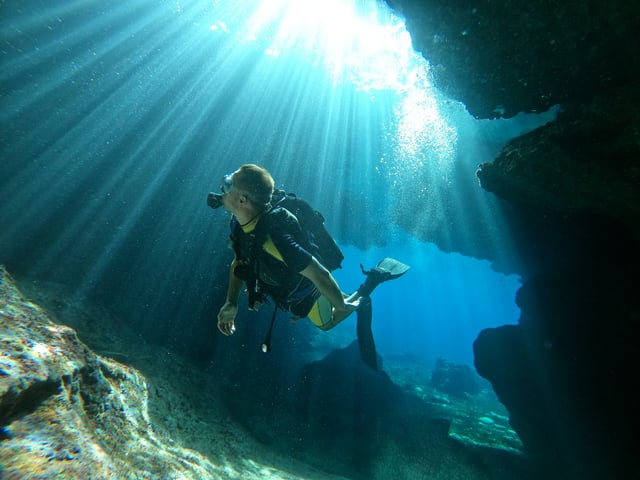
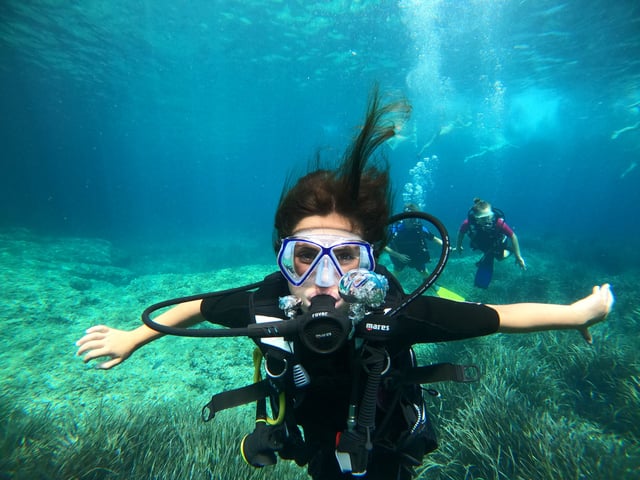
All in-water training is conducted in and around Cala Barca urbanisation, Sa Barca Trencada, Mallorca. The sheltered coastal environment provides a safe space for conducting complex rescue scenarios, with easy access to both shore and boat-based exercises.
The local conditions—mild temperatures, good visibility, and varied terrain—make Mallorca an excellent training ground for this course. Whether in confined shallows or deeper practice zones, you’ll have a controlled setting that supports skill development.
To take part, you need to be a certified Advanced Open Water Diver and be at least 12 years old. You must also have completed Emergency First Response Primary and Secondary Care training within the past 24 months.
If you haven’t yet done this, the first aid course can be included during your Rescue Diver programme. Your instructor may also recommend adding the Emergency Oxygen Provider course to expand your rescue response toolkit.
Instructors at the centre are experienced in managing the complexity of rescue training, with a focus on both serious skill development and making the course enjoyable. You’ll get clear instruction, practical coaching, and full support throughout each stage of learning.
This course is often cited as the most rewarding by past divers—not just because of the skills gained, but because of the confidence and leadership it builds. Whether you’re planning to go pro or simply want to be a safer buddy, this course prepares you for whatever the water brings.
The Rescue Diver course is an advanced scuba diving programme designed to prepare divers to recognise, prevent, and manage diving emergencies. It goes beyond basic training by developing your ability to help others while maintaining your own safety.
You’ll learn how to respond to both minor issues and more serious situations, such as panicked or unresponsive divers. It’s known for being challenging but extremely rewarding, helping divers feel more confident and capable in the water.
To enrol, you must be at least 12 years old and hold a PADI Advanced Open Water Diver certification (or equivalent). You’ll also need to have completed Emergency First Response (EFR) Primary and Secondary Care within the last 24 months.
If you haven’t completed EFR yet, many centres offer it alongside the Rescue course. Parental consent is required for participants under 18, and you must be in good health with adequate swimming ability.
The course covers a wide range of topics, including self-rescue, recognising diver stress, emergency equipment use, rescuing panicked divers, and managing unresponsive divers underwater and at the surface.
You’ll also practise skills like controlled ascents, in-water resuscitation, and search patterns. These are all introduced gradually, first in theory sessions, then through practical exercises, and finally in simulated scenarios.
It’s typically divided into knowledge development, rescue exercises, and final rescue scenarios. The theory portion can be completed online or in the classroom, covering emergency management and risk assessment.
After completing the academic section, you’ll take part in a series of confined and open water sessions where you learn and practise key rescue skills. The course finishes with realistic scenarios that combine everything you’ve learned.
Most divers complete the course over two to three days, depending on how the schedule is structured and local conditions. It can be slightly longer if combined with the Emergency First Response course.
Some flexibility is usually available if you need more time to review theory or practise skills. Instructors will ensure you're comfortable and competent before progressing to full rescue scenarios.
The Rescue Diver course involves a higher level of physical effort compared to earlier certifications. You’ll be swimming, towing divers, and lifting equipment while staying calm and controlled under pressure.
That said, the course is designed for ordinary divers, not athletes. You’ll work at your own pace, and your instructor will provide support and adjustments where needed. Basic fitness and water confidence are key.

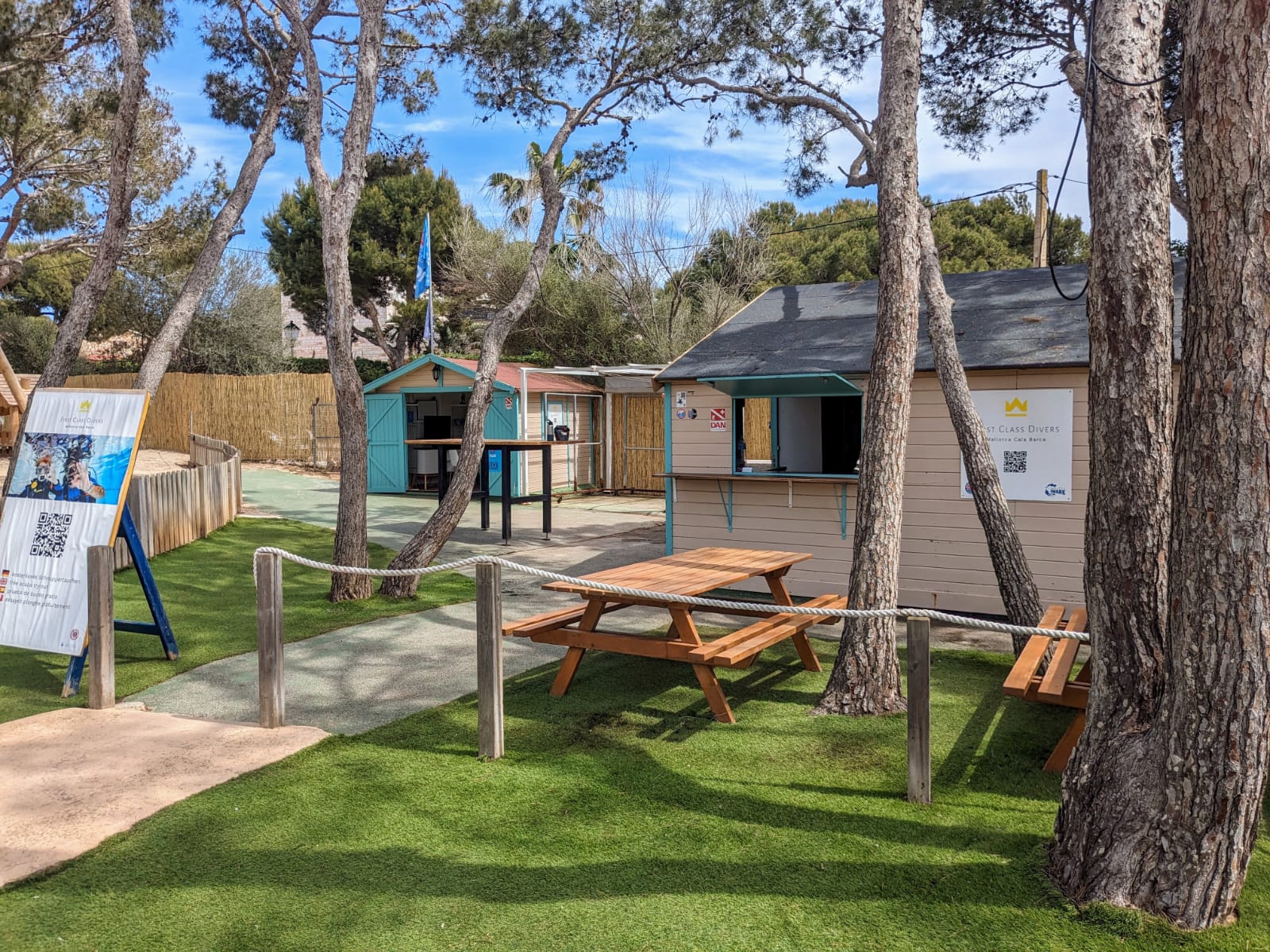
About the centre
Porto Petro, Illes Balears, Spain
Operated by First Class Divers Mallorca, a partner of adventuro.