We partner with Rewilding Britain to help protect our natural spaces for future adventures.
All centres are vetted for safety and quality. Your adventure is in good hands with adventuro.
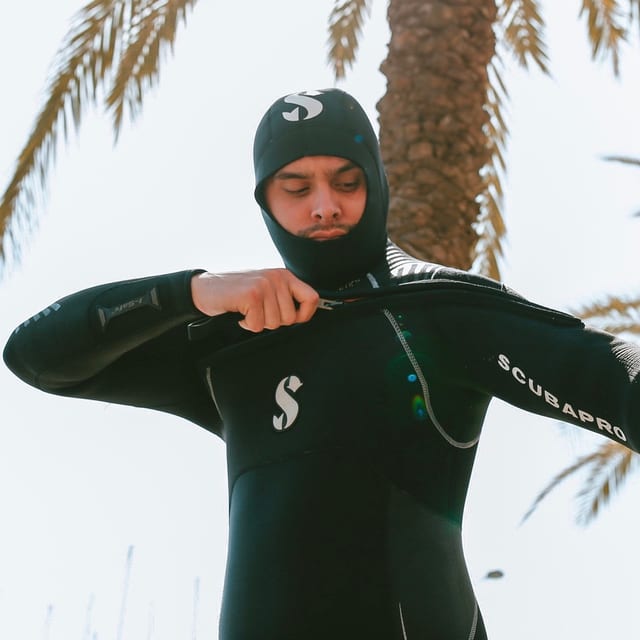
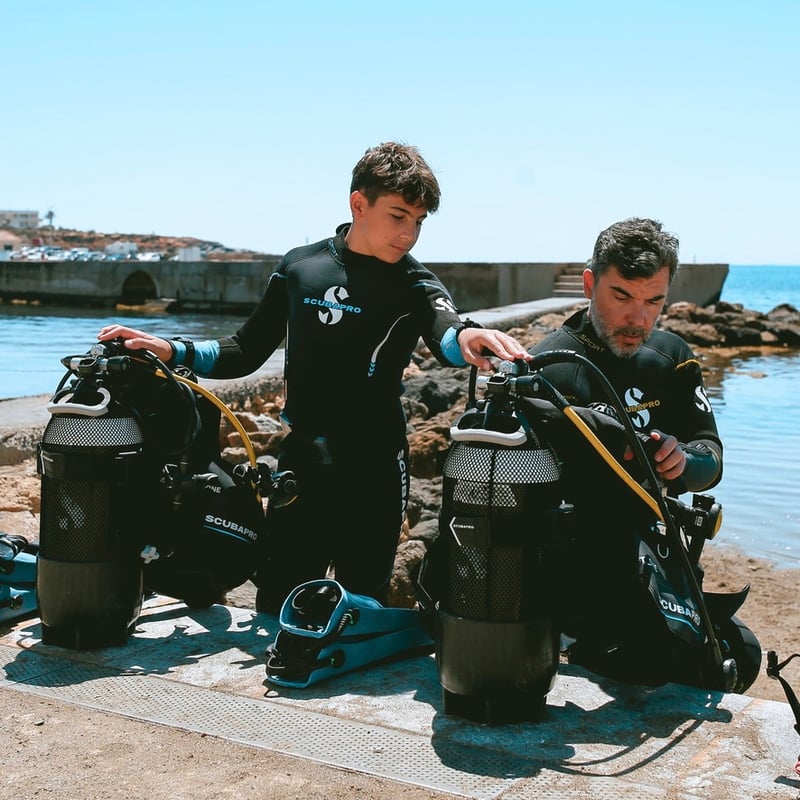
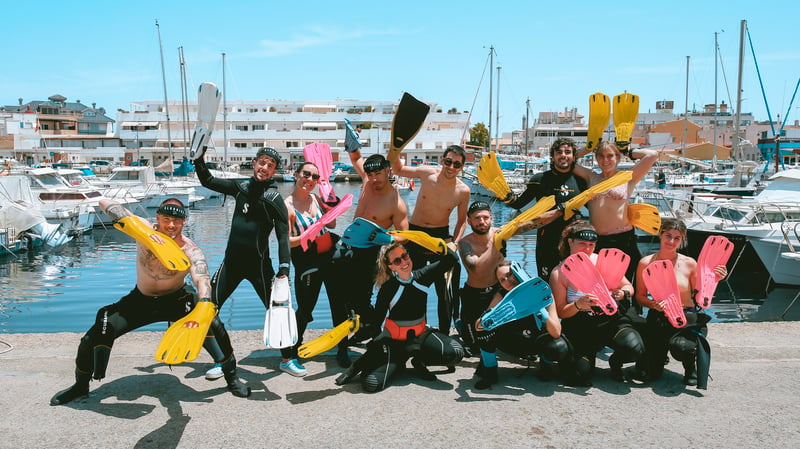
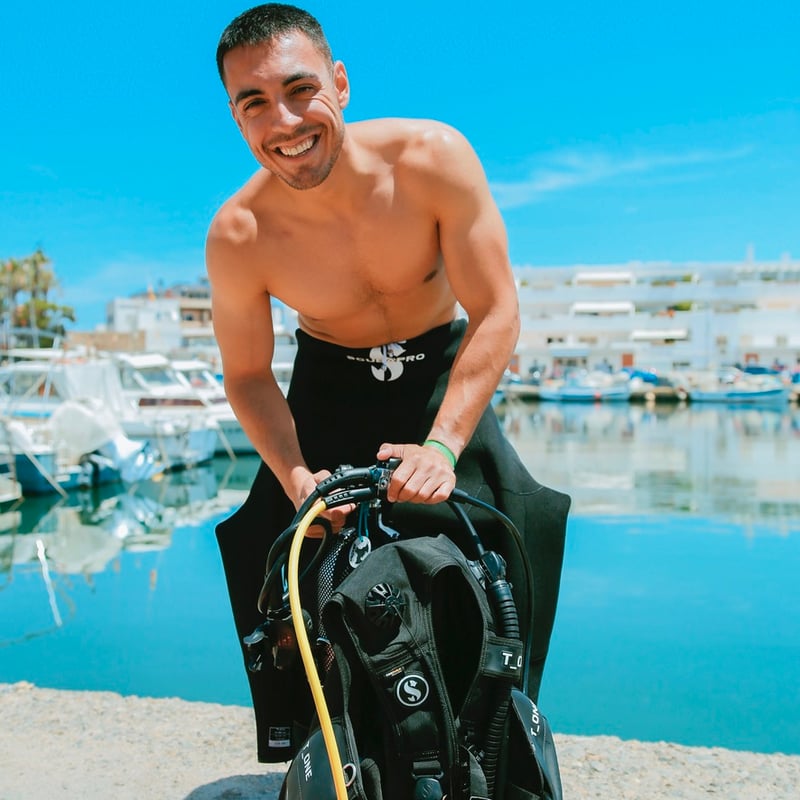
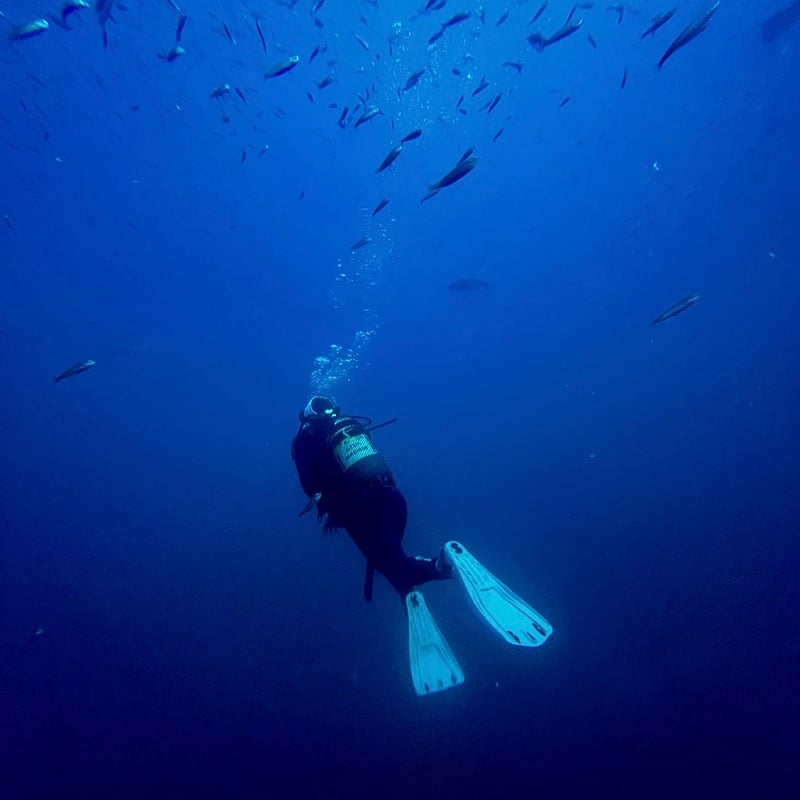
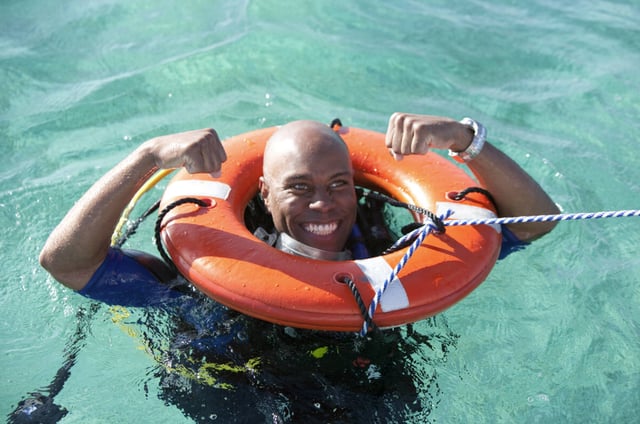
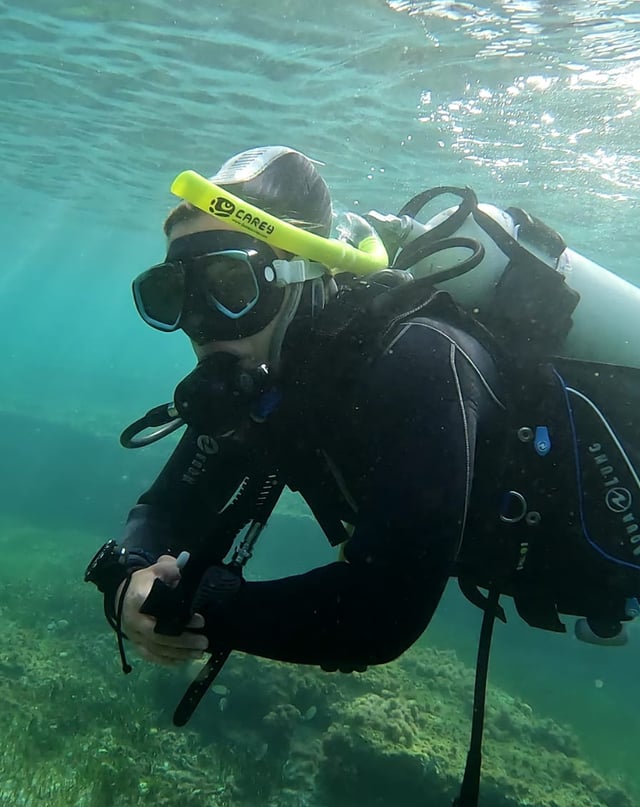
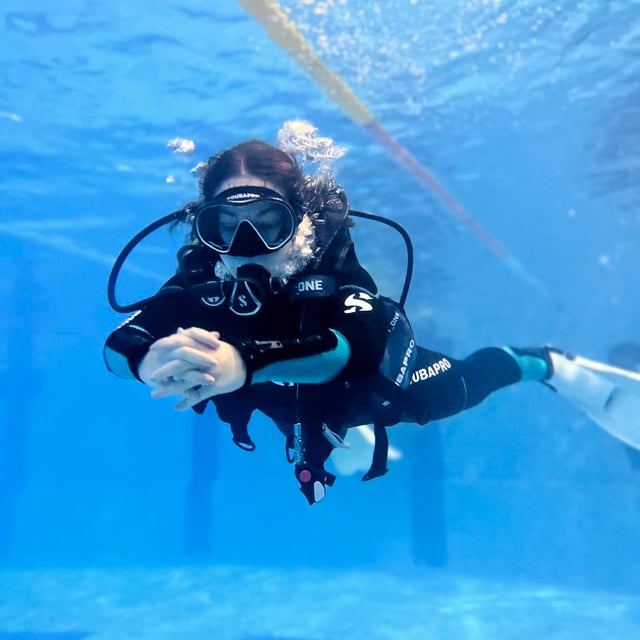
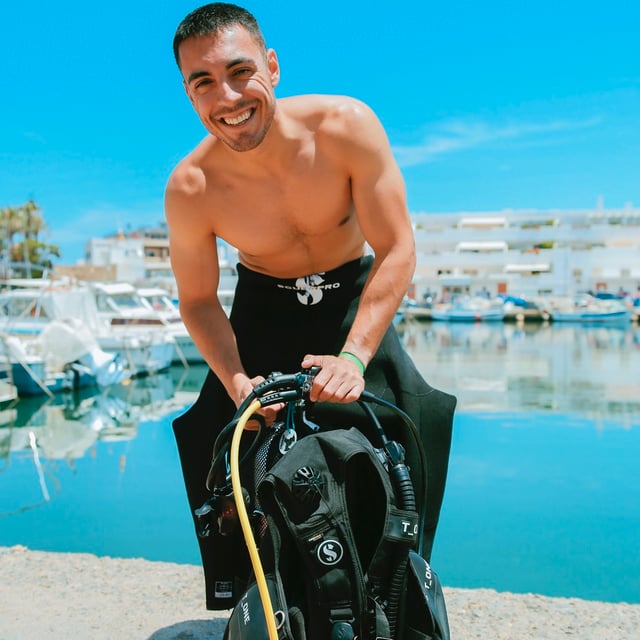
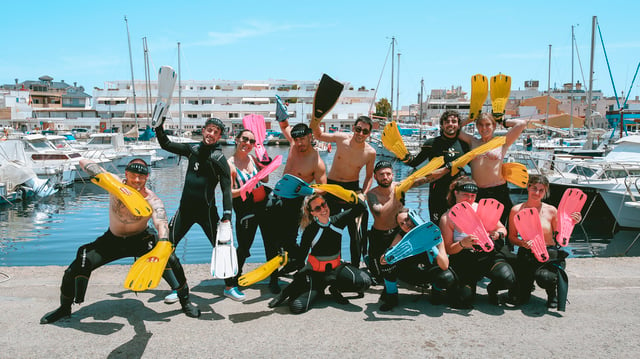
Passez à l'action et devenez le plongeur sur lequel les autres peuvent compter avec le cours PADI Rescue Diver autour de Cabo de Palos. Pendant trois jours intensifs, vous combinerez théorie, exercices pratiques et scénarios de sauvetage réalistes qui renforcent votre confiance dans la gestion des urgences en surface et sous l'eau, une formation souvent décrite comme un tournant dans l'évolution d'un plongeur.
La formation progresse de la révision de l'auto-sauvetage aux sauvetages assistés, puis aux exercices complexes qui simulent des urgences réelles. Chaque séance comprend des briefings et débriefings approfondis afin que vous compreniez non seulement quoi faire, mais aussi pourquoi les décisions comptent sous pression ; votre instructeur veille à créer un environnement bienveillant tout au long de la formation.
Lors des scénarios finaux, vous vous sentirez capable de diriger une intervention structurée tout en respectant les limites de votre formation. Dans nos petits groupes, les erreurs deviennent des occasions d'apprendre, et la répétition des compétences clés renforce une confiance réelle lorsque les choses ne se déroulent pas comme prévu.
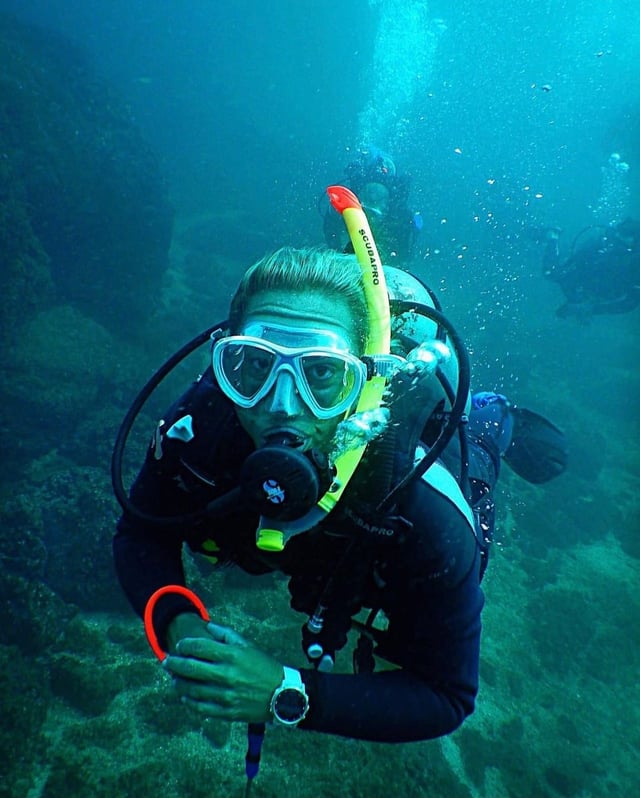
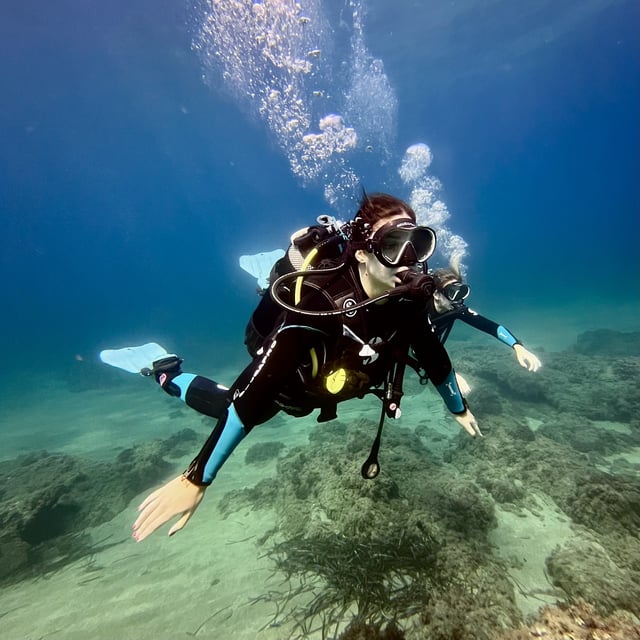
Cabo de Palos offre un accès varié depuis le bord et en bateau pour s'entraîner au sauvetage dans des conditions réalistes. Les baies peu profondes conviennent à la pratique initiale des compétences, tandis que les sites en pleine mer permettent des exercices qui reproduisent les situations de plongée courantes le long de la côte de Murcie.
Notre base de Los Belones simplifie la logistique sur les trois journées complètes de formation. Les conditions locales sont généralement favorables, mais nous privilégions toujours la sécurité de la formation plutôt que la réalisation de scénarios par météo limite.
Vous aurez besoin de la certification PADI Advanced Open Water Diver ou d'une qualification équivalente, ainsi que d'une formation valide en RCP et premiers secours datant de moins de 24 mois. Emergency First Response Primary and Secondary Care est l'association la plus courante. L'âge minimum est de 12 ans pour le Junior Rescue selon les standards PADI.
Apportez vos cartes de certification et votre carnet de plongée pour vérification avant le début du cours. De solides compétences fondamentales en plongée et une expérience récente sous l'eau vous aideront à tirer le meilleur parti des séances pratiques intensives.
La formation Rescue exige des consignes claires et une pratique réaliste. Nous organisons des scénarios authentiques sans être accablants, afin de renforcer votre confiance étape par étape grâce à des retours personnalisés lors de chaque débriefing.
Les petits groupes permettent à chacun de s'exercer à plusieurs reprises aux compétences clés. Avec l'équipement complet fourni et l'eLearning terminé à l'avance, vous pourrez vous concentrer entièrement sur le développement de votre calme et de vos compétences lorsque des urgences surviennent.
Votre cours commence par une théorie consacrée à la prévention des accidents, à la psychologie du plongeur et à la planification des urgences. L'eLearning terminé avant votre arrivée réduit le temps en salle et vous permet de passer rapidement aux séances pratiques.
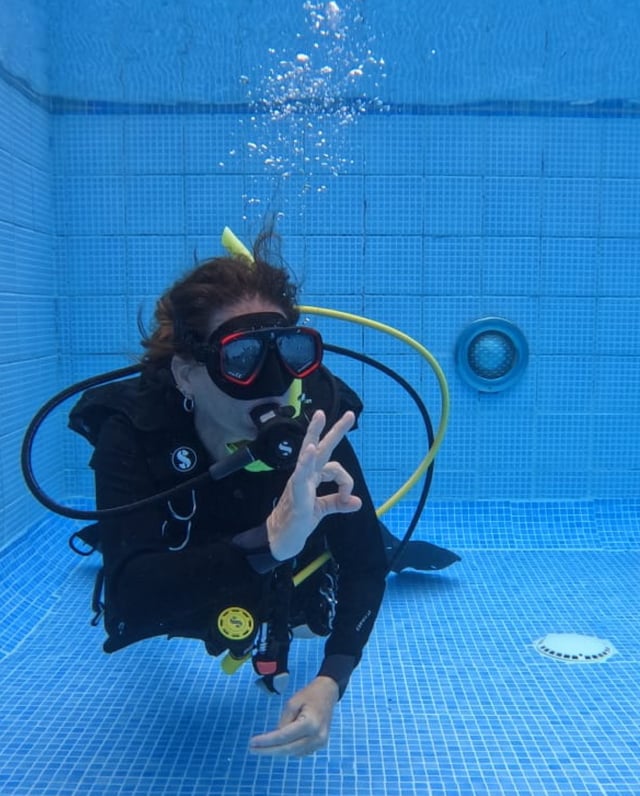
Les compétences d'auto-sauvetage sont révisées en eau peu profonde, avec un rappel des techniques pour faire cesser les crampes, gérer les situations de panne d'air et maîtriser le stress, qui constituent la base de tout le programme Rescue.
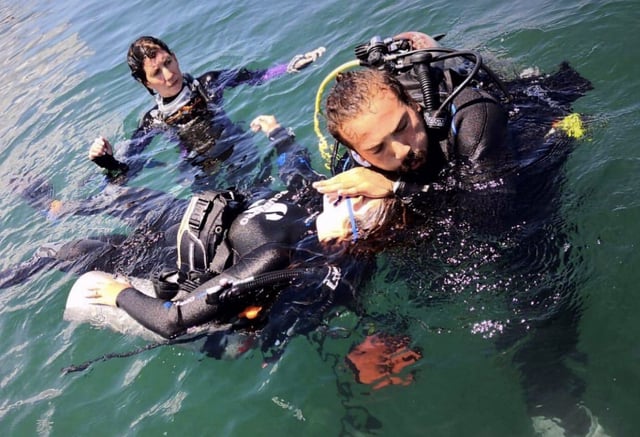
Le deuxième jour introduit les techniques de sauvetage assisté pour les plongeurs fatigués et paniqués, en surface comme sous l'eau. Vous vous exercerez aux approches, aux dégagements et aux remorquages, tout en apprenant à vous protéger pendant les assistances.
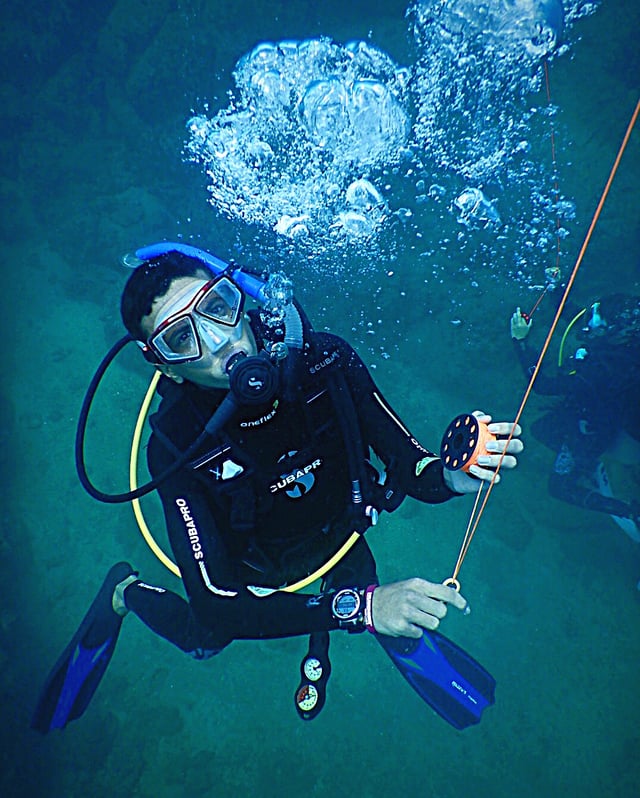
Les procédures en cas de plongeur disparu et les schémas de recherche sont introduits à travers des exercices mettant l'accent sur le travail d'équipe et la communication. Votre instructeur débriefe chaque exercice afin que vous compreniez comment adapter les techniques aux différentes conditions.
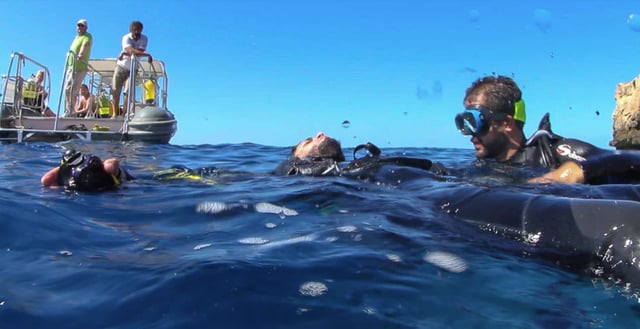
Le dernier jour rassemble toutes les compétences dans des scénarios de sauvetage en milieu naturel. Vous réagirez à des urgences simulées impliquant plusieurs plongeurs, en prenant des décisions concernant la recherche, la récupération et le soutien en surface, tout en gérant votre propre stress.
La réussite du cours vous permet d'obtenir la certification PADI Rescue Diver, une qualification reconnue dans le monde entier et respectée aussi bien par les centres de plongée que par les binômes. Vous repartirez avec des compétences pratiques dont vous espérez ne jamais avoir besoin, mais que vous serez heureux de posséder.
Vous aurez besoin de la certification PADI Advanced Open Water Diver ou d'une qualification équivalente, ainsi que d'une formation valide en RCP et premiers secours datant de moins de 24 mois. Emergency First Response Primary and Secondary Care est l'association la plus courante et peut souvent être organisée en parallèle du Rescue si vous ne possédez pas déjà une qualification valide.
Apportez vos cartes de certification et votre carnet de plongée pour vérification. La formation Rescue suppose de solides compétences fondamentales en plongée et une expérience récente ; indiquez donc à votre instructeur, lors du briefing d'accueil, si vous n'avez pas plongé depuis longtemps.
Rescue Diver est largement considéré comme l'un des cours les plus enrichissants de la plongée de loisir. Vous apprendrez à anticiper les problèmes, à gérer le stress chez vous et chez les autres, et à réagir aux urgences en surface comme sous l'eau.
Ces compétences feront de vous un binôme plus fiable et vous prépareront aux formations de niveau encadrement. De nombreux plongeurs le décrivent comme le cours qui a changé leur façon de penser la sécurité en plongée.
La plupart des cours se déroulent sur trois jours, avec une combinaison de théorie, d'exercices en espace confiné ou en eau peu profonde et de scénarios de sauvetage en milieu naturel. Les séances comprennent une révision de l'eLearning, des exercices dans l'eau et des mises en situation réalistes qui testent la prise de décision sous pression.
Votre instructeur adapte le rythme du cours afin que les compétences se développent logiquement, de l'auto-sauvetage et de la reconnaissance du stress du plongeur à la gestion d'urgences complexes impliquant plusieurs plongeurs. Les horaires exacts dépendent de la météo et de la progression du groupe.
La théorie aborde la psychologie du sauvetage, la prévention des accidents, les plans de gestion des urgences et les aspects liés à l'équipement. L'eLearning PADI peut être terminé avant votre arrivée afin de consacrer un maximum de temps à la formation pratique.
Dans l'eau, vous vous exercerez à assister des plongeurs fatigués, à réagir face à des plongeurs paniqués, à appliquer les procédures en cas de plongeur disparu et à remonter un plongeur inconscient. Les scénarios de fin de formation combinent plusieurs compétences dans des environnements réalistes autour de Cabo de Palos.
Oui, l'équipement complet de plongée est inclus pour toutes les plongées d'entraînement et tous les scénarios. Des accessoires supplémentaires de sauvetage, tels que des flotteurs, des lignes et des masques de poche, sont fournis selon les exigences du programme PADI.
Apportez l'équipement personnel que vous préférez, mais le matériel standard du cours est fourni et entretenu pour la formation. Votre instructeur vous montrera comment utiliser correctement l'équipement de sauvetage avant les exercices en scénario.
À l'issue de la formation, vous recevrez avec succès la certification PADI Rescue Diver, une étape importante dans la pratique de la plongée de loisir. Rescue Diver est un prérequis pour suivre la formation professionnelle de Divemaster PADI.
Votre carte de certification numérique est délivrée par PADI après l'envoi des documents requis. Cette qualification indique aux centres de plongée et à vos binômes que vous avez été formé à intervenir en cas d'urgence.
L'âge minimum est de 12 ans pour le Junior Rescue Diver, conformément aux standards PADI, avec des limites de profondeur et de supervision adaptées. Les participants de moins de 18 ans doivent obtenir l'accord d'un responsable légal sur les documents d'inscription.
La formation Rescue implique des entrées et sorties répétées de l'eau ; un niveau raisonnable d'aisance aquatique est donc important. Parlez de vos éventuelles inquiétudes à votre instructeur lorsque vous vous renseignez.
Une formation valide en RCP et premiers secours datant de moins de 24 mois est requise avant la délivrance de la certification Rescue. Emergency First Response est l'association la plus courante et peut être proposée localement si vous devez la suivre ou la renouveler.
Indiquez-nous votre niveau de formation aux premiers secours lorsque vous vous renseignez afin que toute formation supplémentaire puisse être programmée. Les compétences de sauvetage supposent que vous sachiez pratiquer les gestes élémentaires de survie en surface.
Apportez vos cartes de certification, votre carnet de plongée, votre maillot de bain, une serviette, de l'eau potable et une protection solaire. Les scénarios de sauvetage peuvent impliquer des entrées et sorties répétées ; des vêtements confortables pour les longues séances sont donc recommandés.
Une attitude positive et la volonté de jouer des situations d'urgence aident tout le monde à progresser. Prévoyez un hébergement près de Los Belones ou de Cabo de Palos pour les départs matinaux des journées consacrées aux scénarios.
Vous serez un binôme plus attentif lors de vos plongées autour des épaves, des récifs et de la réserve marine près de Cabo de Palos. Les compétences de sauvetage vous resteront utiles tout au long de votre vie de plongeur, même si vous ne travaillez jamais dans le secteur.
Votre instructeur pourra vous conseiller sur les parcours professionnels en fonction de vos objectifs après la certification.
À propos du centre
Los Belones
From your first breath underwater to advanced wreck dives off the Murcia coast, you'll find patient PADI instruction in clear Mediterranean water. Sessions run from a school base near Los Belones with easy access to Cabo de Palos, one of Spain's best-loved dive areas.
Whether you want a relaxed snorkel from the shore, a boat trip to the marine reserve, or a full certification course, your instructor keeps groups small so you progress at a comfortable pace. All scuba and snorkel equipment is included, and every session starts with a clear safety briefing before you head to the water.
Géré par Albadive - Diving & Experiences, partenaire de adventuro.