We partner with Rewilding Britain to help protect our natural spaces for future adventures.
All centres are vetted for safety and quality. Your adventure is in good hands with adventuro.
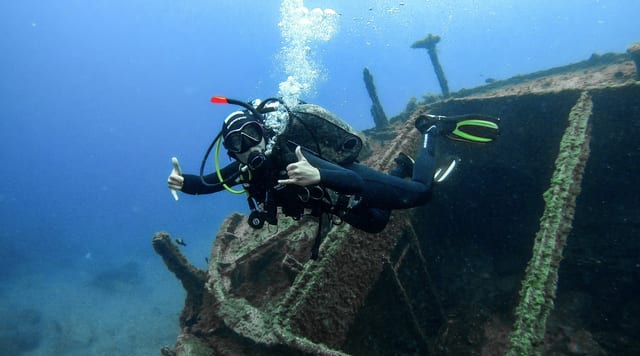
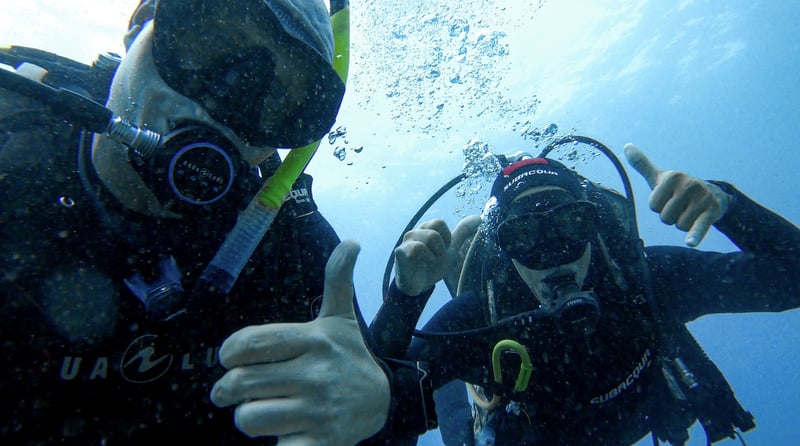
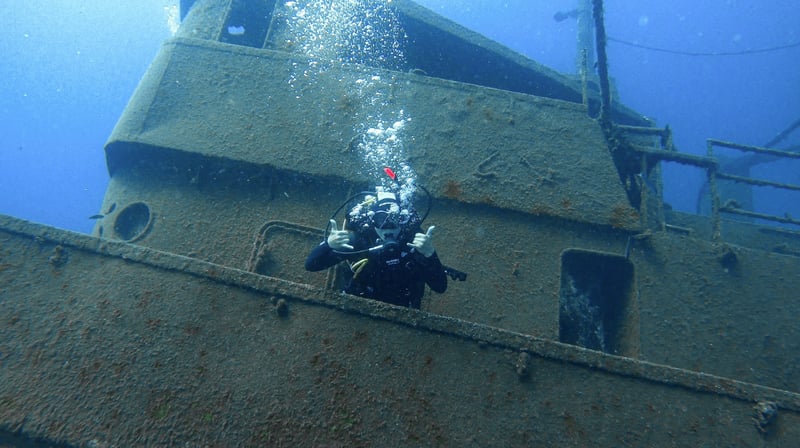
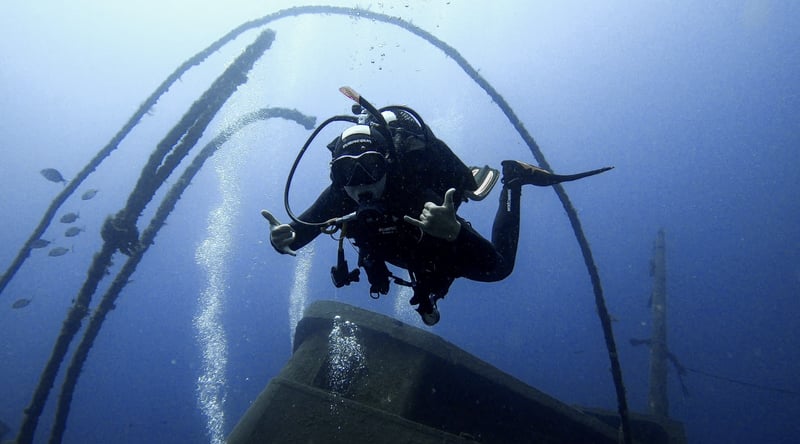
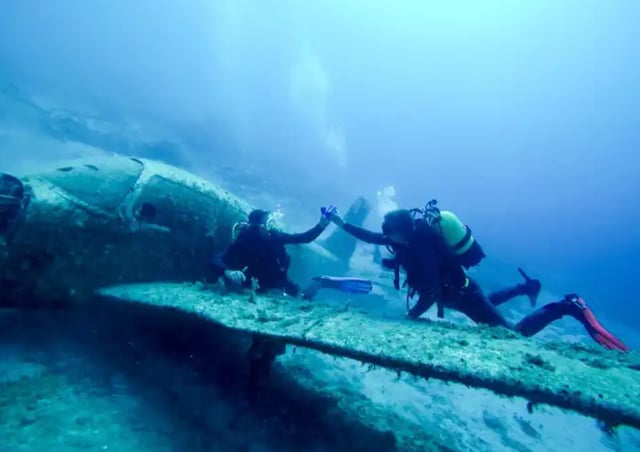
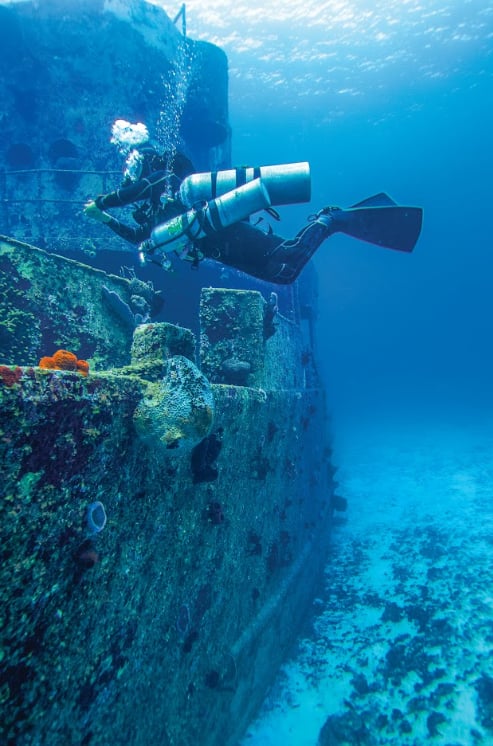
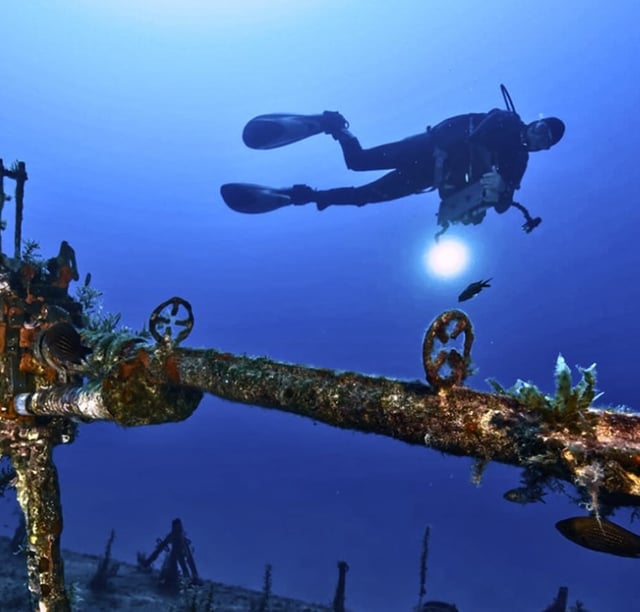
Sunken ships and underwater structures have fascinated divers for decades. The PADI Wreck Diver speciality teaches you how to safely explore wreck sites, understand their unique hazards and develop the skills needed to enjoy one of the most popular forms of adventure diving.
Unlike natural reefs and rock formations, wrecks provide a completely different diving experience. Before entering the water, you'll complete the PADI eLearning and theory sessions covering wreck diving procedures, safety considerations and responsible interaction with underwater structures.
Training then moves into practical exercises where you'll learn how to approach wreck sites safely, assess conditions and identify potential hazards. Special attention is given to navigation, maintaining awareness around structures and using guidelines correctly when exploring overhead environments.
The course includes four wreck dives, allowing you to apply what you've learned in real diving conditions. Under instructor supervision, you'll practise techniques used during wreck exploration and gain experience around submerged structures while building confidence and control.
By the end of the programme, you'll have the knowledge and skills needed to enjoy recreational wreck diving more safely and responsibly. The certification can also serve as a foundation for further training and more advanced overhead-environment diving in the future.
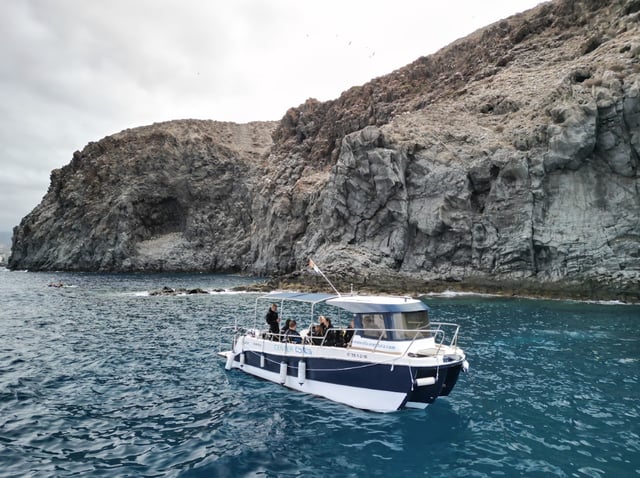
Training takes place in South Tenerife, where access to a variety of dive sites provides excellent opportunities for speciality training. Conditions throughout much of the year allow instructors to select suitable locations for developing wreck diving skills.
Depending on conditions and course requirements, dives may take place at different sites that provide realistic wreck-diving scenarios and practical learning opportunities.
You must hold a PADI Adventure Diver certification with the Underwater Navigation Adventure Dive completed, or a higher-level certification such as Advanced Open Water Diver. Equivalent qualifications from other recognised diving organisations may also be accepted.
Divers should be comfortable underwater, have good buoyancy control and be medically fit for scuba diving.
Wreck diving requires a combination of good diving skills, careful planning and strong situational awareness. The instructors focus on developing these abilities in a practical and supportive environment.
The course is designed to give divers confidence around underwater structures while promoting safe and responsible diving practices that can be used on wreck sites around the world.
Wreck diving involves exploring man-made objects that have become submerged underwater. These can include ships, boats, aircraft, vehicles and other structures.
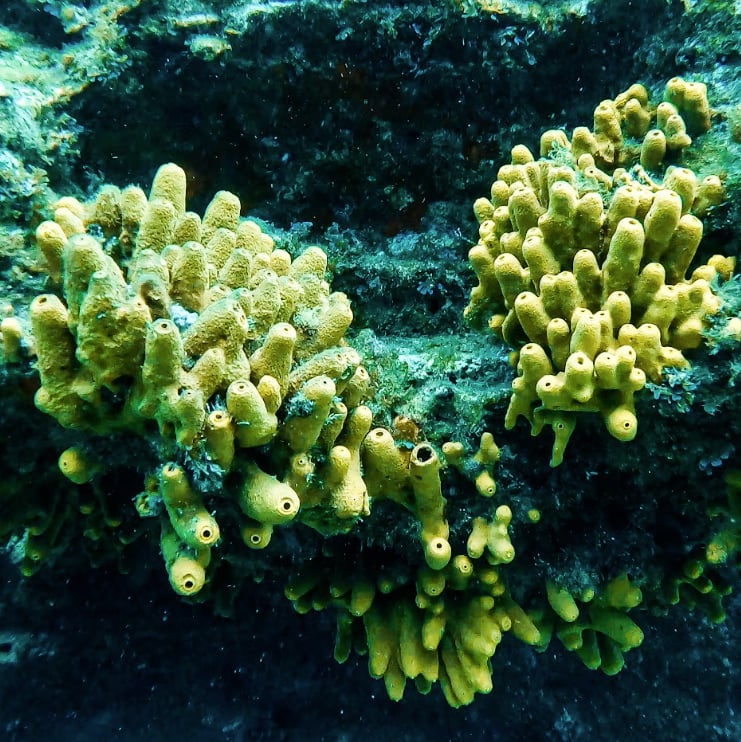
Many wrecks develop into artificial reefs over time, attracting marine life and creating fascinating dive sites for recreational divers.
No. The course is specifically designed to teach the skills required for recreational wreck diving.
However, you must already hold the required diving certification and be comfortable with general scuba diving skills before enrolling.
The course introduces the principles and techniques involved in limited wreck penetration where appropriate and safe to do so.
Any penetration training is conducted under professional supervision and within recreational training limits.
Wrecks present additional considerations such as overhead environments, restricted spaces, sharp edges and navigation challenges.
The course teaches divers how to recognise and manage these factors while maintaining safe diving practices.
The programme includes four training dives focused on wreck-diving techniques and procedures.
Each dive builds on the previous one, helping you develop confidence and practical experience around submerged structures.
You'll learn about wreck assessment, dive planning, hazard recognition, guideline use and safe exploration techniques.
The aim is to develop the knowledge needed to enjoy wreck diving safely rather than simply visiting a wreck site.
Yes. Many divers take the Wreck Diver speciality soon after completing their Advanced Open Water certification.
The course is designed to build on existing diving skills while introducing new techniques specific to wreck environments.
Many wrecks attract fish and other marine species because they provide shelter and feeding opportunities.
The amount and variety of marine life depends on the site, season and local conditions during your course.
About the centre
Arona
Operated by Kayaking Atlantis, a partner of adventuro.
Surrey, East and West Sussex, United Kingdom
From £350