
We partner with Rewilding Britain to help protect our natural spaces for future adventures.
All centres are vetted for safety and quality. Your adventure is in good hands with adventuro.
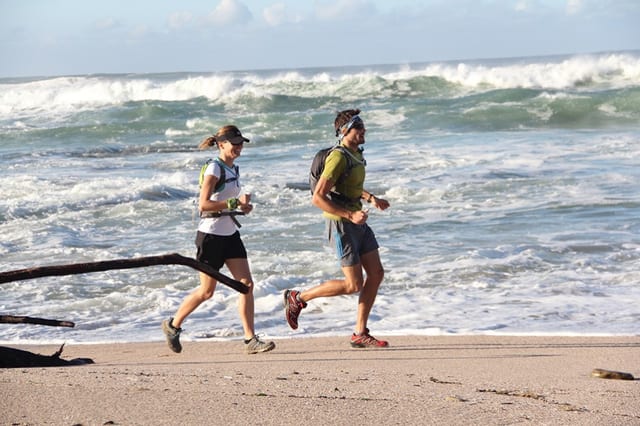
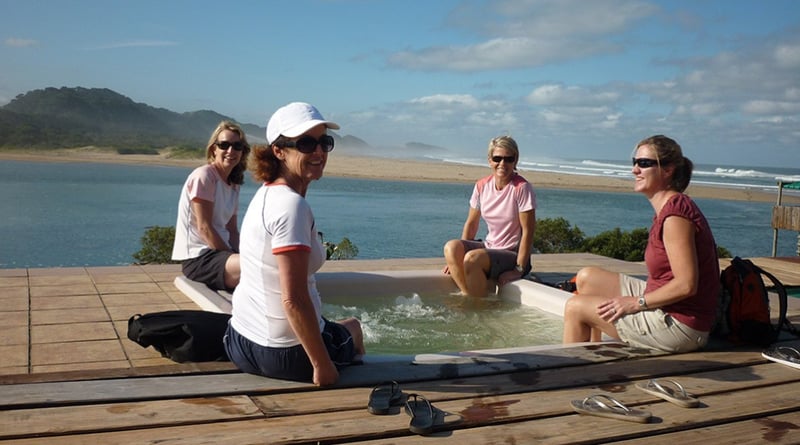
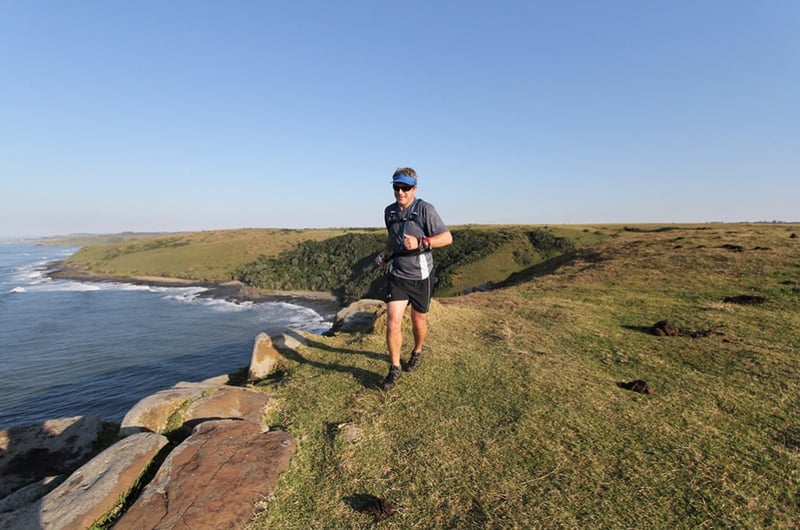
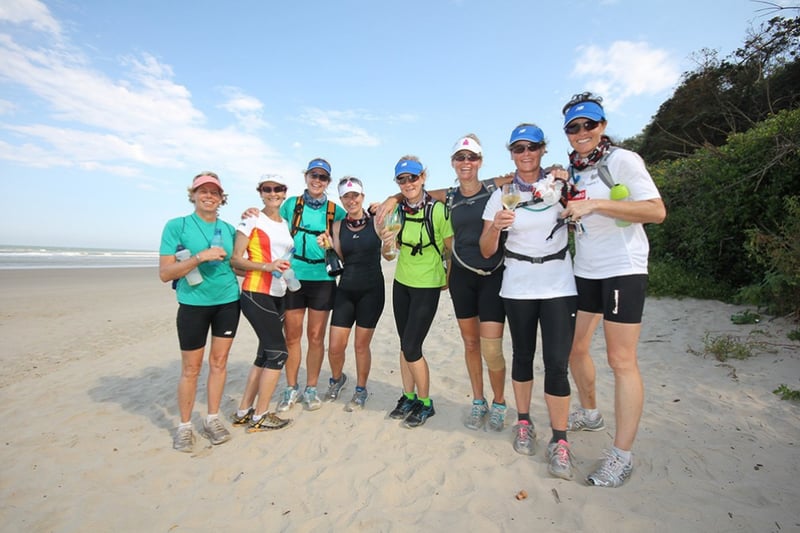
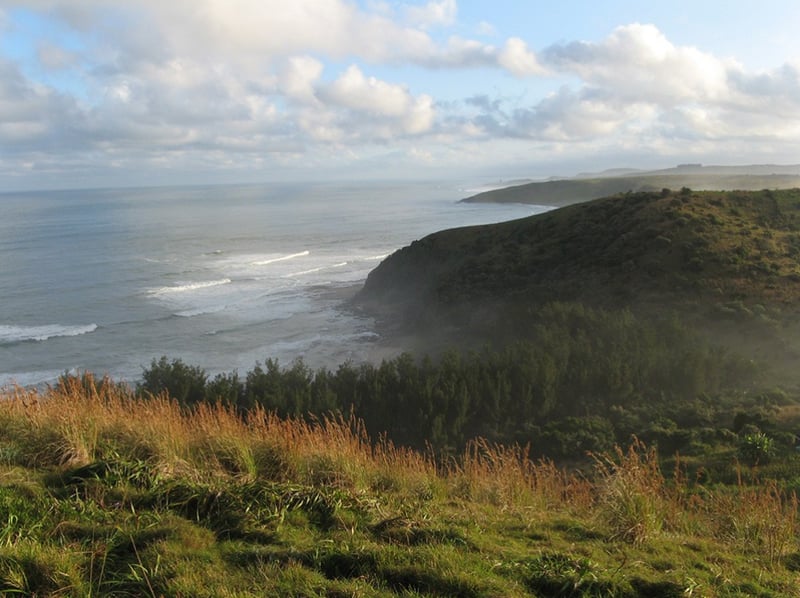
This 4-night trail running adventure covers the southern stretch of the Wild Coast, linking long coastal stages with comfortable hotel stays each night. Designed for fitter hikers and trail runners, the route combines fast walking or jog-walking over long beaches, rocky headlands, forest paths, and quiet coastal tracks. With hotels providing all meals, bedding, and towels, you can move efficiently with a superlight pack and focus fully on the running.
The trail follows local fishermen’s paths and natural coastal lines, passing remote river mouths, estuaries, and wide open beaches. Distances are roughly double that of the standard hiking route, making early starts and a steady pace important, but there is very little ascent overall. Technical difficulty remains low, with only short sections of boulder hopping and no scrambling or exposed terrain.
Although the trail is self-guided, the logistics are carefully arranged. Airport transfers are included, excess luggage can be stored, and optional vehicle luggage support can be arranged for larger groups. The result is a rewarding coastal run that balances challenge, freedom, and comfort at the end of each long day.
The route follows the Lower Wild Coast Hotel Hopper trail over three trail running days, covering approximately 25–30km per day. Terrain is predominantly coastal and flattish, with long beach sections, rocky wave-cut platforms, grassy headlands, and forest tracks. Navigation is straightforward, making this one of the easiest coastal routes to complete without guides.
Each day finishes at a well-positioned coastal hotel, allowing for proper recovery, hot meals, and time to wash and dry running kit overnight. The trip is costed on a self-supported basis, as guides and porters are not able to cover these extended daily distances.
The team has been designing active, nature-based adventures since 2007, with a strong emphasis on meaningful physical challenge and time spent in less-accessed landscapes. Trips are carefully structured to push comfort zones while remaining achievable, with logistics handled in a way that supports independence rather than over-managing the experience.
Sustainability, fair local partnerships, and low-impact travel are central, creating adventures that feel purposeful, well considered, and genuinely rewarding.
Accommodation is provided in characterful Transkei hotels, each offering a warm welcome and a comfortable place to recover after long trail days. Rooms are available on a twin, double, or family-sharing basis, all with bedding and towels supplied.
Meals are a highlight, with 3–4 course dinners, full cooked breakfasts, and packed lunches prepared daily. This level of catering allows you to run with minimal gear, relying on the hotels for comfort and nutrition throughout the trip.
This route is designed for fitter hikers and trail runners who are comfortable covering 25–30km per day. A jog-walk or fast-walking approach works well, provided you are used to sustained distance over multiple days.
Those without long-distance experience may find the distances demanding, even though the terrain is not highly technical.
No guides or porters are provided, as the distances covered combine multiple hiking sections into single days. The route is easy to navigate, with maps and directions supplied.
This self-guided format offers flexibility and independence while still benefiting from organised logistics and accommodation.
Terrain is mostly coastal and flattish, with long sandy beaches, rocky shelves, grassy headlands, and forest tracks. There is very little ascent overall.
Some boulder hopping is required on rocky beach sections, but there are no scrambling or exposed sections.
Daily luggage transfers are not included as standard and are only feasible for larger groups. This is due to the extended daily distances covered.
Excess luggage can be left with the transfer provider or in your vehicle if self-driving to the endpoint.
Trail running shoes with good grip are ideal, preferably with an inner mesh layer to reduce sand entry.
Lightweight trail gaiters are also useful, particularly on longer beach sections.
A properly fitted trail running pack or vest is essential to prevent movement and chafing. A capacity of 20-25 litres is ideal. You’ll need space for water, snacks, and spare clothing layers, but no overnight gear.
The Wild Coast can be run year-round, but March to November generally offers more stable weather and lower rainfall.
Winter months are particularly comfortable, with mild temperatures and lower humidity.
Yes, the trip includes either return airport transfers from East London or a shuttle between the trail endpoint and start point.
Group members need to coordinate arrival times, and additional transfers can be arranged at extra cost if required.
All meals are included, from dinner on the arrival night to breakfast on departure. This includes four dinners, four breakfasts, and three packed trail lunches.
Meals are prepared by the hotels and are well suited to active days on the trail.
Yes, extra nights or adjusted stages can be added, and accommodation upgrades are possible on certain nights.
Custom options should be discussed in advance to ensure availability and smooth logistics.
About the centre
Crawfords
Operated by Active Escapes, a partner of adventuro.

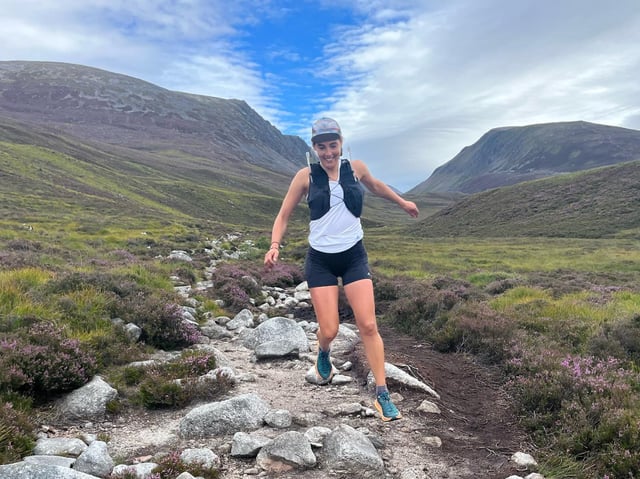
Highlands & Islands, United Kingdom
From £379
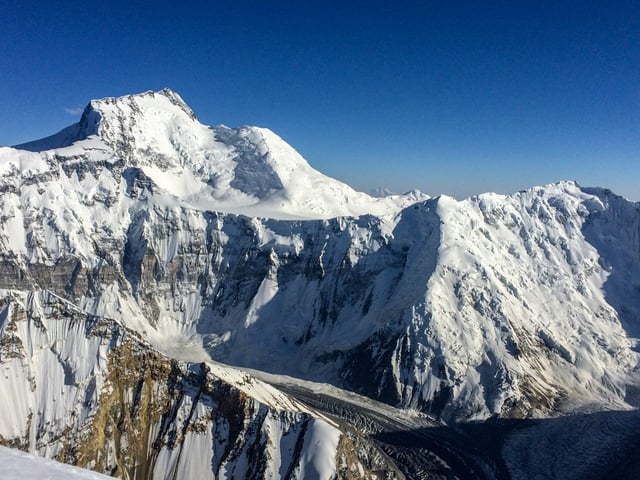
Gorno-Badakhshan, Tajikistan
From €6300
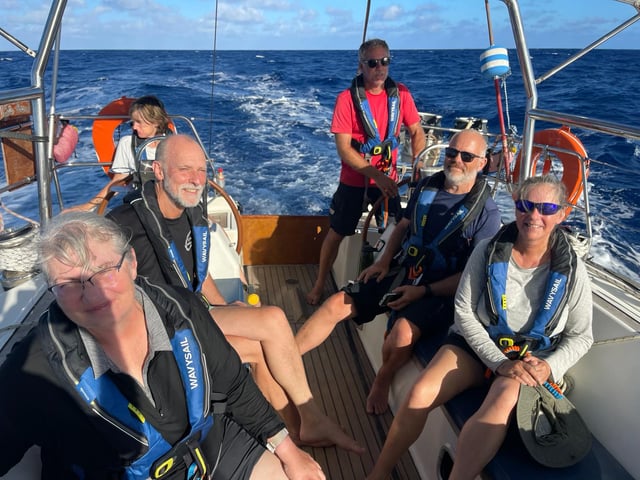
Cape Peninsula & Atlantic Seaboard, South Africa
From £6995
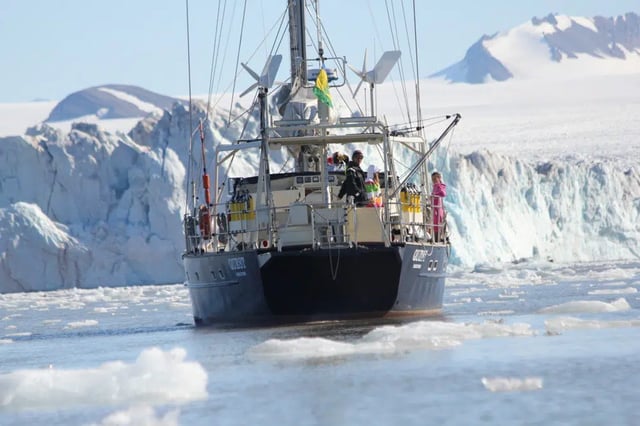

Ysyk-Köl Region (Issyk-Kul), Kyrgyzstan
From €4800
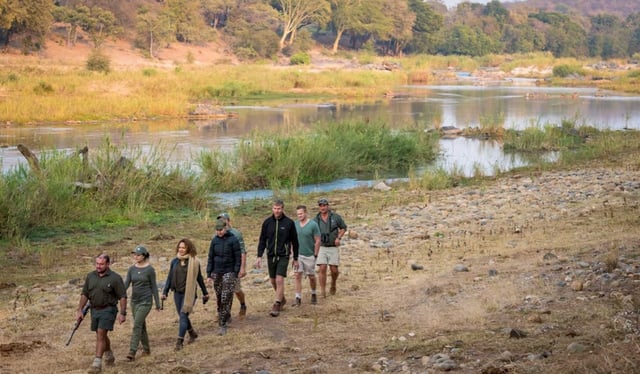
Far-North Kruger & Limpopo Valley, South Africa
From R18212
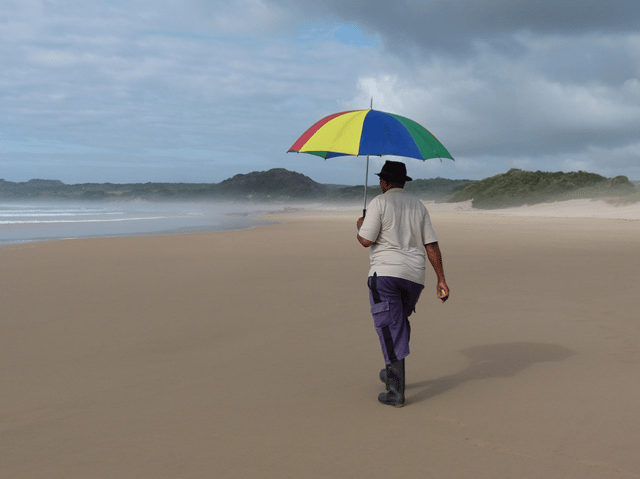
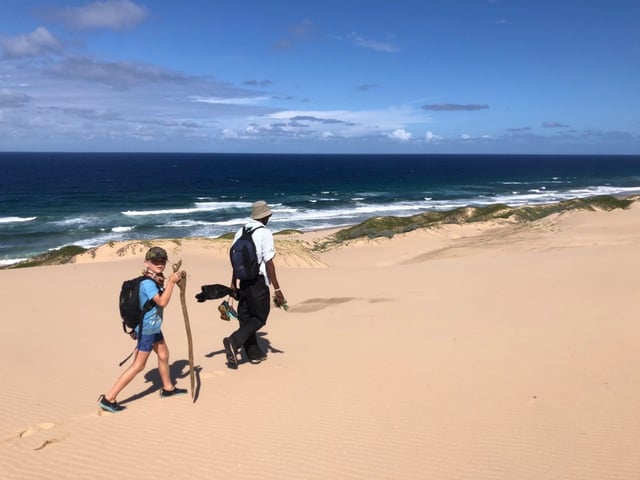
iSimangaliso & KZN North Coast, South Africa
From R13340
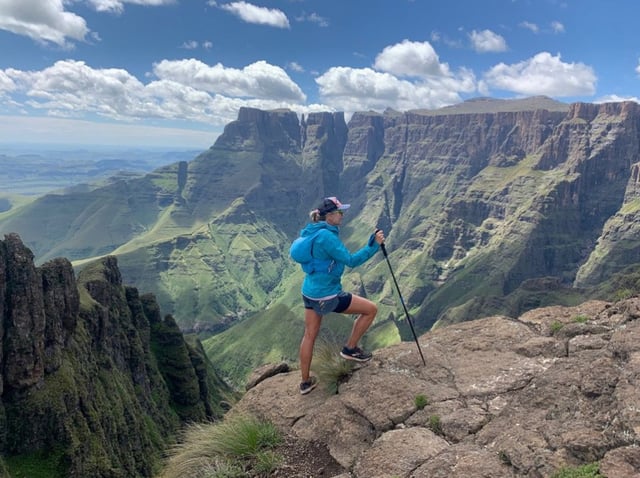
Drakensberg Amphitheatre, South Africa
From R9512
Drakensberg Amphitheatre, South Africa
From R8352
Winelands & Franschhoek Valley, South Africa
From R10208