Experience your first real scuba dive in the Mediterranean with a structured basic diver session designed for absolute beginners. You’ll start with a clear, simple theory briefing, practise key skills in shallow water, then complete a full open-water dive to a maximum of 12 metres under close supervision. It’s an ideal way to find out how it feels to breathe underwater and move weightless in the sea, without committing to a full certification course.
Your session begins at the dive base in Marfa Bay, where you’ll meet your instructor and complete a short check-in and indemnity form. You’ll then take part in a focused theory briefing that covers the essential principles needed for a safe first dive: how the equipment works, equalisation, breathing techniques, hand signals, and what to expect during descent, bottom time, and ascent. The aim is to keep the information easy to follow while giving you a solid understanding of what will happen in the water. Questions are encouraged so that you feel confident before leaving the shore.
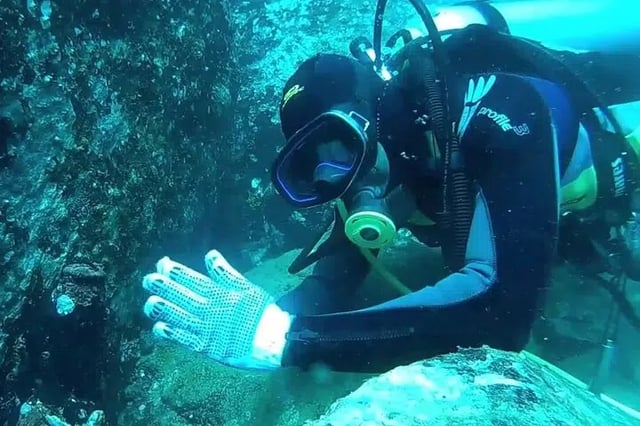
After gearing up with a wetsuit, buoyancy control device, regulator, mask, fins, and tank, you’ll move into shallow water to practise your first skills. Under direct supervision, you’ll get used to breathing from the regulator, clearing water from your mask, recovering the regulator if it comes out of your mouth, and adjusting buoyancy. This controlled segment lets you focus on comfort and technique before going deeper, and your instructor will remain close at all times to help with positioning and calm, slow breathing.
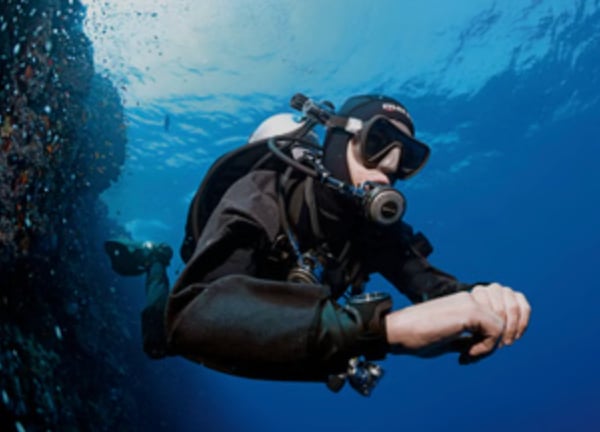
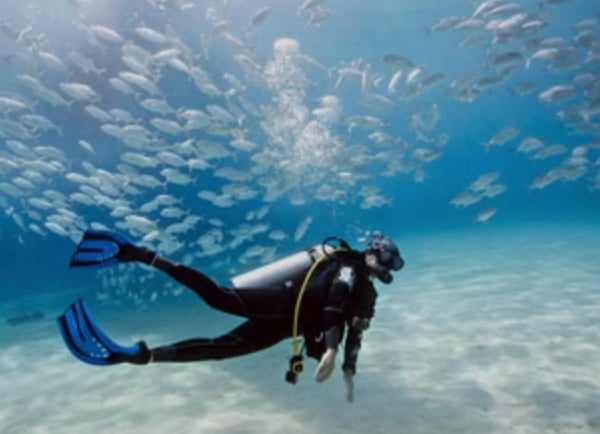
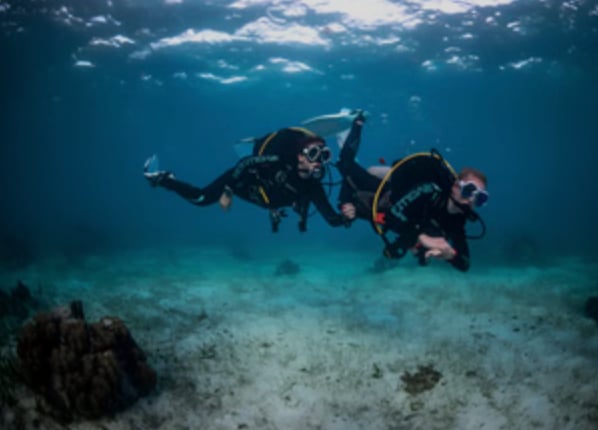
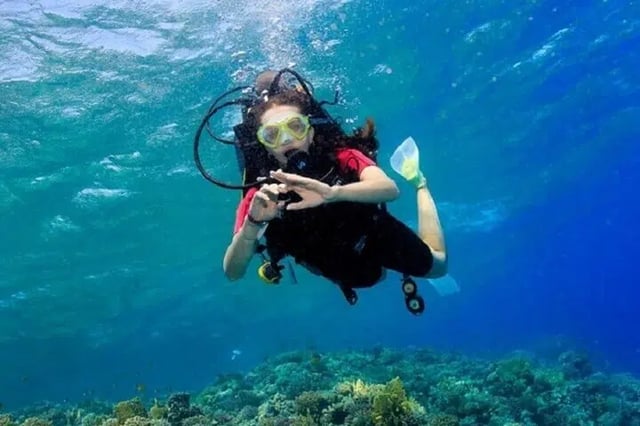
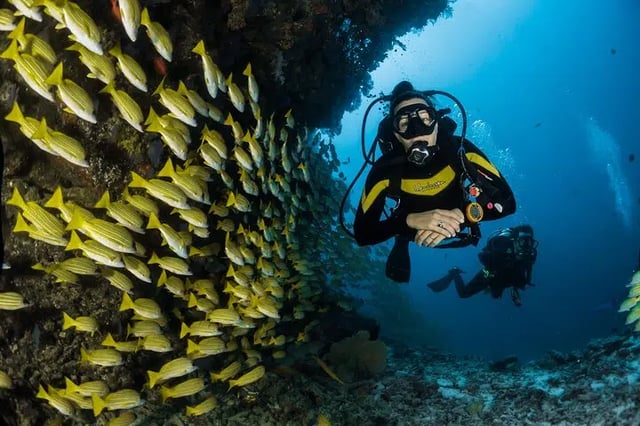
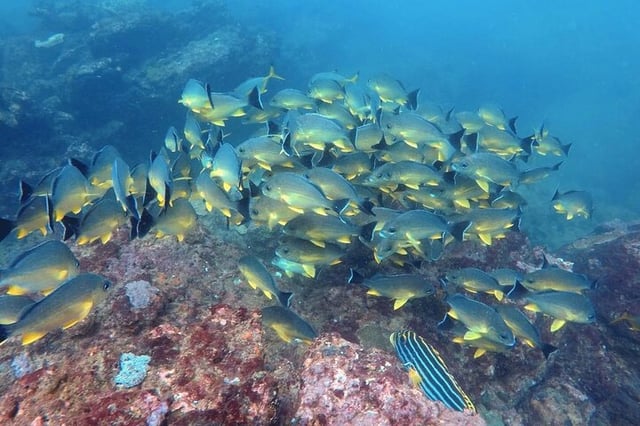
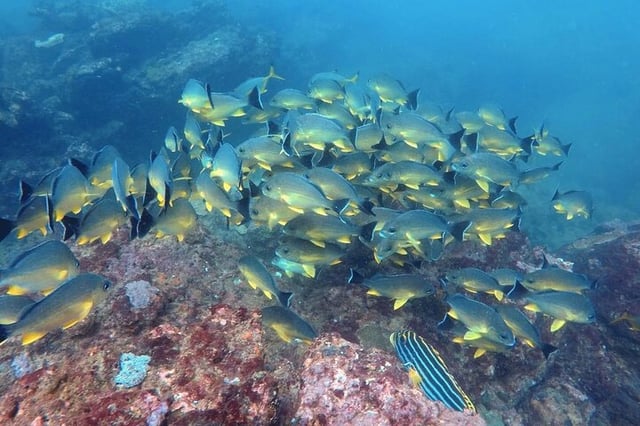
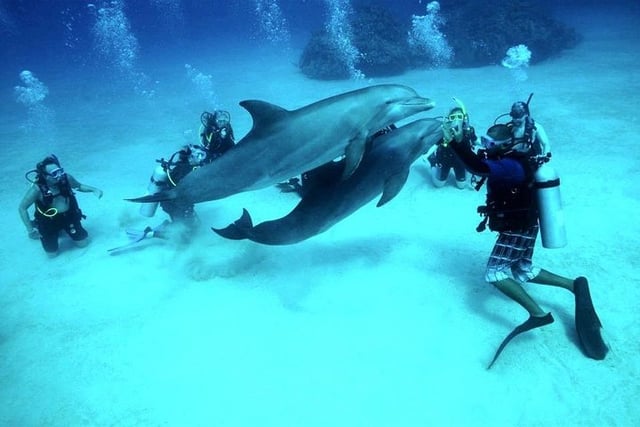
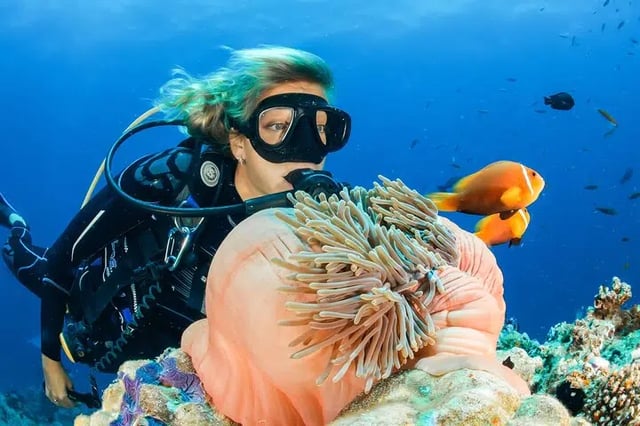
Once you are comfortable, it is time for your introductory open sea dive. The instructor will guide you on a gradual descent to a maximum of 12 metres, where you can experience neutral buoyancy and explore the local marine life. You can expect to see typical Mediterranean species such as bream, wrasse, and small reef fish along rocky bottoms and seagrass beds, with time to practise finning and hovering in place. Throughout the dive, your instructor monitors depth, time, air supply, and your comfort level, giving you clear signals and support until you return to the surface and back to shore or the base, where the session ends with a debrief and time to ask further questions about progressing your scuba training.
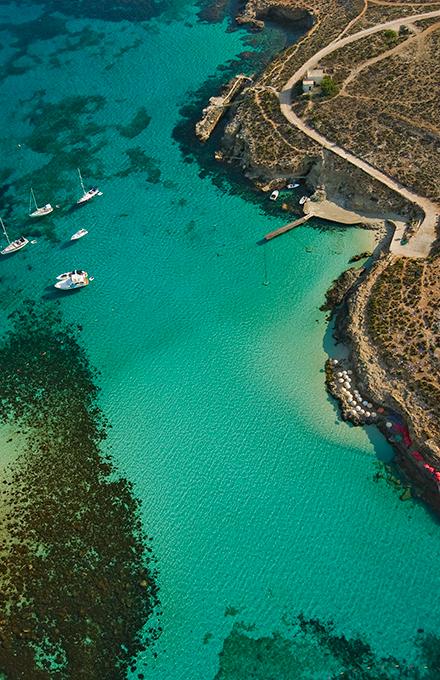
The activity is based in Marfa Bay, close to Mellieħa in the north of Malta, an area well known for clear water, easy shore access, and beginner-friendly dive sites. The base is near the Riviera Spa Resort, which makes it convenient if you are staying in the Mellieħa and Marfa region or heading to the Gozo and Comino ferry terminals. Sea conditions and wind direction on the day will determine the exact dive site, allowing the team to choose a location with suitable visibility, protection, and access for new divers.
If you have not booked hotel pick-up, you will meet directly at the dive base in Marfa Bay for 14:00. The area is reachable by car, taxi, or local bus services running between Mellieħa and the northern tip of the island. Clear directions are provided with your booking, and staff on site will guide you through equipment fitting and preparation before heading to the water. For those staying in major hotels in Mellieħa, return transfers can be included on certain options, keeping logistics simple and allowing you to focus on the diving experience.
This introductory dive is designed for complete beginners, so no previous scuba experience is required, but you must be able to swim and feel comfortable in open water. A reasonable level of general fitness is important, as diving involves carrying equipment, moving in waves, and managing controlled breathing. Participants must be at least 10 years old, and younger divers will be supervised particularly closely, with group ratios and depths adjusted to keep things comfortable and safe.
Medical fitness for diving is taken seriously. Conditions affecting the lungs, heart, nervous system, or overall physical stability can pose a risk underwater. People with asthma, chronic lung disease, recent surgery, heart conditions, seizures, psychological disorders, uncontrolled diabetes, severe allergies, or those who are pregnant should be medically evaluated before taking part. If you have any doubts, it is essential to consult a doctor experienced in dive medicine ahead of time and bring medical clearance if advised. On the day, all participants must complete and sign an indemnity and medical questionnaire at the base before entering the water.
This basic diver session has been structured specifically as a safe, educational first step into scuba diving in Malta. By combining a clear theory briefing, skill-building in shallow water, and a guided open sea dive, you get a complete introductory experience rather than a simple underwater “taster”. Depth is limited to 12 metres, giving you enough range to enjoy genuine open-water conditions while keeping within conservative limits for new divers. With equipment included and pick-up available from major Mellieħa hotels on selected options, the logistics are straightforward whether you are based locally or visiting the area for the day.
You will be guided by qualified instructors who are experienced in working with beginners and who speak multiple languages, helping you feel at ease throughout the session. Their focus is on solid foundational skills, good buoyancy habits, and safe underwater conduct, so that you finish the dive not only with great memories but also with a realistic sense of whether you would like to continue towards a full entry-level certification. For anyone curious about scuba diving in Malta, this is an efficient, well-supported way to experience the underwater environment in real open sea conditions.
This session is specifically designed for absolute beginners who have never dived before. It starts with a clear, step-by-step theory briefing where the instructor explains how the equipment works, how to breathe calmly through the regulator, how to equalise your ears, and what to expect during the dive. You are encouraged to ask questions, so any worries about being underwater can be talked through before you even get into the sea.
After the briefing, you move into shallow water to practise the basic skills in a controlled environment. You will try breathing with your face in the water, clearing a partly flooded mask, and recovering your regulator if it comes out of your mouth. Only when you are comfortable with these basics will the instructor take you on the open sea dive, keeping to a maximum depth of 12 metres and staying close by for the entire time.
The full activity usually takes around 2 to 2½ hours from arrival to finish. The first part is check-in, paperwork, and theory; this includes signing the indemnity form and completing any medical questionnaire, followed by a focused briefing in which your instructor covers safety rules, underwater signals, and the structure of the session. This is not rushed; the idea is to ensure you understand the essentials and feel ready for the practical part.
Once the theory is done, you will be fitted with your equipment and head to the water. There will be time in shallow water for skills and familiarisation, then the main open sea dive where you spend a period at depth exploring the underwater environment. The exact split of time between surface preparation, shallow practice, and open water depends slightly on group size, conditions, and how quickly everyone gets comfortable, but instructors aim to keep things relaxed and structured.
After completing your shallow-water skills, you and your instructor will start a controlled descent into the open sea dive site chosen for the day. You will follow a gentle slope or route down to a maximum depth of 12 metres, stopping if needed to equalise your ears and adjust buoyancy. Your instructor will monitor your position, breathing, and body posture, giving simple hand signals to remind you how to fin, where to look, and how to maintain a safe distance from the sea floor.
Underwater, you can expect to move slowly along the bottom or around rocky features, observing Mediterranean marine life such as small fish, sea grass, and reef structures. The focus is not on covering long distances but on getting used to the feeling of weightlessness, practising stable buoyancy, and enjoying the experience of breathing underwater. When the instructor signals the end of the dive, you will make a gradual ascent with safety stops as appropriate before returning to the surface and heading back to shore or the base.
This experience is an introductory “try dive” rather than a full certification course, so you will not receive a scuba qualification at the end. Instead, it is designed to give you a safe first taste of real open-water diving, allowing you to see whether you enjoy the sport and feel comfortable underwater before committing more time and budget to training.
However, the skills and confidence you gain here are very useful if you decide to continue. Many people use this type of session as a stepping stone to an entry-level certification course, such as an Open Water Diver course. Your instructor can talk you through the next steps, explain what further training involves, and advise whether they feel you are ready to progress to a more advanced programme.
All core scuba equipment is included in the session price. This typically covers a wetsuit, regulator (breathing device), BCD (buoyancy control device) jacket, mask, fins, boots, air tank, and weights. The team will help you choose the correct sizes, adjust straps, and check everything before you enter the water. Having full kit included keeps things simple and ensures the gear is suitable for local conditions and depth.
You will need to bring your own swimwear to wear under the wetsuit, plus a towel and a dry change of clothes for after the dive. A bottle of water and a light snack are a good idea, especially in warmer months. If you wear contact lenses, soft lenses usually work fine under a mask, but it is wise to bring a spare set. Jewellery, watches, and loose items are best left in your accommodation or safely stored before you kit up.
Scuba diving places particular demands on the lungs, heart, and circulatory system, so certain medical conditions can make diving unsafe. People with asthma, chronic lung disease, heart problems, recent major surgery, seizures, or serious psychological disorders may need medical clearance before diving, and in some cases should not dive at all. Pregnant women, those with uncontrolled diabetes, severe allergies, or people taking certain medications also need careful evaluation.
Before diving, you will complete a medical questionnaire and need to answer honestly. If any answers indicate a possible concern, you may be asked for a doctor’s clearance or advised not to participate. It’s strongly recommended to consult a doctor experienced in dive medicine before your holiday if you know you have any of these conditions. On the day, the instructor has the final say on whether it is safe for you to dive, and this decision is always made with your wellbeing in mind.
You don’t need to be an athlete, but you do need to be able to swim and feel confident in the sea. Basic swimming ability means you should be able to float, kick, and move comfortably in water too deep to stand, without panicking. If you are extremely nervous in the water or struggle to stay afloat without assistance, this type of dive is not appropriate as a first step.
During the session, the wetsuit and BCD add buoyancy, and you will be guided closely by your instructor, but the sea is still a natural environment that can change with waves and current. Being a reasonably capable swimmer helps you stay relaxed and able to follow instructions. If you are unsure, you might consider building confidence with snorkelling sessions or swimming practice before booking a scuba experience.
The minimum age for this basic diver session is usually 10 years old. At that age, children must be comfortable in the sea and able to follow instructions carefully. Younger participants are often kept shallower and more closely supervised, with the instructor adjusting the pace and depth according to their comfort and confidence. Parents or guardians should be realistic about their child’s water confidence and willingness to listen to safety guidance.
There is no strict upper age limit, but the activity is only recommended for older adults who are in very good health and have no relevant medical problems. Age alone is not the main factor; fitness, mobility, and overall health are more important. Anyone over 65 should consider seeking medical advice before booking and should be honest on the medical questionnaire so the instructor can make a safe decision.
If you are staying in one of the major hotels in Mellieħa and book the option with transport, pick-up and drop-off between your hotel and the dive base are included. It is important to note that the 14:00 meeting time refers to arrival at the base, not the hotel pick-up time. You will need to contact the operator a few days before the activity to confirm your exact pick-up time and meeting location, as this can vary depending on your accommodation and the day’s logistics.
If you are staying outside the Mellieħa area or choose not to use the transfer option, you will need to make your own way to the dive base in Marfa Bay for the scheduled meeting time. The base is near the Riviera Spa Resort and can be reached by car, taxi, or public transport. Allow extra time for traffic and navigation so you can arrive relaxed and ready to check in, rather than rushing at the last minute.
About the centre
Dive Vision Malta Ltd.
We partner with Rewilding Britain to help protect our natural spaces for future adventures.
All centres are vetted for safety and quality. Your adventure is in good hands with adventuro.
Operated by Robert Arrigo & Sons, a partner of adventuro.