
We partner with Rewilding Britain to help protect our natural spaces for future adventures.
All centres are vetted for safety and quality. Your adventure is in good hands with adventuro.
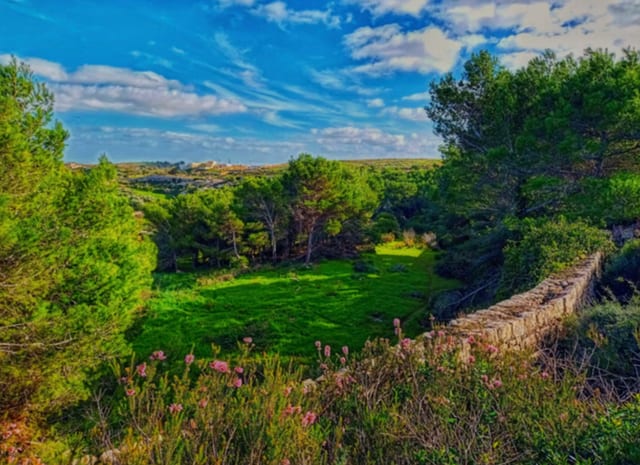
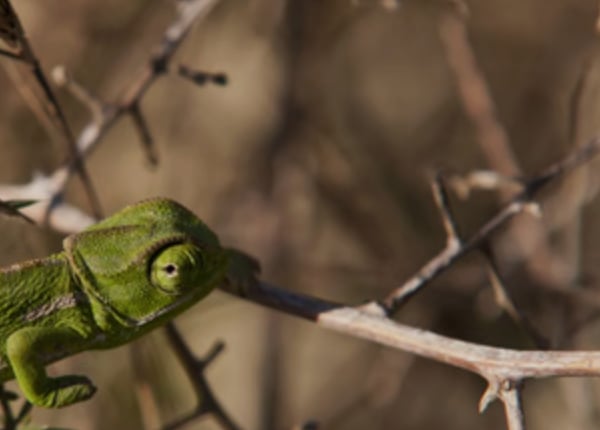
Erkunden Sie das Zentrum Maltas bei einer privaten Naturwanderung, die die Chadwick Lakes, die Victoria Lines und das Bingemma-Tal miteinander verbindet. Unter der Leitung eines voll qualifizierten Botanikers konzentriert sich diese fünfstündige Route auf die heimische Flora, Süßwasserlebensräume, Kalksteinhänge und in den Fels gehauene Gräber, mit zahlreichen Stopps, um Pflanzen und Landschaften aus nächster Nähe zu betrachten. Die Tour ist eine großartige Wahl, wenn Sie eine ruhigere, naturorientierte Wanderung auf Malta mit fachkundigen Erläuterungen statt eines gewöhnlichen Busausflugs suchen.
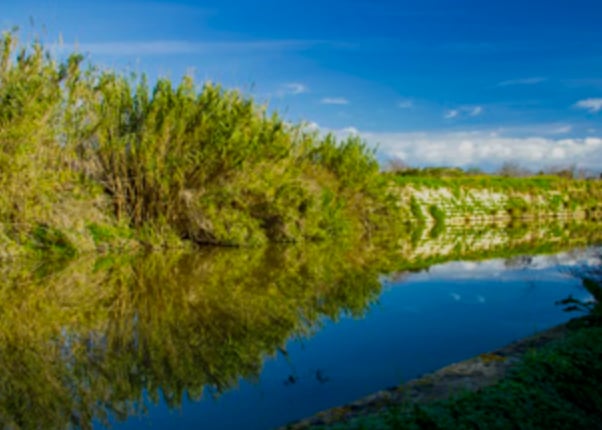
Ihre private Tour beginnt an den Chadwick Lakes, einem künstlichen Süßwassersystem entlang des Wied il-Qlejgħa, Maltas größtem Tal. Hier wandern Sie an einer Reihe kleiner viktorianischer Dämme und langsam fließender Tümpel entlang, die einen der wenigen zuverlässig Wasser führenden Süßwasserläufe der Insel bilden. Ihr botanischer Guide zeigt Ihnen Feuchtgebietspflanzen, Uferbäume sowie die Wirbellosen und Amphibien, die von ihnen abhängig sind, darunter Maltas endemischer Malta-Frosch. In den kühleren Monaten führt dieses Tal häufig fließendes Wasser und beherbergt Kaulquappen, Wasserpflanzen wie Hahnenfuß sowie im Vergleich zur trockeneren Umgebung eine auffällige Konzentration an Vögeln und Insekten.
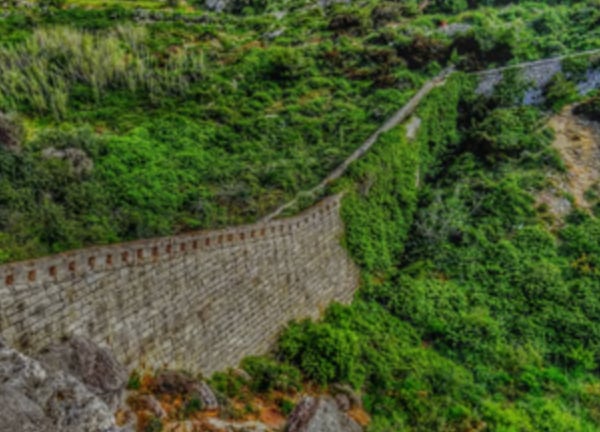
Vom Wasserlauf steigen Sie allmählich zu den Victoria Lines auf, einem 12 km langen Verteidigungssystem, das die Briten entlang des natürlichen Abhangs der Insel errichteten. Auf diesem Abschnitt wandern Sie Teile der Mauer und angrenzende Wege entlang und nutzen die erhöhte Hochfläche, um in Richtung Mġarr, Mellieħa und Gozo am Horizont zu blicken. Der Guide erklärt, wie flache Böden, Windexposition und Kalksteingeologie die Vegetation hier prägen, mit niedrigen Garrigue-Sträuchern, robusten Gräsern und saisonalen Wildblumen, die an dünnen, steinigen Boden angepasst sind. Dies ist auch ein guter Ort, um zu besprechen, wie Landnutzung und Terrassierung mit natürlichen Hängen und der Entwässerung zusammenspielen.
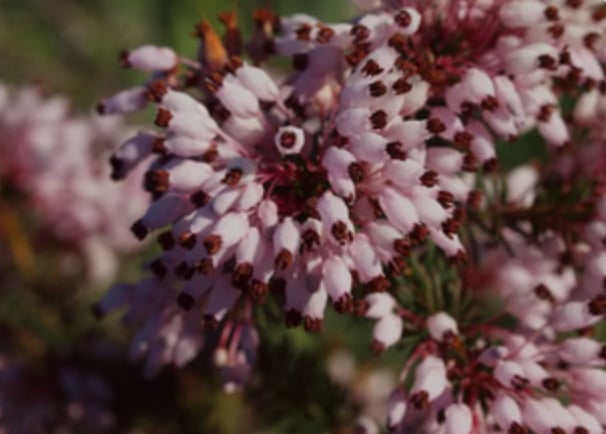
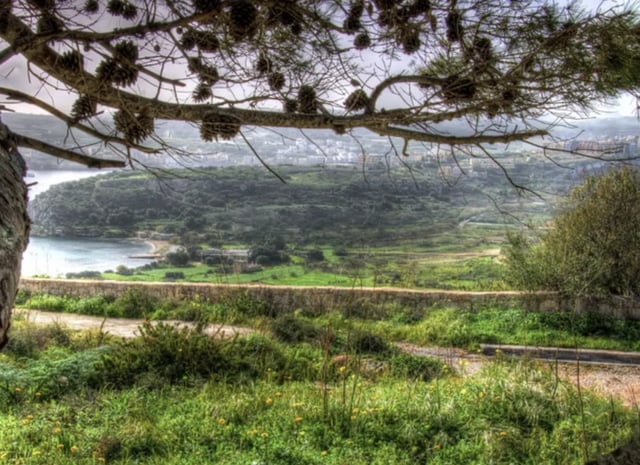
Der letzte Teil der Route führt durch die Abhänge und das Tal von Bingemma. Diese Zone zeigt klassische maltesische Garrigue mit aromatischen Sträuchern, saisonal blühenden wilden Orchideen und einer Mischung einheimischer Arten, die an trockene, sonnige Hänge angepasst sind. Sie sehen frühchristliche, in den Kalkstein gehauene Gräber, und Ihr Guide erklärt, wie diese archäologischen Besonderheiten in die größere Kulturlandschaft einzuordnen sind, ohne den botanischen Schwerpunkt aus den Augen zu verlieren. Die Wanderung endet nahe der kleinen ländlichen Kapelle Our Lady of Itria in Bingemma. Dort können Sie das Zusammenspiel traditioneller landwirtschaftlicher Terrassen, weiter Ausblicke und der Pflanzengemeinschaften, die sie umgeben, genießen, bevor Sie per Rücktransfer zu Ihrer Unterkunft gebracht werden.
Diese Naturtour konzentriert sich auf das Zentrum Maltas, abseits der wichtigsten Hafengebiete, ist aber dennoch mit dem Fahrzeug leicht erreichbar. Die Chadwick Lakes liegen am Wied il-Qlejgħa, einem Talsystem, das die Landschaft im Landesinneren durchschneidet. Die Dämme und Tümpel bilden einen linearen Korridor feuchteren Bodens, der sich deutlich vom umliegenden trockenen Ackerland und Buschland abhebt und ihn zu einem hervorragenden Freiluftlabor macht, um zu verstehen, wie die Wasserverfügbarkeit Lebensräume prägt. Die Wege folgen hier dem Talboden und niedrigen Uferböschungen, mit gelegentlichen felsigen Stufen und unebenem Untergrund.
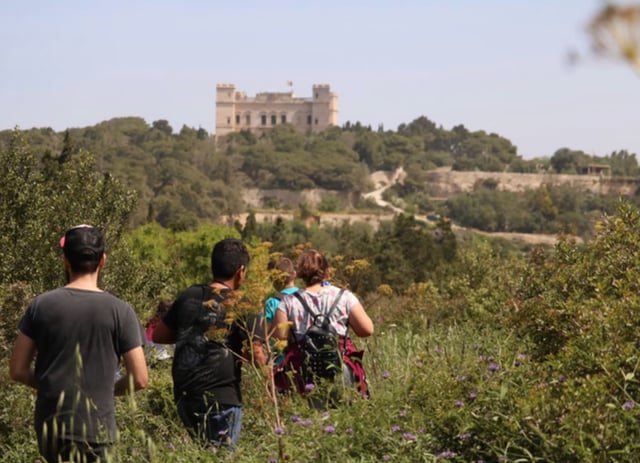
Von dort führt die Route zu Abschnitten der Victoria Lines und zum Bingemma-Abhang, wo der natürliche Bergrücken der Insel eine klare Grenze zwischen verschiedenen Teilen Maltas bildet. Diese erhöhten Wege bieten weite Ausblicke über ländliche Dörfer und Felder bis zur Nordküste, während Sie unter Ihren Füßen über Kalksteinaufschlüsse und Garrigue-Hänge gehen. Die Tour endet im Gebiet des Bingemma-Tals nahe einer kleinen Landkapelle, umgeben von Terrassen und niedrigem Buschland. Während der gesamten Tour wandern Sie durch Gebiete, die viele Besucher nie zu sehen bekommen. So erhalten Sie ein umfassenderes Bild von Maltas Landschaften im Landesinneren jenseits der Aussichtspunkte an der Küste.
Dieses Erlebnis ist als leicht eingestuft und eignet sich für Gäste, die mit einer moderaten Wanderung im ländlichen Raum und nicht mit einer technisch anspruchsvollen Wanderung vertraut sind. Sie legen über fünf Stunden etwa 6.5 km zurück, mit regelmäßigen Stopps für Erklärungen, Fotos und kurze Pausen. In der Nähe des Bingemma-Tals gibt es einen ungefähr fünf Minuten langen Abschnitt auf rauem Gelände mit steinigerem und unebenerem Untergrund. Gutes Gleichgewicht und geeignetes Schuhwerk sind daher wichtig. Der übrige Teil der Route verläuft über Feldwege, Talpfade und Abschnitte von Abhangwegen, wie sie für das ländliche Malta typisch sind.
Entlang der Route gibt es keine festen Toilettenanlagen. Daher ist es wichtig, die Einrichtungen in Ihrer Unterkunft oder an einem vereinbarten Stopp zu nutzen, bevor die Wanderung beginnt. Gäste können gerne eigene Snacks und Getränke mitbringen. Ausreichend Wasser mitzunehmen ist besonders in den wärmeren Monaten unerlässlich. Die Tour wird von Anfang bis Ende von einem Botaniker und nicht von einem Geschichtsführer begleitet. Sie erfahren zwar etwas über die Geschichte der Victoria Lines und der in den Fels gehauenen Gräber, der Schwerpunkt liegt jedoch immer auf Natur, Lebensräumen und Biodiversität. Die private Durchführung mit maximal vier Gästen ermöglicht es dem Guide, Tempo und Detailtiefe an Ihre Kondition und Interessen anzupassen.
Diese Wanderung dreht sich um Maltas Biodiversität sowie Süßwasser- und Abhanglebensräume und ist daher eine hervorragende Wahl, wenn Sie mehr als einen kurzen Fotostopp an den Chadwick Lakes oder den Victoria Lines möchten. Mit einem Botaniker an der Spitze erhalten Sie ausführliche Erklärungen zu Feuchtgebietsflora, Garrigue-Gemeinschaften und saisonalen Arten sowie Einblicke darin, wie Wasserbewirtschaftung, Bodentiefe und Windexposition beeinflussen, was wo wächst. Die Route verbindet drei kontrastreiche Orte zu einem einzigen Ausflug und bietet Ihnen einen kompakten, aber abwechslungsreichen Eindruck von Maltas Natur im Landesinneren.
Da die Tour vollständig privat ist und auf vier Gäste begrenzt bleibt, können Sie den Tag nach Ihren Interessen gestalten: ausführliche Fragen zu bestimmten Pflanzen stellen, mehr Zeit an den Abhängen verbringen oder sich auf Fotografie und Feldnotizen konzentrieren. Tür-zu-Tür-Transfers von Malta und Gozo halten die Organisation unkompliziert, sodass Sie sich ganz auf die Wanderung konzentrieren können. Für alle, die sich eine Naturwanderung auf Malta wünschen, die Süßwassertäler, historische Befestigungsanlagen und wilde Abhänge mit klaren, wissenschaftlich fundierten Erläuterungen verbindet, ist diese private Route durch die Chadwick Lakes, zu den Victoria Lines und ins Bingemma-Tal eine ausgezeichnete Wahl.
Die Route ist als leicht eingestuft und umfasst über fünf Stunden etwa 6.5 km, mit häufigen Stopps, um Pflanzen, Felsformationen und Aussichtspunkte zu betrachten. Der Großteil der Wanderung verläuft auf Wegen im ländlichen Raum, Feldwegen und unebenem Kalkstein. Sie sollten daher sicher in gleichmäßigem Tempo auf natürlichem Gelände gehen können und nicht nur auf glatten Gehwegen. In der Nähe des Bingemma-Tals gibt es einen kurzen, etwa fünf Minuten langen Abschnitt auf rauerem Untergrund. Er ist jedoch nicht technisch anspruchsvoll, und Ihr Guide wird ein angemessenes Tempo vorgeben.
Die Tour eignet sich gut für Erwachsene und ältere Kinder, die gerne draußen sind und an gemütliche Spaziergänge gewöhnt sind. Weniger geeignet ist sie, wenn Sie erhebliche Gleichgewichtsprobleme haben oder Schwierigkeiten mit unebenen Oberflächen, da gelegentlich Felsen und kleine Stufen vorkommen. Wenn Sie einen normalen Besichtigungstag zu Fuß bewältigen und mit Wegen im ländlichen Raum zurechtkommen, sollte Ihnen der Schwierigkeitsgrad gut machbar erscheinen.
Gute Wanderschuhe oder leichte Trekkingstiefel mit griffiger Sohle werden dringend empfohlen, da Sie auf Fels, Erde und in der Nähe der Chadwick Lakes gelegentlich auf feuchte Stellen treffen. Turnschuhe mit flacher, abgenutzter Sohle, Sandalen oder Flip-Flops sind nicht ideal und können manche Abschnitte rutschig oder instabil wirken lassen. Wenn Sie bereits eingelaufenes Schuhwerk wählen, verringern Sie das Blasenrisiko und machen den Tag angenehmer.
Die Kleidung sollte zur Jahreszeit passen: In den wärmeren Monaten sind atmungsaktive Schichten, ein leichtes Oberteil, das die Schultern bedeckt, und ein Hut unter der maltesischen Sonne sehr hilfreich. In den kühleren Monaten sollten Sie eine leichte Jacke oder Fleecejacke mitbringen, da exponierte Punkte an den Victoria Lines und am Bingemma-Abhang kühler und windiger sein können als die Täler. Sonnencreme und Sonnenbrille werden das ganze Jahr über empfohlen.
Dies ist ganz eindeutig eine naturkundliche Wanderung unter der Leitung eines voll qualifizierten Botanikers. Sie erfahren sicherlich etwas über die Geschichte der Dämme der Chadwick Lakes, die Befestigungsanlagen der Victoria Lines und die in den Fels gehauenen Gräber von Bingemma. Diese Orte dienen jedoch als Ausgangspunkt für Gespräche über Lebensräume, Geologie und Landnutzung. Im Mittelpunkt stehen Pflanzen, Süßwasserökologie, Garrigue und die Funktionsweise der Ökosysteme Maltas.
Wenn Sie hauptsächlich eine detaillierte Militärgeschichte der Victoria Lines oder einen ausführlichen archäologischen Vortrag suchen, wäre eine spezialisierte Geschichtstour möglicherweise besser geeignet. Wenn Sie sich dafür interessieren, wie einheimische und endemische Pflanzen mit historischen Bauwerken und Landschaften interagieren, und in diesen Umgebungen mehr über Biodiversität erfahren möchten, passt diese Tour hervorragend.
An den Chadwick Lakes erwarten Sie Feuchtgebiets- und Uferarten: Schilf, Binsen, Uferbäume und Wasserpflanzen im und am Wasserlauf, besonders in den kühleren Monaten, wenn der Wasserstand höher ist. Der Botaniker zeigt Ihnen, wie Sie typische Süßwasserpflanzen erkennen, und erzählt von Amphibien, Insekten und Krebstieren, die die Tümpel nutzen, darunter Maltas endemischer Malta-Frosch, sofern die Bedingungen stimmen.
Auf den Victoria Lines und den Bingemma-Abhängen gelangen Sie in klassische Garrigue-Lebensräume mit robusten Sträuchern, saisonal blühenden wilden Orchideen und niedrig wachsenden Kräutern, die an Trockenheit angepasst sind. Der Guide weist auf die Unterschiede zwischen Pflanzen hin, die in feuchteren Tälern gedeihen, und solchen, die mit dünnen Böden, intensiver Sonne und Wind auf ausgesetzten Hochflächen zurechtkommen. Auch Vögel und Insekten gehören zum Erlebnis, und Sie haben Zeit, für Fotos und Beobachtungen anzuhalten.
Entlang dieser Route gibt es keine festen Toilettenanlagen. Deshalb empfiehlt der Veranstalter dringend einen “letzten Stopp” in Ihrer Unterkunft oder an einem geeigneten Ort vor der Abholung. Sobald die Wanderung beginnt, befinden Sie sich in ländlichen Gebieten und an Abhängen. Erwarten Sie daher nicht die regelmäßigen Einrichtungen, die Sie von einer Tour durch eine Stadt kennen. Eine vorausschauende Planung macht den Tag deutlich angenehmer.
Verpflegung ist nicht Bestandteil des Programms, Sie können jedoch gerne eigene Snacks und Getränke mitbringen. Eine wiederbefüllbare Wasserflasche ist besonders bei wärmerem Wetter unerlässlich. Bei manchen Varianten der Route besteht möglicherweise die Gelegenheit, gegen Ende der Tour ein Getränk zu kaufen. Dies sollte jedoch als Extra betrachtet werden und nicht als etwas, worauf Sie sich verlassen können, da der Schwerpunkt auf der Natur und nicht auf Café-Stopps liegt.
Dies ist ein vollständig privates Erlebnis. Das bedeutet, dass nur Sie und Ihre Gruppe an der Tour teilnehmen – Sie werden nicht mit anderen Buchungen zusammengelegt. Der Guide trifft Sie an Ihrer Unterkunft, führt Ihre Gruppe über die gesamte Route und bringt Sie am Ende wieder zu Ihrer Unterkunft zurück. So sind ein flexibleres Tempo und ausführlichere Gespräche möglich als bei einem Ausflug mit einer großen Gruppe.
Die Gruppengröße ist auf maximal vier Gäste begrenzt, bei mindestens einer Person. Durch die kleine Gruppengröße bleibt das Erlebnis persönlich, und häufige Stopps sind einfacher möglich, ohne Wege zu blockieren oder Wildtiere zu stören. Außerdem wird die Umweltbelastung in empfindlichen Gebieten reduziert, und Sie haben reichlich Gelegenheit, Fragen zu Pflanzen oder Besonderheiten zu stellen, die Ihr Interesse wecken.
Wenn Sie auf Gozo untergebracht sind, organisiert der Botaniker die Abholung und Rückfahrt zu Ihrer Unterkunft auf beiden Seiten des Tages. Die Überfahrt zwischen Gozo und Malta erfolgt mit der regulären Gozo Channel Ferry, die häufig fährt und unkompliziert zu nutzen ist. Das Fährticket ist nicht im Tourpreis enthalten, daher bezahlen Sie es direkt am Hafen.
Die Fährfahrt ist in den Tagesplan eingerechnet, und der Guide sorgt für einen passenden Zeitplan, damit Sie zwischen den einzelnen Etappen der Reise nicht unter Zeitdruck geraten. Auf Malta werden Sie zum Ausgangspunkt der Wanderung gefahren und nach der Tour zur Fähre zurückgebracht. Anschließend werden Sie auf der Gozo-Seite wieder abgeholt und zu Ihrer Unterkunft gebracht.
Die Route ist als leicht eingestuft, führt jedoch über natürliches Gelände mit unebenem Untergrund, Steinen und einem kurzen Abschnitt mit rauerem Weg in der Nähe des Bingemma-Tals. Sie ist nicht für Rollstühle oder Personen geeignet, die vollständig ebene, befestigte Flächen benötigen. Wenn Sie stark auf einen Gehstock angewiesen sind, erhebliche Gleichgewichtsprobleme haben oder Schwierigkeiten mit kleinen Absätzen und Stufen haben, kann diese Wanderung eine Herausforderung darstellen.
Wenn Ihre Mobilität nur leicht eingeschränkt ist und Sie an gemütliche Wege im ländlichen Raum gewöhnt sind, kann die Tour mit Vorsicht dennoch möglich sein. In diesem Fall werden festes Schuhwerk und möglicherweise Wanderstöcke dringend empfohlen. Da die Tour privat ist, kann der Guide das Tempo anpassen und zusätzliche Pausen einplanen. Die grundlegende Beschaffenheit des Geländes kann er jedoch nicht verändern.
Mindestens sollten Sie bequeme Trekkingschuhe, der Witterung entsprechende Kleidung, einen Hut, Sonnencreme, eine Sonnenbrille und eine wiederbefüllbare Wasserflasche mitbringen. Ein leichter Tagesrucksack ist praktisch für Snacks, eine zusätzliche Kleidungsschicht und persönliche Gegenstände. Wenn Sie gerne Notizen machen oder Arten selbst bestimmen, können ein kleines Notizbuch, ein Stift oder ein handlicher Naturführer nützlich sein.
Manche Gäste bringen gerne ein Fernglas oder eine Kamera mit Zoomobjektiv mit, um Einzelheiten in der Landschaft, Vogelwelt oder den entfernten Aussichten vom Abhang zu erkennen. Wanderstöcke sind optional, können aber auf dem kurzen rauen Abschnitt nahe Bingemma und auf lockerem Untergrund hilfreich sein. In den kühleren Jahreszeiten ist eine leichte winddichte Schicht auf den stärker ausgesetzten Abschnitten entlang der Victoria Lines wertvoll.
Die Tour findet typischerweise bei sehr unterschiedlichen Wetterbedingungen statt, da viele Pflanzen und Lebensräume auch bei bedecktem oder kühlem Wetter interessant sind. Leichte Schauer oder Bewölkung verhindern die Wanderung normalerweise nicht. Sie sollten jedoch Ihre Kleidung anpassen und eine geeignete zusätzliche Schicht einpacken, wenn die Vorhersage dies nahelegt. Der Botaniker kann die Route leicht an die Bedingungen vor Ort anpassen.
Wenn die Bedingungen wirklich ungeeignet sind – etwa sehr starker Regen, der Wege unsicher macht, oder extrem kräftiger Wind auf ausgesetzten Abschnitten – muss die Tour möglicherweise verschoben oder in manchen Fällen abgesagt werden. In diesem Fall wird Ihnen normalerweise ein alternatives Datum angeboten, oder es gilt die übliche Stornierungsrichtlinie des Anbieters. Es lohnt sich, am Vortag die Wettervorhersage zu prüfen, damit Sie Kleidung und Erwartungen entsprechend vorbereiten können.
Obwohl die Gesamtstrecke etwa 6.5 km beträgt, ist das Tempo bewusst gleichmäßig, und es gibt häufige Stopps, um Pflanzen, Felsformationen und Aussichten genauer zu betrachten. Sie werden nur selten sehr lange gehen, ohne anzuhalten, um etwas im Detail anzusehen oder einer kurzen Erklärung zu lauschen. Dadurch wirkt die Tour eher wie eine geführte Geländeeinheit als wie ein reiner Fitnessspaziergang.
Diese Gestaltung eignet sich für Gäste, die ebenso gerne lernen und beobachten wie Strecke zurücklegen. Wenn Sie sich für Fotografie oder Skizzen interessieren oder Notizen machen möchten, haben Sie dafür genügend Zeit. Wenn Sie lieber in Bewegung bleiben, kann der Guide die Dauer einiger Stopps anpassen. Die Grundidee besteht jedoch darin, Bewegung mit zahlreichen Erläuterungen zu verbinden, statt einfach von A nach B zu wandern.
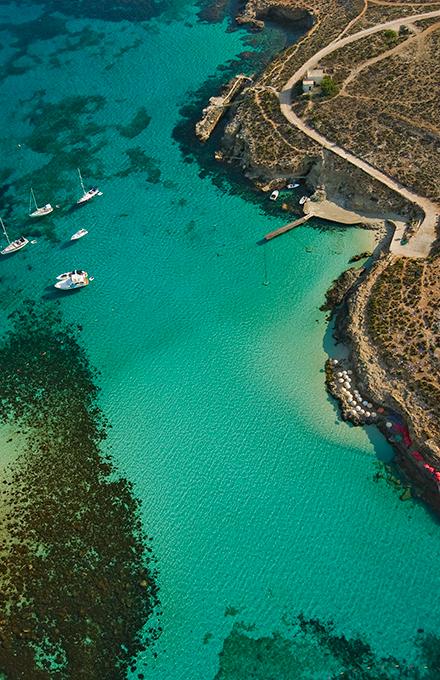
Über das Zentrum
Betrieben von Robert Arrigo & Sons, einem Partner von adventuro.
Central & Atlas Mountains, Morocco
Ab $350
Rio de Janeiro and Serra dos Órgãos, Brazil
Ab $385
North-Eastern Scotland, United Kingdom
Ab £395
St Paul’s Bay & Bugibba, Malta
Ab €30
Sliema & St Julian’s, Malta
Ab €55
St Paul’s Bay & Bugibba, Malta
Ab €350
Valletta & Three Cities, Malta
Ab €350
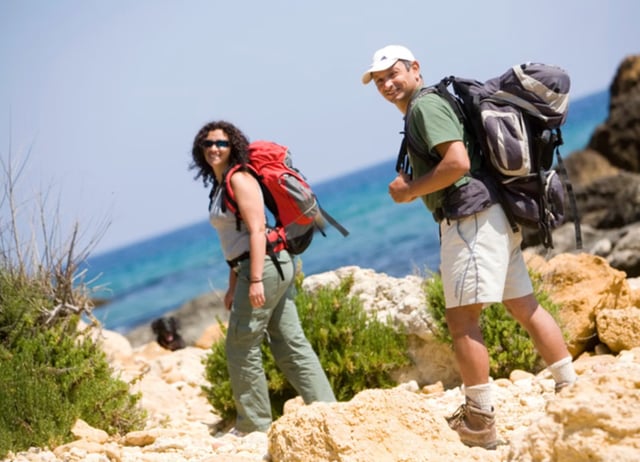
Marsaxlokk & Delimara, Malta
Ab €350
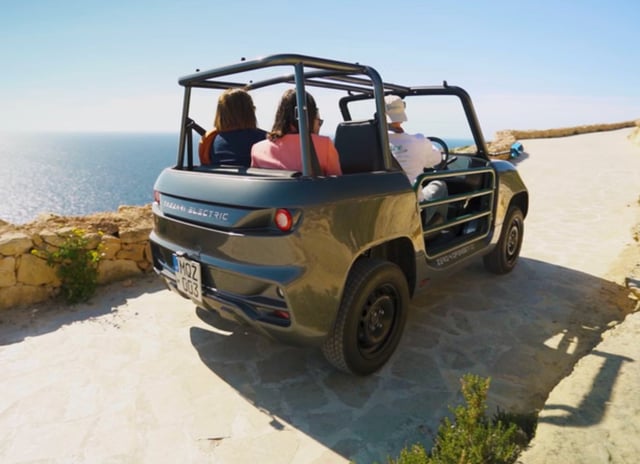
Gozo Island, Malta
Ab €195