We partner with Rewilding Britain to help protect our natural spaces for future adventures.
All centres are vetted for safety and quality. Your adventure is in good hands with adventuro.
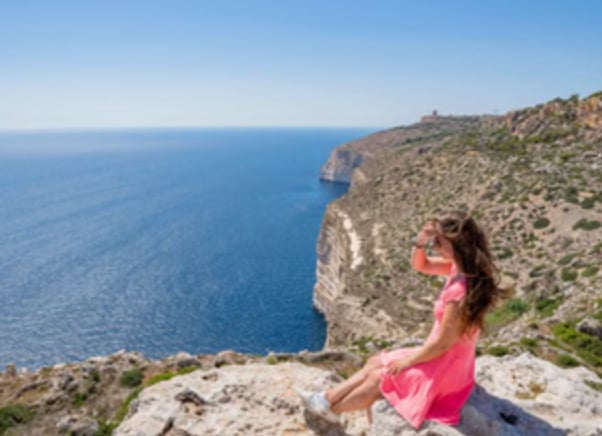
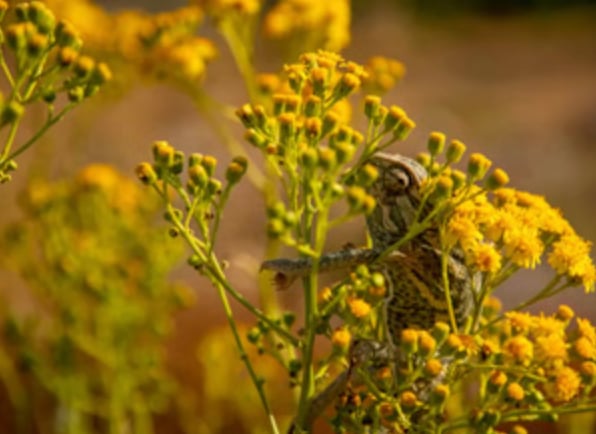
Entdecken Sie Maltas wilde Seite bei einer privaten Naturwanderung durch die Buskett Woodlands und entlang der eindrucksvollen Dingli Cliffs. Unter der Leitung eines voll ausgebildeten Botanikers konzentriert sich dieses fünfstündige Erlebnis auf die mediterrane Flora, endemische Arten und die ländlichen Landschaften der Insel, während unterwegs archäologische und historische Sehenswürdigkeiten eingebunden werden. Mit Transfers von Tür zu Tür und einem entspannten Tempo ist die Tour ideal für Naturliebhaber, die mehr Tiefe als bei einer gewöhnlichen Sightseeing-Tour wünschen.
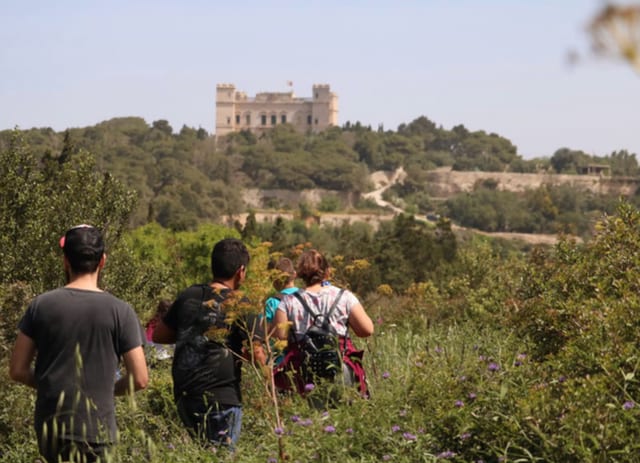
Ihre private Wanderung beginnt in den Buskett Woodlands (auch Buskett Gardens genannt), einem der wenigen echten Waldgebiete Maltas und einem ausgewiesenen Natura-2000-Gebiet. Im fruchtbaren Tal „Wied il-Luq“ nahe Siġġiewi gelegen, vereint dieses 30 Hektar große Gebiet Laubbäume, einheimische Nadelbäume, Garigue, Macchia-Gebüsch und Obsthaine. Während Sie den Wegen durch das Tal folgen, hilft Ihnen Ihr botanischer Guide, wichtige mediterrane Arten zu bestimmen, darunter Maltas Nationalbaum, den Sandarak-Gummibaum, sowie einige der ältesten Exemplare der Insel, deren Alter auf etwa 500 Jahre geschätzt wird. Sie genießen außerdem klare Ausblicke auf den Verdala-Palast, der heute als Sommerresidenz des Präsidenten genutzt wird, und erfahren, wie natürliche Quellen und die historische Landnutzung diese grüne Oase der Insel geprägt haben.
Von Buskett geht es weiter in Richtung Għar il-Kbir, einem Höhlenkomplex zwischen den Gärten und den Dingli Cliffs. Hier stellt Ihnen Ihr Guide die einst bis ins 19. Jahrhundert bewohnten Höhlensiedlungen vor und erklärt, wie sich die Vegetation an felsiges Kalksteingelände anpasst. In der Nähe sehen Sie Maltas berühmte Karrenspuren – parallel in den Fels geschnittene Rillen, deren genaue Funktion weiterhin ungeklärt ist. Dieser Abschnitt ist ideal für alle, die sich dafür interessieren, wie Archäologie, Geologie und Pflanzenwelt ineinandergreifen, während Sie vom schattigen Wald in eine stärker exponierte Karstlandschaft mit robusten Sträuchern und wilden Kräutern gelangen.
Anschließend führt die Route am Girgenti-Palast vorbei, der in der ländlichen Umgebung nahe Siġġiewi liegt. Von hier aus können Sie erkennen, wie natürliche Quellen grünere Vegetationsinseln und landwirtschaftliche Terrassen unterstützen und so ein Mosaik aus Feldern und Bäumen rund um das Tal schaffen. Der letzte Teil der Tour führt Sie zu den Dingli Cliffs, dem mit etwa 253 Metern über dem Meeresspiegel höchsten Punkt der Maltesischen Inseln. Auf einem parallel zur Klippenkante verlaufenden Weg genießen Sie weite Ausblicke über terrassierte Felder, das offene Meer und die vorgelagerte kleine Insel Filfla. Dieser Küstenabschnitt ist reich an typischer mediterraner Flora und mehreren endemischen Pflanzen, darunter Maltas Nationalpflanze Cheirolophus crassifolius und saisonale wilde Orchideen. Die Route führt an der kleinen Kapelle St. Mary Magdalene und einem örtlichen Verkaufsstand vorbei, an dem Sie vor dem Rücktransfer eine Pause bei maltesischem Kaffee oder lokalen Produkten einlegen können.
Diese private Naturtour erkundet das ländliche Herz im Westen Maltas, abseits der wichtigsten Ferienorte. Die Buskett Woodlands liegen im Tal Wied il-Luq nahe Siġġiewi und sind eines der besten Beispiele der Insel für gemischten mediterranen Wald. Das Gebiet umfasst Laubbäume, immergrüne Bäume, Nadelbäume und kultivierte Obstbäume und eignet sich daher hervorragend als kompakter Lernort im Freien, um die Lebensräume Maltas zu verstehen. Die Wege sind im Allgemeinen gut erkennbar, mit einigen für Wanderungen auf dem Land typischen unebenen Abschnitten.
Von Buskett führt die Tour durch die Landschaft von Girgenti und hinauf zu den Dingli Cliffs an der Westküste. Dingli ist für seine hohe Kalksteinklippe, die terrassierten Felder unterhalb der Klippenlinie und die offenen Ausblicke über das Meer in Richtung Filfla bekannt. Die Wanderroute folgt etablierten Fußwegen parallel zur Klippenkante, vermeidet ausgesetztes Klettern und bietet dennoch beeindruckende Aussichtspunkte. Sowohl Buskett als auch die Dingli Cliffs sind als Natura-2000-Gebiete ausgewiesen und für ihren ökologischen Wert sowie das Vorkommen gefährdeter Arten und Lebensräume im gesamten EU-Netzwerk anerkannt.
Dieses Erlebnis ist als leicht eingestuft und eignet sich für die meisten Gäste mit grundlegender Fitness und der Fähigkeit, gleichmäßig auf unebenem Untergrund zu gehen. Sie legen über fünf Stunden etwa 6 km zurück, mit häufigen Stopps zur Betrachtung von Pflanzen, Aussichtspunkten und archäologischen Besonderheiten. Ein steilerer Abschnitt von ungefähr 15 Minuten führt über einen ansteigenden Fußweg. Dies kann anstrengend wirken, wenn Sie nicht an Hügel gewöhnt sind, aber Ihr Guide gibt ein angenehmes Tempo vor und lässt Zeit für kurze Pausen. Gute Wanderschuhe oder leichte Trekkingstiefel werden dringend empfohlen; Sandalen und Flip-Flops sind nicht ratsam.
Sobald Sie den Ausgangspunkt erreicht haben, findet die Tour vollständig zu Fuß statt. Sie eignet sich daher am besten für Gäste, die sich auf Landwegen, gelegentlichen felsigen Stufen und wechselndem Untergrund wohlfühlen. Die Tour ist nicht als technische Wanderung gedacht, sondern als entspannter, lehrreicher Spaziergang mit Schwerpunkt auf Flora und Landschaft. Gäste, die auf Gozo übernachten, sollten darauf vorbereitet sein, ihre eigenen Fährtickets für die Überfahrt Gozo–Malta zu kaufen, da diese nicht inbegriffen sind. Die Tour findet privat für bis zu vier Personen statt, sodass der Botaniker Tempo und Detailtiefe der Erklärungen an Ihre Interessen und Ihr Fitnessniveau anpassen kann.
Diese Wanderung wird von Anfang bis Ende von einem voll ausgebildeten Botaniker geleitet und unterscheidet sich dadurch deutlich von einem allgemeinen Sightseeing-Ausflug. Ihr Guide zeigt Ihnen nicht nur Sehenswürdigkeiten, sondern hilft Ihnen zu verstehen, wie Maltas Klima, Geologie und Landnutzung die Lebensräume prägen, durch die Sie wandern – vom Laubwald bis zu den Küstenklippen. Sie lernen, wichtige mediterrane Arten zu erkennen, erfahren, wie sich endemische Pflanzen an harsche Bedingungen angepasst haben, und sehen, wie der Natura-2000-Schutz empfindliche Lebensräume unterstützt. Da die Gruppe privat und auf vier Gäste begrenzt ist, können Sie ausführliche Fragen stellen und mehr Zeit in den Bereichen verbringen, die Sie besonders interessieren – ob Bäume, Wildblumen, Ökologie oder Landschaft.
Transfers von Tür zu Tür von jedem Hotel auf Malta oder Gozo machen die Organisation einfach. Die Route verbindet Natur mit Archäologie und Geschichte, ohne den Schwerpunkt auf Biodiversität aus den Augen zu verlieren. Buskett Woodlands, Għar il-Kbir, die Umgebung des Girgenti-Palasts und die Dingli Cliffs bieten zusammen einen Querschnitt durch das ländliche Malta, den die meisten Besucher über einen kurzen Aussichtspunkt-Stopp hinaus nie erleben. Für alle, die eine Naturtour auf Malta suchen, die tiefer geht als eine gewöhnliche Bustour, bietet diese private, von einem Botaniker geführte Wanderung eine strukturierte und zugleich entspannte Möglichkeit, zwei der wichtigsten Naturgebiete der Insel zu erkunden.
Die Route erstreckt sich über etwa 6 km und dauert ungefähr fünf Stunden, mit häufigen Stopps zur Betrachtung von Pflanzen, Aussichtspunkten sowie geologischen oder archäologischen Besonderheiten. Der größte Teil des Geländes verläuft auf gut ausgebauten Landwegen und Pfaden, mit einigen für das ländliche Malta typischen unebenen Stellen. Die Tour ist als leicht eingestuft, aber Sie sollten in der Lage sein, mehrere Stunden in gleichmäßigem Tempo zu gehen.
Ein Abschnitt von etwa 15 Minuten führt über eine steilere Steigung, die anstrengender wirken kann, wenn Sie nicht an Hügel gewöhnt sind. Ihr botanischer Guide legt ein angemessenes Tempo fest und plant bei Bedarf kurze Pausen ein. Wenn Sie auf unebenem Untergrund gehen, einen mäßigen Anstieg bewältigen und kurze Zeit stehen können, während der Guide Besonderheiten erklärt, sollten Sie den Schwierigkeitsgrad gut meistern können.
Robuste Wanderschuhe oder leichte Trekkingstiefel mit gutem Profil werden dringend empfohlen, da Sie auf Fels, Erde und gelegentlich losem Kies unterwegs sind. Sandalen, Flip-Flops oder modische Turnschuhe sind nicht geeignet, da sie wenig Halt bieten und auf unebenem Untergrund rutschig sein können. Bequeme Socken und bereits eingelaufenes Schuhwerk sind am besten, um Blasen zu vermeiden.
Die Kleidung sollte der Jahreszeit angepasst sein: leichte, atmungsaktive Schichten mit Sonnenschutz in den wärmeren Monaten sowie eine leichte Jacke oder winddichte Schicht, wenn es kühler ist oder auf den Klippen Wind weht. Ein Hut, eine Sonnenbrille und Sonnencreme sind aufgrund der starken Sonneneinstrahlung auf Malta das ganze Jahr über wichtig. Im Winter und Frühling empfiehlt sich außerdem eine dünne wasserdichte Jacke oder eine zusätzliche Schicht für die schattigen Waldabschnitte.
Die Gehstrecke und das Tempo eignen sich gut für aktive Kinder und ältere Erwachsene, die an gemütliche Spaziergänge auf dem Land gewöhnt sind. Der Schwerpunkt auf Pflanzen, Wildtieren, Höhlen und Klippenlandschaften bietet viel, was Kinder interessiert, besonders wenn sie gerne draußen sind und neue Umgebungen erkunden. Sie müssen jedoch in der Lage sein, die 6 km lange Strecke und den kurzen steilen Abschnitt zu bewältigen, ohne getragen zu werden.
Für ältere Gäste sind vor allem Gleichgewicht und Sicherheit auf unebenem Untergrund wichtig. Der Guide kann das Tempo anpassen, aber die Wege sind nicht befestigt und weisen einige Steigungen auf. Wenn Sie sich wohl dabei fühlen, einige Stunden mit Pausen auf Landwegen zu gehen, und keine erheblichen Mobilitätseinschränkungen haben, kann die Tour eine angenehme, gelenkschonende Möglichkeit sein, Maltas Natur zu erleben.
Dieses Erlebnis dreht sich um Maltas Biodiversität und Lebensräume, nicht um eine gewöhnliche historische Führung. Ihr Guide ist ein voll ausgebildeter Botaniker, daher liegt der Schwerpunkt auf der Bestimmung einheimischer und endemischer Pflanzen, dem Verständnis mediterraner Wälder, Garigue- und Küstenökosysteme sowie darauf, wie Klima und Geologie das Gesehene prägen. Historische Stätten und Geschichten werden eingebunden, stehen aber nicht im Mittelpunkt.
Wenn Sie sich für Pflanzennamen, saisonale Wildblumen und die Anpassung bestimmter Arten an trockene Bedingungen interessieren, erhalten Sie hier deutlich mehr Details als bei einer herkömmlichen Bustour. Der Guide kann die Erklärungen außerdem an Ihr Wissensniveau anpassen – ganz gleich, ob Sie völliger Anfänger sind oder bereits mit der mediterranen Botanik vertraut sind und tiefere Einblicke wünschen.
Während des Spaziergangs lernen Sie wichtige mediterrane Arten zu erkennen, darunter den Nationalbaum (Sandarak-Gummibaum) und Maltas Nationalpflanze Cheirolophus crassifolius. Ihr Guide zeigt Ihnen die Unterschiede zwischen Waldarten in Buskett, dürrebeständigen Sträuchern an den felsigen Hängen und Küstenpflanzen, die entlang der Dingli Cliffs mit Gischt und Wind zurechtkommen. Sie sehen außerdem, wie einheimische und eingeführte Arten in derselben Landschaft nebeneinander bestehen.
Neben der einfachen Bestimmung erfahren Sie mehr über Bestäubung, saisonale Blühmuster und den Einfluss von Landnutzung und Wasserverfügbarkeit darauf, was wo wächst. Je nach Jahreszeit sprechen Sie möglicherweise auch über wilde Orchideen, aromatische Kräuter und die Insekten oder Vögel, die mit diesen Lebensräumen interagieren. Ziel ist, dass Sie mit einem deutlich besseren Verständnis der Funktionsweise von Maltas Ökosystemen nach Hause gehen – nicht nur mit einer Liste von Pflanzennamen.
Die Einrichtungen in ländlichen Gebieten sind begrenzt, aber die Route sieht einen Halt in Dingli oder in der Nähe vor, an dem Sie in einem Café oder Imbiss einen Kaffee, Snack oder ein Getränk kaufen können. Dies ist eine gute Gelegenheit, Toiletten zu benutzen, Wasser aufzufüllen und eine kurze Pause im Sitzen einzulegen, bevor Sie entlang der Klippen weitergehen. Hier gekaufte Speisen und Getränke sind nicht im Tourpreis enthalten.
Abgesehen von diesem geplanten Halt sind Sie auf dem Land unterwegs und sollten daher nicht mit häufigen Einrichtungen rechnen. Es wird empfohlen, eigenes Wasser und leichte Snacks mitzubringen, besonders in den wärmeren Monaten. Ihr Guide informiert Sie ungefähr, wann die Café-Pause vorgesehen ist, damit Sie entsprechend planen können.
Dies ist ein vollständig privates Erlebnis, das heißt, es nehmen nur Sie und Ihre eigene Gruppe teil. Die Tour wird nicht mit Fremden geteilt und findet nicht als gemeinsamer Ausflug statt. Dadurch besteht mehr Flexibilität, Tempo, Detailtiefe der Erklärungen, Fotostopps und kurze Änderungen der Route an Ihre Interessen und Ihr Fitnessniveau anzupassen.
Die Gruppengröße ist auf vier Gäste begrenzt, bei mindestens einer Person. Dieses Kleingruppenformat erleichtert es, ausführliche Fragen zu stellen, mehr Zeit bei bestimmten Arten oder Aussichtspunkten zu verbringen und den Spaziergang entspannt statt gehetzt zu erleben. Außerdem trägt es dazu bei, die Auswirkungen auf die Umwelt in sensiblen Natura-2000-Gebieten zu minimieren.
Wenn Sie auf Gozo wohnen, sind Transfers von Tür zu Tür weiterhin an beiden Enden des Tages inbegriffen. Der Botaniker holt Sie von Ihrer Unterkunft ab, begleitet Sie durch den Transfer und bringt Sie nach der Tour zurück. Das einzige nicht im Preis enthaltene Element ist das Fährticket der Gozo Channel zwischen Gozo und Malta, das Sie direkt am Hafen bezahlen.
Die Fährüberfahrt selbst ist unkompliziert und findet regelmäßig statt, sodass sie sich problemlos in den Tagesablauf einfügt. Die Fahrzeit wird bei der Gesamtplanung der Tour berücksichtigt, und Ihr Guide kümmert sich um die Zeiten, damit Sie die Wandergebiete und die Rückfähren ohne Eile erreichen. So können Sie auch dann ganz praktisch einen Naturspaziergang auf Malta genießen, wenn Sie auf Gozo übernachten.
Die Route führt über Landwege, steinige Pfade und einen Abschnitt mit Steigung statt über asphaltierte, ebene Gehwege. Obwohl der Gesamtschwierigkeitsgrad als leicht eingestuft wird, ist das Gelände nicht für Rollstühle oder Personen geeignet, die sehr flache, ebene Oberflächen benötigen. Wenn Sie auf einen Gehstock angewiesen sind oder gelegentlich Unterstützung benötigen, aber an leichte Wege abseits befestigter Straßen gewöhnt sind, ist die Teilnahme möglicherweise dennoch möglich; Sie sollten jedoch Ihr Sicherheitsgefühl auf Felsen und an Steigungen berücksichtigen.
Es gibt keine technischen Kletterpassagen oder steilen Abfälle direkt neben dem Weg, aber in einigen Abschnitten gehen Sie in der Nähe von Klippenrändern (auf zurückgesetzten Wegen) und bewältigen leichte Unebenheiten. Wenn Sie unsicher sind, können Sie Ihre Bedürfnisse im Voraus besprechen. Der Guide kann Ihnen dann empfehlen, ob diese Route geeignet ist oder ob ein kürzerer beziehungsweise besser zugänglicher Spaziergang sinnvoller wäre.
Über das Zentrum
Malta
Betrieben von Robert Arrigo & Sons, einem Partner von adventuro.
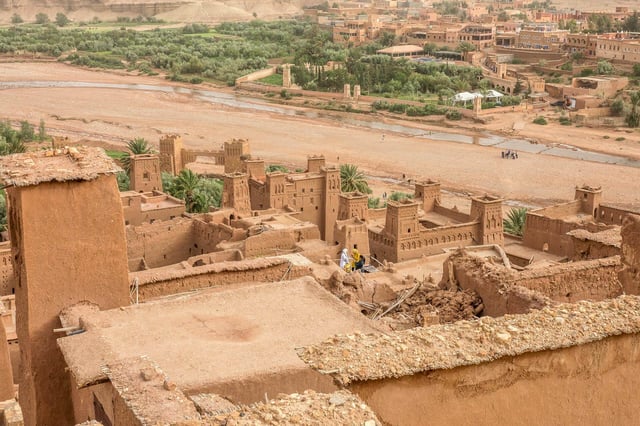
Central & Atlas Mountains, Morocco
Ab $350
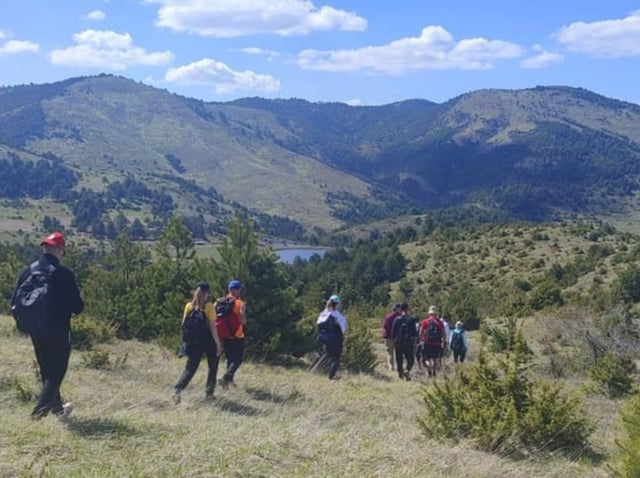
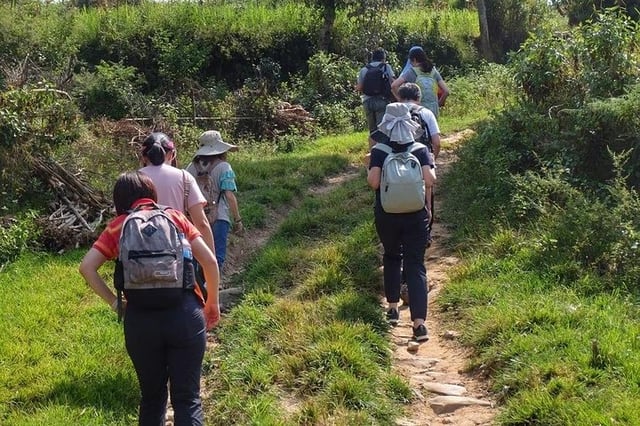
Rio de Janeiro and Serra dos Órgãos, Brazil
Ab $385
North-Eastern Scotland, United Kingdom
Ab £395
St Paul’s Bay & Bugibba, Malta
Ab €30

Sliema & St Julian’s, Malta
Ab €55

St Paul’s Bay & Bugibba, Malta
Ab €350
Marsaxlokk & Delimara, Malta
Ab €350
Gozo Island, Malta
Ab €195