We partner with Rewilding Britain to help protect our natural spaces for future adventures.
All centres are vetted for safety and quality. Your adventure is in good hands with adventuro.
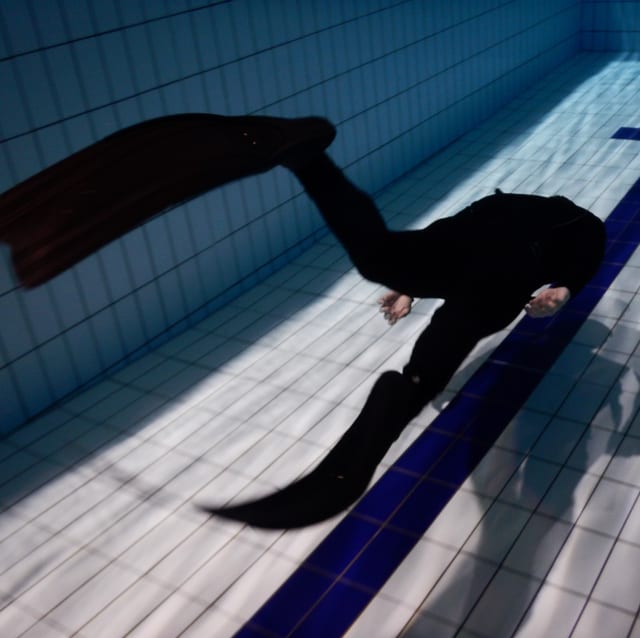
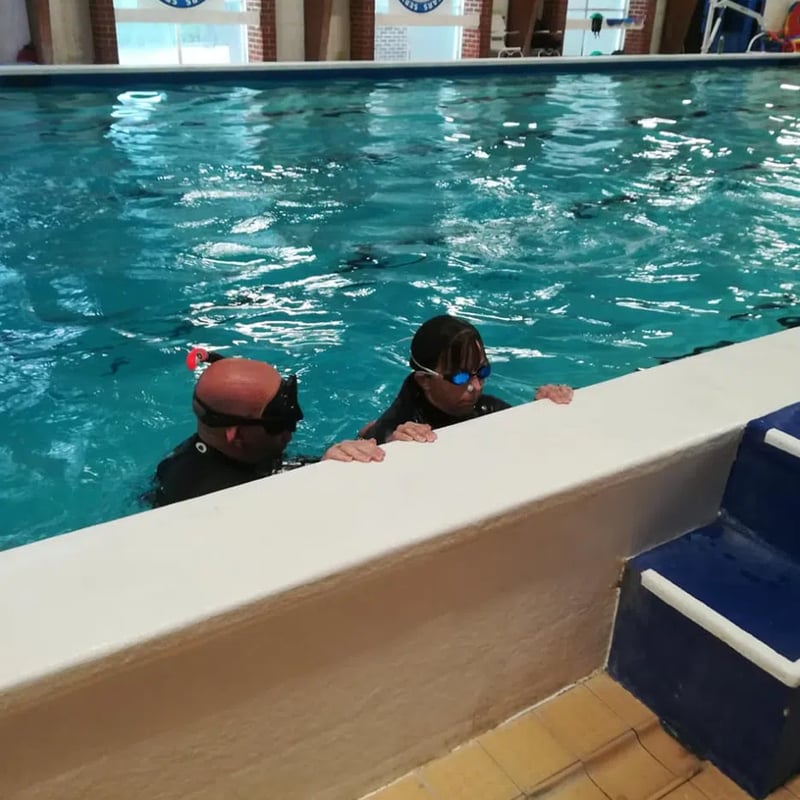
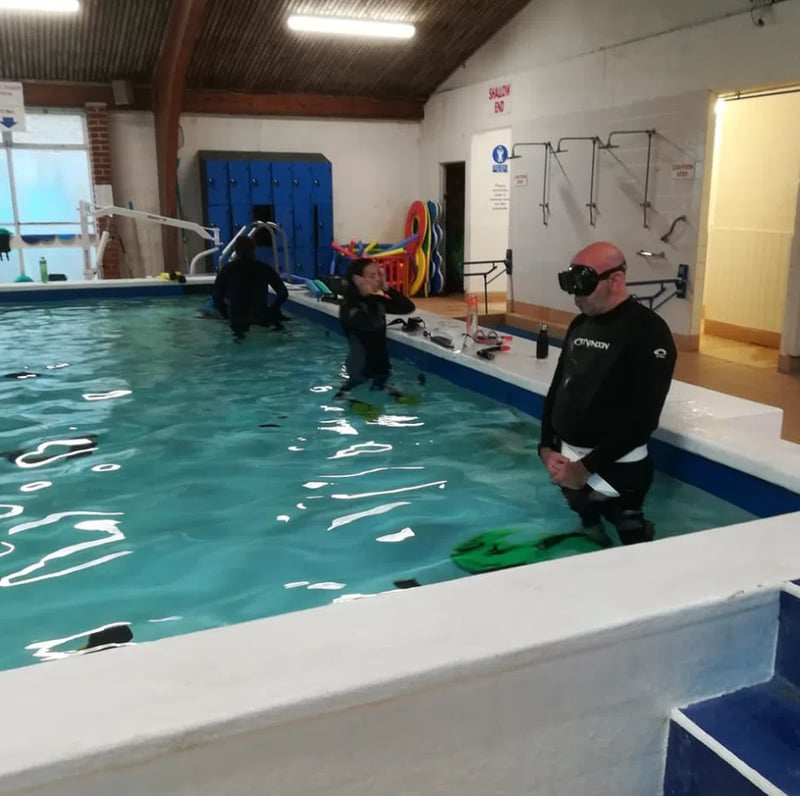
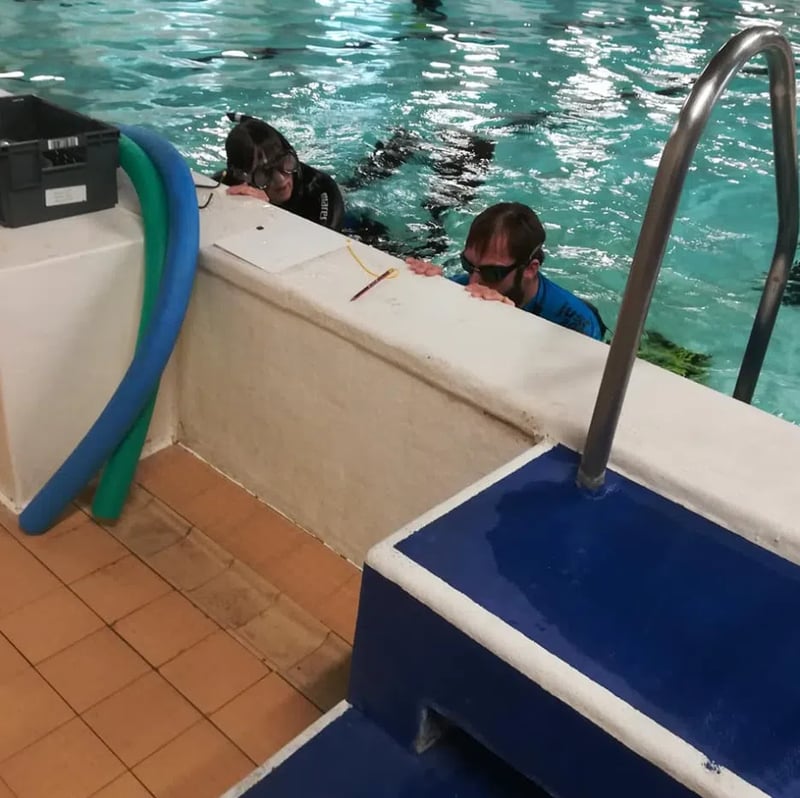
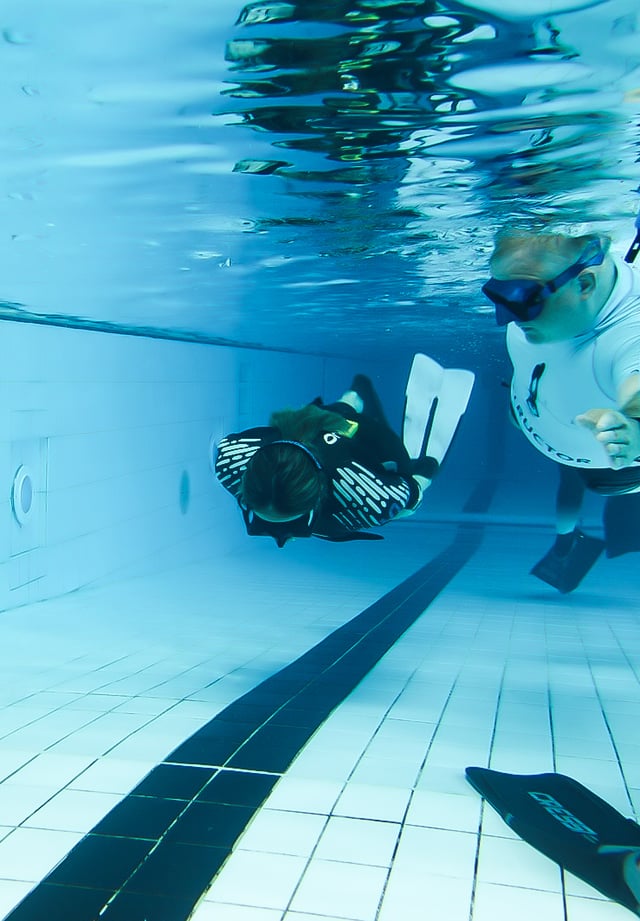
Your day begins with academic workshops covering equipment, how to look after it, and how different kit choices affect your performance in the water. Breathing sessions follow, giving you techniques to stay calm, reduce effort, and extend your time underwater. These skills are then transferred into a controlled pool session, where you’ll work on streamlining, equalisation, and foundational movement patterns.
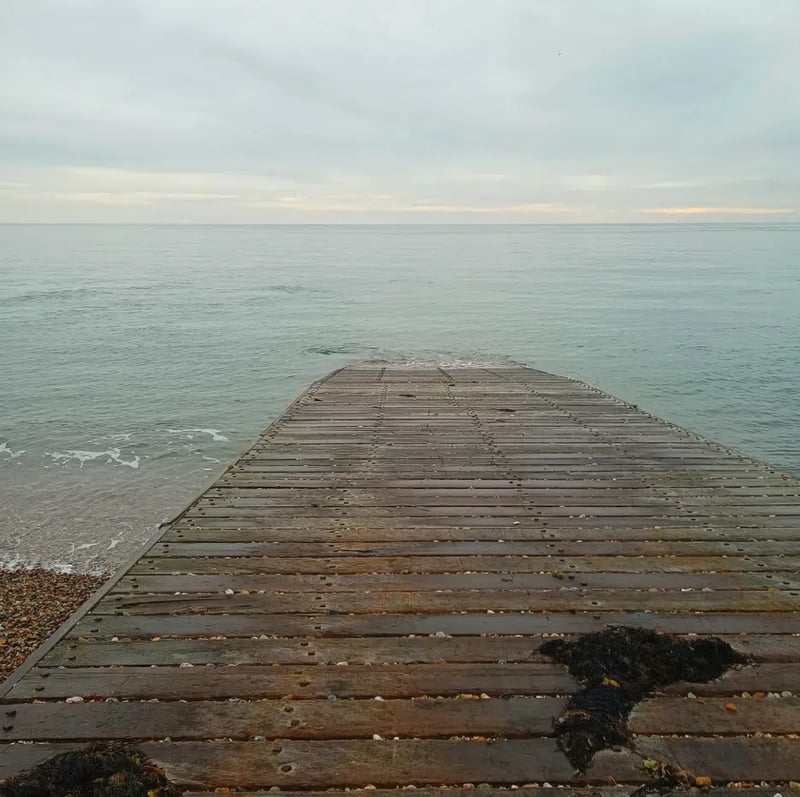
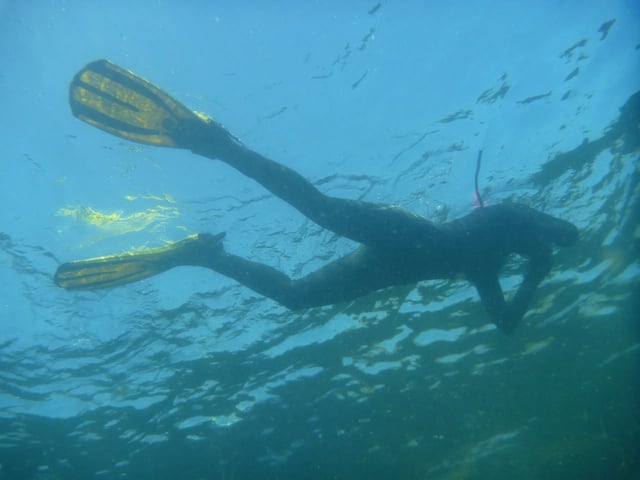
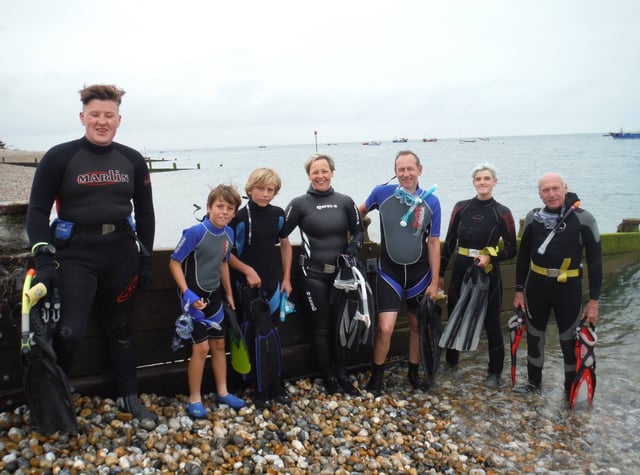
Open water training takes place in Selsey at accessible coastal spots with gentle depth profiles. These locations allow you to practise descents, buoyancy, controlled breathing, and buddy skills while surrounded by local marine life. Your instructor guides each step, helping you recognise progress, refine technique, and build confidence. By the end, you’ll be prepared to freedive to 5 metres safely using proper methods.
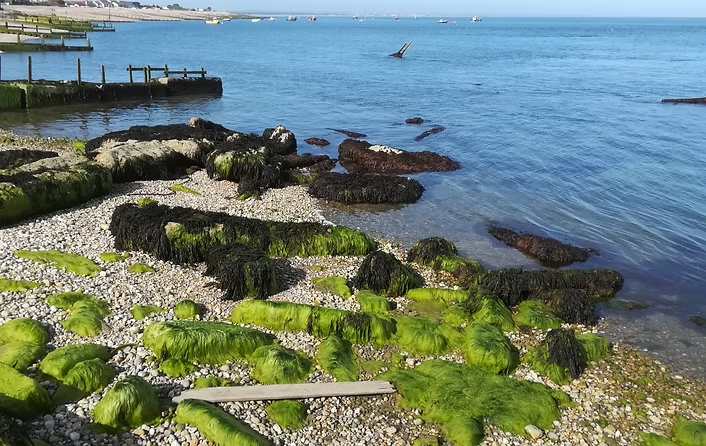
Selsey sits on the southern edge of West Sussex and is known for calm training windows, easy shore entries, and a mix of sand, kelp and reef habitat. These factors make it ideal for developing early freediving skills, as the gradual depth change provides a comfortable environment for steady progression. Visibility can be surprisingly clear when tides align, giving learners a good sense of space and orientation underwater.
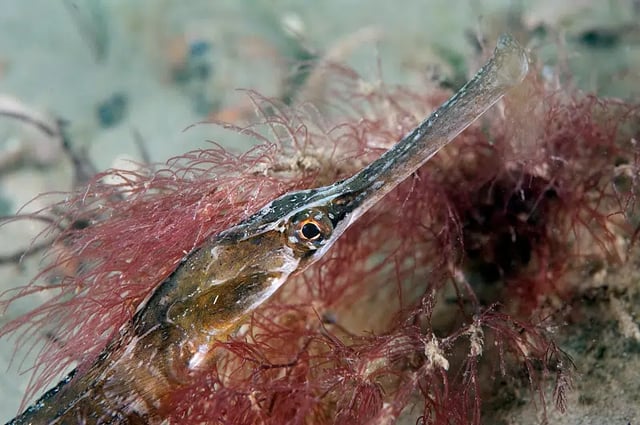
The wider coastline provides several sheltered sites that suit different wind and tide conditions, meaning sessions can be adapted to give you the safest and most productive training environment on the day. Marine life such as small fish, crabs, rays and resident seals are often seen passing through the shallows, adding interest as you develop your confidence.
Learners must be comfortable in water and able to swim. No previous snorkelling or freediving experience is required, though those unsure about committing to a full programme can try a short introductory session first. You should bring a personal mask and snorkel, swimwear, and a towel, with all other equipment supplied on the day.
It helps if learners are open to following a gradual training structure, as freediving benefits from staying relaxed rather than rushing progression. Anyone with breathing concerns, ear issues, or recent injuries should mention this during booking so the instructor can give guidance on what to expect and whether adjustments are needed.
You'll benefit from a welcoming approach that focuses on calm, confidence-building progress rather than pressure or performance. Each course is delivered in small groups, giving plenty of time for personalised coaching on breathing, buoyancy, equalisation and efficient movement so everyone can develop at a steady pace.
Those leading the sessions bring years of freediving and snorkelling experience, along with a clear understanding of how to support beginners through each stage of learning. Guidance continues long after certification, with honest advice on equipment, skill development, and safe ways to continue exploring open water.
This organisation also reinvests profits into local marine projects, helping to support conservation, education, and community access to the coast. Taking part contributes directly to these initiatives, allowing every learner to support the health and future of the surrounding marine environment while developing new skills.
Freediving relies more on relaxation and gentle movement than physical strength, so it remains accessible to most people. Workshops are paced to help you understand technique before applying it in the water, reducing any sense of exertion. Early pool work focuses on slow, controlled movement patterns that improve efficiency and make diving feel easier.
Open water sessions include breaks on the float, regular check-ins, and close supervision to ensure you remain comfortable. Your instructor adapts the pace to your energy levels, confidence, and previous water experience. People often find that focusing on calm breathing feels surprisingly manageable, even if they expected the activity to be strenuous.
The breathing workshop introduces breath-up routines, and recovery breathing, helping you develop a calmer response to being underwater. You’ll learn how to prepare your body, control tension, and manage breath-holds safely. Each step is broken down clearly, making it easy to understand the purpose of each technique.
Practical exercises let you try the methods in a quiet environment before moving into the pool. This helps build familiarity and confidence, allowing you to focus on comfort rather than performance once you reach the water stage. Many learners find that practising on land first makes the transition to open water more natural.
You’ll work towards a maximum depth of around 5 metres, though your exact depth depends on comfort, technique, and sea conditions. There is no pressure to hit the full depth target, and some learners prefer to stay slightly shallower while building confidence. Your instructor will always tailor the depth progression to your ability.
Depth training uses a float and line setup to give you clear visual references, helping you maintain orientation as you descend. This setup also ensures safe buddy procedures and allows your instructor to stay positioned exactly where needed throughout.
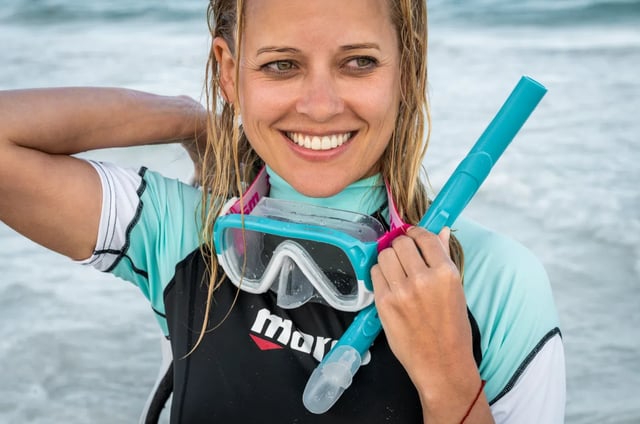
All equipment except for your mask and snorkel is provided. A well-fitting mask is essential in freediving, which is why bringing your own is strongly encouraged. Before the session begins, your instructor checks your mask, snorkel and any personal equipment to ensure it’s appropriate and safe to use.
Those with their own fins, wetsuits, or weights are welcome to bring them. Your instructor can also advise on gear options if you plan to continue training and want to make informed purchases later.
The open water session uses a sheltered coastal site in Selsey with gradual depth changes and space to practise controlled descents. You’ll start by working through equalisation, duck dives, and buoyancy adjustments close to the shore before moving out to slightly deeper water with the training float.
Your instructor remains close, offering guidance on streamlining, finning technique, posture, and breathing. Conditions vary with tides, but the area often provides calm enough windows for new freedivers to learn comfortably. Local marine life adds interest without distracting from the training structure.
Yes. As long as you can swim and feel comfortable being in water, the course can be adapted for you. Early exercises take place at an easy pace, and you’ll spend time building confidence before attempting deeper skills. Pool work provides a controlled environment where you can focus on technique without waves or currents.
Instructors are used to working with complete beginners and will guide you through each task with clear, calm explanations. Many nervous swimmers find freediving unexpectedly grounding due to the emphasis on slow breathing and gentle movement rather than speed or exertion.

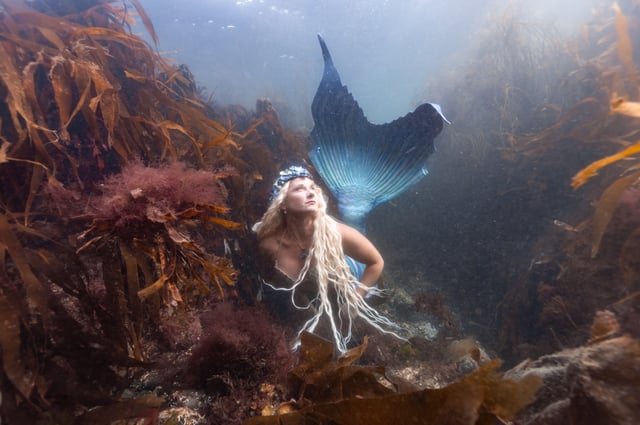
Cornwall and Isles of Scilly, United Kingdom
From £444

Surrey, East and West Sussex, United Kingdom
From £180
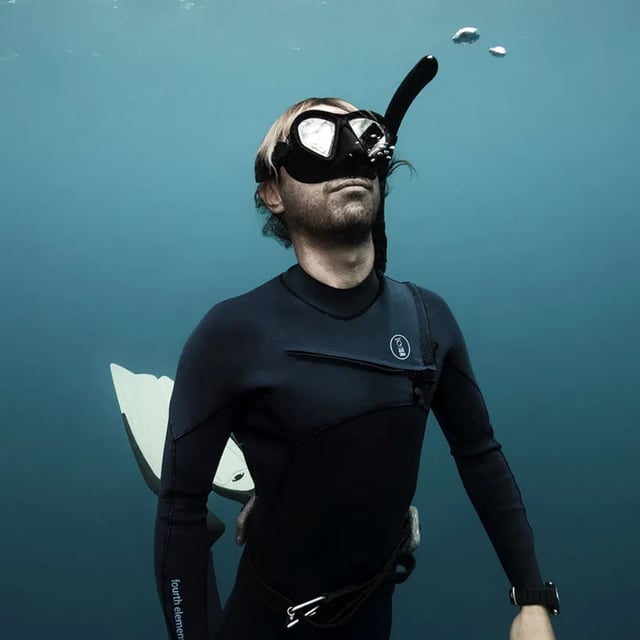


Surrey, East and West Sussex, United Kingdom
From £150
Surrey, East and West Sussex, United Kingdom
From £95
About the centre
Selsey, West Sussex
Operated by Mulberry Marine Experiences, a partner of adventuro.