We partner with Rewilding Britain to help protect our natural spaces for future adventures.
All centres are vetted for safety and quality. Your adventure is in good hands with adventuro.
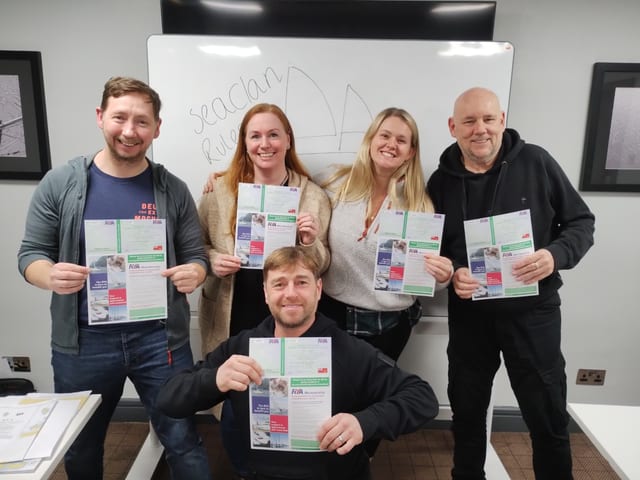
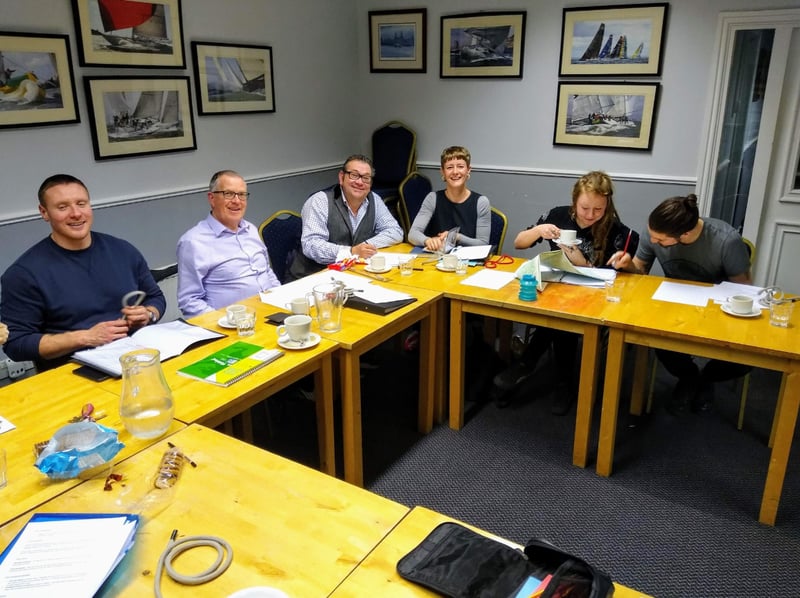
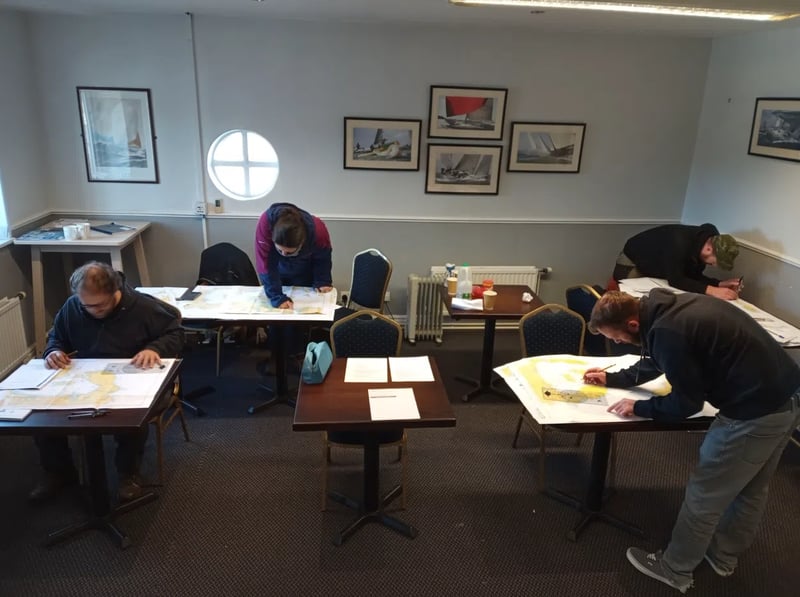
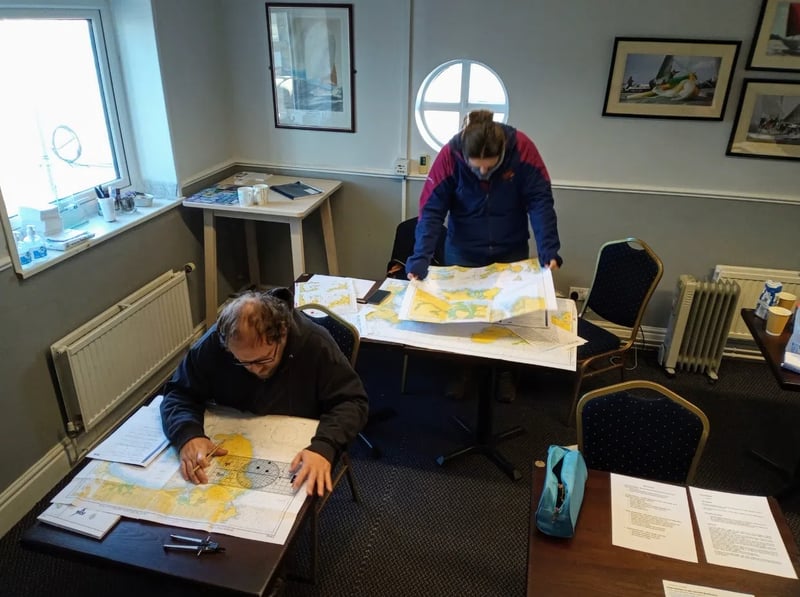
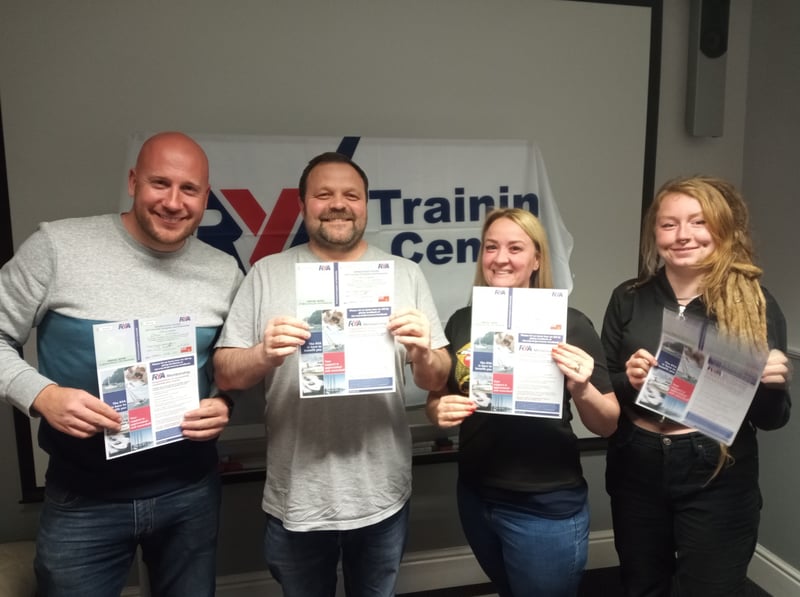
The RYA Day Skipper Theory course is designed to build your skills in coastal navigation, seamanship, and safety, giving you the confidence to begin skippering your own yacht. Delivered across three weekends in person, it’s ideal for those who prefer face-to-face learning and want to benefit from guided support throughout. This is a structured and detailed classroom-based course with plenty of practical exercises and expert input.
Over six days of classroom-based training, you’ll work through modules covering key areas such as navigation, pilotage, tides, safety procedures, and meteorology. The course uses real Admiralty charts, plotting tools, and RYA resources, helping you to learn through hands-on practice rather than theory alone. Instructors will guide you through each topic with plenty of time to ask questions and practise using the tools and concepts yourself.
Throughout the course, you'll sit two exams – one on general seamanship and another focused on chartwork and navigation. Attendance for at least four full days is required, but six are strongly recommended to get the full benefit. The structure across three weekends means you have time between sessions to consolidate your learning. All course materials are included, so there’s no need to purchase extras – just bring a notebook, pencil, and optionally your own plotter and dividers if you have them.
The course takes place at the Marina Office on Bulwark Quay, right in the heart of Whitehaven, Cumbria. This historic port on the north-west coast of England offers a great setting for a sailing theory course, with its close proximity to the Irish Sea and a working marina providing real-world context to what you learn in the classroom.
Whitehaven itself is well connected by road and rail, making it accessible from much of the North West and beyond. With local shops, cafés, and accommodation nearby, it's easy to plan your weekends around the course, and the quiet marina environment creates a focused space for study without distractions.
There are no formal qualifications required to join this course, but a basic understanding of sailing will help. If you’ve been out on the water a few times or done some crewing, you’ll have enough context to follow along. You don’t need any previous navigation or chartwork experience – this course is designed to teach those skills from the ground up.
This is an intensive course with a lot of material to cover, so it helps if you’re comfortable with basic maths and are ready to dedicate your full attention during the training days. Motivation and a willingness to learn are the most important things to bring.
The centre delivering this course is committed to providing a welcoming and supportive environment that helps learners succeed – not just pass. Instructors are experienced sailors with a real passion for helping others develop the skills to confidently skipper their own boat. Their focus is on making sure every part of the course feels relevant, understandable, and practical.
The group sizes are kept deliberately small to allow time for one-to-one guidance and plenty of interaction during exercises. This course is also invigilated, meaning your RYA certificate carries greater weight than an online-only option. Whether you plan to take your Day Skipper Practical soon after or just want to build your confidence, this course will give you the knowledge to move forward with clarity and assurance.
This course is delivered in person across three weekends, giving you the benefit of face-to-face instruction, real-time feedback, and structured learning. You'll have direct access to an experienced tutor who can answer your questions and help you work through any tricky areas on the spot.
The certificate awarded is also marked as 'invigilated', which carries more weight than one earned through an online-only course. This can be important if you're planning to go on to the practical Day Skipper course, as some centres now expect this level of certification.
You'll cover a wide range of subjects essential for safe and confident skippering. These include coastal navigation, position fixing, use of tide tables, meteorology, rules of the road, safety procedures, and planning passages.
The course is built to give you the knowledge needed to start making decisions onboard. You’ll also get hands-on experience with plotting tools and charts, which helps bring the theory to life in a practical way.
Yes, there are two exams during the course – one covering general seamanship and navigation knowledge, and another focused specifically on chartwork. Both are written exams completed in the classroom.
While the exams are challenging, the course is structured to prepare you fully. You'll do plenty of practice exercises in class, and the instructor is there to support you. Attending all six days gives you the best chance of passing both assessments confidently.
Absolutely. This course is designed for beginners who want to learn the basics of navigation and seamanship. No prior experience with chartwork or tides is required, and all essential skills are taught from scratch.
Having some general sailing experience will help, but it’s not mandatory. If you've crewed on boats or done a taster session, you'll already have a useful foundation to build on.
You’ll only need to bring a notepad, pencil, and optionally your own plotter and dividers if you already have them. All course materials, textbooks, charts, and practice questions are provided.
You’ll be working with real Admiralty charts and RYA training materials throughout, so you won’t need to purchase anything separately unless you want your own tools for home study.
The course is delivered over three consecutive weekends, with each day dedicated to a specific group of topics. This layout gives you time between sessions to review what you’ve learned and prepare for the next module.
Topics are split across the weekends in a logical order, starting with navigation basics and moving into more advanced areas like passage planning and meteorology. This gradual progression makes the learning more manageable and builds your confidence step-by-step.
Yes – in fact, it’s strongly recommended. This theory course is designed to give you the foundational knowledge needed before progressing to the practical course. It improves your understanding of how to plan passages, read charts, and interpret conditions.
Completing the theory first means you’ll be far better prepared for the hands-on aspects of the practical training and much more likely to pass it successfully.

About the centre
Whitehaven
Operated by SeaClan, a partner of adventuro.



Surrey, East and West Sussex, United Kingdom
From £425

Derbyshire and Nottinghamshire, United Kingdom
From £430