We partner with Rewilding Britain to help protect our natural spaces for future adventures.
All centres are vetted for safety and quality. Your adventure is in good hands with adventuro.
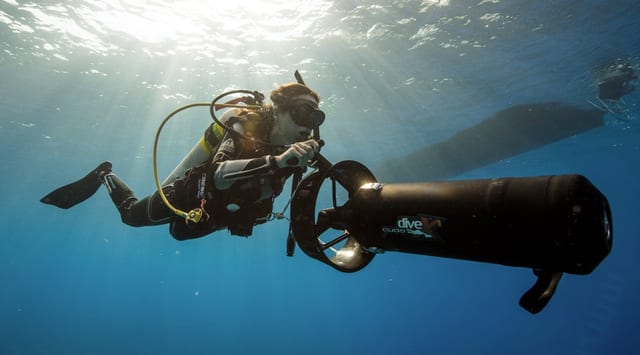
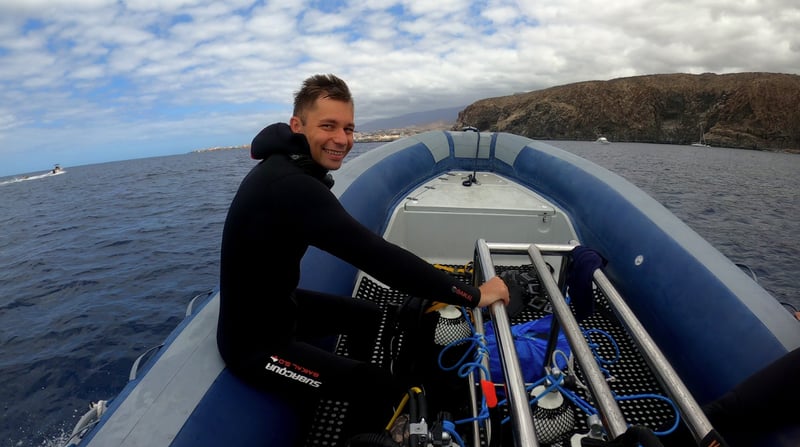
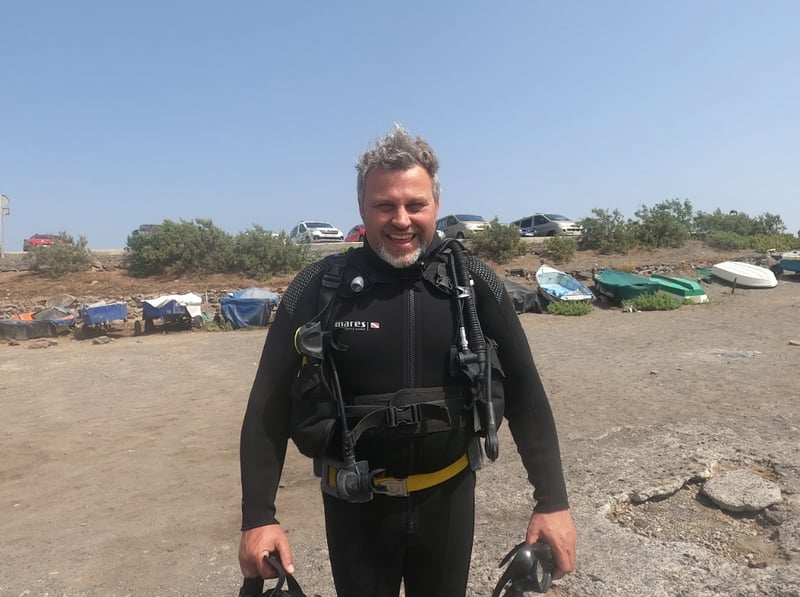
Lege größere Distanzen zurück, verbrauche weniger Energie und erlebe bekannte Tauchplätze aus einer völlig neuen Perspektive. Der DPV Diver Kurs macht dich mit Unterwasserscootern vertraut und vermittelt dir, wie du ein Diver Propulsion Vehicle sicher einsetzt, um bei jedem Tauchgang mehr von der Unterwasserwelt zu erkunden.
Statt dich vollständig auf deine Flossen zu verlassen, lernst du, einen Unterwasserscooter zu nutzen, um während eines Tauchgangs größere Distanzen effizienter zurückzulegen. Die Ausbildung beginnt mit einer Einführung in die Ausrüstung. Dabei erfährst du, wie DPVs funktionieren, wie sie gewartet werden und welche Sicherheitsverfahren bei ihrer Nutzung unter Wasser erforderlich sind.
In den praktischen Einheiten liegt der Schwerpunkt auf der korrekten Steuerung des Scooters, der Aufrechterhaltung des Auftriebs und dem komfortablen Bewegen durch das Wasser. Du übst außerdem wichtige Fertigkeiten wie Wenden, Bremsen, das Anpassen von Gurtsystemen und den Umgang mit möglichen Problemen an der Ausrüstung.
Sobald du die Grundlagen beherrschst, geht es ins Meer, um alles in die Praxis umzusetzen. Mit einem DPV kannst du deutlich größere Bereiche erkunden als bei einem herkömmlichen Tauchgang und erreichst oft Abschnitte von Tauchplätzen, die innerhalb eines normalen Freizeittauchgangs nur schwer zugänglich wären. Die vulkanischen Unterwasserlandschaften Teneriffas eignen sich besonders gut für diese Art des Tauchens, mit weitläufigen Riffbereichen und Felsformationen, die es zu erkunden gilt.
Am Ende des Kurses weißt du, wie du DPV-Tauchgänge sicher planst und durchführst, und erhältst eine Zertifizierung, die es dir ermöglicht, bei zukünftigen Tauchabenteuern Unterwasserscooter zu mieten und zu nutzen.
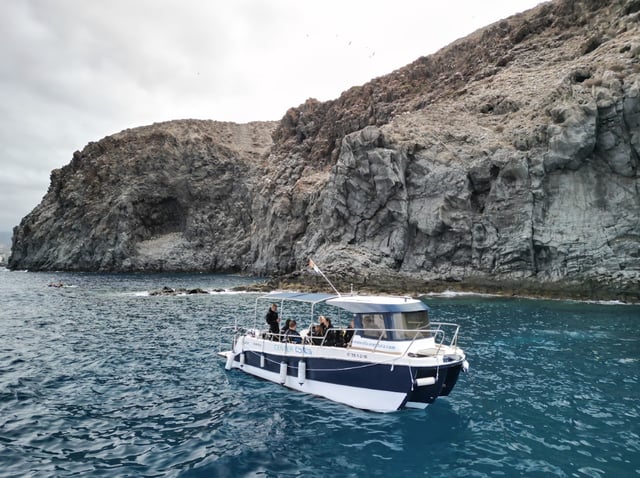
Der Kurs findet im Süden Teneriffas statt, wo weitläufige vulkanische Tauchplätze ideale Bedingungen für die DPV-Ausbildung bieten. Die abwechslungsreiche Unterwasserlandschaft der Region ermöglicht es Tauchern, die Vorteile von Unterwasserscootern zu erleben und gleichzeitig ihre Fähigkeiten weiterzuentwickeln.
Viele lokale Tauchplätze verfügen über weitläufige Bereiche, die sich perfekt zum Zurücklegen größerer Distanzen eignen, wodurch Teneriffa zu einem der besten Orte für das Erlebnis des sportlichen DPV-Tauchens wird.
Für die Teilnahme am Kurs musst du eine Open Water Diver-Zertifizierung oder eine gleichwertige Qualifikation besitzen und mindestens 12 Jahre alt sein.
Normalerweise sind mindestens 25 geloggte Tauchgänge erforderlich. Taucher mit weniger Tauchgängen können möglicherweise nach Abschluss eines Scuba-Review-Programms teilnehmen, um ihre grundlegenden Tauchfertigkeiten aufzufrischen.
DPV-Tauchen bedeutet mehr, als sich einfach an einem Scooter festzuhalten und einen Auslöser zu betätigen. Die Tauchlehrer konzentrieren sich darauf, korrekte Techniken zu vermitteln, die Tauchern helfen, sicher, entspannt und kontrolliert zu bleiben und gleichzeitig die Vorteile des Unterwasserantriebs zu genießen.
Mit Zugang zu hervorragenden Tauchplätzen und Tauchlehrern mit Erfahrung in der DPV-Ausbildung lernst du, das Beste aus dieser aufregenden Art des Tauchens herauszuholen und Fähigkeiten aufzubauen, die du weltweit einsetzen kannst.
DPV steht für Diver Propulsion Vehicle und ist allgemein als Unterwasserscooter bekannt. Dabei handelt es sich um ein motorisiertes Gerät, das Taucher durch das Wasser zieht und den erforderlichen Kraftaufwand während eines Tauchgangs reduziert.
Mit diesen Scootern können Taucher größere Distanzen zurücklegen, Energie sparen und größere Bereiche eines Tauchplatzes erkunden, als dies normalerweise allein mit Flossen möglich wäre.
Nein. Der Kurs ist darauf ausgelegt, Tauchern von Anfang an die sichere Nutzung eines DPV beizubringen.
Du lernst, wie die Ausrüstung funktioniert, wie du sie steuerst und wie du mit Situationen umgehst, die während der Nutzung unter Wasser auftreten können.
Der größte Vorteil besteht darin, deutlich größere Distanzen mit weniger Energie- und Luftverbrauch zurücklegen zu können.
Viele Taucher genießen auch das einzigartige Gefühl, über Riffe und Unterwasserlandschaften zu gleiten, deren Erkundung sonst deutlich länger dauern würde.
Die Ausbildung umfasst die Bedienung und Wartung des Scooters, Tauchgangsplanung, Notfallverfahren, die Konfiguration der Ausrüstung und Techniken zur Handhabung unter Wasser.
Du lernst außerdem, beim Einsatz eines DPV den richtigen Auftrieb und die korrekte Trimmung beizubehalten – ein wichtiger Bestandteil einer sicheren und effizienten Nutzung.
Der Kurs beinhaltet praktische Trainingstauchgänge im Meer, bei denen du den Scooter unter realen Tauchbedingungen einsetzt.
Der genaue Ablauf kann je nach Bedingungen und individuellem Lernfortschritt während der Ausbildung variieren.
Notfallverfahren sind ein wichtiger Bestandteil des Kurses und umfassen den Umgang mit Problemen an der Ausrüstung.
Du lernst, wie du sicher auf Situationen wie einen ausgefallenen Scooter reagierst, einen anderen Taucher schleppst und während der Nutzung eines DPV Luft teilst.
Obwohl Open Water Diver die erforderliche Mindestzertifizierung ist, wird normalerweise erwartet, dass Teilnehmer mindestens 25 geloggte Tauchgänge absolviert haben.
So wird sichergestellt, dass Taucher bereits über eine gute Auftriebskontrolle und Sicherheit unter Wasser verfügen, bevor sie mit einem DPV tauchen.
Über das Zentrum
Arona
Betrieben von Kayaking Atlantis, einem Partner von adventuro.