We partner with Rewilding Britain to help protect our natural spaces for future adventures.
All centres are vetted for safety and quality. Your adventure is in good hands with adventuro.
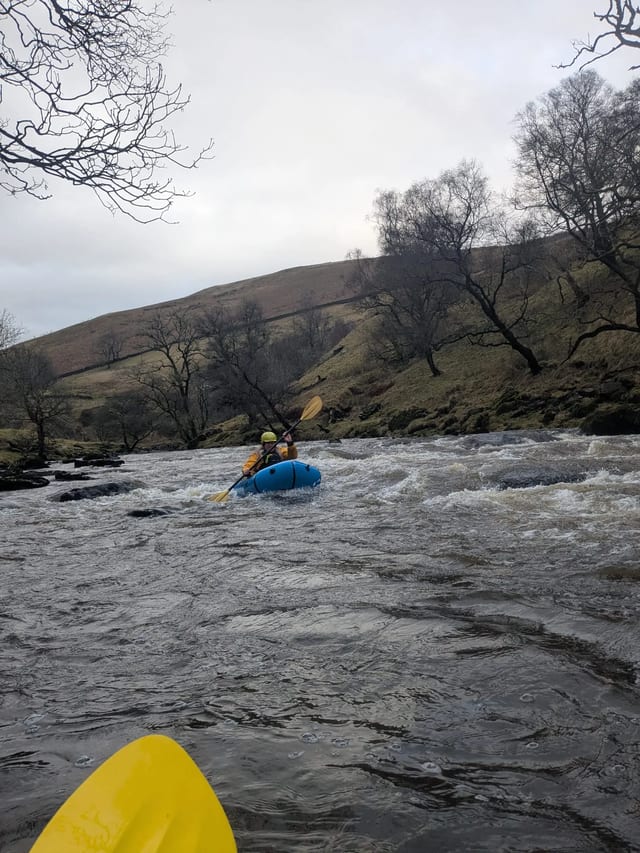
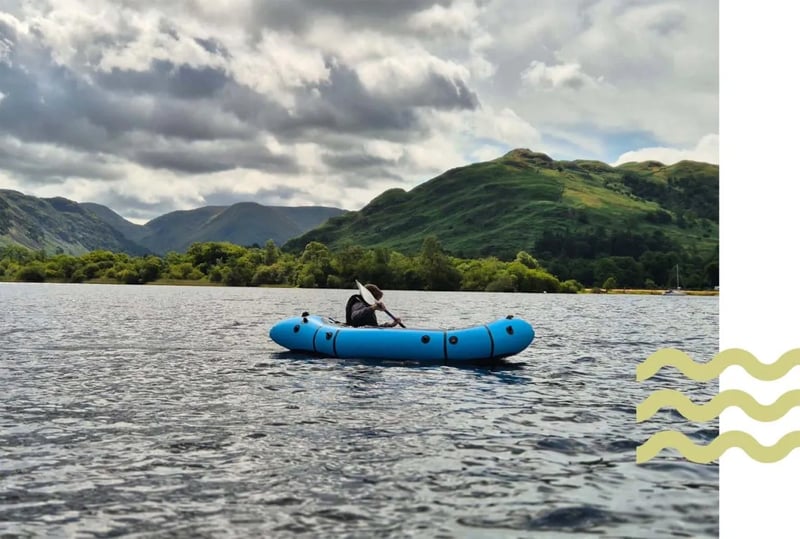
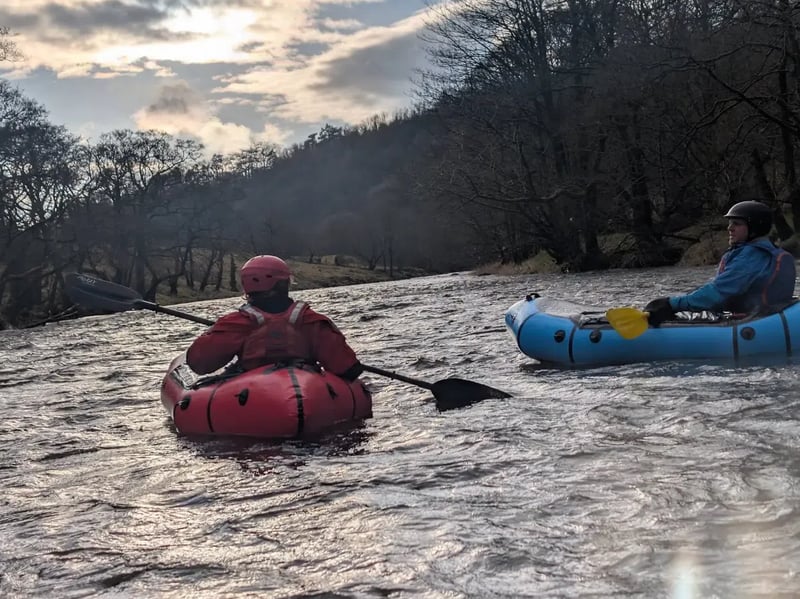
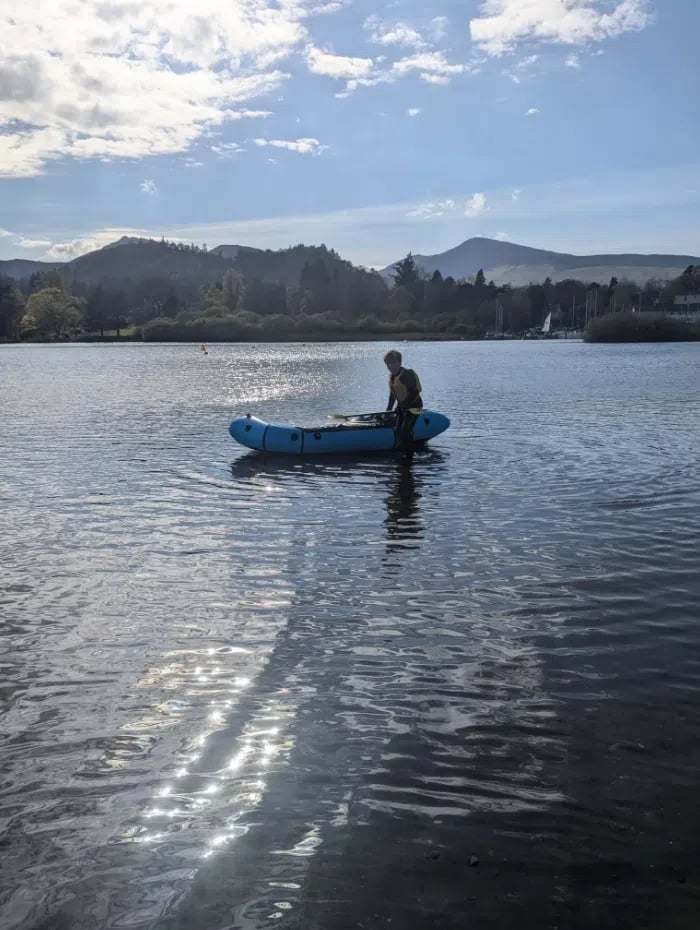
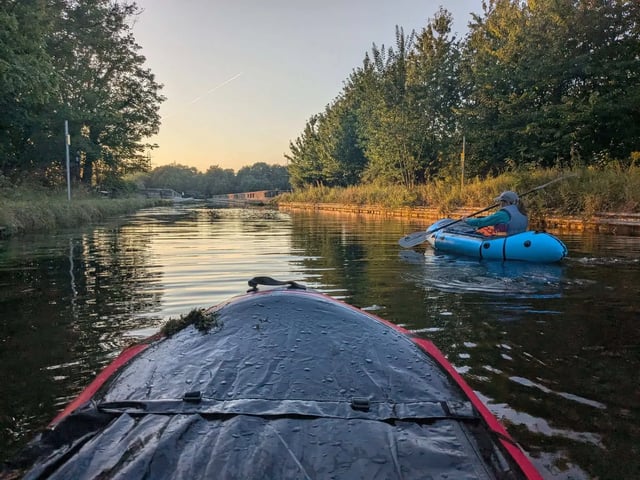
Slow everything down with a two-day packrafting journey that combines paddling across some of Cumbria's loveliest water with a night spent right beside it. This overnight expedition is as much about the rhythm of travel as the destination — drifting through shifting light, settling into a lakeside camp, and waking to mist on the water and quiet fells. No previous experience needed — just a readiness to swap the pace of everyday life for something a little more elemental.
Your adventure opens at the meeting point with a friendly welcome and a thorough kit briefing. Your guide will walk you through every part of the packraft, paddle and buoyancy aid, along with how to pack efficiently for an overnight trip. Because you're carrying camping kit on the water, there's a little extra time spent making sure your dry bags are properly loaded and your boat is balanced. Once everyone is ready, it's down to the shoreline and onto the lake.
The first afternoon on the water is about settling into the rhythm of expedition paddling. Your guide chooses a route that suits the wind, light and group, with plenty of pauses for photos, snacks, and taking in the view. As the afternoon wears on, you'll head towards your overnight camp — usually a sheltered waterside spot chosen for its aspect, privacy, and proximity to the lake. Depending on the route, camp might be reached by a final stretch of paddling or a short walk from a beach landing.
Evening at camp is one of the real rewards of an overnight trip. You'll pitch up, warm up, and share a meal as the light changes over the water. Whether it's clear enough to see the stars or atmospheric with low cloud over the fells, there's something about sleeping right next to water you've paddled yourself that doesn't quite happen on any other kind of trip.
Waking up at a lakeside camp tends to be one of those moments guests remember for years — mist rising off the water, birds moving across the surface, and nowhere to be in any particular hurry. After breakfast and time to pack up thoughtfully (leaving no trace), the group eases back onto the water for the morning paddle. Depending on the route your guide has chosen, this could be a return leg along the opposite shore, a push into a new section of lake, or a longer loop that finishes somewhere different entirely.
The final stretch usually brings you back to a pre-arranged finish point by early afternoon. There's time to dry off, change, and talk through the highlights of the trip before heading on with the rest of your day. Many guests say the most memorable part isn't any single moment, but the transition between them — the way a day and a night outside recalibrates your sense of space and pace.
The Lake District's larger lakes are ideal for overnight expeditions — long enough to offer a real sense of journey, sheltered enough to be genuinely accessible to first-time overnight paddlers, and studded with quiet bays, wooded shorelines and remote corners that simply can't be reached by car. Depending on conditions and the time of year, you might paddle across Coniston, Ullswater, Wastwater, or a quieter body of water selected specifically for the trip. Each offers something different — some open and expansive with views of major fells, others more intimate and sheltered by surrounding woodland.
What makes this landscape so rewarding for an overnight paddle is the combination of scale and variety. In a single day you might move from open water to a hidden bay, from a broad valley view to a sheltered camp with reflected mountains across the surface. National park status also means that wildlife is abundant — red squirrels, otters, curlews, and on clear nights the kind of dark skies you rarely see closer to cities. Every camp brings a fresh perspective on water you thought you knew.
This expedition is built for beginners who are keen on the idea of a multi-day adventure rather than committed paddlers looking for a technical trip. No previous packrafting experience is required, and your guide will cover everything you need — from paddling technique to safely pitching a camp and handling multi-day logistics. You do, however, need a reasonable level of general outdoor fitness: enough to sit in a packraft for several hours across two days, carry a loaded dry bag during short walks between water and camp, and manage cooking and camp tasks at the end of a day outside. Children aged 10 and above are welcome when accompanied by a participating adult, and anyone 18 or over can join independently. Basic water confidence and swimming ability are important, as everyone wears a buoyancy aid and you'll be on the water for extended periods.
Packing thoughtfully makes an overnight trip far more enjoyable. Alongside the comfortable outdoor clothing, waterproof layer, and sturdy footwear you'd pack for any outing, bring a full change of dry base layers, plenty of warm layers for camp, a headtorch with spare batteries, personal toiletries, and any medication you need. Most snacks, food, and core camping equipment will be arranged as part of the trip — your guide will confirm exactly what's provided and what to bring at the time of booking. Everything that needs to stay dry will go into the dry bags supplied, and a full kit list will be sent ahead of the trip.
Packrafting is our only focus, and multi-day expeditions are where that specialism really pays off. Every aspect of the trip — route choice, camping location, kit selection, logistics — has been refined through years of expedition leading on Cumbrian waters, so you're not following a generic package but joining a genuinely well-crafted journey. Small group sizes keep the atmosphere personal and the camp manageable, and our expedition kit has been chosen for comfort, warmth and reliability across two days outdoors.
What really sets an overnight trip apart is the access it unlocks. Because packrafts pack down into a backpack, we can reach camp locations that simply aren't available to bigger boats or standard tour operators — quieter, more remote, and far more memorable. Combined with patient, personable guidance and a real respect for the landscape we work in, that access is what makes a one-night expedition feel like far more than its duration suggests — and why many guests come back for longer multi-day adventures after their first night under canvas.
Overnight spots are chosen on the day from a range of carefully scouted locations, based on the route, weather, and group. Some nights are spent at quiet, informal pitches right beside the water that you simply can't reach by car; others are at established, low-impact wild camping locations where access has been agreed in advance. In every case, the aim is privacy, access to the water, and minimal impact on the landscape.
Because wild camping in the Lake District is a legally nuanced topic, your guide handles all the permissions, site choice, and leave-no-trace logistics so you don't have to. You'll know where you're headed before the trip begins and exactly what to expect on arrival. If you've ever wondered whether a wild camp is "really" possible in the Lakes, this is one of the easiest and most responsible ways to experience it.
Core camping equipment is generally included where needed — the large, shared items like tents, cooking stoves, and group shelters, all chosen specifically for lightweight, water-borne expeditions. Because exact inclusions can vary depending on the route, group size, and time of year, your guide will confirm the full list when you book, and send you a detailed kit list ahead of the trip so you know exactly what's being provided.
Personal items are usually yours to bring: a warm sleeping bag suitable for the season, a sleeping mat or pad, your personal clothing layers, a headtorch with spare batteries, toiletries, and any medication. If you don't own suitable kit, mention it at booking — in some cases we can advise on cost-effective options, rentals, or let you know what's available locally. The aim is to keep the barrier to a first overnight expedition as low as practical.
Food arrangements are agreed at booking, depending on what works best for your group. Some trips come with meals and snacks fully arranged — carefully chosen expedition food that's easy to prepare at camp and energy-dense for paddling days. Others are set up as self-catered, with a packing list sent in advance so you can bring your own food and hot drinks. We'll let you know which applies before the trip so there are no surprises.
If meals are self-catered, plan for simple, easy-to-cook options that travel well in dry bags: wraps or sandwiches for lunch, pasta or dehydrated meals for dinner, porridge or granola for breakfast, plus plenty of snacks for between. Bring more than you think you'll need; cold, fresh air and paddling both sharpen the appetite faster than expected. A flask of hot drink for camp arrival is almost universally loved.
A little rain is no problem at all — camp kit is chosen to handle wet weather, and there's something genuinely pleasant about listening to rain on canvas after a day outside. Your guide will pitch camp in a sheltered location and make sure the group is warm, dry, and well-fed regardless of the forecast. With proper clothing and a good sleeping setup, even a damp overnight expedition can be surprisingly comfortable.
For more serious conditions — sustained heavy rain, dangerous winds, flooding, or lightning risk — the trip may be adjusted. This could mean a shortened route, a different camp location, or in rare cases rescheduling to another date. Decisions are made based on safety first and enjoyment second, and we'll always keep you informed of any changes well in advance where possible.
The paddling is deliberately pitched as achievable rather than demanding. On day one, expect anywhere between two and four hours on the water in the afternoon, with plenty of stops for photos, snacks, and taking in the view. On day two, a morning paddle of two to three hours is typical before you reach the finish point around lunchtime. Distances and times are always adapted to the group's pace and the conditions.
The total mileage is modest by expedition standards — this isn't a test of endurance but an experience of multi-day paddling at a pace that lets you actually enjoy it. If you want something more ambitious, longer multi-day trips with more daily paddling are available; if this feels like a lot, a shorter day outing might be a better starting point. Ask at booking and we'll help you pick the right fit.
Children aged 10 and above are welcome when accompanied by a participating adult, and for the right young person a lake expedition can be an unforgettable experience — genuinely formative for many kids. The paddle is manageable, the camp is memorable, and the whole trip gives young paddlers a real sense of having done something meaningful in the outdoors. Many families describe it as a highlight of their year.
That said, it's worth being honest about whether your child is ready for an overnight in the wild. Things to consider: are they happy being away from home comforts for a night? Are they comfortable around water? Can they carry their personal kit for short stretches? If you're unsure, get in touch before booking. We can talk through your child's experience and help you decide whether this expedition is the right fit, or whether a shorter outing first would set them up better.
Camps are genuinely wild, which means there are no plumbed toilets or showers — you'll be following a proper leave-no-trace approach during your stay. Your guide will walk you through the practicalities on arrival, covering how and where to go to the loo responsibly, how to dispose of waste safely, and how to keep yourself fresh overnight with minimal water usage. It's more straightforward than it sounds, and most guests quickly get the hang of it.
Wet wipes, a small towel, and a dedicated toilet kit (trowel, biodegradable paper, a waste bag) are typical things to pack. If you've never camped without facilities before, don't worry — your guide has done this a lot and will make it all feel easy. Many guests find that one of the quiet pleasures of a wild camp is how quickly you adapt to a simpler routine and stop missing the bathroom mirror.
No — plenty of guests arrive with zero camping experience and have a great trip. The expedition is designed with beginners in mind, and your guide handles all the technical side of camping: choosing the pitch, setting up shelters, managing cooking, and keeping the camp tidy. Your main job is to turn up with the right personal kit and a willingness to muck in with small camp tasks.
If you'd like to use the trip as a chance to learn camping skills as well as paddling, that's very welcome — your guide will happily explain how things are done and involve you in pitching tents, lighting stoves, and sorting camp if you're interested. Many guests leave with the confidence to try camping trips of their own, either by water or on foot, which is exactly what a good first expedition should offer.
Mobile signal in the Lake District is patchy at best — some camp locations have a useable signal, others none at all. This is usually considered a feature rather than a problem, but if you need to stay reachable for work or family, let us know at booking and we can factor it into route choice where possible. Your guide will always have a way to communicate in an emergency.
For power, bring a fully charged phone plus a small power bank if you want to take photos across two days. Some guests bring compact solar panels, though these work best in reliable sunshine. Leave expensive chargers, laptops, and non-essential electronics at home — everything you bring needs to survive a paddle, a camp, and possibly a shower. The dry bags provided are robust, but they're still a working environment rather than a padded safe.
Leave-no-trace is central to how these trips run, and your guide will walk you through the principles on day one: pack out all rubbish, minimise fire use, go to the toilet responsibly well away from water, keep pitches small and brief, and leave each camp exactly as you'd want to find it. It's a simple set of habits that quickly becomes second nature, and it's what allows expeditions like this to keep running in sensitive landscapes.
The legal position on wild camping in the Lake District is more nuanced than in parts of Scotland — strictly speaking, most land is privately owned and permission is needed. In practice, our camp locations are chosen either on land where access has been agreed, or in accordance with the widely accepted conventions of low-impact upland camping. Your guide handles all of this so you can focus on enjoying the trip. If you ever want to wild camp independently in the future, ask during the expedition — we're always happy to share what we know about responsible practice.





About the centre
Carlisle
Operated by Lake District Packrafting, a partner of adventuro.
Cumbria, United Kingdom
From £200
Cumbria, United Kingdom
From £182
Cumbria, United Kingdom
From £173.65
Cumbria, United Kingdom
From £102
Cumbria, United Kingdom
From £102