
We partner with Rewilding Britain to help protect our natural spaces for future adventures.
All centres are vetted for safety and quality. Your adventure is in good hands with adventuro.


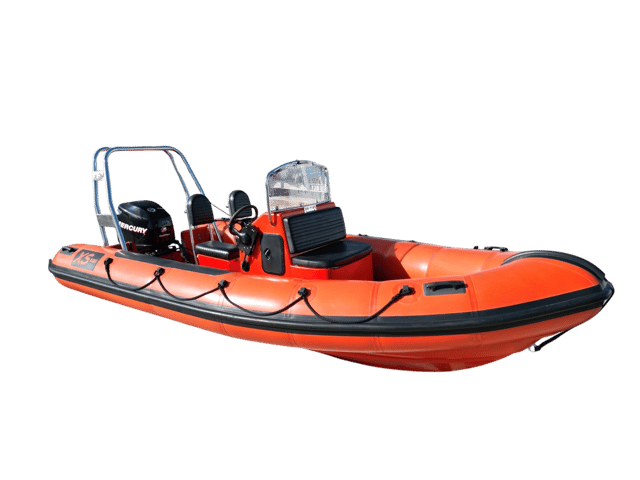
Two-day ICC Power up to 10m courses are designed to help you qualify for the International Certificate of Competence through hands-on training and theory. Ideal for those planning to charter a boat abroad or take command of a small powerboat in the UK, the course covers essential safety, navigation, and boat handling skills.
Participants spend two full days gaining practical skills and theoretical knowledge needed for safe powerboat operation in coastal waters. Topics include launching and recovering boats, manoeuvring under power, anchoring techniques, and emergency procedures such as man overboard drills. Detailed instruction on safety at sea, terminology, and engine handling builds confidence in managing boats driven by inboard or outboard motors.
Theory sessions focus on VHF radio operation, collision regulations, and essential nautical rules. Time is dedicated to knot-tying and ropework, helping to reinforce the practical skills necessary for day-to-day use. All training is delivered with the UK MCA’s ICC standards in mind, ensuring you're equipped to safely operate boats in fair weather and within sight of land. Training on your own vessel is also available by arrangement, as long as it meets minimum criteria.
Conwy Marina is a well-established training site on the North Wales coast, offering access to calm estuary waters and open coastal routes for real-world practice. The marina provides excellent facilities for launching and recovery, and the surrounding area delivers a variety of conditions suitable for all training exercises.
Set in the historic town of Conwy, the location offers a balance of practicality and beauty, with coastal landmarks and easy logistics for those travelling from further afield. The marina’s location at Ellis Way (LL32 8GU) is convenient by car or public transport, and on-site amenities help ensure smooth-running course days.
Participants must be at least 18 years old. No prior experience is required, though being physically able to move around a small boat and handle basic manual tasks such as throwing lines or lifting light equipment is essential. Dates may occasionally change due to weather conditions, so flexibility is advised when booking.
Instructors deliver focused, small-group training based on years of hands-on experience with coastal navigation and boat handling. Every course is tailored to ensure participants leave with real-world ability, not just a certificate.
Training is aligned with UK and international standards, with a strong emphasis on practical learning and personal confidence. Whether learning on one of our boats or your own, expect structured tuition, consistent guidance, and a supportive atmosphere that builds both competence and independence.
The ICC is a formal certificate issued by the UK Maritime and Coastguard Agency (MCA) that proves your competence to operate small vessels in coastal waters. It is based on standards set out in Resolution 40 of the United Nations Economic Commission for Europe (UNECE) and is required or recommended in many European countries for boat hire or operation.
Holding an ICC allows you to charter or skipper a powerboat up to 10m in most international locations, especially across Europe. It is particularly useful for UK residents wanting to use boats abroad without the need for additional qualifications, provided it meets the charter company’s insurance and local legal requirements.
Yes, the course can be delivered on your own vessel if you prefer. This can be a great option if you want to build skills and confidence using equipment you're already familiar with. Your boat must be suitable for the training content—generally under 10m and capable of safe coastal operation with the correct safety equipment on board.
When choosing this option, the course still takes two full days and can accommodate up to five people, depending on the size and configuration of your boat. Make sure to mention your preference for own-boat tuition when booking so instructors can assess suitability and plan accordingly.
The training covers both theory and practical elements needed to safely operate a small powerboat in coastal conditions. Topics include VHF radio operation, anchoring, navigation basics, nautical terminology, and launching and recovery. There's a strong emphasis on boat handling and understanding safety requirements at sea.
You’ll also learn man overboard procedures, collision regulations (rules of the road), ropework and knots, and how to respond effectively in emergency situations. These skills are delivered through hands-on experience and reinforced through onshore instruction to prepare you for the final ICC assessment.
Yes, the course is suitable for beginners. No prior experience is required, and all essential skills are taught during the two days. The training builds up from basic principles to more advanced techniques, ensuring that everyone, regardless of background, can follow along and progress.
That said, you should be reasonably comfortable on the water and physically capable of getting around a small boat safely. Instructors offer plenty of guidance and support, especially in small groups, which allows for one-to-one feedback and coaching throughout.
The certificate is issued upon successful completion of both the theory and practical assessments, which take place during the course. Your instructor will evaluate your ability to apply what you’ve learned and make sure you meet the standard set by the UK MCA.
If for any reason you do not meet the required standard during the assessment, instructors will discuss options for additional training or a resit. The goal is to make sure every candidate is fully prepared and confident to safely handle a powerboat in coastal environments.
In most cases, yes. The ICC is widely recognised by charter companies across Europe and other international locations. It shows that you meet minimum requirements to safely operate a small powered craft up to 10m in length in coastal waters.
However, it’s always best to check directly with the charter company in the country where you intend to hire a boat. Some companies may require additional documents, safety briefings or insurance conditions. In general, holding an ICC makes the chartering process much smoother.
Accommodation is not included in the course price, so you’ll need to make separate arrangements. There are various options available locally in Conwy and the surrounding area, from hotels and guesthouses to campsites and holiday rentals.
If you’re staying nearby, it’s worth choosing a place with flexible booking terms in case your course needs to be rescheduled due to weather. The marina location is easy to reach by car or train, and there's ample parking available during your training days.
You should bring warm, weather-appropriate clothing and footwear that you don’t mind getting wet. Waterproof layers, gloves, and non-slip shoes are highly recommended. A small bag with snacks, lunch, and water will also come in handy as lunch is not provided.
If you have your own lifejacket or waterproofs, you’re welcome to bring them, but essential safety gear is available on site. You may also wish to bring a notepad and pen for the theory elements. All other course materials and equipment are provided as part of your training.


Surrey, East and West Sussex, United Kingdom
From £425

North Wales, United Kingdom
From £495
Derbyshire and Nottinghamshire, United Kingdom
From £325
About the centre
Conwy
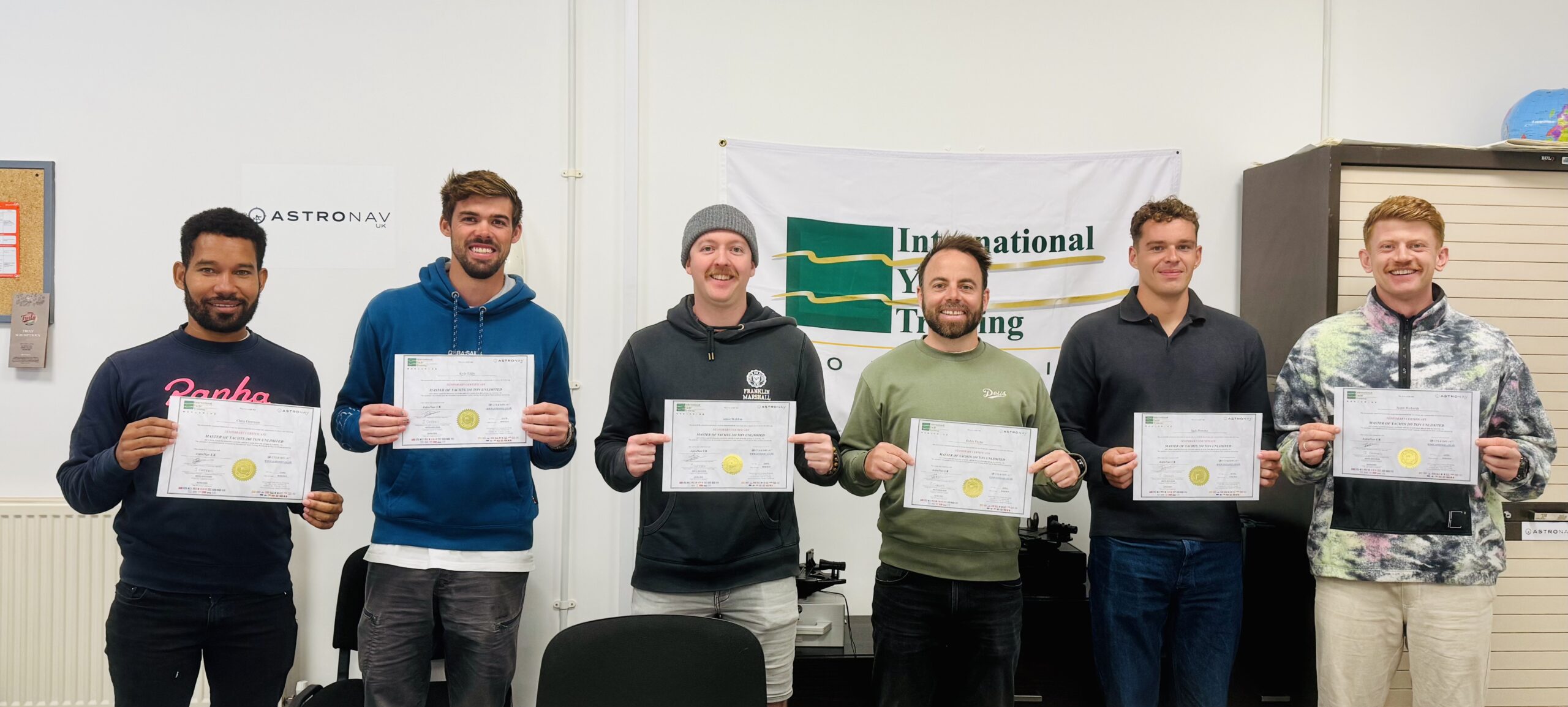
Operated by AstroNav UK, a partner of adventuro.