We partner with Rewilding Britain to help protect our natural spaces for future adventures.
All centres are vetted for safety and quality. Your adventure is in good hands with adventuro.
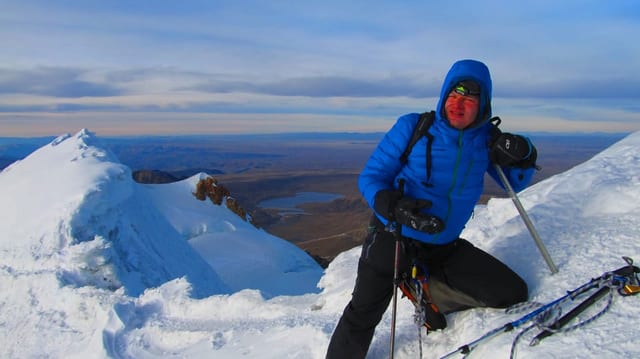
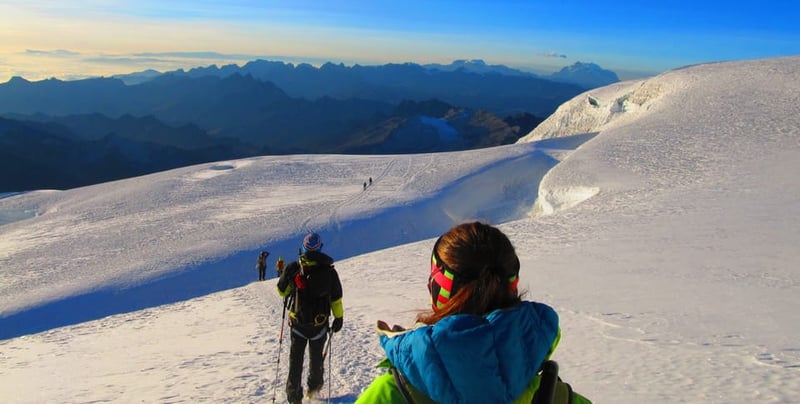
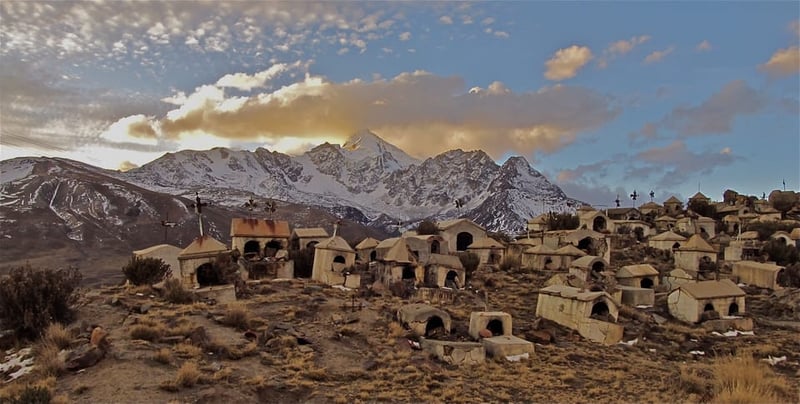
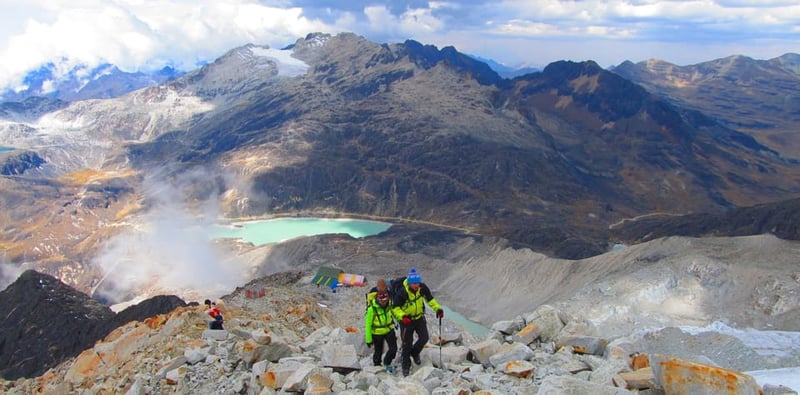
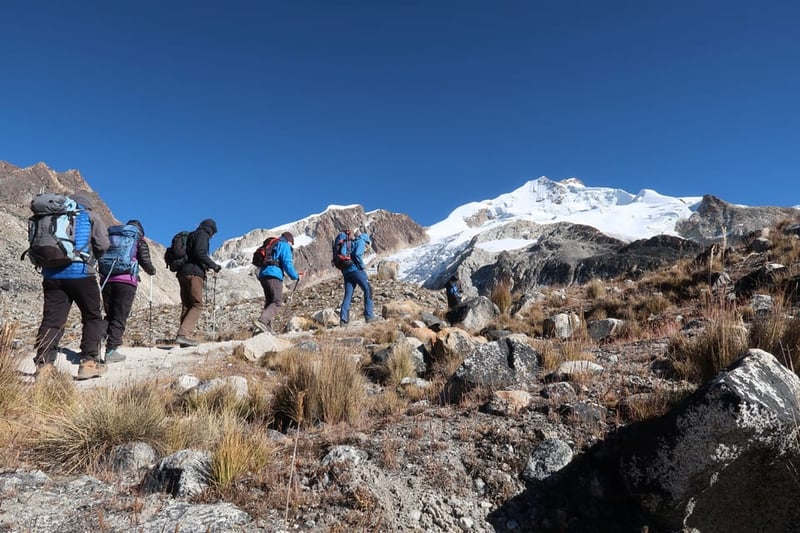
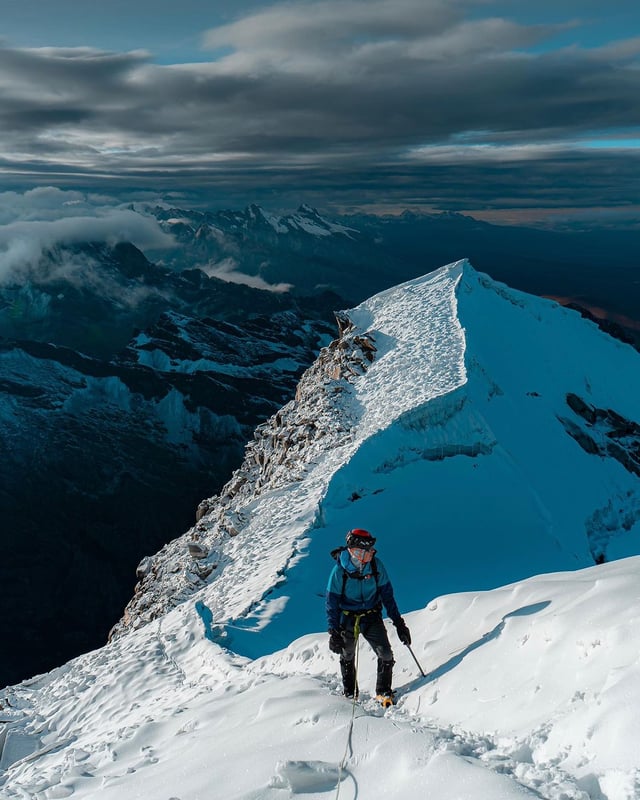
Day one drives from La Paz to Paso Zongo around 4700m for lunch, glacier training with crampons and ice axe, then a three to four hour ascent to high camp around 5150m. Day two starts just after midnight for a five to six hour glacier climb to 6088m, including steep sections such as Pala Chica, before descending to camp and returning to La Paz.
Expect cold nights, thin air and a long summit day. The compact format suits climbers who want Huayna Potosi without a third training day, while still building in ice practice before the push.
Glacier training on day one and a dedicated high camp overnight keep the summit push structured rather than improvised. Guides manage rope work, pacing and the return logistics to La Paz.
Hotel pickup and a clear two day rhythm make this a practical Cordillera Real objective for travellers already based in the city.
Hotel pickup in La Paz starts the scenic drive to Paso Zongo around 4700m. After lunch at the refuge, join a glacier training session with crampons, harness and ice axe on a nearby ice field.
In the afternoon, climb three to four hours along a rocky ridge to high camp around 5150m on the glacier edge. Rest, hydrate and eat dinner before an early night ahead of the midnight start.
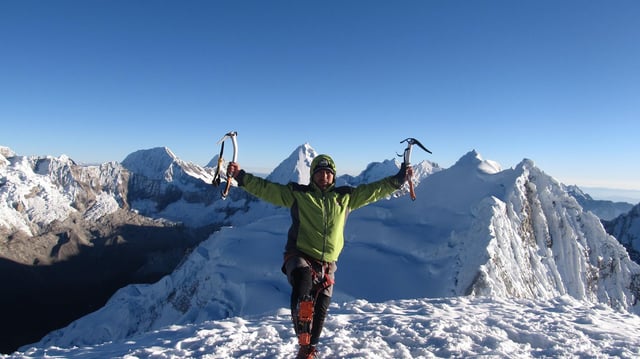
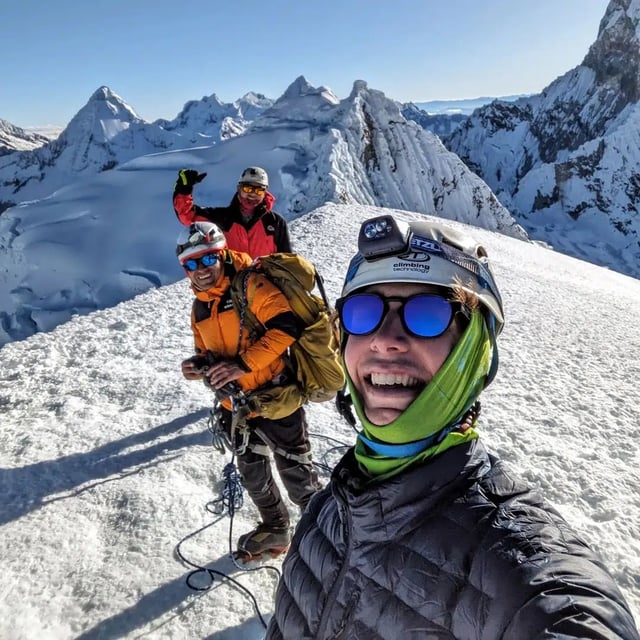
Leave after midnight under headlamps for the glacier ascent. Cross snow slopes and climb steep sections such as Pala Chica around 5600m before the final ridge toward the 6088m summit, with views of the Altiplano, Lake Titicaca, Illimani and Illampu when skies are clear.
After photos, descend to high camp for a short rest, continue to base camp, then drive back to La Paz in the afternoon after about five to six hours of summit climbing plus the descent.
Time at Paso Zongo and on the ice field is used to check kit, practice footwork and brief the rope system before moving higher. Guides keep the session practical and focused on summit readiness.
Hydrate and eat well. The overnight at high camp is short because summit departure comes soon after midnight.
This climb starts with hotel pickup in La Paz, with a meeting reference near Plaza San Francisco also used. Confirm the exact collection point and be ready early.
The first drive heads to Paso Zongo around 4700m. The team returns you to La Paz after summit day.
This is a challenging high altitude climb to 6088m with glacier travel, steep snow sections and a midnight summit start. Strong fitness and comfort at altitude are essential.
Day one includes glacier training so first time ice travellers can learn crampon and axe basics, yet the summit day remains demanding.
Pickup is from your hotel in La Paz, with a meeting reference near Plaza San Francisco also used. Confirm the exact collection point with the team.
Be ready early for the drive to Paso Zongo around 4700m.
Night one is at high camp around 5150m to 5200m on the glacier edge after a rocky ridge ascent of three to four hours. Expect cold conditions and a very early departure after midnight.
Eat, hydrate and sleep as soon as you can after dinner.
Leave after midnight under headlamps for a five to six hour glacier ascent with steep sections such as Pala Chica around 5600m. From the summit you may see the Altiplano, Lake Titicaca, Illimani and Illampu when skies are clear.
Descend to high camp, then base camp, before the afternoon return to La Paz.
No fixed minimum age is published. The climb suits travellers who can handle glacier travel, altitude and a long summit day.
Ask the team before travel for medical or fitness questions related to high altitude mountaineering.
Spend time in La Paz or higher before day one when you can. Arrive rested and tell your guide early if you feel unwell.
Altitude affects people differently even with training and a paced itinerary.
Bring walking shoes or mountain boots as advised, sun protection, backpack, warm layers, cash and a camera. Follow the kit briefing for technical equipment provided on the climb.
Pack for cold nights and a pre dawn summit start.
Mountain weather can change plans, yet the climb rarely stops for ordinary conditions. Safety still comes first on steep ice.
If a change is needed, the team will be in touch. Keep messages open before the early start.
Yes. Day one includes a glacier training session with crampons, harness and ice axe practice before moving to high camp.
Training builds confidence, yet it does not remove the need for fitness and careful pacing on summit day.
Hotel pickup, guided two day itinerary, glacier training, high camp overnight, meals as provided and return logistics form the core package.
Personal insurance, tips and some personal kit remain separate unless clearly included for your visit.
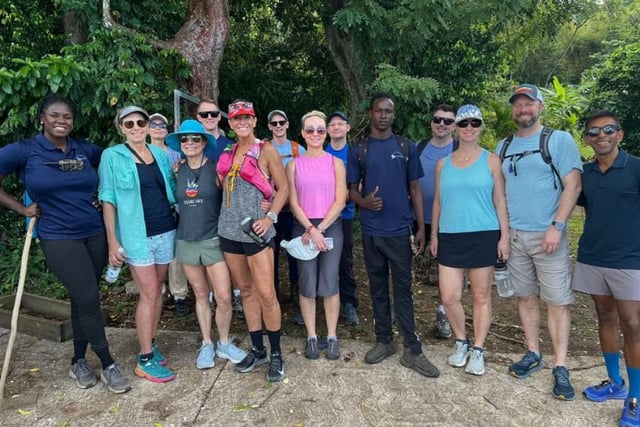
Basseterre & South Peninsula, Saint Kitts and Nevis
From $275
Basseterre & South Peninsula, Saint Kitts and Nevis
From $109.99



About the centre
La Paz
Based in Miraflores, Lima, this local operator connects travellers with guided adventures across Peru, from coastal dunes and Pacific waters to high Andean trails and canyon country. The focus is practical logistics, clear local knowledge, and experiences that reach beyond the busiest tourist circuits.
Support runs seven days a week, with a wide catalogue of day trips and multi-day expeditions so guests can match pace and interest. Whether it is a short coastal outing or a longer trek into the mountains, the team plans routes and safety around the conditions of each destination.
Operated by IZI PERU, a partner of adventuro.