We partner with Rewilding Britain to help protect our natural spaces for future adventures.
All centres are vetted for safety and quality. Your adventure is in good hands with adventuro.
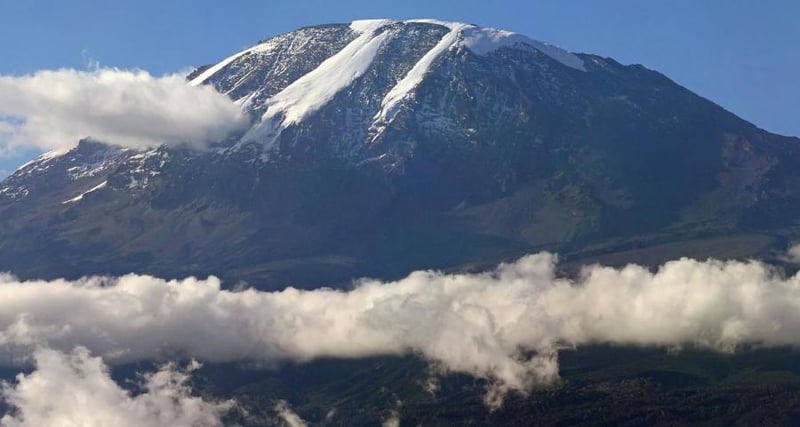
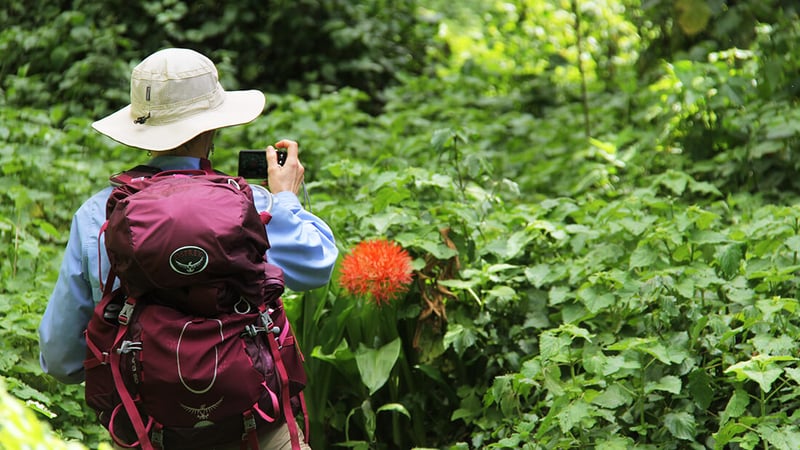
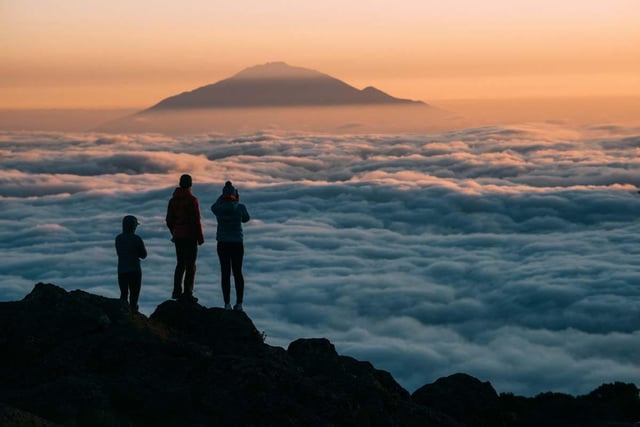
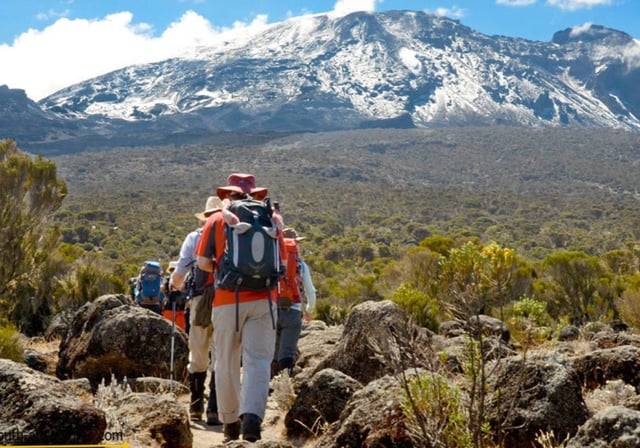
The Lemosho route approaches Kilimanjaro from the west, spending its opening days in quiet forest before joining the busier southern paths near Shira 2 Camp. Lower visitor numbers on the early stages and a longer approach make it one of the better routes for steady acclimatisation and a strong summit success rate.
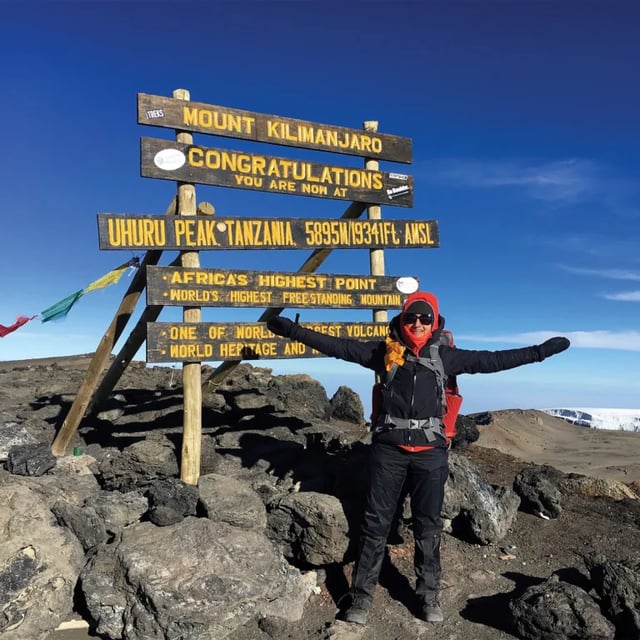
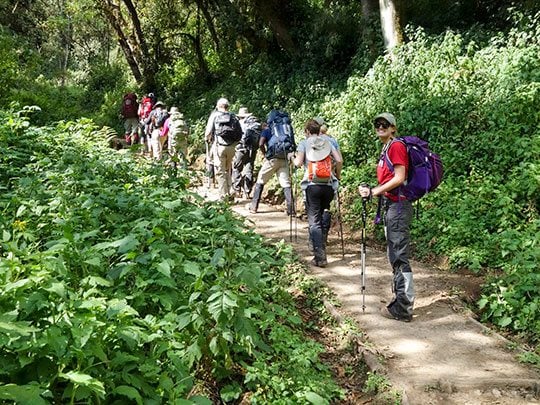
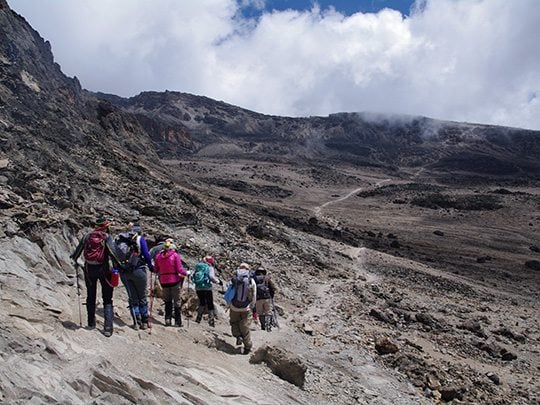
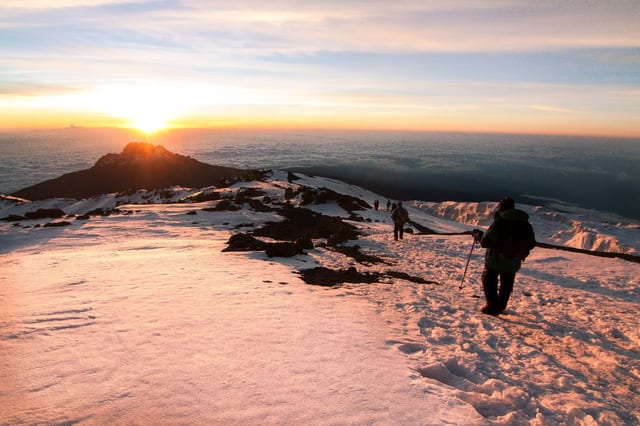
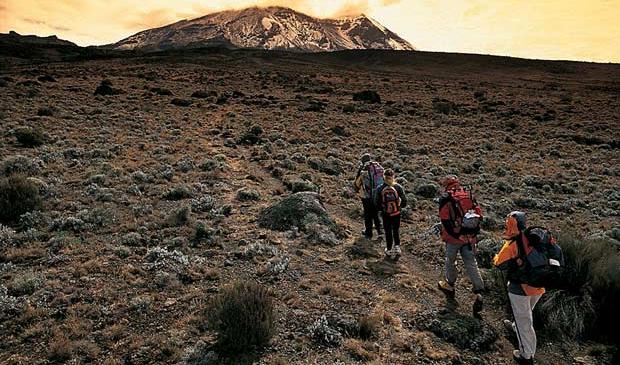
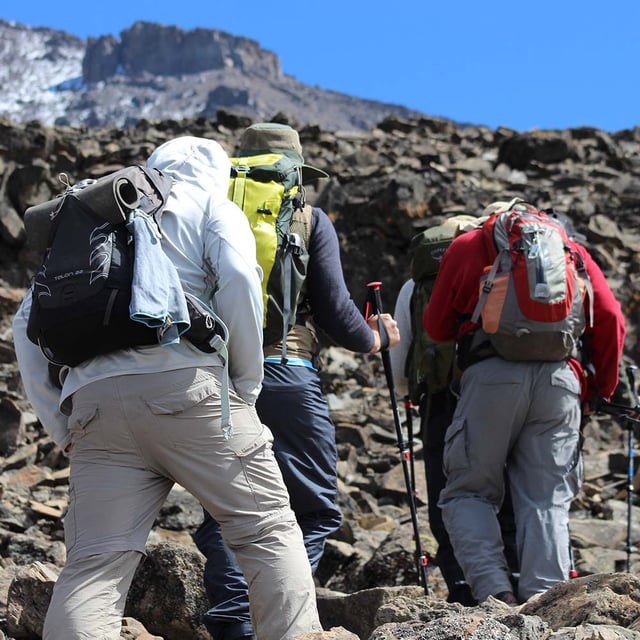
After a night in Arusha to meet your guide and check equipment, the route heads west to Lemosho Gate and spends two days crossing rainforest and open moorland to Shira 2 Camp, where the path joins the southern circuit. From there the climb follows the same rhythm as the busier routes, passing beneath Lava Tower and over the Barranco Wall before a final push to Uhuru Peak and a two day descent to Mweka Gate.
A full day by day breakdown of camps, distances and walking times is set out below in the itinerary.
Climbs on the Lemosho route begin and end in Arusha, a town set beneath the eastern edge of the Great Rift Valley within easy reach of Kilimanjaro International Airport. The drive out to Lemosho Gate on the mountain's western side is longer than for most other routes, passing through farmland and forest reserve before the trek itself begins.
Northern Tanzania is also the gateway to the Serengeti and Ngorongoro Crater, so many climbers combine this trek with a few days of safari either side of the mountain. Arusha has a good range of hotels, cafes and craft markets, making it a comfortable base to rest in before heading up and to recover in once the descent is complete.
No technical climbing skill is required for this route, as it is a walking trail from Lemosho Gate to the summit, though a good level of cardiovascular fitness makes a real difference to how comfortable the longer days feel. Regular hill walking, running or similar training in the months before departure is the best preparation.
A pre trip medical check is a sensible precaution, particularly for anyone with a history of heart, lung or blood pressure conditions, since the altitude gained each day places real strain on the body. Guides monitor climbers daily and carry oxygen, but a slow, steady pace and honesty about how you are feeling matter most.
Guides on this route know the quieter western approach well and use the extra distance to help climbers acclimatise gradually before joining the busier southern paths. Group sizes are kept manageable, and porters carry the bulk of camping equipment so climbers can focus on the walk itself.
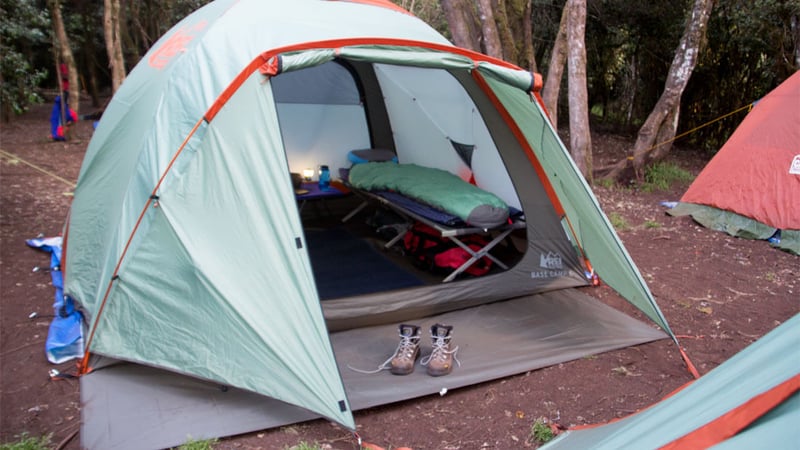
Camps are set up with proper tents and hot food waiting at the end of each trekking day, and the option to hire a personal porter is available for anyone who wants extra support with a daypack. The team's experience running this specific route, camp by camp, is built from years on the mountain.
About the centre
Arusha, Tanzania
Operated by Alaitol Safaris, a partner of adventuro.
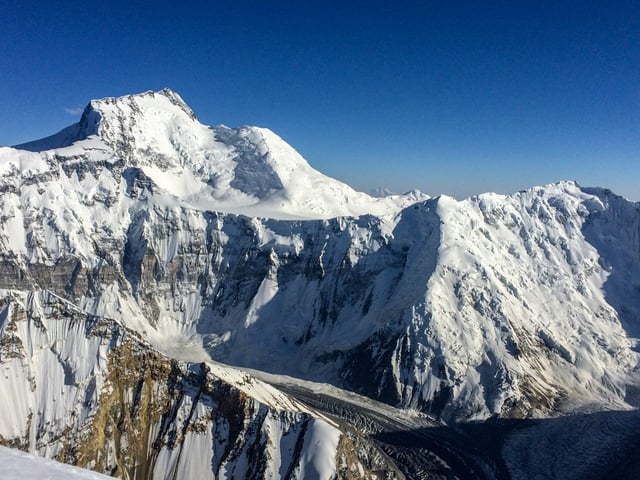
Gorno-Badakhshan, Tajikistan
From €6300
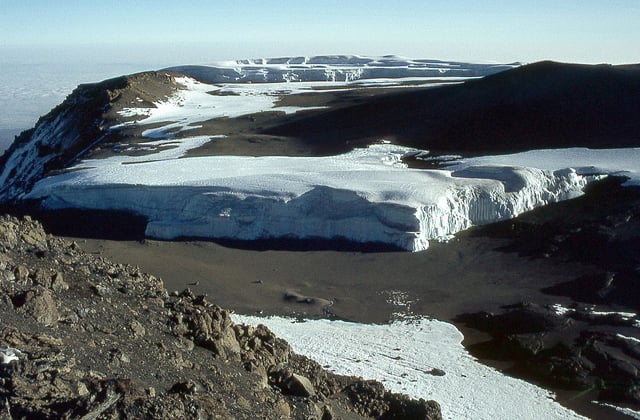
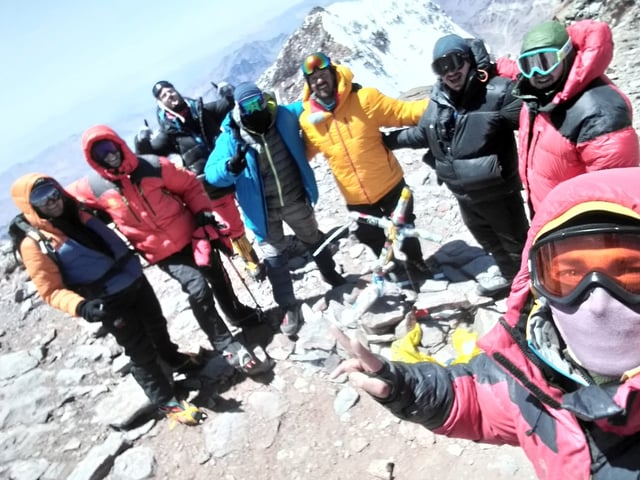
Ysyk-Köl Region (Issyk-Kul), Kyrgyzstan
From €4800
Kilimanjaro & Arusha, Tanzania
From $13472