We partner with Rewilding Britain to help protect our natural spaces for future adventures.
All centres are vetted for safety and quality. Your adventure is in good hands with adventuro.
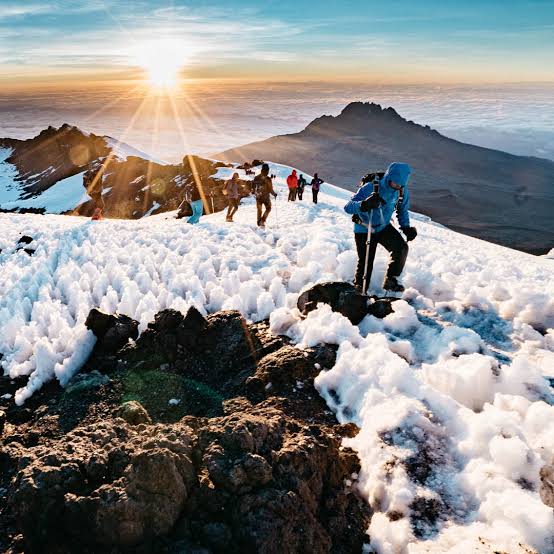
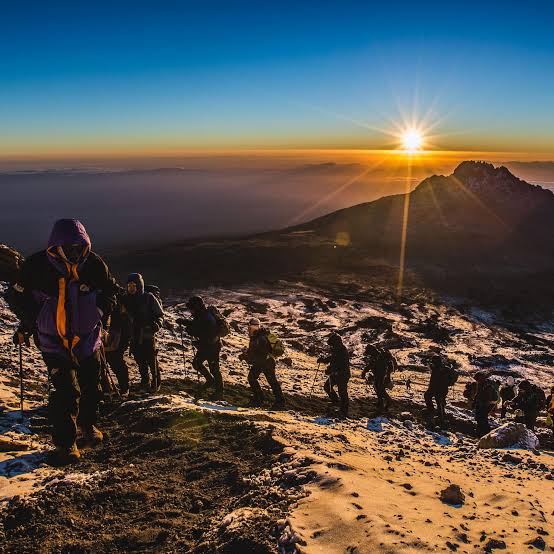
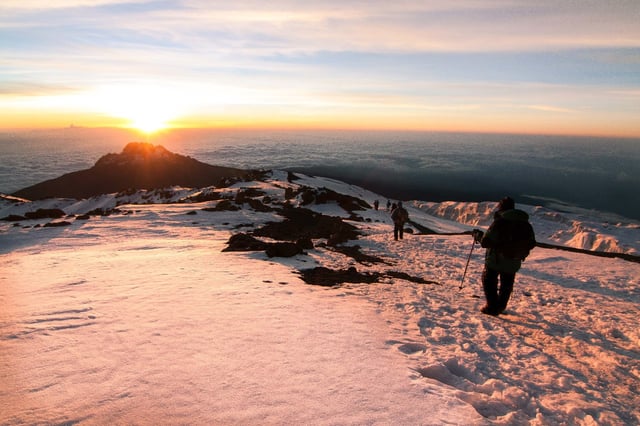
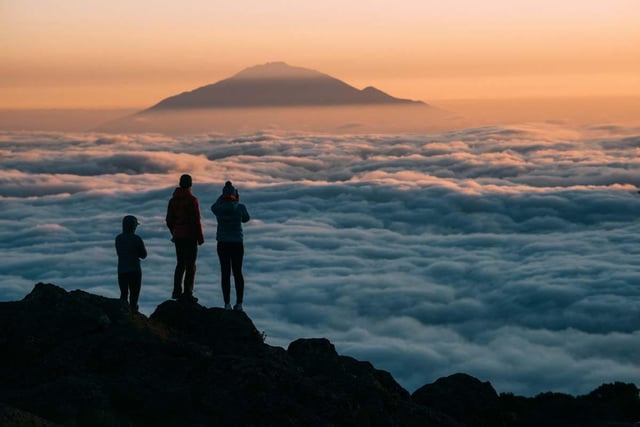
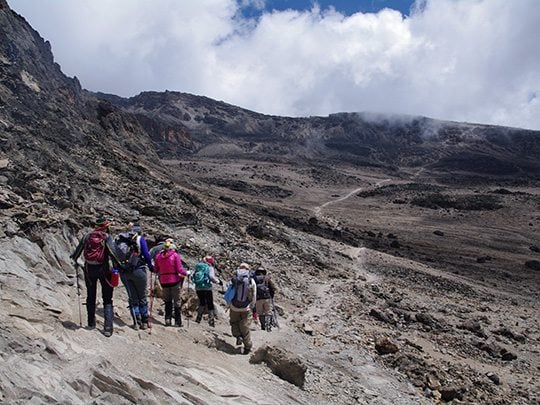
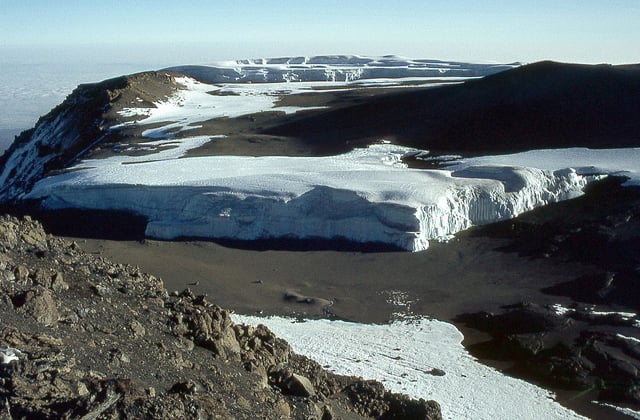
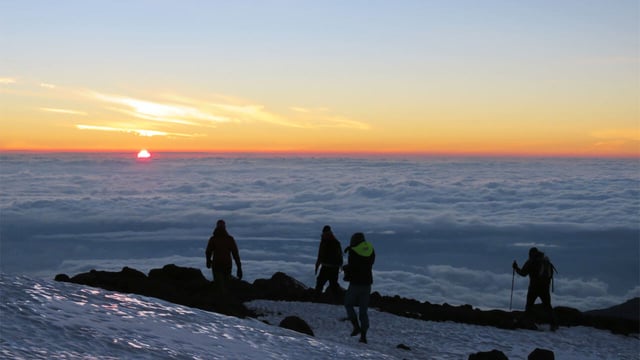
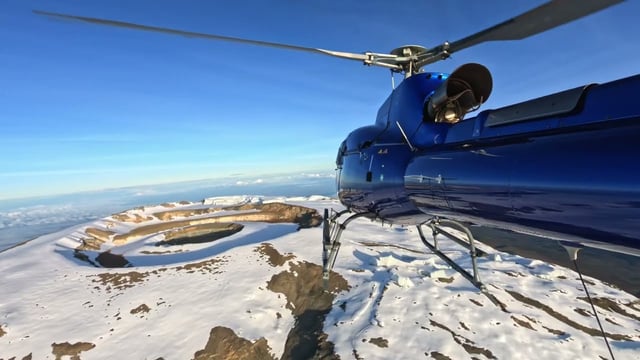
Este trekking ampliado sigue el Circuito Norte alrededor del Kilimanjaro, ofreciendo a los montañistas el periodo de aclimatación más largo de cualquier ruta de la montaña antes de pasar una noche en Crater Camp, cerca de la cumbre. Se reservan dos días completos para adaptarse a la altitud, y la ruta ofrece vistas hacia Kenia que no son visibles desde ningún otro lado de la montaña.
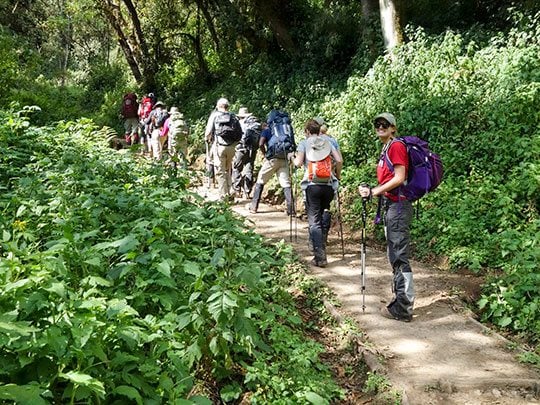
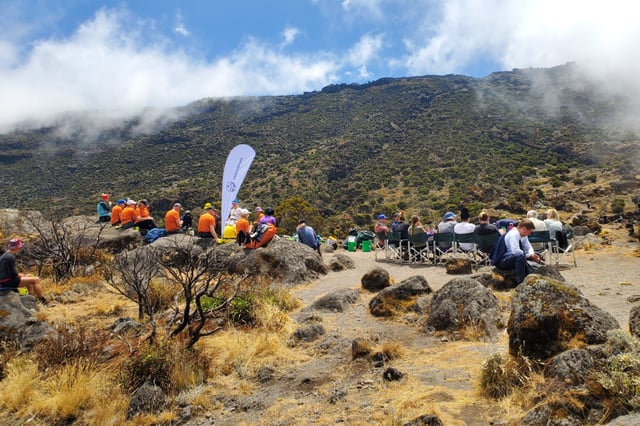
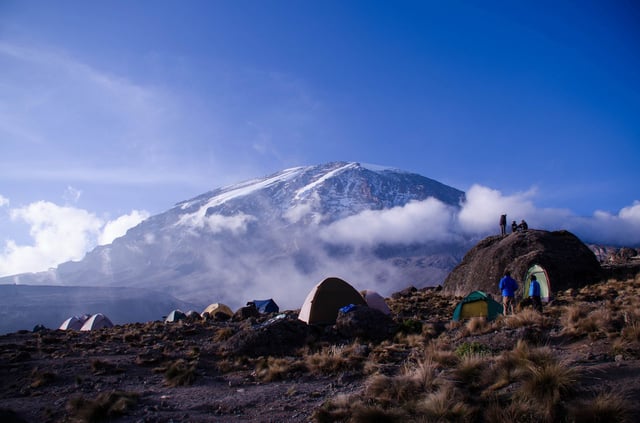
La ruta comienza con dos noches en un alojamiento de las estribaciones para descansar y aclimatarse antes de que empiecen las jornadas de trekking. Desde allí, el grupo atraviesa selva tropical, páramos y desierto alpino mientras rodea la ladera norte de la montaña, acampando cada noche en un lugar nuevo y ganando altitud gradualmente para dar tiempo al cuerpo a adaptarse.
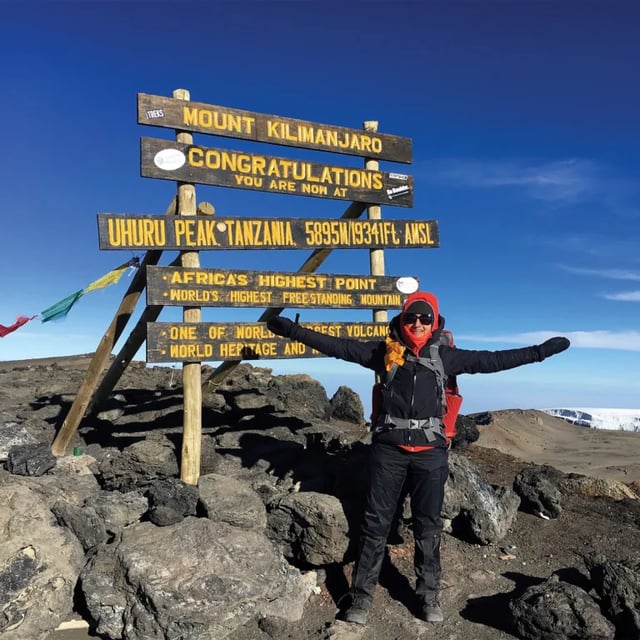
Las etapas finales incluyen un ascenso diurno a Uhuru Peak, seguido de una rara noche en Crater Camp, uno de los campamentos más altos de África, antes de un descenso de dos días hasta Mweka Gate. A continuación se detalla el itinerario completo, día por día, con los campamentos y las altitudes de pernocta.
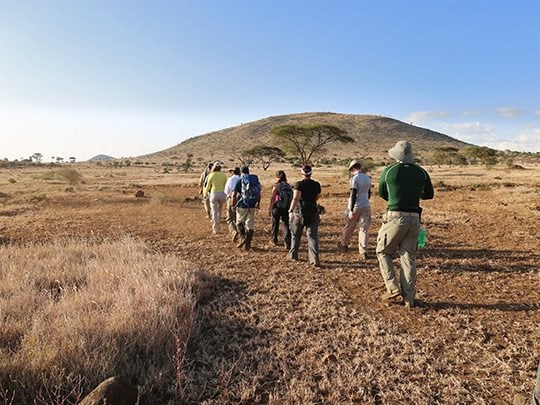
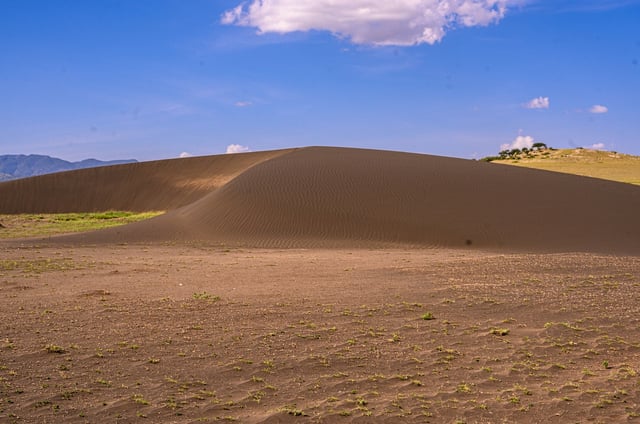
La mayoría de las ascensiones de esta ruta comienzan y terminan cerca de Arusha, una ciudad situada bajo el arco oriental del Gran Valle del Rift y con fácil acceso al Aeropuerto Internacional de Kilimanjaro. El paisaje de los alrededores combina plantaciones de café, tierras ganaderas y sabana seca, con el monte Meru elevándose al oeste y el propio Kilimanjaro dominando el horizonte oriental.
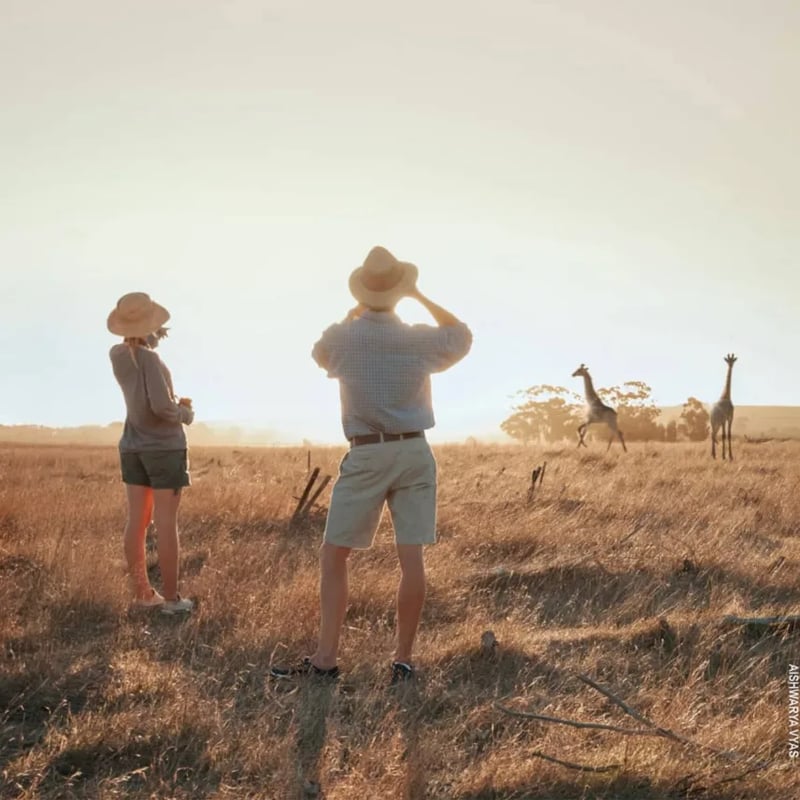
El norte de Tanzania también es la puerta de entrada al Serengeti y al cráter del Ngorongoro, por lo que muchos montañistas combinan el trekking con unos días de safari a uno u otro lado de la montaña. Arusha cuenta con una buena variedad de hoteles, cafeterías y mercados de artesanía, lo que la convierte en una base cómoda para descansar antes de subir y recuperarse después.
No se requiere experiencia en escalada técnica para esta ruta, ya que es una ruta de caminata de principio a fin, pero un buen nivel de condición cardiovascular marca una verdadera diferencia en lo cómodas que resultan las jornadas en altitud. Quienes tengan previsto participar deberían practicar con regularidad caminatas por colinas, carrera u otro entrenamiento similar durante los meses previos a la salida.
Se recomienda una revisión médica antes del viaje, especialmente a quienes tengan antecedentes de problemas cardíacos, pulmonares o de presión arterial, ya que la altitud somete al cuerpo a un esfuerzo adicional. Los guías llevan oxígeno y controlan diariamente a los montañistas, pero el factor más importante para alcanzar la cumbre con seguridad es mantener un ritmo lento y constante y ser sincero sobre cómo te sientes a medida que avanzan los días.
Los guías de esta ruta han alcanzado la cumbre del Kilimanjaro muchas veces y saben exactamente cómo marcar el ritmo de un grupo durante el programa más largo de aclimatación del Circuito Norte. Los grupos son más reducidos que en las rutas meridionales más concurridas, y los porteadores llevan la mayor parte del equipo de acampada para que los montañistas puedan concentrarse en la caminata.
Los campamentos se preparan con tiendas mejoradas, camas adecuadas y comida caliente esperándote al final de cada jornada de trekking, y quienes quieran apoyo adicional con la mochila de día pueden contratar un porteador personal. El conocimiento local del equipo sobre el terreno de la montaña, las fuentes de agua y las condiciones de los campamentos se basa en años de operar esta ruta específica.
Sobre el centro
Arusha, Tanzania
Operado por Alaitol Safaris, un partner de adventuro.
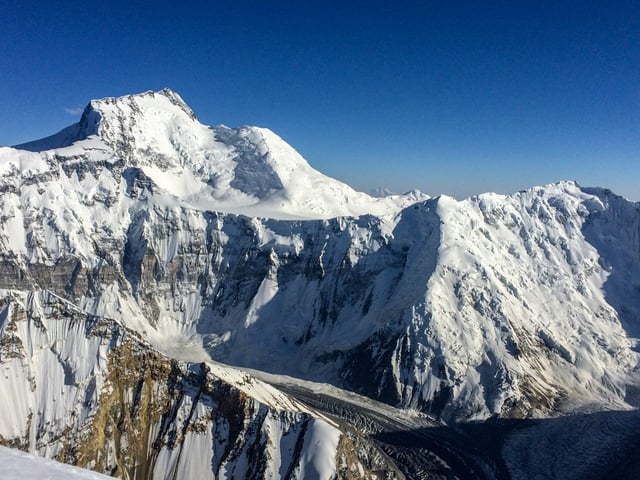
Gorno-Badakhshan, Tajikistan
Desde €6300
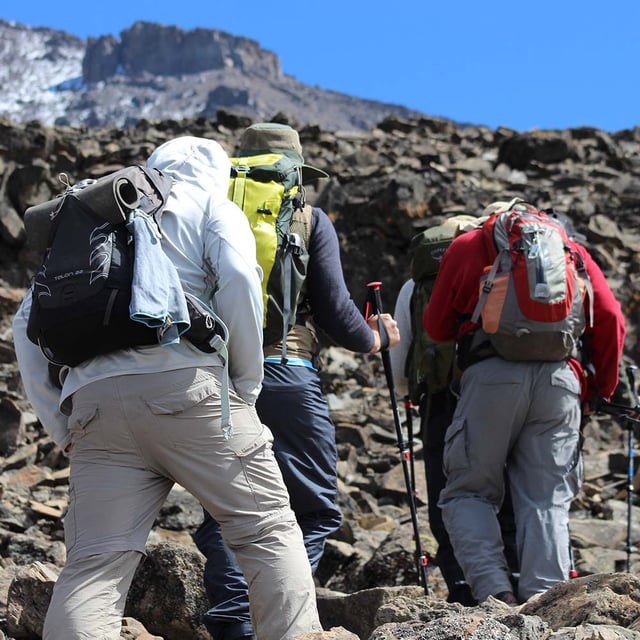
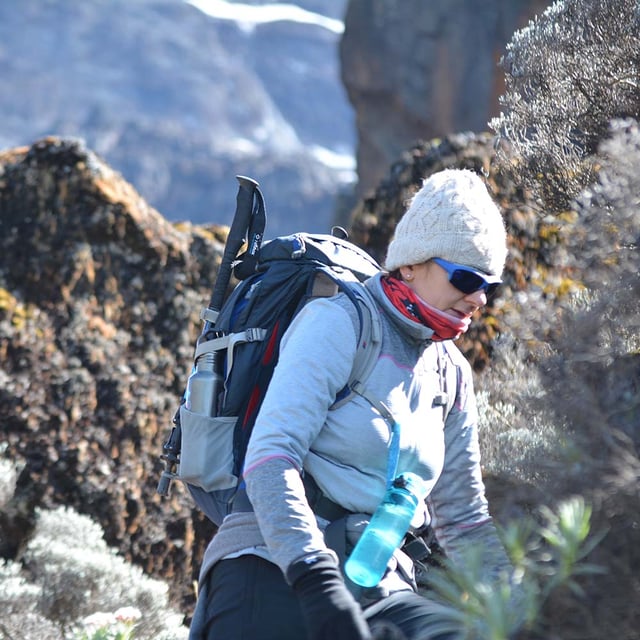
Kilimanjaro & Arusha, Tanzania
Desde $5460
Kilimanjaro & Arusha, Tanzania
Desde $6716
Kilimanjaro & Arusha, Tanzania
Desde $8688
Kilimanjaro & Arusha, Tanzania
Desde $4900