
We partner with Rewilding Britain to help protect our natural spaces for future adventures.
All centres are vetted for safety and quality. Your adventure is in good hands with adventuro.
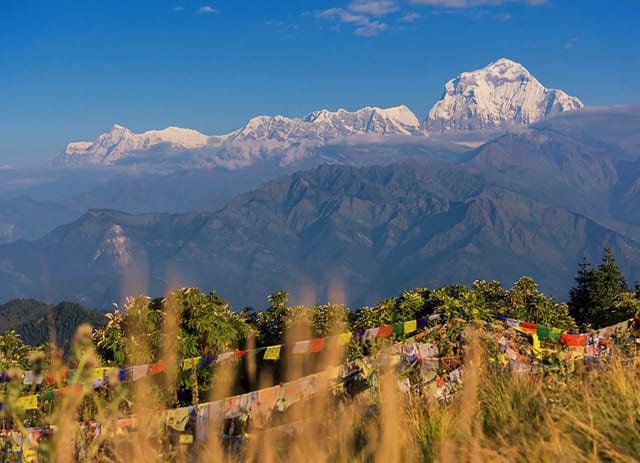
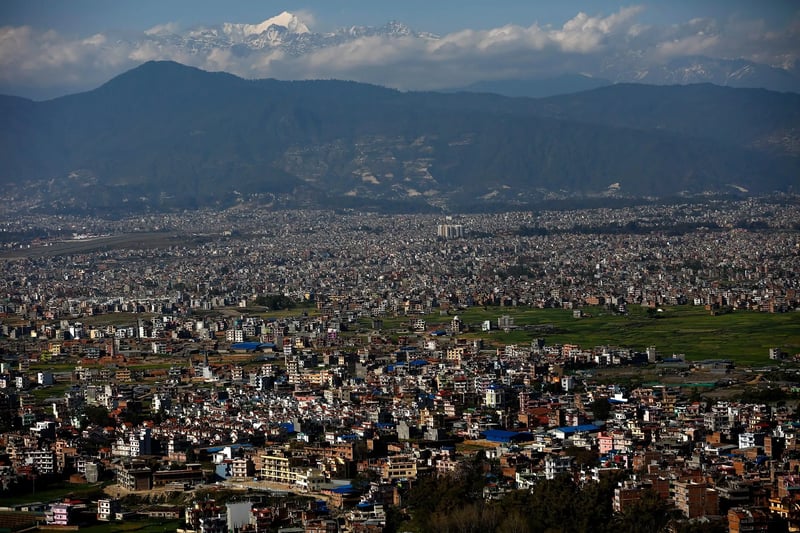

Nayapul is where the walking begins after the Thamel briefing and the transfer to Pokhara, then Thikhedhunga toward Ghorepani. Stone steps and rhododendron forest make up most of the days, typically four to six hours, at a kinder height than Base Camp or pass trips. Poon Hill is an early climb to about 3,210 metres for the viewpoint over Dhaulagiri and Annapurna, then the trail continues to Tadapani and Ghandruk.
Ghandruk then drops back to Nayapul and Pokhara, with Kathmandu on the last days. Teahouse nights sit lower than the sanctuary or Khumbu routes, with more village time and less glacier exposure. Porter support is included when it is on your confirmation, walking-day meals are included, and a stage can be shortened if someone in a mixed-ability group needs it.
Foothill trips still need ACAP papers, Pokhara transport and lodge nights held in advance, plus a licensed leader for a small group. Briefing time covers the Poon Hill start, daily walking hours and how mixed-ability groups are paced. Local logistics use the same standard as the higher routes, just at a friendlier height.
Groups that include first-time Nepal walkers get a rhythm that can shorten a stair day without dropping the viewpoint. Porter support and lodge bookings are held before you leave Kathmandu. If someone needs a slower afternoon, the day flexes rather than treating Ghorepani as a race.
Airport meet-and-greet, hotel check-in, trip briefing, and welcome dinner in the capital.
After you land, a team member can meet you at the airport or your hotel in Thamel when transfer details are shared in advance. Use the afternoon to rest, hydrate, and unpack kit you will need on the trail.
Your lead guide introduces the route, checks permits and insurance wording, and answers questions about altitude, packing, and tipping customs before the mountain days begin.
Expect winding hill roads with scenic stops where it is safe to pull over. Secure daypacks and carry snacks for the longer stretches.
Road journeys in Nepal can be long and winding; secure daypacks, carry snacks, and expect photo stops at river valleys or hill viewpoints. Motion sickness tablets help if you are sensitive.
Meet your trekking crew at the roadhead, confirm bag labels for porters, and have lunch or tea before the first walking day when the schedule allows.
Drive Pokhara to Nayapul (about 2 hours), then trek to Thikhedhunga (1,577 m) to about 4 hours.
Road journeys back to Pokhara or Kathmandu can take a full day on winding hill highways. Secure daypacks, carry snacks, and expect photo stops at river valleys when it is safe to pull over.
Once you reach the hotel, shower, sort laundry, and confirm any onward flight times with the team. Motion sickness tablets help if you are sensitive on switchbacks.
You walk at a comfortable pace, with tea stops and altitude checks along the way.
Stone steps and forest shade dominate these middle-elevation days. Poles help knees on descents, and a head torch is useful if pre-dawn starts are planned for viewpoint hikes.
Teahouses here are often family-run; evenings are social around the dining stove. Charge devices when power is offered and keep a book or cards for nights without Wi-Fi.
Pre-dawn hike to Poon Hill (3,210 m) for sunrise, then trek to Tadapani (2,610 m) to about 5 hours.
Stone steps and forest shade dominate these middle-elevation days. Poles help knees on descents, and a head torch is useful if pre-dawn starts are planned for viewpoint hikes.
Teahouses here are often family-run; evenings are social around the dining stove. Charge devices when power is offered and keep a book or cards for nights without Wi-Fi.
Gurung terraces and slate-roofed houses welcome you into Ghandruk after the Pokhara transfer. Machhapuchhre often appears above the village when afternoon cloud lifts.
Stone steps and forest shade dominate these middle-elevation days. Poles help knees on descents, and a head torch is useful if pre-dawn starts are planned for viewpoint hikes.
Teahouses here are often family-run; evenings are social around the dining stove. Charge devices when power is offered and keep a book or cards for nights without Wi-Fi.
Trek Ghandruk to Nayapul (1,010 m) and drive to Pokhara to about 5 hours walking plus transfer.
Road journeys back to Pokhara or Kathmandu can take a full day on winding hill highways. Secure daypacks, carry snacks, and expect photo stops at river valleys when it is safe to pull over.
Once you reach the hotel, shower, sort laundry, and confirm any onward flight times with the team. Motion sickness tablets help if you are sensitive on switchbacks.
Expect winding hill roads with scenic stops where it is safe to pull over. Secure daypacks and carry snacks for the longer stretches.
Road journeys in Nepal can be long and winding; secure daypacks, carry snacks, and expect photo stops at river valleys or hill viewpoints. Motion sickness tablets help if you are sensitive.
Meet your trekking crew at the roadhead, confirm bag labels for porters, and have lunch or tea before the first walking day when the schedule allows.
Transfer to Tribhuvan International Airport for your onward flight. Keep insurance details handy until you are fully home.
Allow time for airport traffic in Kathmandu and keep insurance details handy until you are home. Porters and guides appreciate farewell tips in an envelope when you are happy with the service.
If Lukla or road delays shortened a buffer day, confirm international flight changes with your airline as soon as you have a new departure time from the team.
Begin in Pokhara with a short drive to the trailhead. We can advise on Kathmandu connections if you arrive internationally first.
Return to Pokhara on the final trekking day for a celebratory evening by the lake.
Thamel and Pokhara hotels sit either side of the walking days, as twins or doubles with a private bathroom. Briefing is in Kathmandu, then the transfer to Pokhara before the Nayapul start. Airport pickup in the capital is available when arrival times are shared.
Foothill lodges at Thikhedhunga, Ghorepani, Tadapani and Ghandruk are generally more comfortable than high Khumbu or sanctuary rooms, and private bathrooms show up more often in the busier villages, though not as a promise. Ghorepani can still be chilly before the Poon Hill morning, so a bag is worth packing. Lodge space is reserved in advance. Dining-room meals are included on walking days. Showers, Wi-Fi and charging are extras.
Yes, if you have basic hill fitness and want teahouse walking without the altitude of Annapurna or Everest Base Camp.
Stone stairs at Ulleri still demand honest legs. Families and mixed-ability friends often choose this loop because nights stay at a friendlier height.
The pre-dawn section from Ghorepani is short and steep. Poles help, and you need warm layers because the ridge is windy at first light.
A head torch is essential. Your guide sets an easy rhythm so you arrive for colour on Dhaulagiri and Annapurna rather than arriving exhausted in the dark.
Spring flowers and autumn clarity are the favourites. Winter can be cold at Ghorepani, with frost on the steps before sunrise.
Monsoon weeks are green and cloudy. If you want rhododendron or a sharp horizon, tell us your month on Adventuro Chat and we will be specific.
The risk is lower than on ABC or Everest routes, but you should still walk steadily, hydrate, and treat headache as information for your guide.
Ghorepani sits high enough for a poor night’s sleep if you rush. The nine-day calendar gives time to settle before the viewpoint morning.
Annapurna area permits are prepared in advance from Kathmandu or Pokhara using your passport copies.
You will show them at checkpoints on the way to Nayapul and Ghorepani. Keep a dry copy with your guide papers so the group is not delayed in the rain.
Active older children who already enjoy long walks can join when adults set a patient pace on the Ulleri stairs.
Talk ages and recent walking through with us before you travel. We would rather shorten a day than turn a first Himalayan trip into a slog.
Standard trekking evacuation cover is recommended, including rescue from the Annapurna foothills.
Even moderate-altitude loops can need a jeep or helicopter if someone twists a knee on wet stone. Keep the policy number in your daypack.
Some lodges sell Wi-Fi or mobile data, but the signal is patchy in the forest and on Poon Hill itself.
Treat evenings as offline time. Charge devices when power is offered and keep a battery pack for the pre-dawn viewpoint.
Yes. You can join a small departure or request a private guide for your own dates from Pokhara.
Solo travellers are common on this route. Message Adventuro Chat with your week and we will match you to a departure or a private pair price.
Broken-in boots, layers, a rain shell, and a sleeping bag suited to teahouse nights cover most of the list. A head torch is non-negotiable for Poon Hill.
Rentals are available in Pokhara or Kathmandu if you want to travel light. We glance at kit the evening before Nayapul so you are not buying gloves at Ulleri prices.
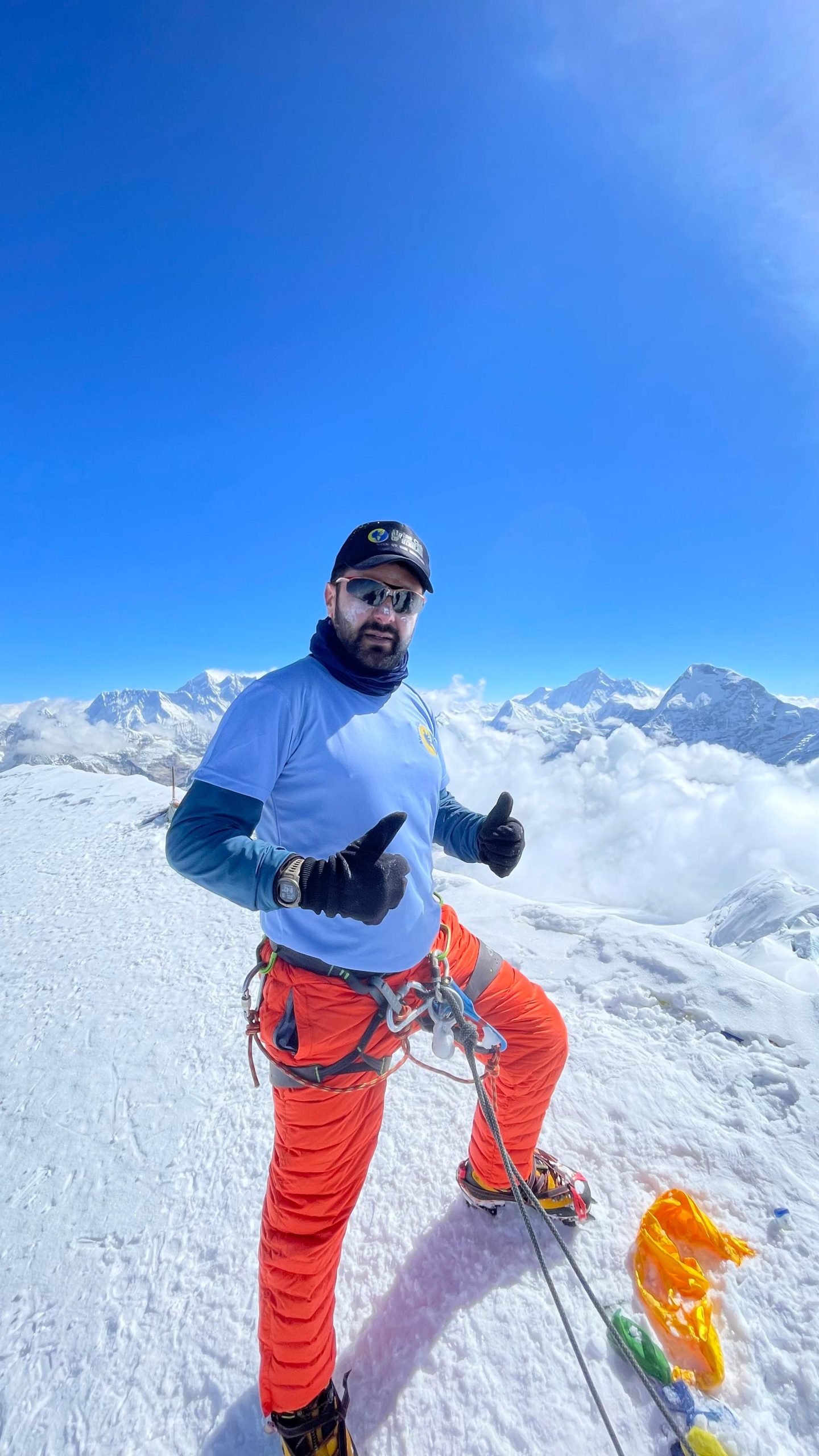
Over het centrum
Kathmandu
We are a Kathmandu-based team of licensed trekking and mountaineering guides who lead small groups through the Everest, Annapurna, Manaslu, and peak-climbing routes of Nepal. Every itinerary is built around steady acclimatization, reliable local logistics, and tea-house or lodge nights that keep you comfortable after long days on the trail.
From your arrival briefing in Thamel to the flight to Lukla or the roadhead for western circuits, we handle permits, domestic connections, porter support, and experienced lead guides who know these valleys season by season. Whether you are aiming for a classic base camp, a high pass, or a summit attempt, we focus on safety briefings, realistic pacing, and warm Sherpa hospitality so you can enjoy the journey as much as the destination.
Uitgevoerd door Alpine Club of Himalaya, een partner van adventuro.


