
We partner with Rewilding Britain to help protect our natural spaces for future adventures.
All centres are vetted for safety and quality. Your adventure is in good hands with adventuro.


Leaving the main Everest trail after the Lukla flight, the Hinku approach runs through Chutanga, Thuli Kharka, Kothe and Thangnak on quieter paths, often five to seven hours, with teahouse nights until Khare. Kit and permit checks happen in Thamel before that flight. Rest and climbing training sit at Khare so crampons, harness and rope travel are practised before Mera High Camp.
Summit morning is a guided attempt on Mera Peak, using crampons and a rope on snow, with a turn-around time if weather or fitness makes the top a poor idea. The Hinku is then retraced to Lukla for the Kathmandu flight. This is a climbing trip, not only a teahouse walk. Porters and a climbing crew move group kit so you walk a manageable pack, and walking-day meals are included.
Climbing and park permits, Lukla flights, group mountaineering equipment and a licensed climbing leader are arranged as one expedition. Briefing time covers kit checks, turn-around times and how weather is managed on the glacier. Evacuation planning is in place before you fly to Lukla.
Training at Khare is where the summit call starts to take shape, and the climbing leader makes that call. Domestic flights and porter support stay with the same Kathmandu desk. If the glacier or the forecast looks poor, the attempt waits or turns rather than chasing a date.
Airport pickup, hotel check-in, and time to rest before the Mera Peak briefing and preparation.
After you land, a team member can meet you at the airport or your hotel in Thamel when transfer details are shared in advance. Use the afternoon to rest, hydrate, and unpack kit you will need on the trail.
Your lead guide introduces the route, checks permits and insurance wording, and answers questions about altitude, packing, and tipping customs before the mountain days begin.
Use this Kathmandu day for last-minute kit, permits, and a full briefing before you leave the capital.
This is the day to buy last-minute supplies, change money, and attend the full pre-trek briefing. Bring your passport copies, insurance documents, and any rental gear lists so nothing is missed.
Walk through the day-by-day plan with your guide, including realistic walking times, lodge standards, and what happens if Lukla flights or road travel are delayed by weather.
After the Lukla landing you leave the main Everest trail and walk toward Chutanga in quieter forest. This is the start of the Hinku approach to Mera.
Meet your climbing and trekking crew, sort porter loads, and ease into the first walking hours.
Keep rain gear handy; the lower Hinku can be damp even when Lukla was clear.
You walk at a comfortable pace, with tea stops and altitude checks along the way.
Pass days start early while snow is firm and storms are less likely. Pack snacks, gloves, and sun protection; the ridge can feel windy even when valleys below are calm.
Your guide sets the turn-back time before you leave camp. If snow, ice, or symptoms appear, the team may wait, reroute, or add a rest day rather than push the col in unsafe conditions.
The Hinku Valley opens toward Kothe through rhododendron and riverside lodges. Few Everest crowds reach this side of the range.
Walking days here feel remote and quiet. Lunch is usually in a simple teahouse.
Tell your guide about any altitude niggle; the climb toward Thangnak and Khare comes next.
Glacial valleys and moraine paths lead to Thangnak beneath Mera's ridges. This is a natural acclimatization stop before Khare.
The goal is to climb high and sleep low: short hikes above camp, then return to the same lodge for the night. This is one of the most important days for safe altitude gain later in the trip.
Use the time for laundry, charging devices where available, and light stretching. Avoid alcohol and stay hydrated; your guide may check how you slept and how appetite is holding up.
Khare is the last teahouse village before Mera High Camp, with glacier views and time for climbing skills. Your guide checks crampons, harness, and boots before the alpine nights.
A rest or training day here usually includes short climbs on nearby snow or ice.
Eat fully and hydrate. Summit bids depend on weather windows after high camp.
A glacier approach leads to Mera High Camp. Tents sit on a rocky perch with huge Himalayan views when cloud lifts.
Alpine starts are common when weather windows are narrow. Crampons, harness, and head torches should be ready the night before; your climbing guide confirms rope plans and turn-around times for safety.
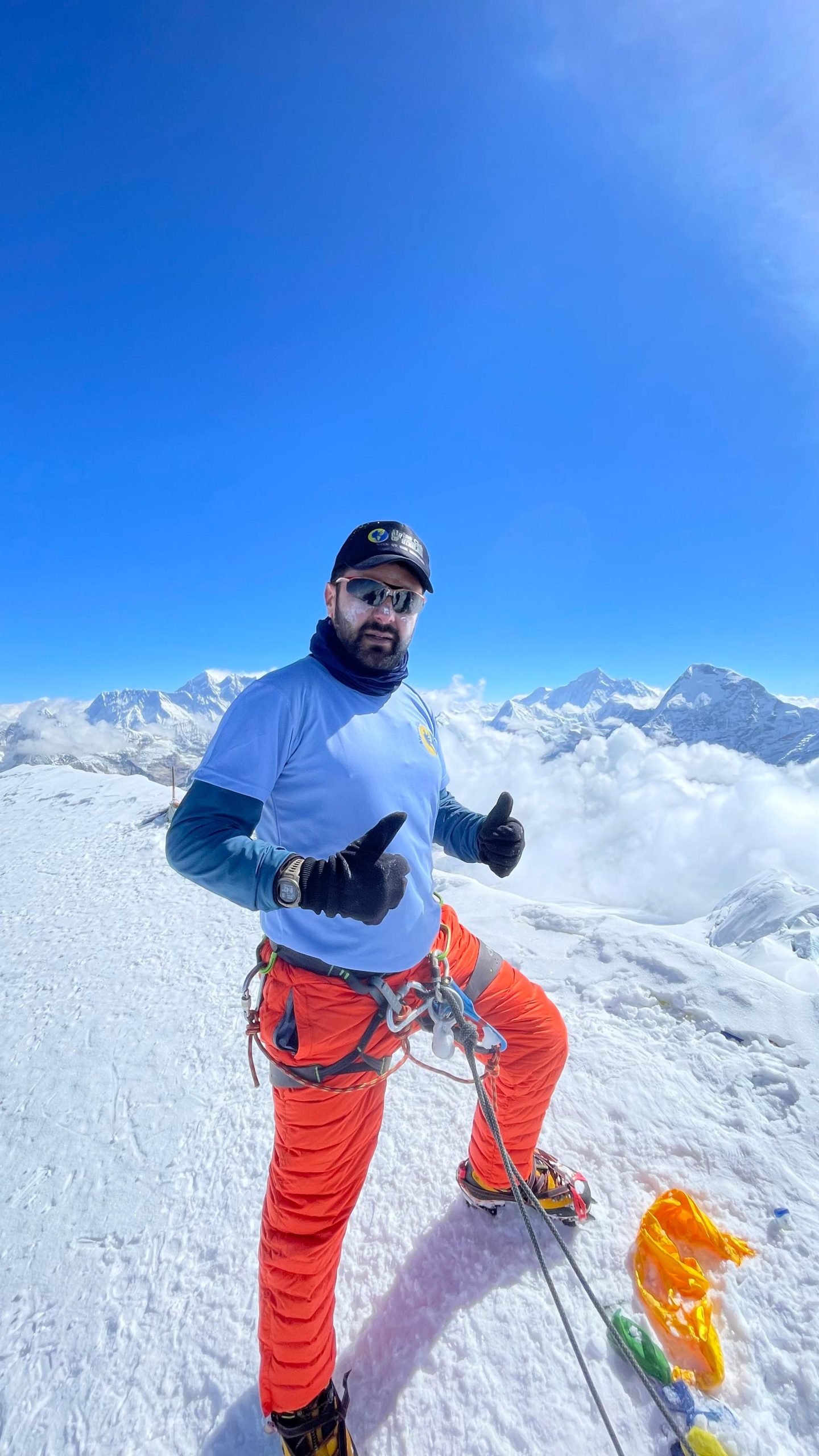
Summit attempts depend on fitness, snow conditions, and group consensus. Reaching the top is celebrated, but a controlled descent when conditions worsen is always the right call.
You walk at a comfortable pace, with tea stops and altitude checks along the way.
Alpine starts are common when weather windows are narrow. Crampons, harness, and head torches should be ready the night before; your climbing guide confirms rope plans and turn-around times for safety.
Summit attempts depend on fitness, snow conditions, and group consensus. Reaching the top is celebrated, but a controlled descent when conditions worsen is always the right call.
The Hinku Valley opens toward Kothe through rhododendron and riverside lodges. Few Everest crowds reach this side of the range.
Walking days here feel remote and quiet. Lunch is usually in a simple teahouse.
Tell your guide about any altitude niggle; the climb toward Thangnak and Khare comes next.
You walk at a comfortable pace, with tea stops and altitude checks along the way.
Walking pace stays steady with breaks for water, snacks, and photos. Lunch is usually in a teahouse en route; dinner and breakfast are at the lodge where you sleep, often dal bhat or hot noodle dishes.
Carry rain gear and layers in your daypack even when mornings look clear. Tell your guide about headaches, nausea, or knee pain early so tomorrow's stage can be adjusted if needed.
The last full walking day drops through forest and farmland toward Lukla airstrip. Celebrate with your crew over dinner and pack flight documents where you can reach them at dawn.
The trail crosses one last round of bridges before the airstrip town. Weather can still shift flight times, so keep one clean outfit and documents packed separately.
Early bed helps when a dawn airport call comes. Your guide confirms tomorrow's briefing if you fly out in the morning.
Morning flight from Lukla to Kathmandu when weather allows, then time to rest in Thamel.
Queues at Tenzing-Hillary Airport move quickly when the weather window opens; stay near the gate with your passport ready. Weight limits are strict, so confirm which bags fly with you and which porters carry down separately.
Back in Kathmandu you can shower, sort laundry, and enjoy a proper meal in Thamel. Share flight times with your hotel so airport transfers or international connections stay on track if the mountain sector runs late.
Transfer to Tribhuvan International Airport for your onward flight. Keep insurance details handy until you are fully home.
Allow time for airport traffic in Kathmandu and keep insurance details handy until you are home. Porters and guides appreciate farewell tips in an envelope when you are happy with the service.
If Lukla or road delays shortened a buffer day, confirm international flight changes with your airline as soon as you have a new departure time from the team.
Kathmandu briefing covers climbing kit, rental options, and insurance wording for technical peaks. Allow extra days for weather holds on summit attempts.
Previous trekking above 4,000 metres is strongly recommended.
Kit checks happen at the Thamel hotel on the briefing nights, in a twin or double with a private bathroom, and the same style of room waits after the Lukla return. Airport collection is available when flight times are shared. Those city stays are also the buffer if the mountain flight moves.
Tented high camp sits on a rocky perch after quieter Hinku teahouses at Chutanga, Thuli Kharka, Kothe, Thangnak and Khare. The alpine night is shared, with a toilet tent and no lodge dining room, so a four-season bag is needed. Teahouse beds are reserved from Kathmandu and group tents are carried for that night. Showers and charging, where they exist below Khare, are paid locally.
Glacier travel with crampons and a rope is expected. A guided refresh happens on the approach, but this is not a first-ever mountain for someone new to alpine kit.
If you have only walked teahouse trails, talk to us honestly. We would rather point you to a trek than put you on Mera High Camp without the skills.
No. Weather, snow, and group condition decide the attempt. A safe turn-around from high camp is a successful expedition decision.
Guides set a time and a fitness check before the alpine start. Reaching the panorama is celebrated; coming down in control is the standard we keep.
Group ropes, some communal mountaineering equipment, and high-camp support are supplied as listed on your confirmation.
You still need personal boots, crampons, harness, and clothing that fit you. The Thamel briefing is the moment to rent or replace anything that does not.
The policy must cover technical climbing or trekking-peak activity, altitude above 6,000 metres, and helicopter evacuation from the Hinku Valley.
Standard trekking-only policies often exclude Mera. Send the wording through Adventuro Chat before you pay the premium so you are not surprised at Khare.
The Hinku approach uses nights at Kothe, Thangnak, and Khare so lungs settle before high camp and summit day.
Guides watch sleep and appetite. Extra rest at Khare is common if anyone is struggling. Say so early rather than hiding a headache on the glacier.
Spring and autumn are the usual windows. Monsoon snow and winter cold make the glacier and Lukla flights much harder.
Ask us about your month if you sit on a shoulder week. We would rather shift dates than send a summit team into a poor weather pattern.
Build consecutive hill days with a pack, plus stair or uphill sessions, and practise walking in the boots you will climb in.
Cardio alone is not enough. Strength for long descents after a summit bid protects knees on the return over Zatrawa La.
Yes, on a guided expedition with the required climbing staff. A single guest can still start when permits and a leader are confirmed.
Private teams of friends are welcome. Adventuro Chat is the place to ask about sharing a departure or holding your own dates.
Mera climbing fees, national park entry, and local papers are filed from Kathmandu before the Lukla flight.
Passport copies and photos are required. You cannot treat this as a walk-up trek without the peak permit, so the briefing includes a document check.
You recross Zatrawa La toward Lukla and fly back to Kathmandu when weather allows, with teahouse nights on the way down.
Keep a flexible international ticket. Tired legs and Lukla delays are both normal after a glacier week, and a spare city night is wise.
About the centre
Kathmandu
We are a Kathmandu-based team of licensed trekking and mountaineering guides who lead small groups through the Everest, Annapurna, Manaslu, and peak-climbing routes of Nepal. Every itinerary is built around steady acclimatization, reliable local logistics, and tea-house or lodge nights that keep you comfortable after long days on the trail.
From your arrival briefing in Thamel to the flight to Lukla or the roadhead for western circuits, we handle permits, domestic connections, porter support, and experienced lead guides who know these valleys season by season. Whether you are aiming for a classic base camp, a high pass, or a summit attempt, we focus on safety briefings, realistic pacing, and warm Sherpa hospitality so you can enjoy the journey as much as the destination.
Operated by Alpine Club of Himalaya, a partner of adventuro.


