We partner with Rewilding Britain to help protect our natural spaces for future adventures.
All centres are vetted for safety and quality. Your adventure is in good hands with adventuro.
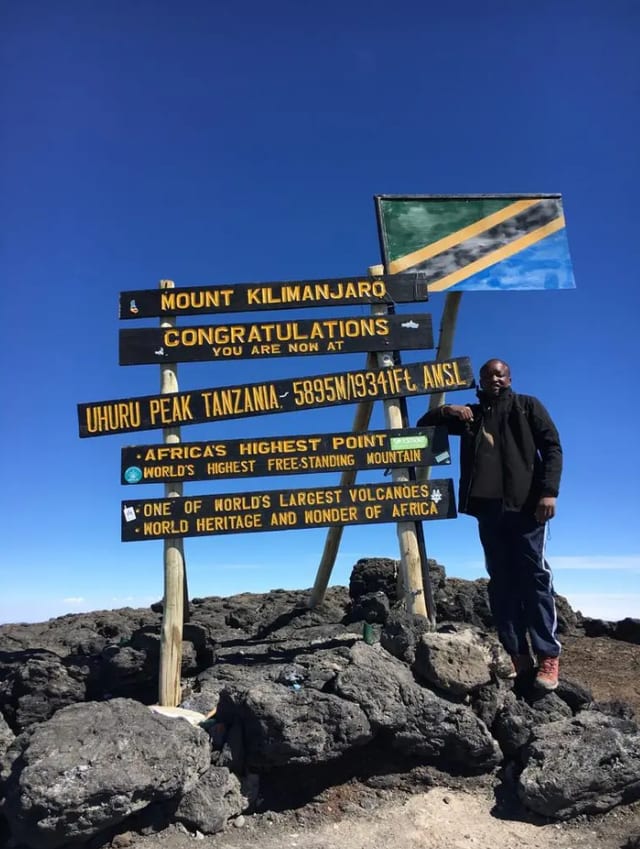
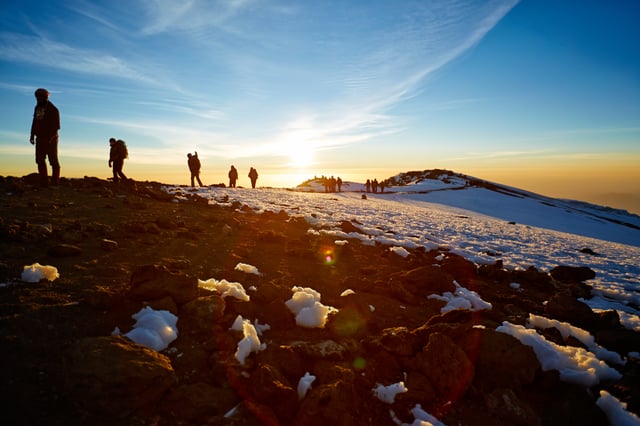
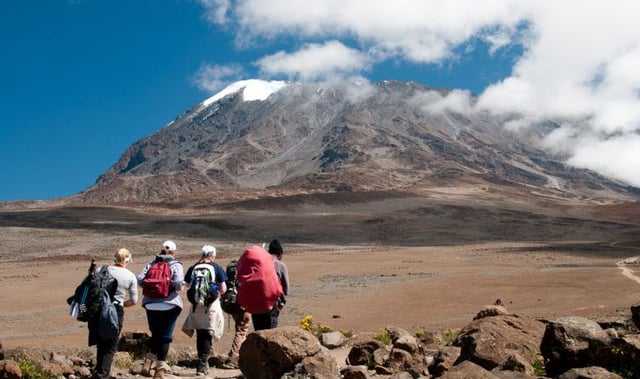
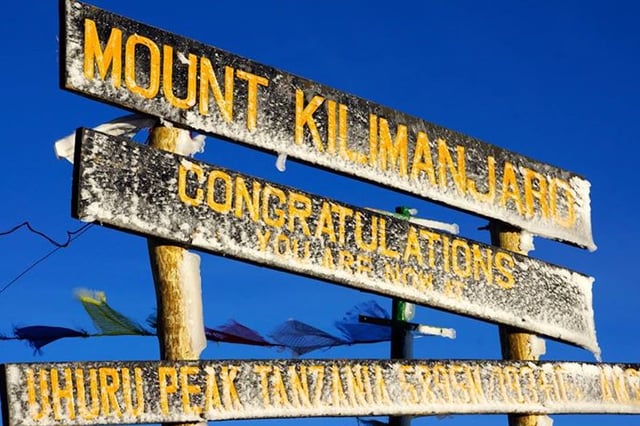
Rongai starts on Kilimanjaro's northern slopes near Kenya, which means fewer crowds and a gentler grade for much of the way. You'll camp at structured cave and hut sites with full crew support and freshly prepared meals. Summit night is still a demanding climb to Uhuru Peak via Gillman's Point.
The descent typically joins the southern Mweka trail, so you see two sides of the mountain. Guides watch acclimatisation and keep the daily rhythm of walk, rest, and early nights. Arusha briefings sit either side of the trek.
You will travel with a locally owned Arusha mountain team that designs Kilimanjaro itineraries around quieter trails and a realistic summit plan. Guidance is personal from the first briefing through the descent, with local guides who live in these landscapes.
Rongai starts on the northern slopes near Kenya, which means fewer crowds and a gentler grade for much of the way, then a demanding night to Uhuru Peak via Gillman's Point. Full camping support, freshly prepared meals, and structured hut and cave camps keep the focus on walking and recovering each afternoon.
Mountain accommodation is in durable tents with foam sleeping pads, pillows, and blankets. Dining tents serve three hot meals daily, and campsites are carefully chosen for safety, water access, and scenic views.
In Arusha, Maura Apartment offers private rooms with bathrooms, hot showers, and comfortable bedding. Pre- and post-trek nights allow climbers to adjust to altitude, prepare for the ascent, and recover afterward, ensuring a comfortable start and finish to the trek.
Tents on the mountain include foam sleeping pads, pillows, and blankets. Dining tents serve fresh, hot meals three times a day. Campsites are selected for safety, water access, and views of surrounding peaks.
In Arusha, climbers stay at Maura Apartment with private rooms, bathrooms, and hot showers. Pre- and post-trek nights allow time to rest, prepare, and recover. Guides are available to assist with any accommodation issues.
The route is moderately challenging, with daily trekking ranging from 3–6 hours at altitudes from 1,950 m to 5,895 m. Summit day is the most demanding, involving scree, steep rocky paths, and high-altitude conditions.
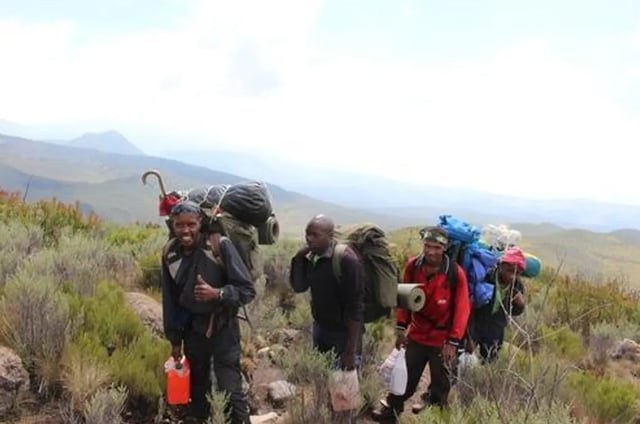
Guides monitor climbers for safety, provide pacing advice, and adjust the trek for acclimatisation. Porters carry heavy equipment, letting climbers focus on the ascent.
All trekking meals are included: hot breakfasts with porridge and bread, lunches with sandwiches or rice dishes, and balanced dinners with protein, starch, and vegetables. Snacks and hot drinks are available between meals.
Special dietary requirements can usually be accommodated with advance notice. Boiled water is provided to ensure safety.
Yes, climbers may experience headache, nausea, or fatigue at high altitudes. The itinerary includes acclimatisation stops to reduce risk.
Guides monitor conditions and recommend pace adjustments. Emergency oxygen is available on the trek, and slow, steady progress (“pole pole”) is encouraged.
Hiking boots, layered clothing, thermal underwear, warm hats and gloves, trekking poles, sleeping bags rated for sub-zero temperatures, sunglasses, and sunscreen.
Tents, sleeping pads, and dining equipment are provided by the support crew. Some specialised climbing gear is available for rent locally.
Yes, short acclimatisation walks are possible near Mawenzi Tarn and Kikelewa Cave, offering photography and altitude adjustment opportunities.
Summit day also allows optional side visits to nearby glaciers or ash pits at Crater Camp, guided and supervised for safety.
Boiled water is provided at all camps. Meals are prepared by trained staff under strict hygiene standards.
Climbers are advised to wash hands and avoid untreated water. Snacks and drinks are carefully prepared to maintain energy levels safely.
Kilimanjaro & Arusha, Tanzania
From $5460

About the centre
Kilimanjaro
Operated by Nature Bound Africa, a partner of adventuro.