
We partner with Rewilding Britain to help protect our natural spaces for future adventures.
All centres are vetted for safety and quality. Your adventure is in good hands with adventuro.


Height comes quickly on this calendar: Lukla to Phakding via Chauri Kharka on day one, Namche via the Hillary bridge on day two, then Tengboche monastery and Dingboche with no spare rest day. Days five and six continue to Lobuche, Gorak Shep and Everest Base Camp at 5,364 metres. Walking hours stay long because the approach is compressed into a week.
Helicopter return replaces the long walk out, flying from the high Khumbu toward Lukla when visibility and wind allow, often after an optional Kala Patthar morning. Soft bags and a modest weight are easier on that sector, and the allowance is confirmed in Thamel. Day seven sits in Kathmandu as a weather buffer or onward-flight day. Crew still take main bags on the walk-in, and walking-day meals are included.
One desk books the Lukla flight, the helicopter sector, permits, teahouses and a licensed leader, so you are not stitching separate companies together at altitude. Briefing time covers walking days, the flight window and what happens if cloud holds the aircraft. Aviation timings stay with the same Kathmandu team as the lodge nights.
Kala Patthar only happens if the approach and the exit window both look sensible. Porter loads and lodge nights on the walk-in are coordinated with the helicopter plan. If weather holds the aircraft, the team keeps you on a safe timetable rather than guessing from the ridge.
Scenic flight to Lukla, meet the crew, and trek through Chauri Kharka along the Dudh Koshi to Phakding with prayer walls and bridges en route.
The trail crosses one last round of bridges before the airstrip town. Weather can still shift flight times, so keep one clean outfit and documents packed separately.
Early bed helps when a dawn airport call comes. Your guide confirms tomorrow's briefing if you fly out in the morning.
Cross prayer-flagged bridges and climb the main trail into Namche Bazaar, the Sherpa hub of the Khumbu. Everest, Lhotse, and Ama Dablam begin to dominate the skyline as you gain height.
The climb from the river includes the famous Hillary suspension bridge and a steady pull into the amphitheatre of peaks above town. Bakeries, gear shops, and espresso stops make Namche a welcome rest hub.
Spend the evening sorting layers for higher cold and charging devices while power is available. Your guide may outline acclimatization hikes or tomorrow's trail time over dinner.
Walk through rhododendron forest with Ama Dablam overhead until Tengboche monastery appears on the ridge. Many groups pause for monastery views before settling into the lodge below the gompa.
If timing allows, listen for chanting and watch light change on the ice walls. Ask your guide about respectful photography inside sacred spaces.
The lodge area sits just below the gompa; evenings cool quickly once the sun drops. Pack a warm layer for dinner and turn in early if tomorrow climbs higher.
The trail opens into alpine country with wider views toward Lhotse and neighbouring summits. Dingboche spreads across stone-walled fields where the air already feels noticeably thinner.
The Imja Khola valley widens here and walking feels more exposed, so windproof layers help even on clear afternoons.
Turn in early if tomorrow is another walking day or a ridge hike for acclimatization, depending on your confirmed schedule.
Glacial moraine and memorial chortens mark the approach to Lobuche, where peaks feel close and the walking day is often long. Teahouses here are simple but welcome after steady altitude gain.
The air feels thinner; slow steps and steady breathing matter more than speed. Eat fully at dinner even if appetite is muted.
Walking pace stays steady with breaks for water, snacks, and photos. Lunch is usually in a teahouse en route; dinner and breakfast are at the lodge where you sleep, often dal bhat or hot noodle dishes.
Reach Gorak Shep and Everest Base Camp (5,364 m), then helicopter from the high country toward Lukla when conditions allow.
Many groups walk to Base Camp with a light load. The icefall and colourful expedition tents make the moraine walk unforgettable when weather holds.
Altitude still rules at 5,300 metres plus: sip water often, wear sun protection on snow glare, and follow your guide's call on when to turn back for the overnight lodge.
Reserve for flight delays, celebration in Kathmandu, or international connections.
Allow time for airport traffic in Kathmandu and keep insurance details handy until you are home. Porters and guides appreciate farewell tips in an envelope when you are happy with the service.
If Lukla or road delays shortened a buffer day, confirm international flight changes with your airline as soon as you have a new departure time from the team.
Arrive at Tribhuvan International Airport and attend a briefing in Thamel before the Lukla flight. Share baggage preferences early so helicopter weight limits can be explained before you pack.
Keep flexible days after the trek in case Lukla or helicopter sectors are delayed by cloud.
Soft bags matter as much as the room type, because helicopter weight limits are explained at the Thamel hotel before you fly to Lukla. City nights there have a private bathroom and breakfast, both before the walk-in and after the aerial sector. Airport pickup is available when flight times are shared.
Walk-in nights stop at Gorak Shep, after Phakding, Namche, Tengboche, Dingboche and Lobuche, because the descent lodges are skipped when the helicopter flies. Twin beds and a shared dining room are the pattern, getting colder and more basic above Namche. Pack a bag for unheated rooms. Hot water, Wi-Fi and charging are extras at the lodge.
The helicopter return depends on visibility, wind, and aviation limits on the day, so it is planned rather than promised as a clockwork departure.
If the aircraft cannot fly, your guide keeps you walking or waiting on a safe timetable until a window opens. Buffer time after the trek helps if the aerial sector slips.
You gain height quickly with longer walking days and fewer spare nights, so this suits fit walkers who already know how their body behaves on consecutive hill days.
Previous multi-day hiking helps. If altitude has been a problem before, tell your guide early so pace and rest can be adjusted before Gorak Shep.
Baggage limits are strict. Soft bags and a modest weight are easier to load than hard cases, and your team confirms the allowance at the Kathmandu briefing.
Keep passport, insurance papers, and a warm layer in your daypack so essentials stay with you if bags are split between aircraft and ground crew.
Sagarmatha and Khumbu municipality permits plus the inbound Lukla flight are arranged as part of the package when your confirmation lists them.
The helicopter sector is the planned return from the high Khumbu toward Lukla or the capital, subject to weather. We confirm the latest aviation plan before you leave Thamel.
You need cover that includes high-altitude trekking, helicopter evacuation, and medical treatment, because this itinerary uses both walking and aviation.
Read the policy for altitude limits and aerial rescue, then keep a printed copy with you. Adventuro Chat is useful if you want a second pair of eyes on the wording.
Strong hill fitness can be enough if you accept long days and honest turn-around calls, but this is not the gentlest introduction to the Khumbu.
If you prefer more rest nights, choose a longer Everest calendar. We are happy to talk through recent walking on Adventuro Chat before you lock dates.
The viewpoint is optional and usually attempted when weather and energy allow before the helicopter window, rather than as a guaranteed sunrise.
Your guide weighs icefall views, wind, and the aviation briefing before committing the group. A clear Base Camp walk still makes the trip if you skip the extra climb.
Trek days are full board unless your confirmation says otherwise, with breakfast and dinner at the lodge and lunch in a teahouse along the trail.
Kathmandu meals outside any welcome or farewell sitting are usually your own choice. Lodge menus lean on dal bhat, soups, and simple noodle dishes at altitude.
Thamel is the gathering point, with airport or hotel pickup when you send arrival times. The briefing covers weight limits and the Lukla morning.
Stay near the confirmed hotel the night before departure so an early vehicle or weather update does not catch you across the city.
Yes. Extra hotel nights after you land back in the capital are easy to add if you want a buffer before an international flight.
Tell us preferred dates on Adventuro Chat and we will confirm rooms and transfers. Weather delays on Lukla or helicopter sectors make that buffer useful.
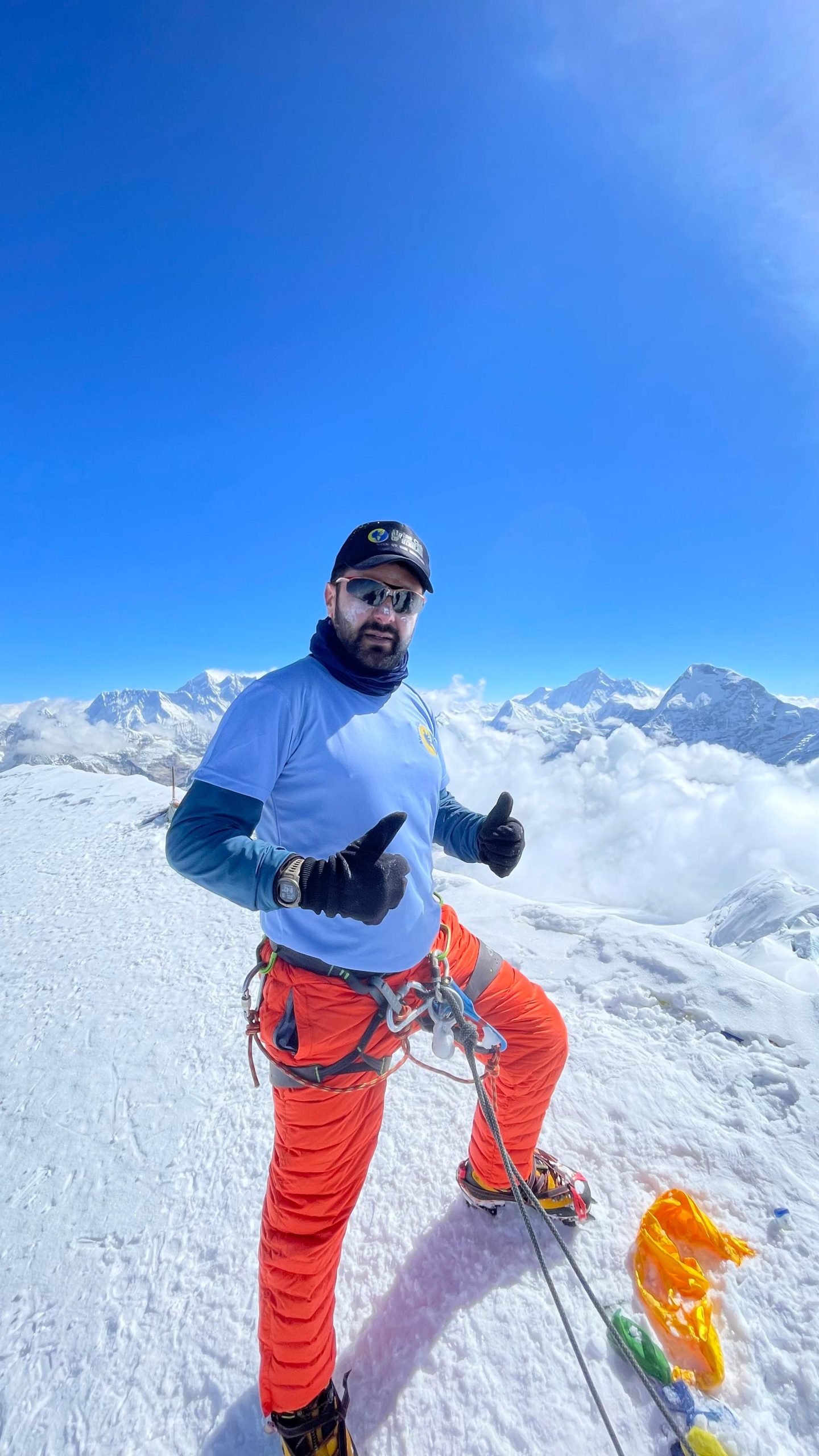
Over het centrum
Kathmandu
We are a Kathmandu-based team of licensed trekking and mountaineering guides who lead small groups through the Everest, Annapurna, Manaslu, and peak-climbing routes of Nepal. Every itinerary is built around steady acclimatization, reliable local logistics, and tea-house or lodge nights that keep you comfortable after long days on the trail.
From your arrival briefing in Thamel to the flight to Lukla or the roadhead for western circuits, we handle permits, domestic connections, porter support, and experienced lead guides who know these valleys season by season. Whether you are aiming for a classic base camp, a high pass, or a summit attempt, we focus on safety briefings, realistic pacing, and warm Sherpa hospitality so you can enjoy the journey as much as the destination.
Uitgevoerd door Alpine Club of Himalaya, een partner van adventuro.


