We partner with Rewilding Britain to help protect our natural spaces for future adventures.
All centres are vetted for safety and quality. Your adventure is in good hands with adventuro.
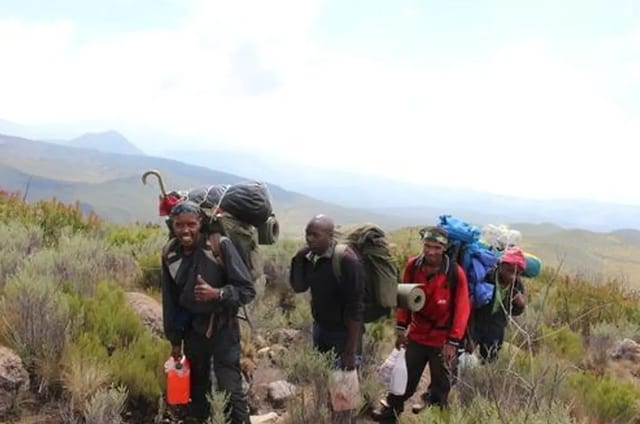
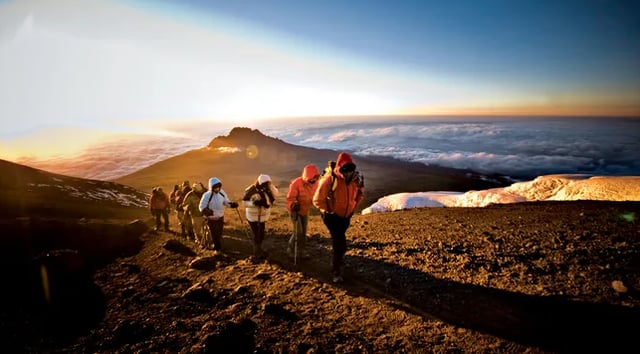
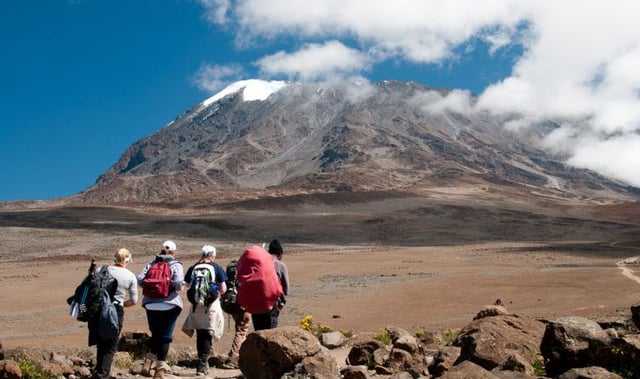
You'll walk Mount Meru over six days through forest and alpine desert, a quieter high-altitude trek than Kilimanjaro with a chance of wildlife on the lower trails. The crew carries camp and cooks, monitors acclimatisation, and keeps days structured toward Socialist Peak. Views of Kilimanjaro from the summit ridge are the reward on a clear morning.
Arusha National Park surrounds the mountain, so giraffe, buffalo, and colobus can appear before you reach the alpine zone. Pace is steady rather than a race, with hut or camp nights as the itinerary sets. We'll brief you in Arusha so kit and summit night are clear before you start.
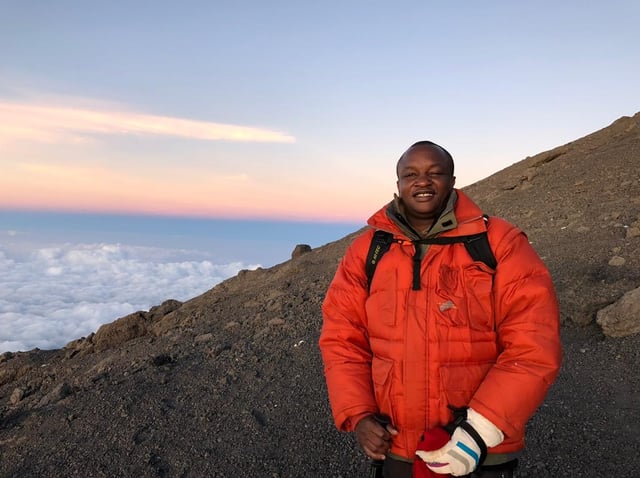
Treks are run by a locally owned Arusha team whose founder grew up near Kilimanjaro and started on the mountain as a porter. That background shows in how Mount Meru is paced, briefed, and supported, with local guides who know Arusha National Park as well as the summit ridge.
This six-day Meru itinerary is a quieter high-altitude walk through forest and alpine desert, with a chance of wildlife on the lower trails and views of Kilimanjaro from Socialist Peak. The crew carries camp and cooks, monitors acclimatisation, and keeps the days structured so you can enjoy a less crowded East African summit.
Accommodation during the trek is in mountain huts along the route with shared dormitories, mattresses, and basic facilities. These huts provide shelter and warmth, allowing trekkers to rest and recover after long days of hiking. Meals are prepared on-site by the support team to ensure energy and comfort throughout the trek.
Before and after the climb, accommodation is provided at Maura Apartment in Arusha, featuring comfortable rooms and access to amenities. This arrangement allows trekkers to acclimatise at the start and relax after the trek, offering a secure and restful environment in the heart of northern Tanzania.
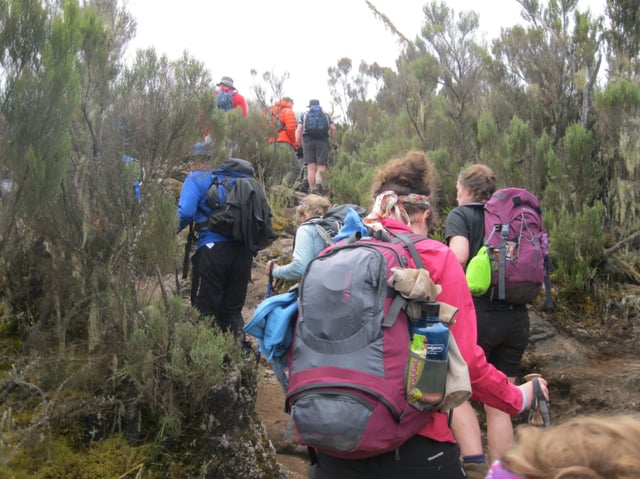
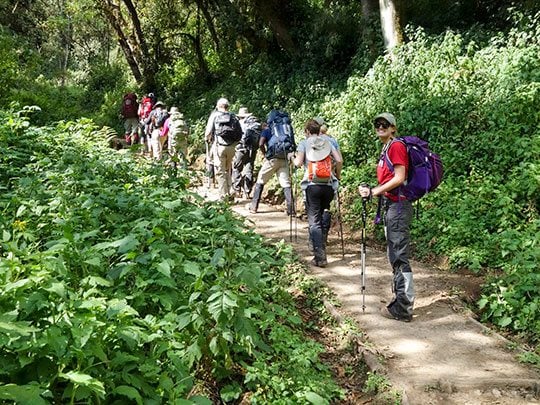
Mount Meru is considered a moderately challenging trek that involves a steady ascent through different ecological zones. Trekkers will encounter rainforest trails, heathland, and alpine desert, with daily hiking ranging from 4 to 8 hours depending on the stage. The route is less crowded than Kilimanjaro, which allows for a quieter experience, but it still requires good fitness, stamina, and the ability to manage long days on your feet. Proper preparation, including prior trekking or hiking experience, is recommended to fully enjoy the climb.
Altitude is a factor, as the summit, Socialist Peak, reaches nearly 15,000 feet. While the trek doesn’t require technical climbing, the elevation gain and steep sections can be physically demanding. Guides will provide pacing advice, and acclimatisation is built into the itinerary, but trekkers should listen to their bodies and take sufficient breaks. Those who maintain a steady pace and follow their guide’s advice generally complete the trek successfully.
The lower zones of Mount Meru, including the grasslands and afromontane forests, provide opportunities to see wildlife on foot. Giraffes, zebras, elephants, buffalo, and various antelope species can often be spotted along the trail, particularly when walking through open plains early in the morning or late afternoon. Bird enthusiasts can enjoy a variety of species, from forest dwellers to alpine birds, making the trek rewarding for wildlife and birdwatchers alike.
As you ascend into higher altitudes, wildlife becomes more sparse, but the changing habitats offer insight into East Africa’s diverse ecosystems. Trekkers may also encounter smaller forest animals, insects, and endemic plants along the trails. Guides are trained to spot and explain these sightings, helping trekkers appreciate the mountain’s ecological richness. Observing wildlife on foot allows for an intimate experience that cannot be achieved on a vehicle safari.
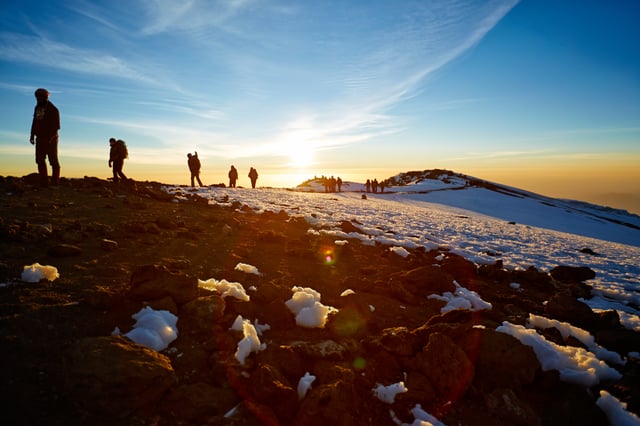
Summit day begins very early, typically around midnight, to ensure that climbers reach Socialist Peak around sunrise. The trail from Saddle Huts to the summit is steep, with sections of loose volcanic ash and rocks that require careful footing. Headlamps are essential for the first part of the climb, and trekkers should be prepared for very cold temperatures at higher altitudes, sometimes with frost or snow present.
The ascent usually takes 4–6 hours, depending on fitness and acclimatisation, with the descent taking a similar amount of time. Breaks are scheduled to hydrate, rest, and adjust to the altitude. The early start allows for spectacular views of Kilimanjaro, the Arusha plains, and surrounding volcanic peaks. Guides monitor climbers closely to manage pace and ensure safety, and encouragement is provided throughout the climb. After summiting, trekkers descend to Miriakamba Huts for rest and recovery before the final day of the trek.
No technical climbing skills are required to complete the trek. The trails are well-marked and manageable for experienced hikers with a reasonable level of fitness. Trekking poles, proper footwear, and layered clothing help manage the terrain and altitude, while support staff carry heavier equipment and prepare meals at campsites, allowing trekkers to focus on the climb itself.
While prior mountaineering experience is not essential, those who have completed moderate hikes or multi-day treks will find the climb easier to pace. Acclimatisation is built into the itinerary, but understanding your own limits and having a positive mindset are critical. Guides provide regular briefings on altitude sickness, trail conditions, and safety tips to help first-time trekkers navigate the mountain confidently.
All meals during the trek are prepared by the support team, including porters and cooks, and are included in the trek package. Breakfast, lunch, and dinner are provided, often with options suitable for vegetarians and for replenishing energy lost during long hiking days. Hot drinks like tea and coffee are available, and boiled water is provided to ensure safety and hydration.
Meals are prepared at each campsite before arrival, ensuring that climbers can eat immediately upon reaching the huts. The food is designed to be nutritious, energy-rich, and appropriate for the high-altitude environment. Snacks and extra water are also carried by trekkers for summit day, as this is the most physically demanding stage. Guides coordinate meal timing with trekking pace to maximise energy recovery and comfort.
Yes, the trek is fully supported by experienced mountain guides and porters. Guides lead the group, set pace, monitor health and acclimatisation, and provide expert knowledge of the terrain, wildlife, and local ecology. Porters carry camping equipment, cooking utensils, and other heavy items, allowing trekkers to focus on walking and enjoying the journey.
Support is also available for medical emergencies and altitude-related issues, with first aid kits and pulse oximeters carried throughout. Campsites are fully managed, with tents, cooking, and sleeping arrangements set up in advance. The team ensures a seamless experience from arrival at Arusha through the summit and back, providing a high level of safety, guidance, and comfort.
During the trek, accommodation is a mix of well-managed mountain huts and campsites, offering basic but comfortable facilities. Miriakamba and Saddle Huts provide sleeping quarters with mattresses and blankets, and camp tents include foam sleeping pads for added comfort. Communal dining areas at huts allow climbers to enjoy meals together and connect with fellow trekkers while surrounded by nature.
At campsites, porters and guides set up tents and cooking areas before the trekkers arrive. This ensures minimal effort for climbers while keeping them close to the mountain environment. The campsites are chosen for scenic views and shelter from wind and weather, and all basic necessities, including clean drinking water and meals, are provided. These arrangements allow trekkers to rest and recover fully each night in preparation for the next day’s ascent.

About the centre
Kilimanjaro
Operated by Nature Bound Africa, a partner of adventuro.
Kilimanjaro & Arusha, Tanzania
From $2600
Kilimanjaro & Arusha, Tanzania
From $5460