We partner with Rewilding Britain to help protect our natural spaces for future adventures.
All centres are vetted for safety and quality. Your adventure is in good hands with adventuro.
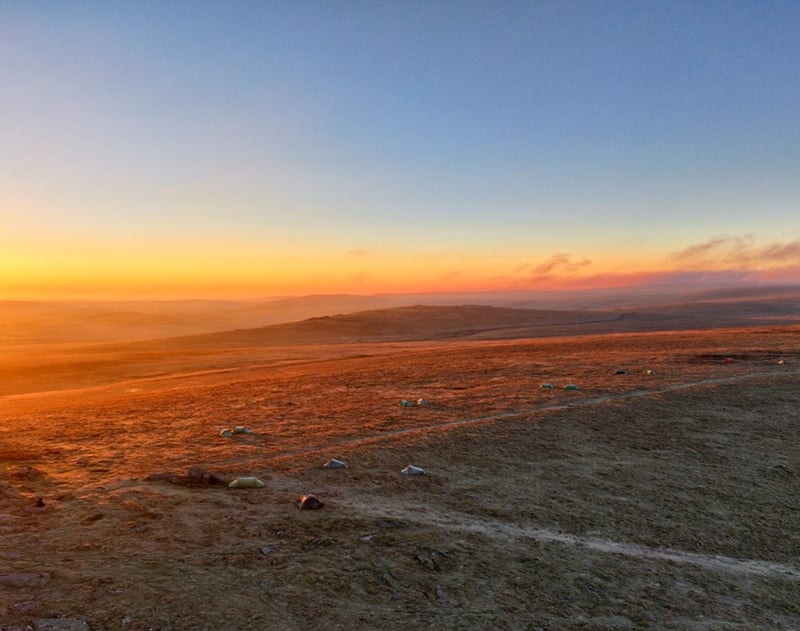
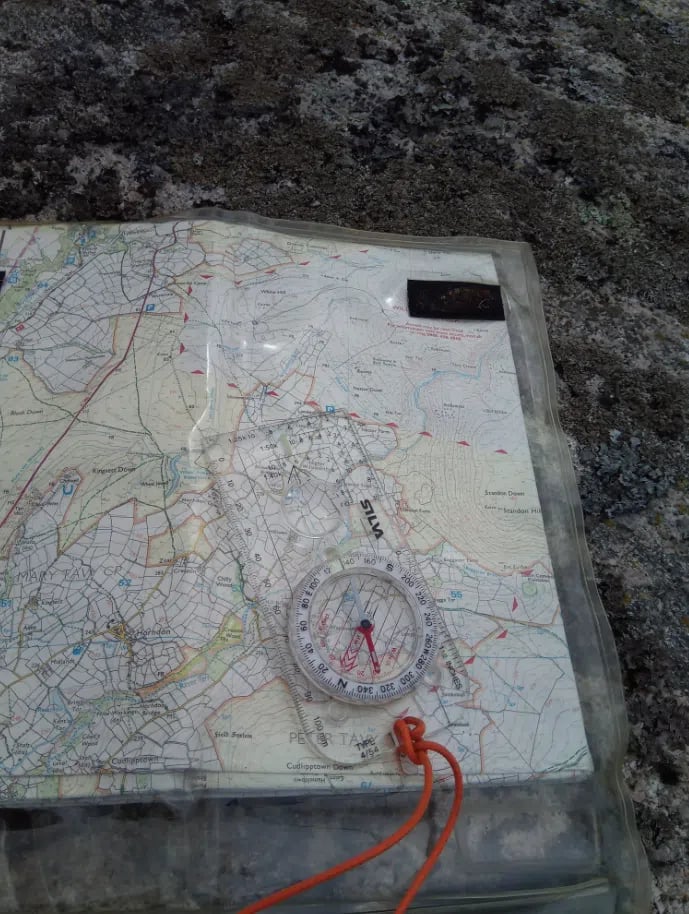
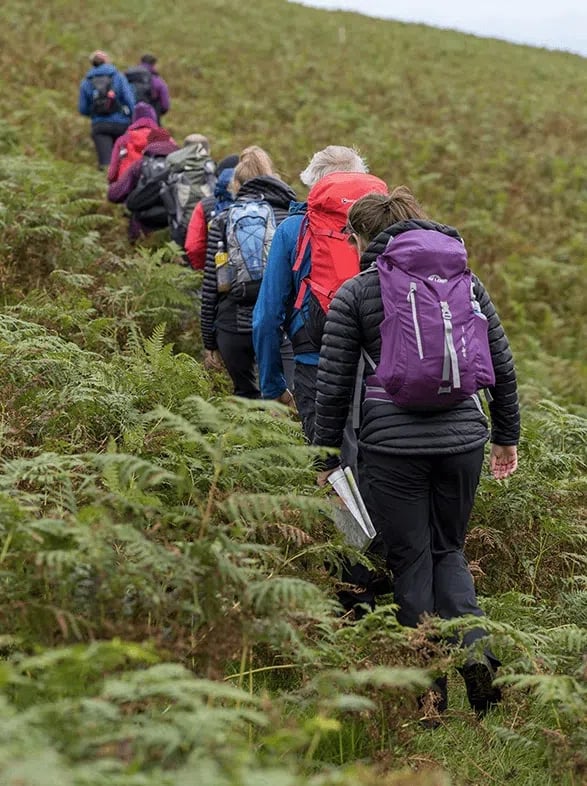
Perfectionnez vos compétences en navigation lors d’un cours NNAS Silver de deux jours, basé dans les landes ouvertes et variées de Dartmoor’s. La formation s’appuie sur vos compétences existantes en lecture de carte et utilisation de la boussole, afin de vous aider à gagner en assurance lorsque vous naviguez sur des terrains où les sentiers sont peu clairs ou inexistants. Le cours renforce également votre capacité à prendre des décisions et votre confiance lorsque vous planifiez et suivez des itinéraires ruraux plus complexes.
Votre première journée commence par une révision des principales techniques de navigation avant de passer à des compétences cartographiques plus exigeantes. Les premières séances profitent de la diversité des paysages de Dartmoor’s pour pratiquer l’interprétation des courbes de niveau, repérer les variations subtiles du terrain et améliorer la précision lors de l’utilisation des relèvements à la boussole. Ces exercices vous offrent davantage d’autonomie lorsque vous vous éloignez des sentiers évidents.
Le deuxième jour, la navigation pratique se déroule dans des zones plus ouvertes où les repères évidents sont limités. Cela favorise des choix d’itinéraire réfléchis, une utilisation accrue des éléments de repérage et un repositionnement structuré si vous déviez de votre ligne. Le terrain offre des défis réalistes qui vous aident à affiner vos capacités de résolution de problèmes, votre estimation des distances et votre confiance en terrain inconnu. À la fin du deuxième jour, vous serez prêt à appliquer tout ce que vous avez appris lors de vos propres randonnées en milieu rural.
Une discussion finale fait le point sur vos progrès et accompagne votre développement à long terme. Les candidats ayant réussi reçoivent la certification NNAS Silver, qui reconnaît leur compétence à naviguer dans des environnements ruraux plus complexes.
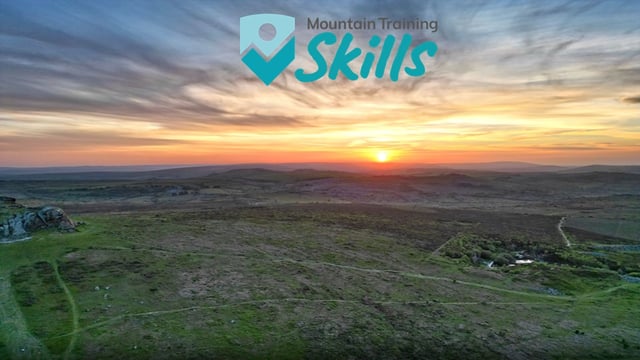
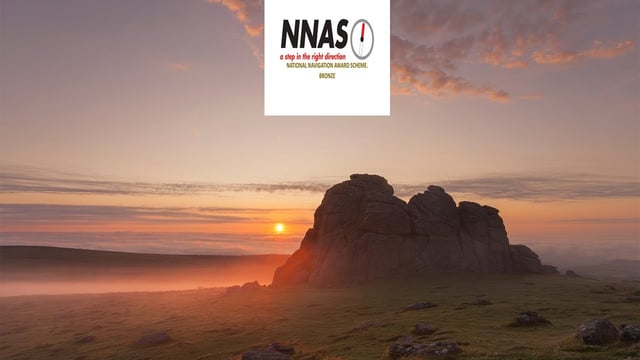
Dartmoor est idéal pour une formation intermédiaire à la navigation grâce à ses vastes landes, ses tors caractéristiques et son relief vallonné. La visibilité étendue, les espaces ouverts et la faible présence de signalisation permettent de pratiquer avec précision les relèvements et l’interprétation détaillée des courbes de niveau. L’ouverture du paysage vous aide également à apprendre à reconnaître les variations subtiles du terrain, un aspect essentiel pour dépasser les bases de la navigation.
À l’écart des tors, les vallées, rentrants, pentes et végétations variées de Dartmoor’s enrichissent l’environnement de formation. Ces éléments créent des occasions réalistes d’appliquer des stratégies de repositionnement et de mieux comprendre l’influence de la forme du terrain sur la planification d’itinéraires sûrs. Chaque lieu de formation est choisi pour mettre vos capacités à l’épreuve tout en maintenant un environnement bienveillant.
Une expérience préalable de la navigation est requise, idéalement au niveau NNAS Bronze ou équivalent. Il est utile d’être à l’aise pour marcher plusieurs heures sur un terrain irrégulier, car la plupart des exercices pratiques se déroulent en dehors des sentiers aménagés.
Un équipement personnel de randonnée est nécessaire, notamment des chaussures de randonnée, des vêtements de plein air, de la nourriture, des boissons et un petit sac à dos. Les cartes et les boussoles sont fournies pendant toute la durée du cours, et les instructeurs vous conseilleront sur l’équipement adapté à vos futures navigations en autonomie.
Des instructeurs expérimentés vous proposent un accompagnement clair et bienveillant pour vous aider à développer une véritable confiance en navigation en terrain ouvert. Chaque compétence est présentée de manière pratique et accessible, avec du temps consacré au suivi de vos progrès et au renforcement des domaines pour lesquels vous souhaitez davantage de conseils. Vous recevrez des retours utiles tout au long du cours, pour une expérience d’apprentissage complète et agréable.
L’environnement de Dartmoor permet à l’équipe de formation d’adapter les séances précisément à votre niveau, en augmentant progressivement la complexité à mesure que votre assurance grandit. Les vastes étendues de terrain ouvert, les tors distinctifs et la diversité des formes de relief permettent de pratiquer chaque élément du programme Silver sur un terrain réel. L’objectif reste de vous aider à vous sentir capable, autonome et prêt à entreprendre des randonnées plus longues ou plus isolées en milieu rural.
Pour plus d'informations, contactez-nous avant d'effectuer votre réservation
Il est nécessaire de posséder des bases en navigation avant de participer à ce cours. Si vous savez lire des cartes simples, suivre des éléments linéaires et utiliser une boussole pour orienter votre itinéraire, vous êtes prêt à progresser.
Nombreux sont ceux qui obtiennent d’abord un NNAS Bronze Award, mais une expérience équivalente acquise en randonnée, dans le cadre du DofE ou d’autres séances de navigation est tout à fait acceptable. Le cours s’appuie sur vos connaissances existantes et vous aide à évoluer avec assurance sur des terrains ruraux intermédiaires.
La navigation de niveau Silver introduit un travail plus complexe sur les courbes de niveau et vous demande de naviguer en vous éloignant de repères évidents tels que les sentiers, les murs ou les cours d’eau. Attendez-vous à prendre davantage de décisions en terrain ouvert, à faire des choix d’itinéraire plus délicats et à utiliser davantage la boussole.
Le niveau Bronze enseigne les bases essentielles ; le niveau Silver développe le discernement, la résolution de problèmes et l’autonomie. Cette progression vous prépare à marcher dans des zones rurales plus exigeantes et moins balisées.
Les espaces ouverts de Dartmoor comprennent des pentes douces, des landes, des zones herbeuses et parfois des secteurs rocheux. La plupart des participants trouvent le niveau physique abordable, car l’allure est régulière et privilégie la précision plutôt que la vitesse.
Des pauses sont prévues dans la journée et les instructeurs veillent au confort et à la sécurité du groupe tout au long de l’activité. Si la difficulté de navigation augmente, la difficulté physique n’a pas à augmenter elle aussi — l’apprentissage reste prioritaire.
Les changements de visibilité sont fréquents à Dartmoor, ce qui en fait un lieu idéal pour expérimenter les relèvements, le comptage des pas et les techniques de repositionnement lorsque les conditions le permettent. Vous découvrirez comment vous adapter lorsque les éléments du terrain deviennent plus difficiles à reconnaître.
Les instructeurs profitent des changements naturels de météo pour montrer comment prendre des décisions en toute sécurité et s’appuyer sur la boussole plutôt que sur les repères visuels. Ces expériences vous préparent aux situations réelles de randonnée en montagne.
Un équipement personnel de randonnée est indispensable, notamment des chaussures de randonnée, des vêtements superposés, des vêtements imperméables, de l’eau et de la nourriture. Un petit sac à dos permet de transporter des couches supplémentaires, des encas et tout ce qui est nécessaire selon la météo du moment.
Les cartes et les boussoles sont fournies pendant le cours, et les instructeurs vous expliqueront comment choisir un équipement adapté si vous décidez d’acheter le vôtre par la suite.
Les compétences de navigation de niveau Silver constituent une excellente base pour ceux qui visent des qualifications de randonnée de Mountain Training, des fonctions d’encadrement en plein air ou des autorisations de scoutisme. Les techniques abordées correspondent aux attentes d’un encadrement responsable en milieu extérieur.
Apprendre à évaluer le terrain, à planifier des itinéraires et à se repositionner efficacement donne aux futurs encadrants l’assurance nécessaire pour gérer des groupes dans un éventail plus large de conditions rurales.
L’interprétation des courbes de niveau, la navigation en terrain ouvert et l’utilisation de relèvements précis sont au cœur de la pratique. L’estimation des distances par le comptage des pas et le chronométrage joue également un rôle important dans l’amélioration de la précision.
Les choix d’itinéraire, les points d’attaque et les éléments de repérage sont étudiés au moyen d’exercices pratiques, afin de vous aider à développer un processus décisionnel fiable adapté à des terrains variés.
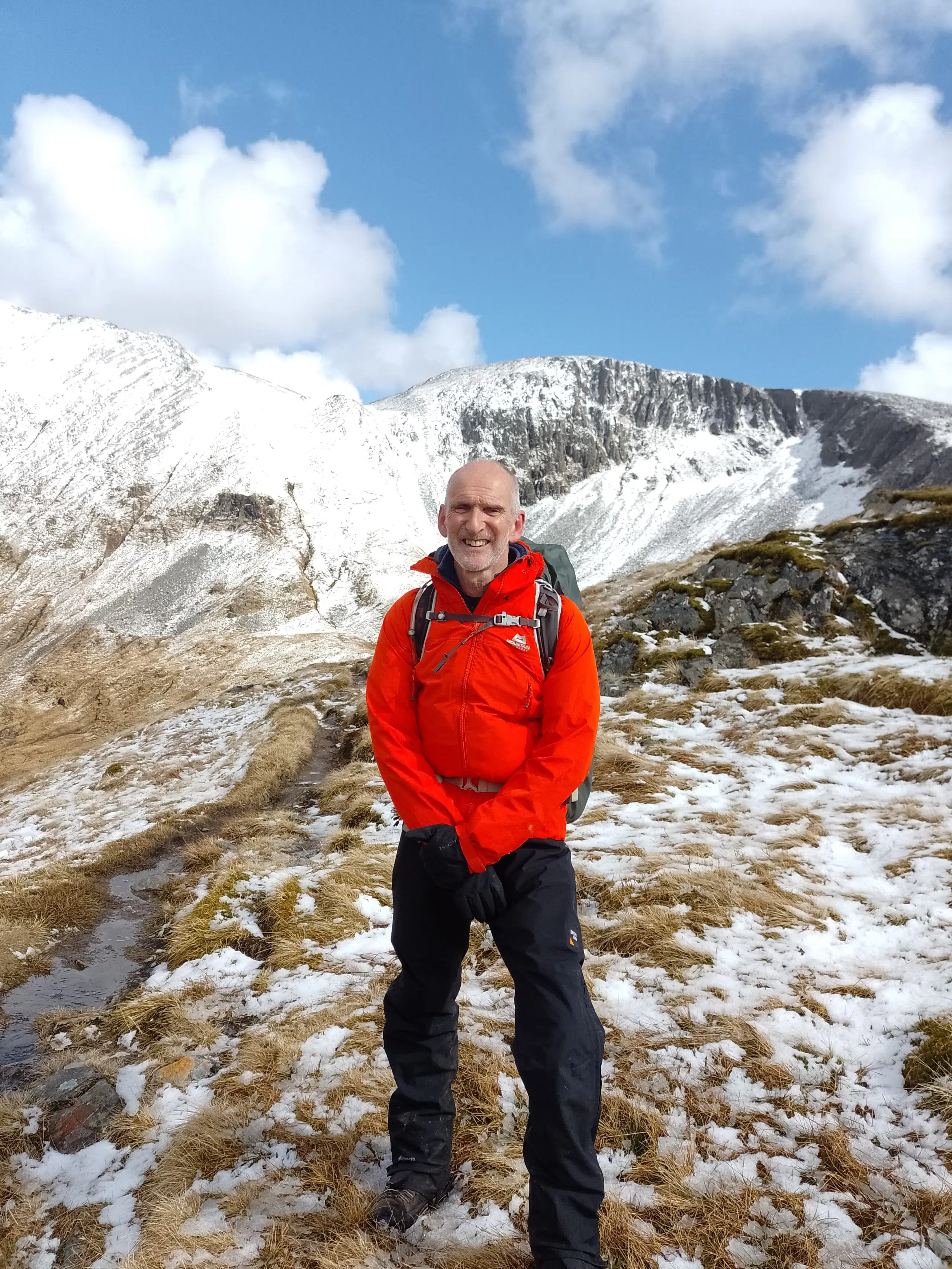
À propos du centre
Newton Abbot
Géré par Aquila Outdoor Adventures, partenaire de adventuro.
Devon, United Kingdom
À partir de £118

Devon, United Kingdom
À partir de £165
Devon, United Kingdom
À partir de £195

Devon, United Kingdom
À partir de £195
Devon, United Kingdom
À partir de £30
Devon, United Kingdom
À partir de £70
Devon, United Kingdom
À partir de £60

Devon, United Kingdom
À partir de £350

Devon, United Kingdom
À partir de £120
Devon, United Kingdom
À partir de £110