
Ready to find a course or session?
Silver Navigator Award is where navigation leaves the comfort of obvious paths. NNAS designed it for walkers who already handle Bronze skills and now need accurate compass work across open fields, moorland fringes and wooded hills where the track runs out. You practise bearings, aim off, attack points and relocation when the mist arrives mid-leg.
Courses run over two full days in open country with periods off paths and tracks. Your tutor integrates assessment into realistic legs rather than a classroom theory paper. SCQF Level 5 accreditation recognises the step up in judgement and precision from Bronze.
Silver is common preparation before Mountain Training leadership training or independent hill days without a guide. Getting disoriented on course is expected once or twice. That is normal while you build relocation habits. Many candidates arrive straight from Bronze Navigator Award within the same season.
Silver Navigator Award assessment is a practical evaluation integrated into outdoor navigation legs led by your NNAS tutor.
Quick answers about this qualification. For anything else, use live chat or browse bookable activities below.
Find activitiesIt is the intermediate Navigator Award accredited at SCQF Level 5. Silver adds off-path navigation, accurate compass work and contour strategies beyond Bronze path walking.
Courses run in open country where you leave obvious tracks for periods while the tutor observes technique.
Bronze Navigator Award or equivalent path navigation with map and compass. You should already orient maps confidently and follow simple bearings.
Leave a comment when you book if your experience is informal. Some tutors accept strong walkers without the Bronze certificate after a brief skills check.
Two full days outdoors is typical, sometimes with twelve to fourteen hours total contact time depending on provider scheduling.
Day two legs feel longer and less handrail-dependent than Bronze. Pace yourself and eat properly between navigation blocks.
No. Assessment is entirely practical on navigation legs across open terrain.
Tutors watch bearing accuracy, distance judgement and relocation speed. Feedback comes during and after legs rather than from a classroom paper.
Open countryside, moorland fringes, fields and wooded hills where paths may be indistinct. Not full mountainous scrambling ground, but harder than Bronze handrail walking.
Venues vary by provider region. Expect to cross ground that feels exposed if you only know waymarked trails.
Tutors give constructive feedback and may arrange further practice or partial reassessment depending on provider policy.
Silver standards focus on consistent technique across legs. One bad bearing does not always fail the course if relocation is swift and honest.
Yes. Many Lowland Leader and Hill and Moorland Leader candidates use Silver to sharpen open-country navigation before Mountain Training assessment.
NNAS proves personal navigation skill. Leadership awards add group management and additional logbook requirements.
Full hill walking kit, waterproof map case, baseplate compass and watch for timing legs. Notebook useful for recording bearings and pacing notes.
Leave a comment when you book for the exact OS sheet and whether the provider sells maps on site.
Silver skills align well with DofE Gold expedition navigation expectations alongside school training programmes.
Check expedition supervisor requirements separately. Personal NNAS awards do not replace organisational safeguarding or supervisor qualifications.
Gold Navigator Award adds complex contour micro-navigation in demanding hill terrain and poor visibility.
Practice open-country days between awards. Skills fade quickly if you return only to waymarked pub walks.
adventuro lists NNAS registered providers for Silver courses across the UK in suitable open-country venues.
Compare prerequisite checks, group size and poor-visibility practice opportunities. Leave a comment when you book with your Bronze date or equivalent experience summary.
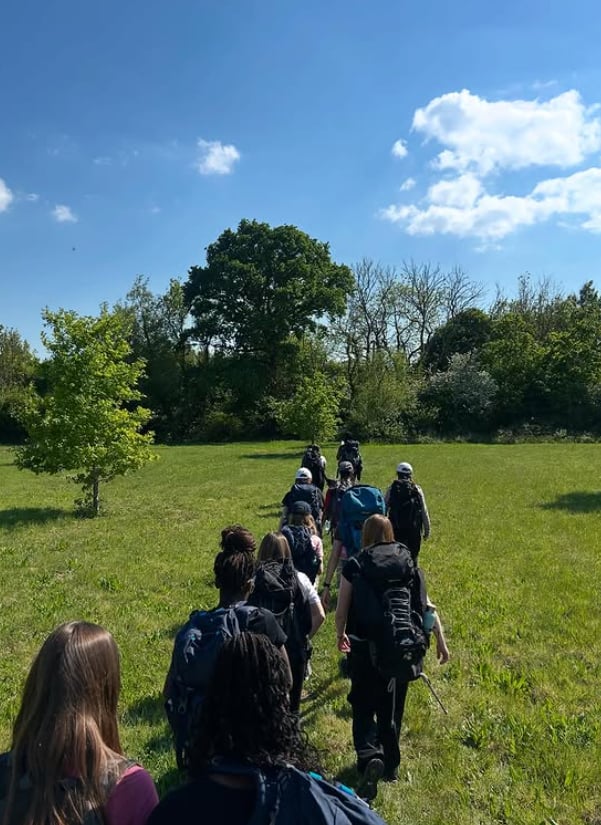
Develop off-path navigation skills on Dartmoor with the NNAS Silver Award course – 2 days of training and assessment for £118pp.
From £ 118
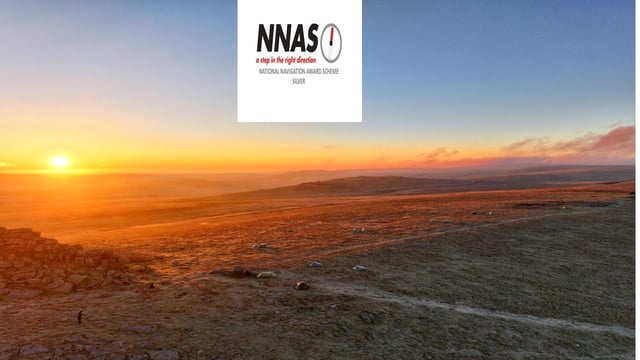
Build intermediate navigation skills in open countryside on the two-day NNAS Silver course in Dartmoor for £130, combining theory and practical training.
From £ 130