
We partner with Rewilding Britain to help protect our natural spaces for future adventures.
All centres are vetted for safety and quality. Your adventure is in good hands with adventuro.
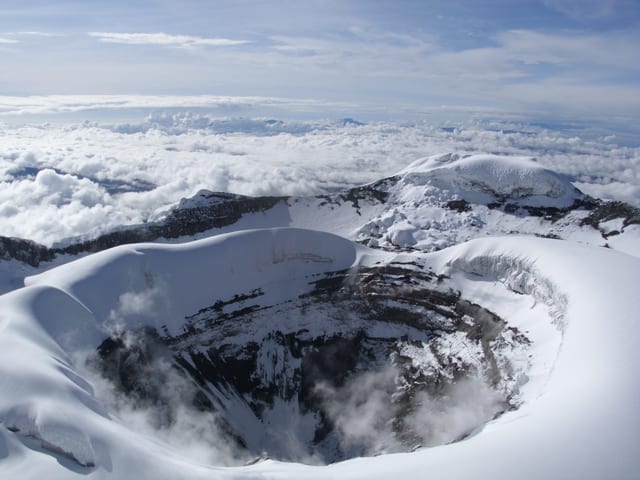

Cette ascension de deux jours du volcan Cotopaxi offre une combinaison puissante de défi physique et de pratiques montagnardes axées sur la pleine conscience. En plus d’atteindre l’un des plus hauts volcans actifs d’Équateur, vous pratiquerez le yoga, des exercices de respiration et des étirements doux pour favoriser votre acclimatation et votre bien-être général. L’expérience met autant l’accent sur la présence tout au long du sentier que sur le sommet lui-même.
Le premier jour, vous quitterez Quito et voyagerez environ deux heures vers le sud, à travers la vallée interandine connue sous le nom d’Avenue des Volcans, jusqu’au parc national du Cotopaxi. Depuis l’entrée du parc, un court trajet en véhicule vous conduira au parking situé à 4,500 mètres, où vous commencerez votre randonnée. Vous monterez jusqu’au refuge José Ribas, à 4,800 mètres, en environ 45 minutes à une heure. L’après-midi sera consacré à une séance de formation sur glacier, portant sur l’utilisation des crampons, des piolets et des techniques de progression encordée. Cette préparation physique sera complétée par du yoga et des exercices de respiration visant à faciliter l’adaptation à l’altitude et à préparer le corps à l’ascension à venir.
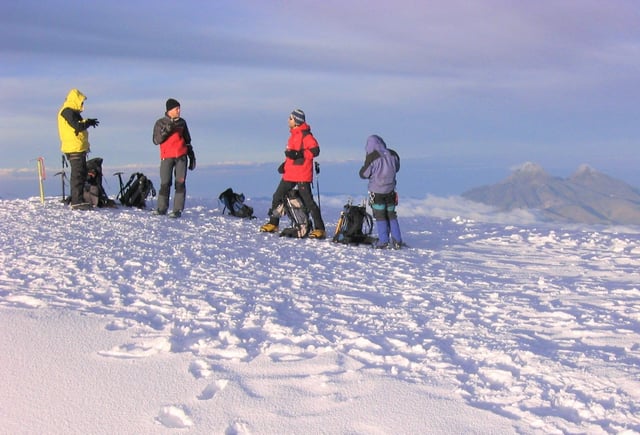
Le jour du sommet commence vers minuit. Après un petit-déjeuner léger et vous être équipé de votre matériel d’escalade, l’ascension vers le sommet à 5,897 mètres commencera et durera généralement entre six et huit heures. L’itinéraire comprend une progression sur glacier, avec des pentes généralement comprises entre 30º et 40º, offrant un défi davantage lié à l’altitude qu’à la technicité de l’escalade. Après avoir admiré les vues panoramiques sur le cratère et les sommets environnants, vous redescendrez au refuge pour vous reposer, vous rafraîchir et ranger vos affaires. Enfin, vous retournerez au parking avant de reprendre la route vers Quito.
Le volcan Cotopaxi se trouve dans le parc national du Cotopaxi, à environ 50 kilomètres au sud de Quito, dans les hauts Andes de l’Équateur’s. Le parc se situe dans l’Avenue des Volcans, une chaîne de sommets remarquables offrant des paysages volcaniques spectaculaires, des glaciers et des écosystèmes variés. Ce volcan actif est connu pour son vaste cône enneigé et ses champs glaciaires étendus.
Le refuge José Ribas sert de camp de base essentiel. Il se trouve près de la voie d’ascension supérieure et offre abri et assistance en haute altitude. Les conditions météorologiques imprévisibles et l’altitude élevée de la région exigent des alpinistes qu’ils soient préparés au froid et aux changements rapides de conditions. La proximité de Quito en fait une expérience montagnarde accessible, mais exigeante.
L’hébergement est assuré au refuge José Ribas, situé à 4,800 mètres au-dessus du niveau de la mer. Le refuge offre un abri basique mais confortable, adapté aux alpinistes de haute altitude, avec des espaces communs pour se reposer et prendre les repas. Il sert de point de départ pour l’acclimatation et la formation technique, permettant aux alpinistes de se préparer correctement avant la tentative d’ascension du sommet.
Séjourner au refuge permet aux participants de maximiser leur temps de repos en altitude et de réduire la distance d’approche le jour du sommet. L’établissement est équipé pour accueillir les briefings de sécurité et les séances de bien-être, comme le yoga et la respiration consciente, intégrées à l’itinéraire.
Cette ascension s’adresse aux personnes en bonne condition physique ayant une certaine expérience préalable du trekking ou de l’escalade en haute altitude. Bien qu’une formation technique soit dispensée, une familiarité avec les environnements montagnards et la capacité à gérer une activité intense en altitude sont importantes. La randonnée comprend une progression sur glacier ; il est donc nécessaire d’être à l’aise avec l’utilisation des crampons et du piolet, ou de pouvoir apprendre rapidement.
Les participants doivent être prêts à affronter des températures froides, une météo variable et un effort physique prolongé. Des vêtements adaptés portés en plusieurs couches, des chaussures de haute montagne compatibles avec des crampons et un équipement de sécurité de base sont requis. Les pratiques de bien-être intégrées favorisent l’acclimatation, mais ne remplacent pas une bonne condition physique ni les compétences montagnardes nécessaires.
Cet opérateur associe plus de 12 années d’expérience dans les Andes à un engagement en faveur d’un tourisme responsable et culturellement respectueux. Ses excursions combinent défi physique et pratiques de pleine conscience, proposant une approche unique des ascensions en montagne. Des guides bilingues dispensent des conseils d’experts tant en escalade technique qu’en activités de bien-être, pour une expérience complète.
Opérant depuis Quito et desservant l’ensemble de la région sud-américaine, l’entreprise donne la priorité à la sécurité, au respect de l’environnement et au bien-être des participants. L’intégration du yoga, de la respiration et des étirements à l’alpinisme distingue l’entreprise des excursions d’escalade classiques et séduit ceux qui recherchent une expérience montagnarde plus holistique.
Les participants doivent être en bonne condition physique et avoir une certaine expérience préalable du trekking ou de l’escalade en haute altitude. L’ascension implique un effort physique soutenu en altitude ; l’endurance et la condition cardiovasculaire sont donc importantes pour supporter un effort prolongé.
Les activités de bien-être incluses, telles que le yoga et les exercices de respiration, favorisent l’acclimatation et contribuent à réduire la fatigue, mais elles n’allègent pas les exigences physiques globales de l’ascension. Une préparation adéquate avant le départ est vivement recommandée afin de maximiser les chances de réussite et le plaisir de l’expérience.
Bien qu’une formation technique sur la progression sur glacier et l’utilisation du matériel soit dispensée pendant le séjour, une certaine familiarité avec les crampons, les piolets et les conditions de montagne est bénéfique. Cela aide les participants à se sentir plus en confiance et en sécurité sur les sections glaciaires de l’ascension.
Toutefois, les débutants en bonne condition physique, motivés pour apprendre et suivre attentivement les consignes, peuvent participer. Il est important de comprendre que l’itinéraire traverse des glaciers et comporte des éléments techniques qui exigent prudence et attention.
Les participants doivent apporter des vêtements techniques adaptés à porter en plusieurs couches, notamment une première couche, des couches isolantes et une tenue extérieure coupe-vent et imperméable. Des chaussures de haute montagne compatibles avec des crampons sont indispensables, ainsi que des gants, un bonnet et des lunettes de soleil offrant une protection contre les UV.
Du matériel d’escalade personnel, comme des crampons, un piolet, un baudrier et un casque, peut être requis, sauf s’il est fourni ou loué séparément. Un sac à dos pour transporter de l’eau, des en-cas et des couches supplémentaires est également nécessaire pour rester à l’aise et en sécurité pendant l’ascension.
Des séances de yoga, de techniques respiratoires et d’étirements sont prévues avant, pendant et après la randonnée afin de favoriser la préparation physique et mentale. Ces pratiques contribuent à améliorer l’apport en oxygène, à préserver la souplesse et à apaiser l’esprit face aux contraintes physiques de la haute altitude.
En intégrant ces activités de bien-être, les alpinistes peuvent mieux gérer la fatigue et les effets de l’altitude, pour une expérience plus sûre et plus agréable. Les séances encouragent la pleine conscience et le respect de l’environnement montagnard.
Le refuge José Ribas propose un hébergement collectif basique, conçu spécialement pour les alpinistes de haute altitude. Les installations comprennent des dortoirs et des espaces de restauration communs, offrant un environnement chaleureux et sûr à 4,800 mètres d’altitude.
Bien que le refuge soit simple, il est bien entretenu et équipé pour accueillir les alpinistes avec des repas et des espaces de repos entre les étapes de randonnée. Y séjourner permet de réduire l’approche le jour du sommet et de maximiser le temps consacré à l’acclimatation.
L’ascension du sommet dure généralement entre six et huit heures, selon la condition physique, la météo et l’allure. L’itinéraire comprend une progression sur glacier, avec des pentes généralement comprises entre 30º et 40º, ce qui exige endurance et capacité à évoluer en altitude.
Après avoir atteint le sommet à 5,897 mètres et profité de la vue, la descente jusqu’au refuge dure généralement deux à trois heures. De là, le groupe retourne au parking pour reprendre la route vers Quito.
Oui, l’itinéraire comprend une montée progressive vers une altitude supérieure le premier jour, ainsi qu’une formation sur glacier et des activités de bien-être. Les séances de yoga et de respiration favorisent davantage l’adaptation du corps à des niveaux d’oxygène plus faibles.
Ces stratégies d’acclimatation contribuent à réduire le risque de mal aigu des montagnes et à améliorer la sécurité globale pendant l’ascension. Les participants sont encouragés à écouter leur corps et à communiquer ouvertement avec les guides.
Une assurance voyage est obligatoire et doit couvrir le trekking en haute altitude ainsi qu’un éventuel secours en montagne. Elle protège les participants en cas d’urgence et garantit l’accès aux soins médicaux nécessaires si besoin.
Les polices d’assurance doivent être examinées attentivement afin de confirmer la couverture des activités à des altitudes supérieures à 5,000 mètres. Une preuve d’assurance peut être demandée avant le début du séjour.
À propos du centre
Quito, Ecuador
Géré par Responsible Travel, partenaire de adventuro.
Central & Atlas Mountains, Morocco
À partir de $400
Cataluña (Catalonia), Spain
À partir de £1350
Basseterre & South Peninsula, Saint Kitts and Nevis
À partir de $275
Quito & Avenue of Volcanoes, Ecuador
À partir de $515
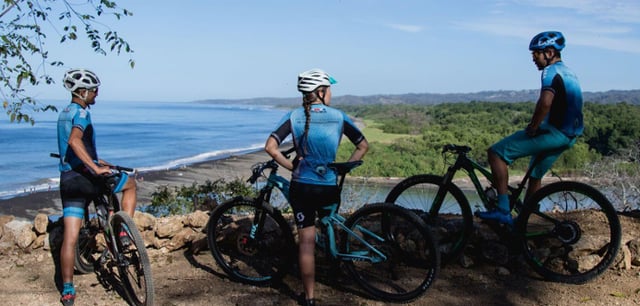
Quito & Avenue of Volcanoes, Ecuador
À partir de £4354.06

Quito & Avenue of Volcanoes, Ecuador
À partir de $4035
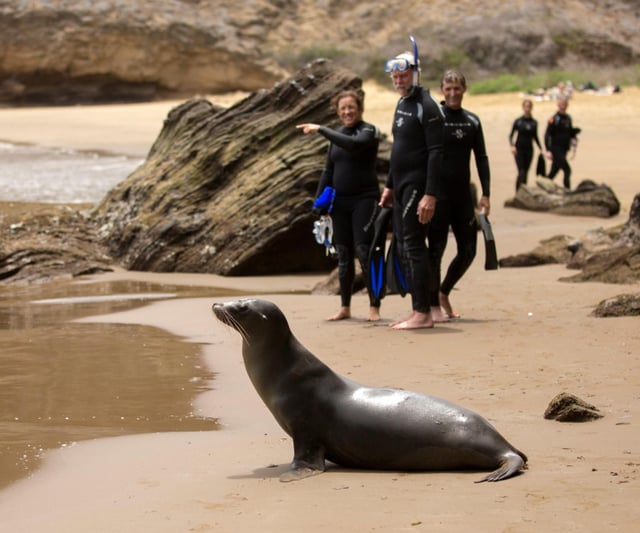
Quito & Avenue of Volcanoes, Ecuador
À partir de £3227.81
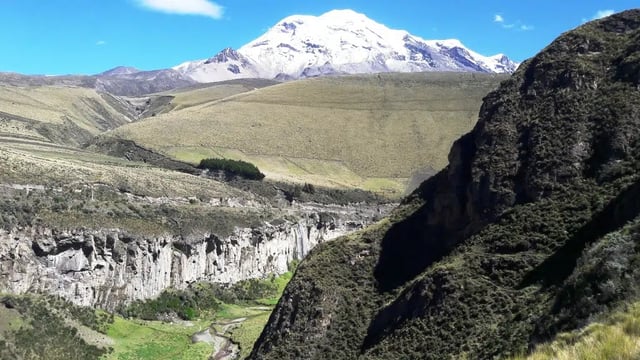
Quito & Avenue of Volcanoes, Ecuador
À partir de $2290
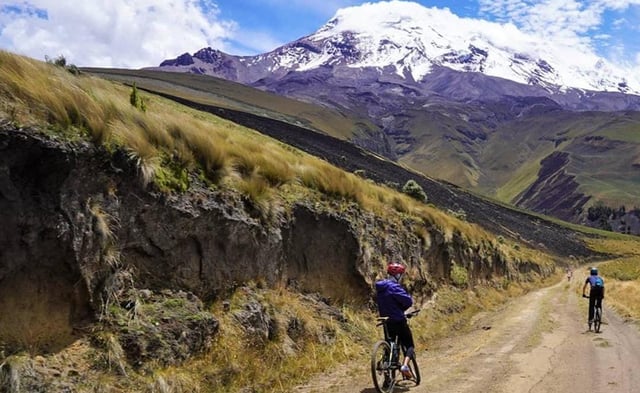
Quito & Avenue of Volcanoes, Ecuador
À partir de £2251.74
Quito & Avenue of Volcanoes, Ecuador
À partir de £1651.07