We partner with Rewilding Britain to help protect our natural spaces for future adventures.
All centres are vetted for safety and quality. Your adventure is in good hands with adventuro.
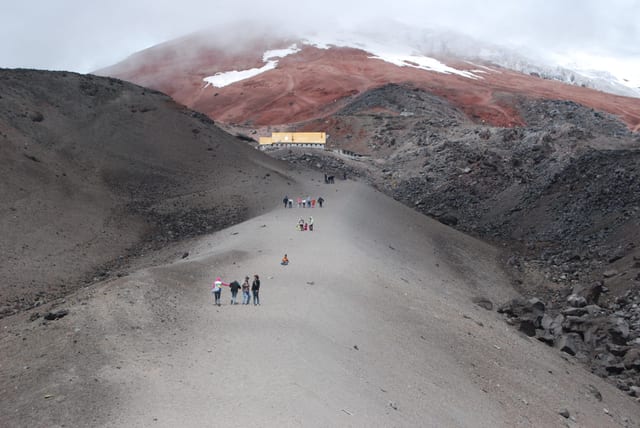
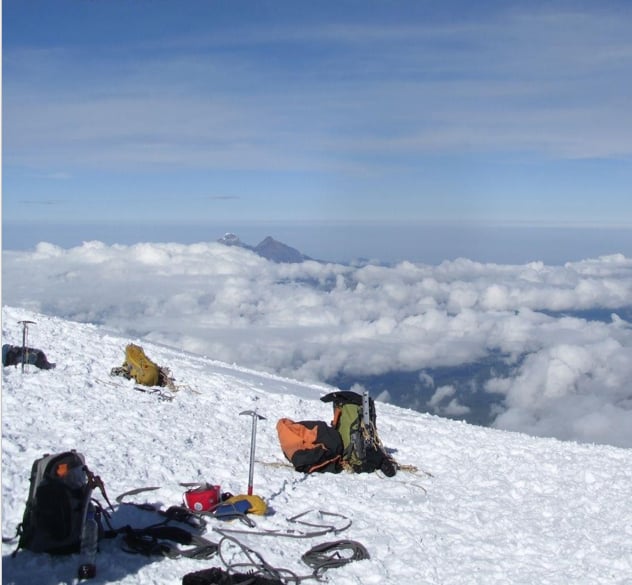

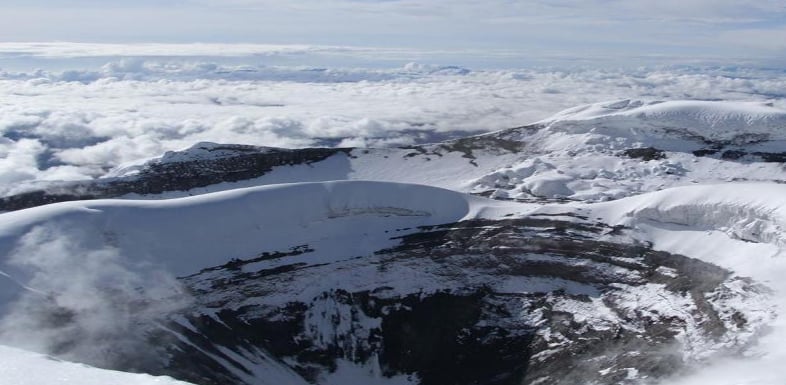
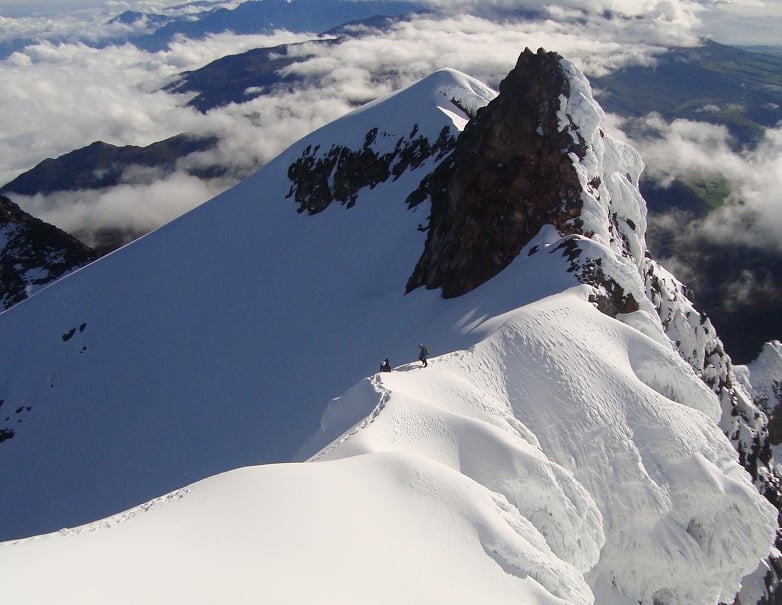
This beginner-friendly high mountain ascent programme in the Ecuadorian Andes offers a balanced mix of physical challenge and wellness. Participants acclimatise gradually while enjoying guided climbs, scenic locations, and holistic practices supporting both body and mind. The itinerary covers iconic peaks, lagoons, and thermal springs for a varied and rewarding experience.
Day 1: Arrival in Quito with a hotel briefing focused on acclimatisation and preparation for the high-altitude challenges.
Day 2: Ascent to Rucu Pichincha via Quito Cable Car (over 4,000m), with a mindful hike including breathing exercises, stretches, and meditation to aid altitude adaptation.
Days 3-4: Trek to Yellow Lagoon near El Altar volcano in Sangay National Park, crossing páramos, rivers, and cloud forests. Overnight camp includes a harmonisation ritual. Descent on Day 4 with reflective pauses.
Day 5: Wellness and relaxation at Monte Selva Spa in Baños, including yoga, massages, volcanic clay treatments, thermal baths, and nature walks.
Day 6: Day trip to Ilinizas Refuge with a hike reaching over 4,700m, including breathwork, stretches, and meditation. Herbal infusions and journaling at the refuge.
Day 7: Ascent to Iliniza Norte (5,126m) over páramo and rocky terrain. Guides maintain a steady pace to manage altitude and safety. Summit offers panoramic views.
Day 8: Holistic wellness day at Lake San Pablo with sunrise yoga, meditation walks, native plant education, jacuzzi, sauna, temazcal, massages, and balanced local meals.
Day 9: Technical training at Cayambe Glacier School on glacier travel, ice climbing, and mountain safety, including environmental awareness.
Day 10: Rest day at Papallacta Hot Springs with meditation, restorative yoga, thermal pools, optional spa treatments, nature walks, and nutritious local meals.
Day 11: Transfer to Cotopaxi National Park with meditation, yoga, mindfulness walks, and optional massages at Tambopaxi Lodge to prepare for summit attempts.
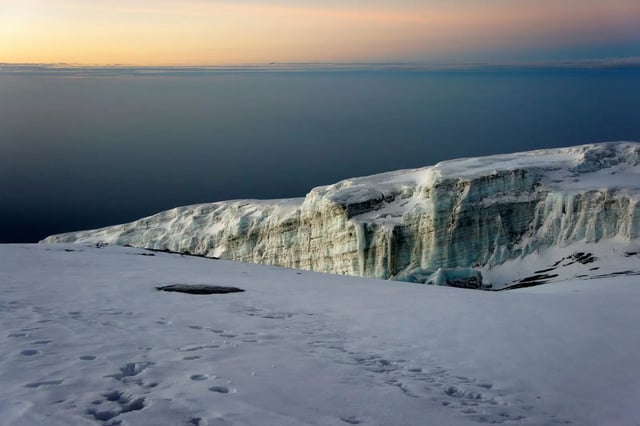
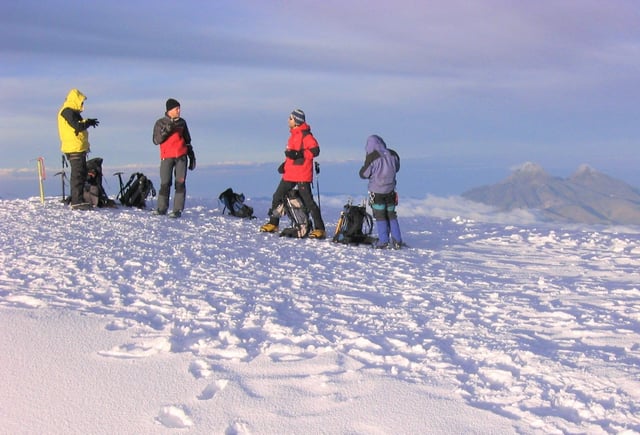
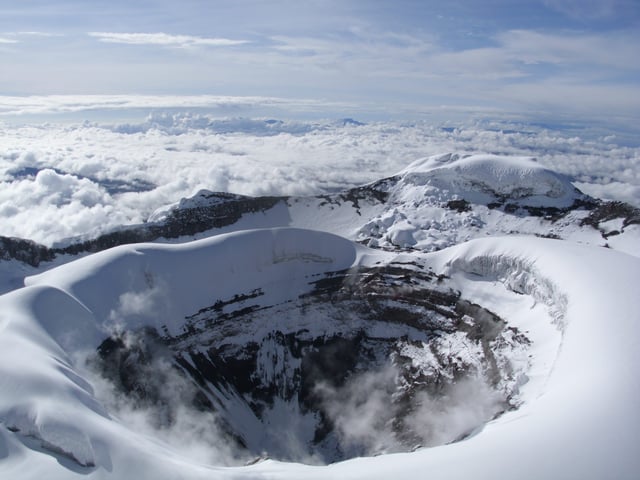
Days 12-13: Ascent and descent of Cotopaxi Volcano (5,897m). The climb progresses through páramo and snow terrain with a careful pace to avoid altitude sickness. Summit rewards with views and sense of achievement.
Day 14: Final yoga and stretching session with group feedback and reflection on physical, mental, and spiritual progress.
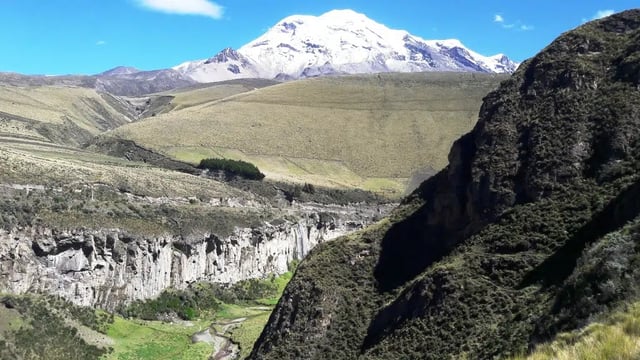
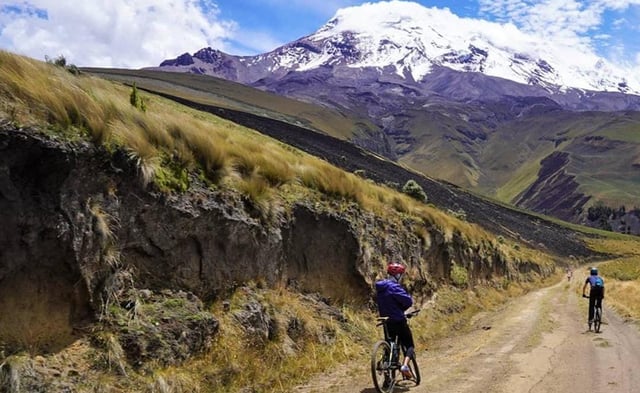
The programme takes place across multiple provinces in the Ecuadorian Andes, including Pichincha, Tungurahua, Cotopaxi, Imbabura, and Cayambe. Starting in Quito, the journey moves through volcanoes, high-altitude lakes, páramo ecosystems, cloud forests, and thermal springs. These diverse landscapes provide varied terrain for hiking, climbing, and wellness activities, making each day unique.
Participants travel through protected areas such as Sangay National Park and experience ecosystems ranging from tropical forests to glaciers. Private transport connects each location, offering a smooth and comfortable transition between urban centres and remote mountain settings. This varied environment supports both physical challenge and restorative wellness practices throughout the trip.
Accommodation includes a combination of hotels, mountain refuges, and camping sites. In Quito, participants stay at a wellness-focused hotel designed to assist with acclimatisation. During the trek to Yellow Lagoon, camping is arranged near the mountain, providing a close connection to nature.
Mountain refuges such as those at Ilinizas and Cayambe offer basic but comfortable lodging at high altitude. Wellness days are spent in spa hotels located in Baños and Termas de Papallacta, which provide facilities like thermal baths and massage treatments. Lodges within Cotopaxi National Park support easy access to summit climbs and nearby trails.
Participants should possess a reasonable level of fitness to manage moderate exertion over multiple days at altitudes ranging from 1,800 to nearly 6,000 metres. While prior experience with high-altitude hiking is not necessary, following guides’ instructions and acclimatising carefully is essential to prevent altitude sickness and ensure safety.
Basic mountaineering skills such as glacier travel and use of technical equipment are taught during the programme. Personal technical gear including layered clothing, high-altitude boots, crampons, and safety equipment is required. Travel insurance that covers high-altitude activities must be arranged by participants. The itinerary may be adjusted to accommodate weather conditions or individual acclimatisation needs.
The organisers have over 12 years of experience specialising in South American tours that combine adventure and wellness. Based in Quito, their multilingual guides and local experts provide reliable logistics and personalised support, helping participants safely navigate the high Andes while focusing on physical and mental wellbeing.
They are committed to responsible tourism and environmental education, incorporating ecological awareness into their itineraries. This programme not only challenges participants physically but also offers a comprehensive wellness experience that encourages a deep connection with nature and personal balance.
This programme is designed specifically for beginners interested in high-altitude mountain climbing and wellness. It gradually introduces participants to altitude, technical skills, and physical exertion, with expert guidance at every stage to ensure safety and enjoyment. You will be supported throughout the journey, with opportunities to build confidence and acclimatise properly before more challenging ascents.
The itinerary balances physical activities with wellness sessions such as yoga, meditation, and breathwork, making it accessible even for those new to mountain environments. If you have a reasonable level of fitness and a willingness to learn, this programme offers a supportive environment to take your first steps into mountaineering.
Participants should have a moderate level of fitness to comfortably manage trekking and climbing at altitudes from 1,800 to nearly 6,000 metres. This includes endurance for several hours of daily walking on varied terrain, as well as strength and balance for hiking over rocky or snowy paths. Regular cardiovascular exercise and some hiking experience are recommended before joining.
Although prior mountaineering experience is not required, physical preparation helps reduce fatigue and the risk of altitude sickness. The guides monitor everyone’s pace carefully and adapt activities to individual needs, but being in good physical condition will enhance your enjoyment and success on the programme.
Altitude sickness can affect anyone not properly acclimatised to high elevations. This programme is structured to allow gradual acclimatisation through progressive ascents, rest days, and wellness activities designed to support the body’s adjustment. Guides closely monitor symptoms and encourage hydration, rest, and slow pacing to minimise risks.
In addition to physical acclimatisation, the itinerary includes breathing exercises and mindfulness practices that help improve oxygen use and reduce stress. If symptoms of altitude sickness arise, the team is trained to respond promptly, including slowing the ascent or descending if necessary to ensure participant safety.
You will receive instruction in essential mountaineering techniques including the use of crampons, ice axes, and harnesses, as well as glacier travel and basic ice climbing. These skills are taught progressively during hikes and glacier training sessions to build confidence and competence in a safe environment.
The programme also emphasises mountain safety, self-rescue methods, and environmental awareness. By the end, participants will be familiar with the equipment and skills needed to tackle high-altitude ascents, preparing them for future independent climbs or more advanced courses.
Participants are required to bring layered technical clothing suitable for high-altitude conditions, including a thermal base layer, insulating mid-layer, waterproof outer shell, and additional cold-weather layers. Sturdy, insulated mountain boots compatible with crampons are essential, along with gloves, hats, and gaiters.
Technical equipment such as crampons, ice axes, harnesses, and helmets may be provided but it is advisable to confirm with the organisers in advance. A backpack with sufficient capacity for personal gear, headlamp, sunglasses with high UV protection, and a personal first aid kit are also necessary for the trip.
Meals listed in the itinerary include breakfasts, box lunches, and dinners, focusing on healthy, balanced options using fresh, local ingredients. Nutrition is designed to support the physical demands of high-altitude activity while accommodating different dietary preferences when notified in advance.
On wellness days and in lodges, meals feature organic fruits, vegetables, grains, and proteins typical of Andean cuisine, providing energy and nourishment throughout the trip. Meals not specified in the itinerary or optional extras are the participant’s responsibility.
Yes, comprehensive travel insurance that covers high-altitude trekking, mountain climbing, and medical evacuation is mandatory for all participants. This insurance protects against unforeseen events such as injury, illness, or trip interruption, which are possible in remote and challenging environments.
It is the participant’s responsibility to arrange this insurance before arrival and to ensure it includes coverage for the specific activities planned in this programme. Proof of insurance may be requested before the trip begins.
Accommodation varies throughout the itinerary to match the different stages and locations of the trip. In urban areas such as Quito, participants stay in wellness-focused hotels that support acclimatisation with comfortable facilities and relaxing environments. During multi-day treks and high mountain stays, lodging includes mountain refuges and campsites, offering basic but secure shelter close to the natural surroundings.
Wellness days are spent at spa hotels in Baños and Termas de Papallacta, where facilities such as thermal baths, massage services, and natural trails enhance relaxation and recovery. The mix of accommodation types ensures a balance between comfort, immersion in nature, and convenience for accessing key trekking routes and wellness activities.
About the centre
Quito, Ecuador
Operated by Responsible Travel, a partner of adventuro.
Quito & Avenue of Volcanoes, Ecuador
From $1057
Bagmati Province, Nepal
From $3093
Arunachal Himalaya (Tawang & Siang Region), Nepal
From $3490
Cape Peninsula & Atlantic Seaboard, South Africa
From R2850