
We partner with Rewilding Britain to help protect our natural spaces for future adventures.
All centres are vetted for safety and quality. Your adventure is in good hands with adventuro.
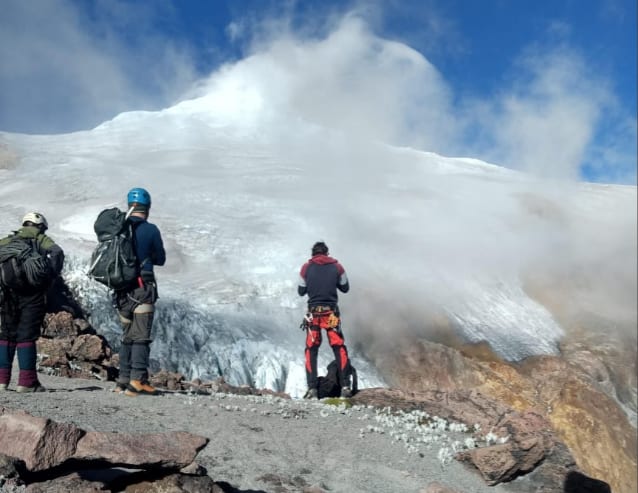
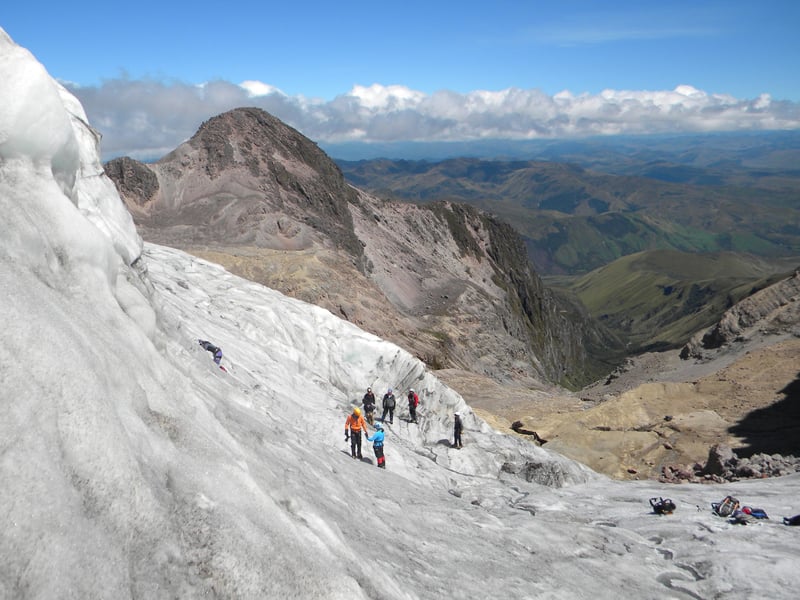
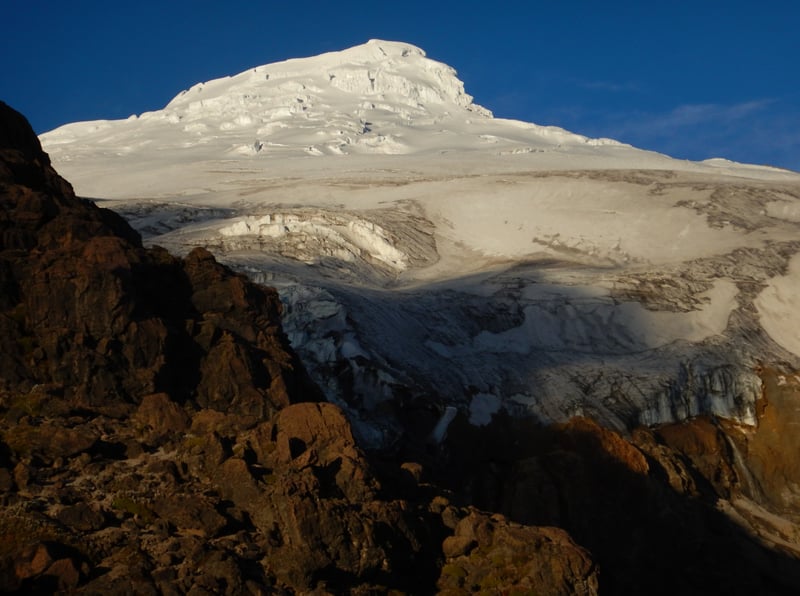
De Cayambe-vulkaan biedt een zeldzame klimmogelijkheid waarbij de evenaar de top doorkruist. Deze tweedaagse expeditie combineert technisch gletsjerwandelen met geïntegreerde yoga- en ademhalingstechnieken om de acclimatisatie te ondersteunen. De beklimming biedt een uitdagende maar evenwichtige ervaring in een rustiger deel van de Andes.
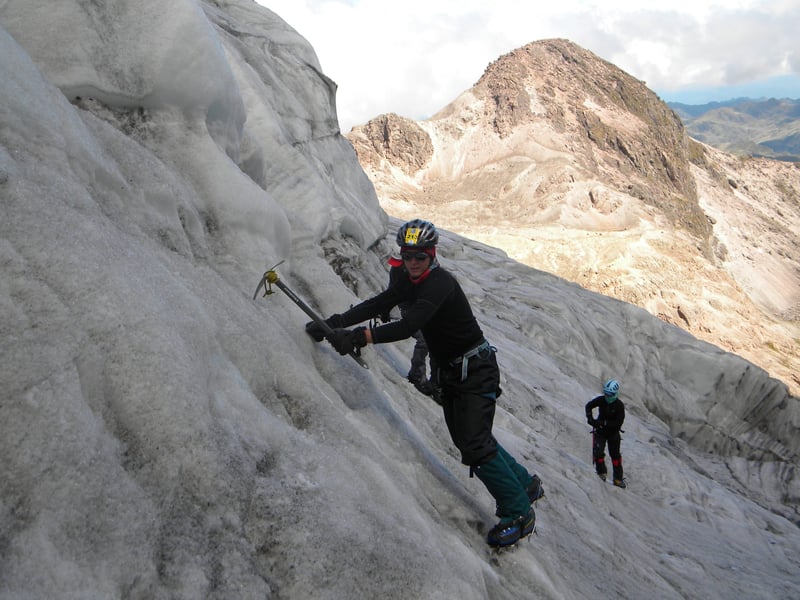
Vanuit Quito reis je naar het minder druk bezochte Nationaal park Cayambe-Coca, waar de grootste gletsjer van Ecuador ligt. Bij aankomst in de berghut staat de middag in het teken van technische voorbereiding, waaronder instructies over stijgijzers, touwtechnieken en het gebruik van een ijsbijl. Yoga- en ademhalingsoefeningen vullen de training aan en helpen je aan de hoogte te wennen terwijl ze je flexibiliteit en focus vóór de beklimming verbeteren.
Op de topdag is zorgvuldige navigatie over steile gletsjerhellingen met technische uitrusting vereist. De beklimming duurt doorgaans zes tot acht uur en biedt weidse uitzichten over de omliggende gletsjers en bergtoppen. Na de afdaling keert de groep terug naar de berghut om uit te rusten voordat de terugreis naar Quito begint. Tijdens de hele beklimming helpen welzijnssessies om mentale helderheid en fysiek herstel te behouden.
De Cayambe-vulkaan ligt in de noordelijke Ecuadoraanse Andes, in het beschermde Nationaal park Cayambe-Coca. De vulkaan is vooral bekend als de enige berg waarvan de top door de evenaar wordt doorkruist, wat een bijzonder geografisch kenmerk vormt. Het park zelf herbergt uiteenlopende ecosystemen en de grootste gletsjer van het land.
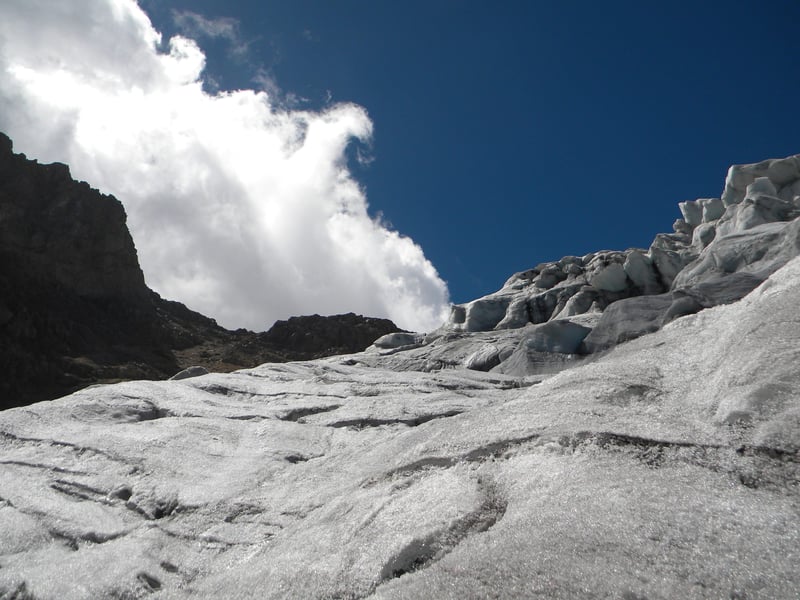
Bezoekers treffen er een ruig landschap aan van vulkanisch gesteente en uitgestrekte ijsvelden. In vergelijking met andere nabijgelegen toppen krijgt Cayambe minder klimmers, waardoor je er een meer afgelegen en serene omgeving vindt. Het wisselvallige weer, met frequente kou en sneeuw, betekent dat geschikte kleding en uitrusting essentieel zijn voor veiligheid en comfort.
Accommodatie wordt geboden in een berghut in het nationale park, dicht bij de voet van de beklimming. Deze berghut biedt kamers in gemeenschappelijke slaapzaalstijl en gedeelde eetruimtes. De hut vormt een warme en veilige uitvalsbasis voor rust, maaltijden en voorbereiding vóór en na de beklimming.
De berghut is ideaal voor acclimatisatie, zodat deelnemers aan de hoogte kunnen wennen en de aanlooptijd op de topdag tot een minimum kunnen beperken. De ruimte biedt ook plaats aan yoga- en mindfulnesssessies, die een essentieel onderdeel vormen van de holistische aanpak van de reis.
Een stevige basis in gletsjerklimmen is belangrijk vanwege de technische moeilijkheidsgraad van deze route. Ervaring met het gebruik van stijgijzers en ijsbijlen en met het hanteren van touwsystemen wordt sterk aanbevolen. Het fysieke uithoudingsvermogen moet toereikend zijn om lange perioden van zware activiteit op hoogte aan te kunnen.
De welzijnsonderdelen ondersteunen de acclimatisatie en verminderen vermoeidheid, maar vervangen technische vaardigheden of een goede conditie niet. Klimmers moeten geschikte bergkleding en persoonlijke uitrusting meenemen om veilig en comfortabel aan de eisen van de beklimming te voldoen.
Deze aanbieder combineert diepgaande regionale kennis met een focus op verantwoord toerisme en het welzijn van klanten. Hun tweetalige gidsen zijn experts in bergbeklimmen en holistische praktijken en zorgen voor veiligheid en een evenwichtige klimervaring.
Met meer dan tien jaar ervaring in het begeleiden van tours in de Andes combineren zij technische instructie met yoga en mindfulness om zowel prestaties als plezier te vergroten. Hun aanpak stimuleert een respectvolle omgang met de bergomgeving en de lokale cultuur.
De beklimming omvat steile gletsjerpassages waarvoor een zelfverzekerd gebruik van technische uitrusting zoals stijgijzers, ijsbijlen en touwen vereist is. Klimmers moeten ervaring hebben met het veilig navigeren door ijzig terrein.
Wie nog geen ervaring heeft met gletsjertochten, kan de beklimming ondanks de instructie uitdagend vinden. Eerdere bergbeklimervaring draagt bij aan de veiligheid en het plezier op deze technische route.
Klimmers hebben een hoog fitnessniveau nodig om de fysieke eisen van de beklimming en de effecten van hoogte het hoofd te bieden. Een langdurig uithoudingsvermogen op steil terrein is vereist.
Yoga- en ademhalingsoefeningen zijn inbegrepen ter ondersteuning van de acclimatisatie en om het uithoudingsvermogen te verbeteren, maar deelnemers moeten zich voor de beste resultaten vóór de reis fysiek voorbereiden.
Geschikte kleding in lagen voor koude, natte en winderige bergomstandigheden is essentieel. Bergschoenen voor grote hoogten die geschikt zijn voor stijgijzers, warme handschoenen, mutsen en zonnebrillen met uv-bescherming zijn vereist.
Persoonlijke klimuitrusting zoals stijgijzers, een klimgordel, ijsbijl en helm kan nodig zijn, tenzij deze wordt verstrekt of gehuurd. Een rugzak met water en snacks is belangrijk voor comfort tijdens de beklimming.
Yoga-, stretch- en gecontroleerde ademhalingssessies verbeteren de zuurstofefficiëntie, vergroten de flexibiliteit en verminderen mentale stress. Deze technieken helpen vermoeidheid en uitdagingen op hoogte het hoofd te bieden.
Door kalmte en focus te bevorderen, dragen de welzijnsoefeningen bij aan veiligere beslissingen en een positievere klimervaring.
De berghut biedt eenvoudige gemeenschappelijke slaapzalen en eetfaciliteiten die geschikt zijn voor bergbeklimmers op grote hoogte. De hut biedt beschutting, warmte en een rustplek na trainingen en pogingen om de top te bereiken.
Een verblijf daar ondersteunt een goede acclimatisatie en biedt gemakkelijke toegang tot de klimroute. De berghut dient ook als centrum voor begeleide welzijnsactiviteiten.
Voor de topdag zijn doorgaans zes tot acht uur klimmen nodig, afhankelijk van het weer en de individuele conditie. De afdaling naar de berghut duurt doorgaans twee tot drie uur.
De volledige klimdag omvat steile gletsjertochten, dus klimmers moeten voorbereid zijn op langdurige inspanning op hoogte.
Ja, acclimatisatie vormt een belangrijk onderdeel van het programma, met een geleidelijke stijging en welzijnssessies zoals yoga- en ademhalingsoefeningen. Deze helpen het lichaam zich aan te passen aan lagere zuurstofniveaus.
Gidsen houden elke deelnemer nauwlettend in de gaten om het risico op hoogteziekte te beperken en de veiligheid tijdens de beklimming te vergroten.
Over het centrum
Quito, Ecuador
Uitgevoerd door Responsible Travel, een partner van adventuro.
Quito & Avenue of Volcanoes, Ecuador
Vanaf $515
Quito & Avenue of Volcanoes, Ecuador
Vanaf $470

Quito & Avenue of Volcanoes, Ecuador
Vanaf $4035
Quito & Avenue of Volcanoes, Ecuador
Vanaf £3227.81
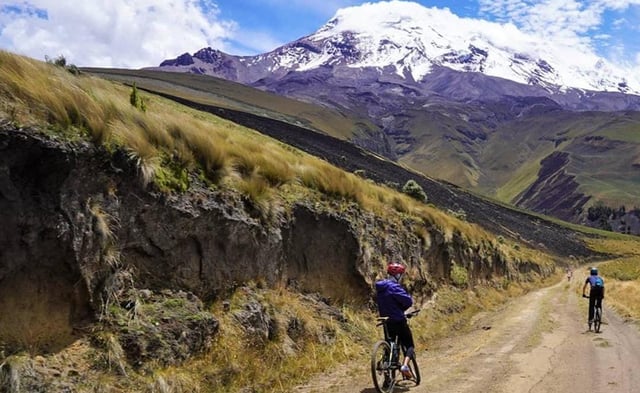
Quito & Avenue of Volcanoes, Ecuador
Vanaf £2251.74
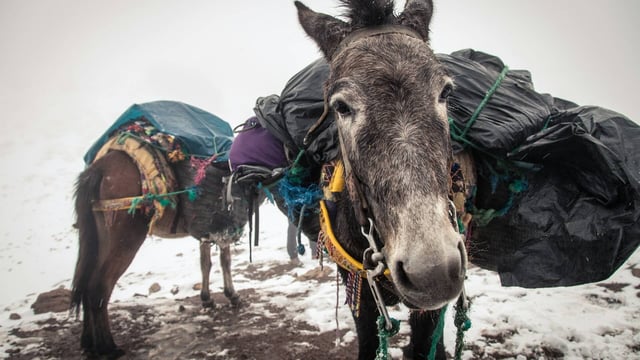
Central & Atlas Mountains, Morocco
Vanaf $400
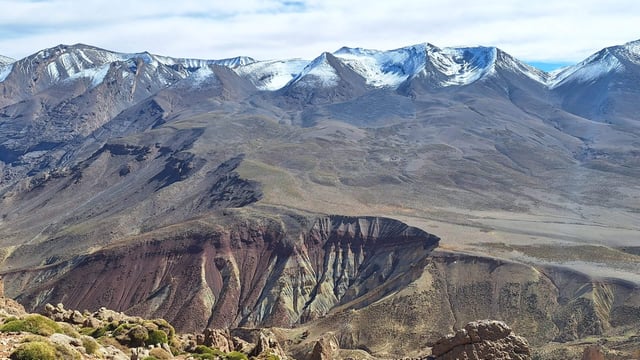
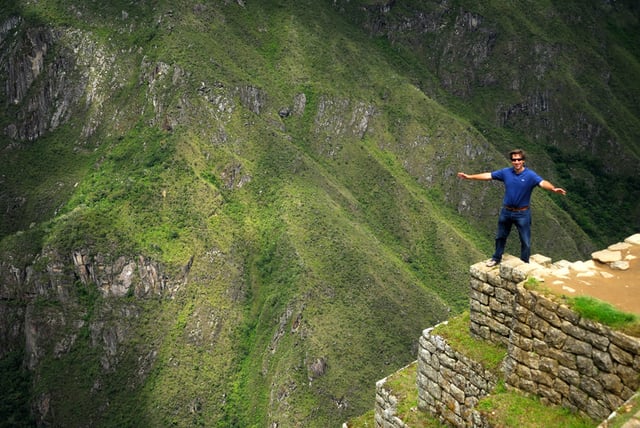
Cataluña (Catalonia), Spain
Vanaf £1350
Basseterre & South Peninsula, Saint Kitts and Nevis
Vanaf $275