

Rest days at Namche and Dingboche sit inside the classic Khumbu approach from Lukla through Phakding and Tengboche, so height gain stays steady on four to six hour walking days. Lobuche and Gorak Shep lead to Everest Base Camp at 5,364 metres, with optional Kala Patthar at 5,545 metres. After that the route turns toward Phortse instead of dropping straight back to Lukla.
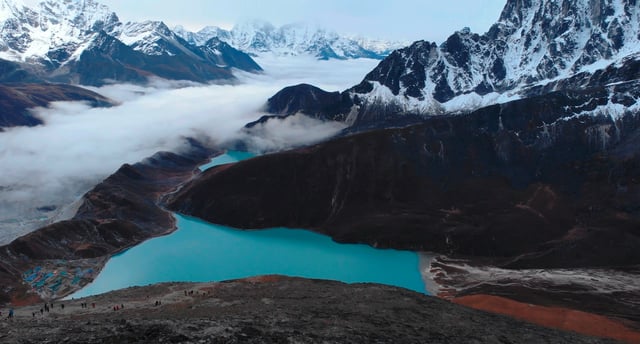
Phortse opens the quieter side through Machhermo to the Gokyo lakes, then Gokyo Ri for the viewpoint above the Ngozumpa glacier, waiting a morning if cloud sits on the ridge. The walk out continues through Dole and Namche to Lukla for the Kathmandu flight. Nineteen days give both the icefall and the lakes their own teahouse nights. You stay on a daypack while crew move the duffels, and walking-day meals are included.
Park papers, Lukla seats and lodge bookings are held on both sides of the loop, not only on the busy Base Camp trail. A licensed leader takes the small group, and the Thamel briefing covers the EBC days, the Gokyo turn and how the rest nights are paced. Porter support stays with you for the whole circuit.
Cloud on Gokyo Ri is a reason to wait a morning, not to force the viewpoint. Safety checks and domestic connections stay with the same Kathmandu desk from briefing to the flight home. Lodge space on the quieter Gokyo branch is reserved before you fly.
Arrive at Tribhuvan International Airport, transfer to your Kathmandu hotel, and join the pre-trek briefing with Alpine Club of Himalaya.
After you land, a team member can meet you at the airport or your hotel in Thamel when transfer details are shared in advance. Use the afternoon to rest, hydrate, and unpack kit you will need on the trail.
Your lead guide introduces the route, checks permits and insurance wording, and answers questions about altitude, packing, and tipping customs before the mountain days begin.
An early flight into Lukla opens Himalayan views before you meet the trail crew. A gentle walk along the Dudh Koshi through pine forest and suspension bridges brings you to Phakding for your first teahouse night.
Sherpa villages and suspension bridges line the river valley. Porters usually pass ahead so your main bag is waiting at the lodge when you arrive.
Even on shorter first days, hydrate steadily and keep sunscreen handy on open sections. Your guide checks how everyone feels before tomorrow's climb toward Namche.
Cross prayer-flagged bridges and climb the main trail into Namche Bazaar, the Sherpa hub of the Khumbu. Everest, Lhotse, and Ama Dablam begin to dominate the skyline as you gain height.
The climb from the river includes the famous Hillary suspension bridge and a steady pull into the amphitheatre of peaks above town. Bakeries, gear shops, and espresso stops make Namche a welcome rest hub.
Spend the evening sorting layers for higher cold and charging devices while power is available. Your guide may outline acclimatization hikes or tomorrow's trail time over dinner.
Rest and acclimatization day at Namche Bazaar (3,440 m) with short hikes higher before continuing up-valley.
A popular option is the hike toward Everest View Hotel or Khumjung for wider panoramas, then return to town. Even a few hundred metres higher helps your body adapt.
Use the afternoon for gear checks, optional museum visits, or a slow stroll through market stalls. Skip alcohol and drink plenty of fluid so appetite stays strong.
Walk through rhododendron forest with Ama Dablam overhead until Tengboche monastery appears on the ridge. Many groups pause for monastery views before settling into the lodge below the gompa.
If timing allows, listen for chanting and watch light change on the ice walls. Ask your guide about respectful photography inside sacred spaces.
The lodge area sits just below the gompa; evenings cool quickly once the sun drops. Pack a warm layer for dinner and turn in early if tomorrow climbs higher.
The trail opens into alpine country with wider views toward Lhotse and neighbouring summits. Dingboche spreads across stone-walled fields where the air already feels noticeably thinner.
The Imja Khola valley widens here and walking feels more exposed, so windproof layers help even on clear afternoons.
Turn in early if tomorrow is another walking day or a ridge hike for acclimatization, depending on your confirmed schedule.
Exploration and acclimatization day at Dingboche (4,410 m) before pushing toward Lobuche.
Nangkartshang ridge or similar viewpoints give a stiff but rewarding climb while you still return to the same teahouse bed.
Rest legs when you get back: stretch, refill water bottles, and note any headache or poor sleep for your guide.
Glacial moraine and memorial chortens mark the approach to Lobuche, where peaks feel close and the walking day is often long. Teahouses here are simple but welcome after steady altitude gain.
The air feels thinner; slow steps and steady breathing matter more than speed. Eat fully at dinner even if appetite is muted.
Walking pace stays steady with breaks for water, snacks, and photos. Lunch is usually in a teahouse en route; dinner and breakfast are at the lodge where you sleep, often dal bhat or hot noodle dishes.
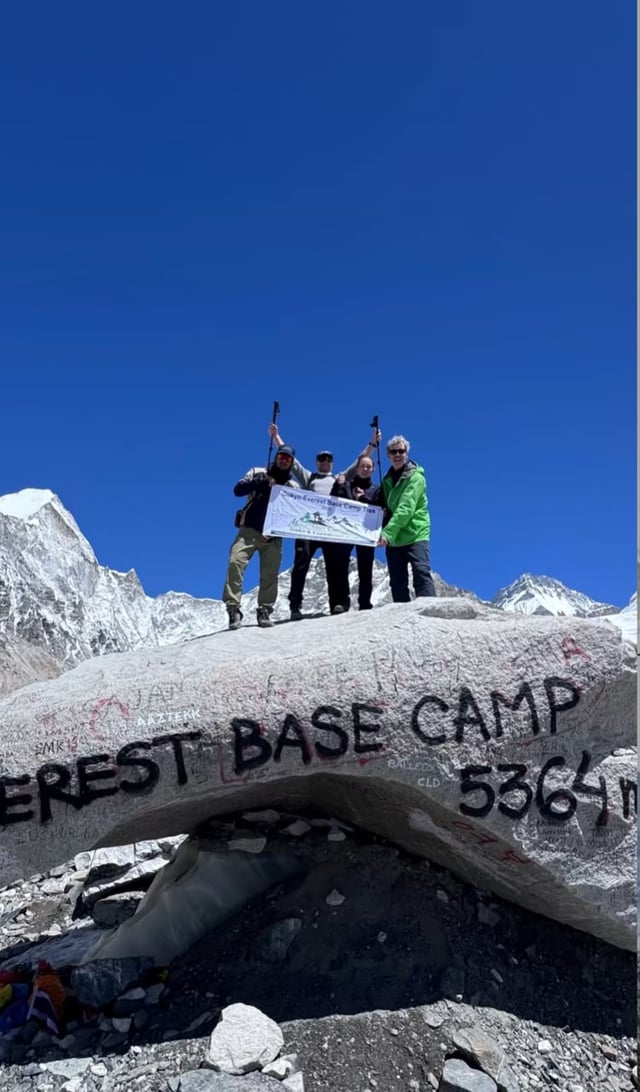
Reach Gorak Shep, leave heavier packs at the lodge, and continue to Everest Base Camp beside the Khumbu Icefall. Standing among expedition camps at 5,364 metres is the highlight many walkers remember most.
Many groups walk to Base Camp with a light load. The icefall and colourful expedition tents make the moraine walk unforgettable when weather holds.
Altitude still rules at 5,300 metres plus: sip water often, wear sun protection on snow glare, and follow your guide's call on when to turn back for the overnight lodge.
Optional pre-dawn climb to Kala Patthar for classic Everest portraits, then a long descent to lower elevation where breathing feels easier and lodge nights grow warmer.
A pre-dawn start is common for viewpoints; pack a head torch, insulated layers, and gloves for windchill above 5,000 metres. Your guide sets a turn-around time so you descend before afternoon cloud builds.
The climb is steep but non-technical trekking: poles help on the way down. Celebrate the panorama, then pace the descent so knees and altitude recovery stay manageable for the next lodge night.
You walk at a comfortable pace, with tea stops and altitude checks along the way.
Walking pace stays steady with breaks for water, snacks, and photos. Lunch is usually in a teahouse en route; dinner and breakfast are at the lodge where you sleep, often dal bhat or hot noodle dishes.
Carry rain gear and layers in your daypack even when mornings look clear. Tell your guide about headaches, nausea, or knee pain early so tomorrow's stage can be adjusted if needed.
Turquoise lakes and lateral moraines mark the Gokyo side of the Khumbu. Extra acclimatization here pays off before high cols or the link toward Everest Base Camp.
Weather windows on rocky cols are short; microspikes may appear from the kit bag when the guide expects hard snow.
Keep snacks accessible for slow, airy steps and tell your guide early if headache or nausea appears.
Exploration hike to Gokyo Ri (5,360 m) and back to Gokyo to about 4 hours for the viewpoint round trip.
A pre-dawn start is common for viewpoints; pack a head torch, insulated layers, and gloves for windchill above 5,000 metres. Your guide sets a turn-around time so you descend before afternoon cloud builds.
The climb is steep but non-technical trekking: poles help on the way down. Celebrate the panorama, then pace the descent so knees and altitude recovery stay manageable for the next lodge night.
You walk at a comfortable pace, with tea stops and altitude checks along the way.
Walking pace stays steady with breaks for water, snacks, and photos. Lunch is usually in a teahouse en route; dinner and breakfast are at the lodge where you sleep, often dal bhat or hot noodle dishes.
Carry rain gear and layers in your daypack even when mornings look clear. Tell your guide about headaches, nausea, or knee pain early so tomorrow's stage can be adjusted if needed.
Cross prayer-flagged bridges and climb the main trail into Namche Bazaar, the Sherpa hub of the Khumbu. Everest, Lhotse, and Ama Dablam begin to dominate the skyline as you gain height.
The climb from the river includes the famous Hillary suspension bridge and a steady pull into the amphitheatre of peaks above town. Bakeries, gear shops, and espresso stops make Namche a welcome rest hub.
Spend the evening sorting layers for higher cold and charging devices while power is available. Your guide may outline acclimatization hikes or tomorrow's trail time over dinner.
The last full walking day drops through forest and farmland toward Lukla airstrip. Celebrate with your crew over dinner and pack flight documents where you can reach them at dawn.
The trail crosses one last round of bridges before the airstrip town. Weather can still shift flight times, so keep one clean outfit and documents packed separately.
Early bed helps when a dawn airport call comes. Your guide confirms tomorrow's briefing if you fly out in the morning.
Morning flight from Lukla to Kathmandu when weather allows, then time to rest in Thamel.
Queues at Tenzing-Hillary Airport move quickly when the weather window opens; stay near the gate with your passport ready. Weight limits are strict, so confirm which bags fly with you and which porters carry down separately.
Back in Kathmandu you can shower, sort laundry, and enjoy a proper meal in Thamel. Share flight times with your hotel so airport transfers or international connections stay on track if the mountain sector runs late.
Transfer to Tribhuvan International Airport for your onward flight. Keep insurance details handy until you are fully home.
Allow time for airport traffic in Kathmandu and keep insurance details handy until you are home. Porters and guides appreciate farewell tips in an envelope when you are happy with the service.
If Lukla or road delays shortened a buffer day, confirm international flight changes with your airline as soon as you have a new departure time from the team.
Meet in Thamel for briefing and permits before the Lukla flight. Allow extra days at the end of the trip for possible weather delays on the return flight.
Share fitness history honestly so we can advise on pacing for Cho La and the longer calendar.
City nights bookend the Lukla flights in Thamel, with twin or double rooms, a private bathroom and breakfast. Briefing is held at the hotel, and airport meeting is available when transfer details are shared. Those stays are also the buffer if the mountain sector moves by a day.
Gokyo-side lodges at Phortse, Machhermo and the lakes are quieter and often simpler than Namche, after the same classic teahouses on the Base Camp trail through Dingboche and Gorak Shep. Shared bathrooms and little room heat are normal at the lakes. Pack a bag for cold rooms. Beds on both sides are held before you fly. Meals are served in the dining room, and showers or charging are paid locally.
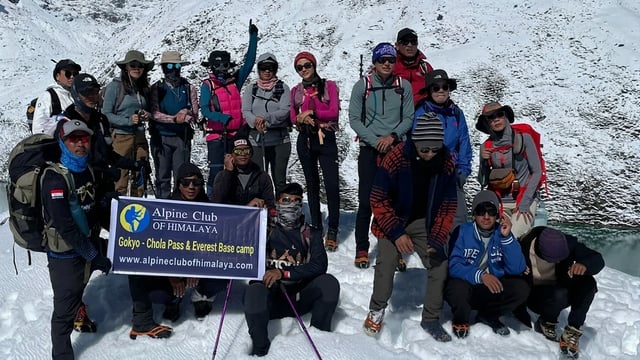
You see two faces of the Khumbu: the icefall and expedition tents on one side, and turquoise lakes beneath Cho Oyu on the other, with extra nights to settle at altitude.
The longer calendar also leaves room for monastery stops and a Gokyo Ri climb when cloud lifts. It suits walkers who want more than a single highlight day.
Cho La is a serious col day with an early start, possible snow, and a long descent. Fitness, broken-in boots, and your guide’s judgment matter more than speed.
The itinerary builds toward the col with rest nights first. If ice or weather looks unsafe, the team may wait or use a safer link rather than force the crossing.
Spring and autumn are the clearest for lake colour and pass travel. Winter cols can be icy, and monsoon months bring low cloud in the valleys.
If your dates sit on a shoulder month, ask us on Adventuro Chat so we can talk through expected snow, lodge warmth, and flight reliability.
National park and local municipality permits for the Khumbu are arranged from Kathmandu once we have your passport copies and confirmed dates.
You do not need to visit permit offices yourself. Keep a spare passport photo and a clear scan of your details page in case a lodge or checkpoint asks.
Three weeks on trail with pass days and viewpoint climbs needs real endurance, not just a few gym sessions. Previous multi-day hiking is strongly recommended.
Train with back-to-back hill days and a loaded daypack. Share recent walking history so we can be honest about whether this loop or a shorter Khumbu trek fits better.
Kathmandu to Lukla and return are included when they appear on your confirmation, and they remain subject to mountain weather on both sectors.
Build spare time after day nineteen before any non-flexible international flight. We message you as soon as the airstrip status is known each morning.
Cover must include trekking above 5,000 metres, possible pass travel, medical care, and helicopter rescue in the Khumbu.
Carry policy numbers in your daypack. If you want help checking altitude wording, send the summary page through Adventuro Chat before you travel.
Fixed departures can run with one guest, and you will often share dining rooms with other walkers on the busy EBC corridor and quieter Gokyo lodges.
Private groups are available if you want your own dates. Tell us group size and preferred month on Adventuro Chat and we will check lodge space.
Warm gloves, a windproof layer, and trekking poles help on Cho La and Gokyo Ri. Microspikes may come out of the kit bag if the guide expects hard snow.
We run through the list at the Kathmandu briefing so you can rent missing pieces in Thamel rather than discovering a gap at Machhermo.
We meet in Thamel for briefing and permits, with airport or hotel pickup when you send arrival times before the Lukla flight.
Keep one early-night in the capital so the mountain flight does not start from a late international arrival. The team confirms the hotel name in writing.
We partner with Rewilding Britain to help protect our natural spaces for future adventures.
All centres are vetted for safety and quality. Your adventure is in good hands with adventuro.

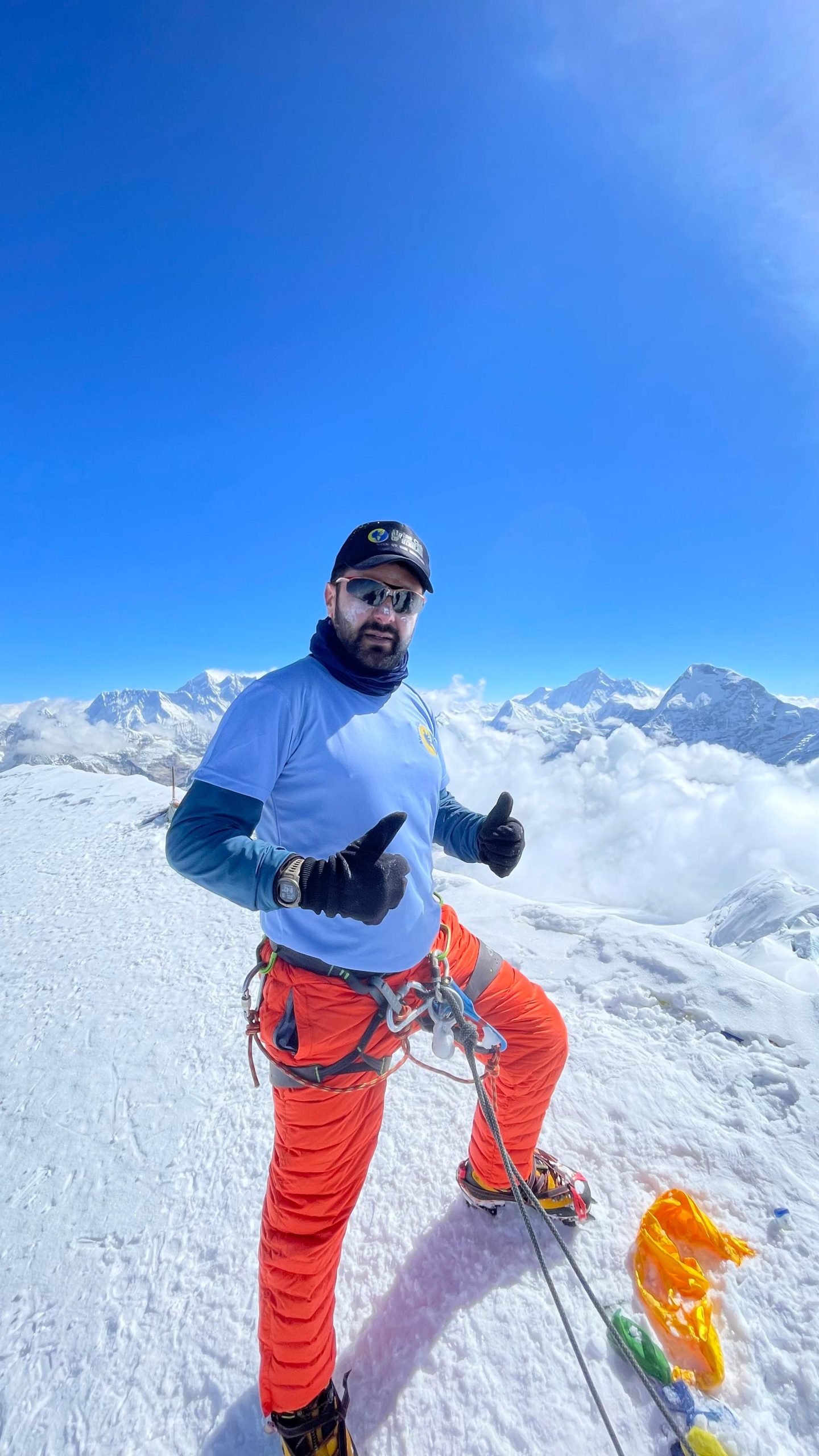
About the centre
Kathmandu
We are a Kathmandu-based team of licensed trekking and mountaineering guides who lead small groups through the Everest, Annapurna, Manaslu, and peak-climbing routes of Nepal. Every itinerary is built around steady acclimatization, reliable local logistics, and tea-house or lodge nights that keep you comfortable after long days on the trail.
From your arrival briefing in Thamel to the flight to Lukla or the roadhead for western circuits, we handle permits, domestic connections, porter support, and experienced lead guides who know these valleys season by season. Whether you are aiming for a classic base camp, a high pass, or a summit attempt, we focus on safety briefings, realistic pacing, and warm Sherpa hospitality so you can enjoy the journey as much as the destination.
Operated by Alpine Club of Himalaya, a partner of adventuro.
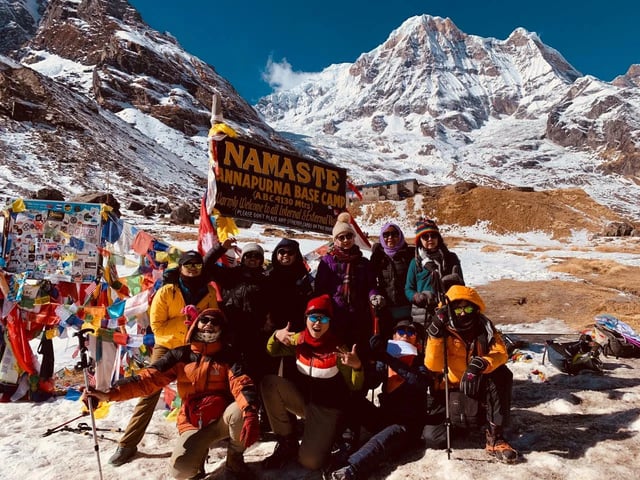
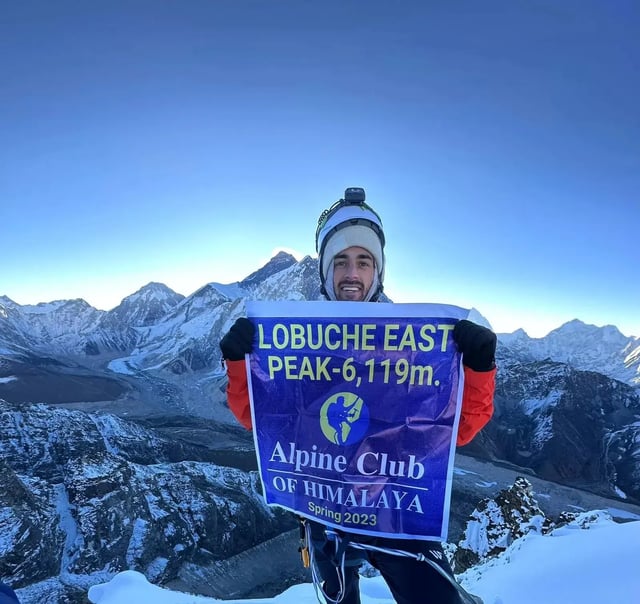
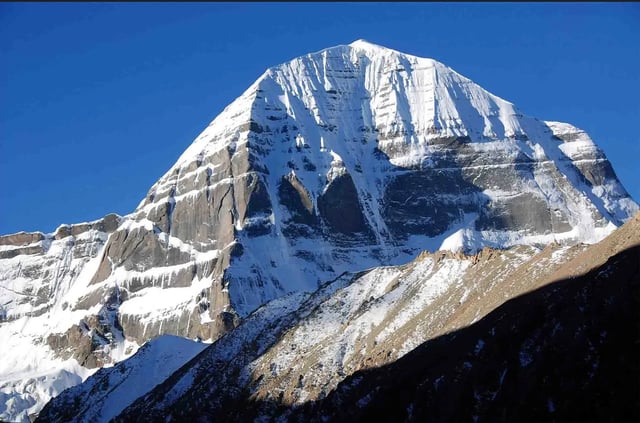


Bagmati Province, Nepal
From $2399
Bagmati Province, Nepal
From $1358
Bagmati Province, Nepal
From $2210

Himachal Pradesh (Shimla, Manali, Spiti), Nepal
From $2150
Arunachal Himalaya (Tawang & Siang Region), Nepal
From $2000