

Drive days to Besisahar and Chame follow the Thamel briefing, then the walk to Upper Pisang and Manang at 3,540 metres, where a rest day includes a short hike above town. Manang is also where the route leaves the main street for Shree Kharkha and Tilicho Base Camp, then a six to seven hour day trip to Tilicho Lake at 4,920 metres and back to the same lodge. Marsyangdi walking days are often five to six hours, mixing forest, road-edge trail and drier Tibetan-style slopes.
Thorong La at 5,416 metres is a seven to eight hour day from Thorong Phedi after Yak Kharka, then the drop to Muktinath and the Kali Gandaki to Jomsom. Pokhara has a free day before the road back to Kathmandu. Teahouse nights cover the walk, walking-day meals are included, and duffels travel with porters. Pass day starts early while snow is firm, and the group waits if wind or symptoms make the col a poor idea.
Papers for ACAP and the related checkpoints are arranged with the road transfers and lodge bookings, plus a licensed leader for a small group. Briefing time covers the Tilicho detour, pass-day timing and how the Manang rest is used. Jeep or bus exit from Jomsom is part of the same Kathmandu plan.
Snow or wind on Thorong La is a reason to wait or turn back, not to keep a timetable. Lodge space is held on both sides of the pass before you leave the capital. Porter support stays with the group through the lake detour and the Kali Gandaki.
Airport transfer, hotel check-in, and welcome dinner to open the Annapurna Circuit with Tilicho Lake trek.
After you land, a team member can meet you at the airport or your hotel in Thamel when transfer details are shared in advance. Use the afternoon to rest, hydrate, and unpack kit you will need on the trail.
Your lead guide introduces the route, checks permits and insurance wording, and answers questions about altitude, packing, and tipping customs before the mountain days begin.
Use this Kathmandu day for last-minute kit, permits, and a full briefing before you leave the capital.
This is the day to buy last-minute supplies, change money, and attend the full pre-trek briefing. Bring your passport copies, insurance documents, and any rental gear lists so nothing is missed.
Walk through the day-by-day plan with your guide, including realistic walking times, lodge standards, and what happens if Lukla flights or road travel are delayed by weather.
A long road day west from Kathmandu follows river valleys to Besisahar, the usual gateway to the Annapurna Circuit. Stretch your legs when the driver stops, and meet the trekking crew at the roadhead.
Road journeys in Nepal can be long and winding; secure daypacks, carry snacks, and expect photo stops at river valleys or hill viewpoints. Motion sickness tablets help if you are sensitive.
Meet your trekking crew at the roadhead, confirm bag labels for porters, and have lunch or tea before the first walking day when the schedule allows.
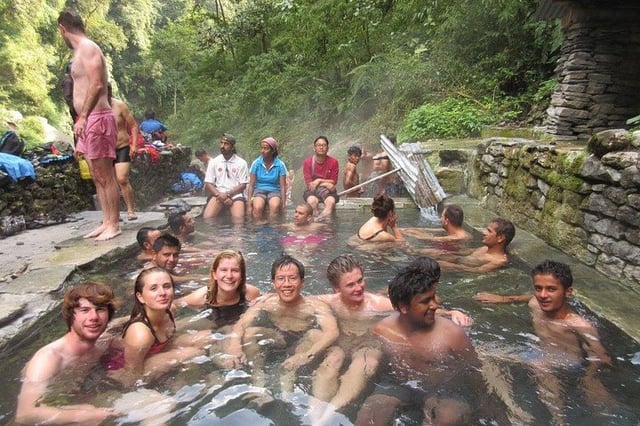
The Marsyangdi gorge narrows toward Chame, a district town with apple orchards and hot springs nearby. This is a natural staging stop before the climb toward Pisang.
Road journeys in Nepal can be long and winding; secure daypacks, carry snacks, and expect photo stops at river valleys or hill viewpoints. Motion sickness tablets help if you are sensitive.
Meet your trekking crew at the roadhead, confirm bag labels for porters, and have lunch or tea before the first walking day when the schedule allows.
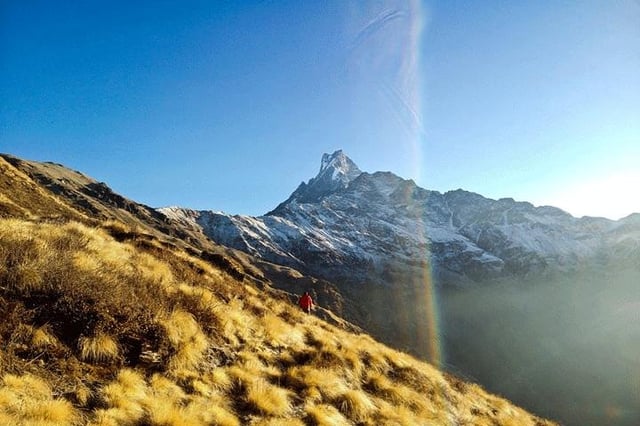
Pine forest gives way to drier slopes as you climb toward Upper Pisang. Annapurna II dominates the skyline and the air already feels thinner than Chame.
Circuit trails mix forest shade and open valley views. Carry wind layer and sun hat even when mornings start frosty.
Teahouse spacing varies; lunch may be longer between villages on pass approach days.
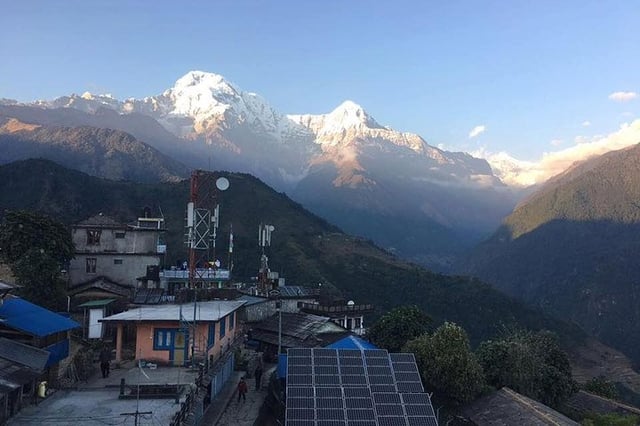
The Marsyangdi valley dries out as you approach Manang, with Tibetan-style houses and wide views of Annapurna II and Gangapurna. This is the circuit's main acclimatization hub before Tilicho or Thorong La.
Carry a wind layer and sun hat even when mornings start frosty. Teahouses here have bakeries and gear shops if you need extras.
Your guide tracks group pace so side trips and the pass stay within safe daylight windows.
Rest day in Manang (3,540 m) with short walks to aid acclimatization before Tilicho.
The goal is to climb high and sleep low: short hikes above camp, then return to the same lodge for the night. This is one of the most important days for safe altitude gain later in the trip.
Use the time for laundry, charging devices where available, and light stretching. Avoid alcohol and stay hydrated; your guide may check how you slept and how appetite is holding up.
You walk at a comfortable pace, with tea stops and altitude checks along the way.
Walking pace stays steady with breaks for water, snacks, and photos. Lunch is usually in a teahouse en route; dinner and breakfast are at the lodge where you sleep, often dal bhat or hot noodle dishes.
Carry rain gear and layers in your daypack even when mornings look clear. Tell your guide about headaches, nausea, or knee pain early so tomorrow's stage can be adjusted if needed.
The side trail toward Tilicho Base Camp crosses landslide slopes and high pastures above the lake basin. Lodges here are simple and the wind can feel sharp even at midday.
The side trip to the lake is strenuous but unforgettable: carry extra water and dress warmly for wind at the shore. Your guide may leave camp before dawn to reach the water in clearer light.
Return to lodge the same day unless weather forces a slower pace. This detour is why extra acclimatization in Manang matters before Thorong La later in the circuit.
Day trip to Tilicho Lake (4,920 m) and return to base camp to about 6 to 7 hours.
The side trip to the lake is strenuous but unforgettable: carry extra water and dress warmly for wind at the shore. Your guide may leave camp before dawn to reach the water in clearer light.
Return to lodge the same day unless weather forces a slower pace. This detour is why extra acclimatization in Manang matters before Thorong La later in the circuit.
Yak pastures and wide alpine slopes mark the walk toward Yak Kharka as you rejoin the main circuit toward Thorong La. The air is thinner; keep the pace conversational.
Carry a wind layer and sun hat. Lunch may be later as lodge spacing widens on the pass approach.
Turn in early and eat fully even if appetite is muted. Tomorrow usually aims for Thorong Phedi.
A shorter but important day to Thorong Phedi, the last lodge before the pass. Rest, hydrate, and prep layers for a very early start.
Pass days start early while snow is firm and storms are less likely. Pack snacks, gloves, and sun protection; the ridge can feel windy even when valleys below are calm.
Your guide sets the turn-back time before you leave camp. If snow, ice, or symptoms appear, the team may wait, reroute, or add a rest day rather than push the col in unsafe conditions.
Cross Thorong La Pass (5,416 m) and descend to Muktinath (3,800 m) to about 7 to 8 hours.
Pass days start early while snow is firm and storms are less likely. Pack snacks, gloves, and sun protection; the ridge can feel windy even when valleys below are calm.
Your guide sets the turn-back time before you leave camp. If snow, ice, or symptoms appear, the team may wait, reroute, or add a rest day rather than push the col in unsafe conditions.
The Kali Gandaki valley opens toward Jomsom, with wind often rising by late morning. Apple orchards and the airstrip town mark the circuit's lower exit.
Start early to beat the afternoon wind funnel. Sunglasses and a buff help in the dusty gorge.
Celebrate the pass behind you over dinner and confirm tomorrow's jeep or flight plan with your guide.
Expect winding hill roads with scenic stops where it is safe to pull over. Secure daypacks and carry snacks for the longer stretches.
Road journeys back to Pokhara or Kathmandu can take a full day on winding hill highways. Secure daypacks, carry snacks, and expect photo stops at river valleys when it is safe to pull over.
Once you reach the hotel, shower, sort laundry, and confirm any onward flight times with the team. Motion sickness tablets help if you are sensitive on switchbacks.
A free day in Pokhara to rest legs, enjoy the lakeside, and catch up on laundry after the trail.
This is a recovery day: sleep in, stretch tired calves, and enjoy lakeside cafes without a wake-up call. Optional boat rides or a stroll to World Peace Pagoda are easy if legs still have something left.
Sort laundry, charge devices, and confirm tomorrow's transfer with your guide. Keep insurance and passport copies together in case plans shift by a few hours.
Expect winding hill roads with scenic stops where it is safe to pull over. Secure daypacks and carry snacks for the longer stretches.
Road journeys back to Pokhara or Kathmandu can take a full day on winding hill highways. Secure daypacks, carry snacks, and expect photo stops at river valleys when it is safe to pull over.
Once you reach the hotel, shower, sort laundry, and confirm any onward flight times with the team. Motion sickness tablets help if you are sensitive on switchbacks.
Transfer to Tribhuvan International Airport for your onward flight. Keep insurance details handy until you are fully home.
Allow time for airport traffic in Kathmandu and keep insurance details handy until you are home. Porters and guides appreciate farewell tips in an envelope when you are happy with the service.
If Lukla or road delays shortened a buffer day, confirm international flight changes with your airline as soon as you have a new departure time from the team.
Briefing in Kathmandu or Pokhara before road transfer to the circuit start. Allow buffer days after Thorong La in case weather delays the pass or road transport.
Previous multi-day trekking experience helps on long-loop days.
Three city stays split the trip: Thamel at the start, Pokhara after the Jomsom road day including a free night by the lake, then Thamel again after the drive back. Rooms are twins or doubles with a private bathroom and breakfast. Briefing is in Kathmandu, and airport collection is available when flight times are shared.
Tilicho Base Camp and Thorong Phedi are the windy, simple nights, after more comfortable Marsyangdi lodges at Chame, Upper Pisang and Manang, then Muktinath and Jomsom on the far side. Shared bathrooms and little room heat are normal on the lake and pass approaches. Pack a bag for those rooms. Lodge space is held on both sides of Thorong La before you leave Kathmandu. Showers, Wi-Fi and charging are extras when they exist.
The side trail from high pasture lodges reaches one of the highest lakes you can walk to on a teahouse trek, with a different light and quieter nights than the main street of Manang.
You still complete Thorong La and the Kali Gandaki descent. The extra days are for the lake and for lungs, not for padding the brochure.
Pass day is long, cold at the start, and windy on the crest, then a sustained descent toward Muktinath. Fitness and an honest pace matter more than summit haste.
Acclimatisation nights in Manang prepare you. Guides set a turn-around time and will wait if snow or symptoms make the alpine start unsafe.
Autumn is the classic circuit month for clear passes. Spring is greener in the lower Marsyangdi, with more variable snow on Thorong La and the Tilicho trail.
Winter lodges can close higher up. Message us on Adventuro Chat if you are looking at late November or April, when conditions change week by week.
Annapurna Conservation Area and local papers are arranged from Kathmandu before the drive to Besisahar and Chame.
Passport copies and dates are enough. Keep the permits accessible at checkpoints along the Marsyangdi and again after you cross to the Kali Gandaki.
Eighteen days of mixed road and walking, plus a lake detour and a 5,400-metre pass, needs endurance and good recovery in simple lodges.
Previous multi-day trekking helps. Train on consecutive hill days and practise descending, because the drop from Thorong La is as tiring as the climb.
Teahouses range from apple-country comfort in the lower valley to simpler rooms above Manang and on the Tilicho side trail.
Hot showers and Wi-Fi are extras when they exist. A warm bag and earplugs help on busy circuit nights when dining rooms stay lively late.
Cover must include high-altitude trekking, the Thorong La crossing, and helicopter evacuation on both sides of the circuit.
Carry documents in your daypack. If you add side trips or jeep exits, check that those are not excluded from the medical section.
This itinerary climbs the Marsyangdi to Manang, visits Tilicho, then crosses Thorong La toward Muktinath and Jomsom, which is the usual acclimatisation direction.
Walking the other way would rush the pass. We keep the published direction so lungs have time before 5,400 metres.
Yes, on a guided departure. You will meet other walkers on the main circuit, while the Tilicho branch often feels quieter.
Private groups can request their own dates when lodges allow. Adventuro Chat is the place to ask about October space, which fills first.
From Jomsom the road drops toward Pokhara’s lakeside, then you return to Kathmandu as the itinerary states, by flight or road depending on the package.
Weather can affect Jomsom flights. Keep a flexible plan for the last city night so a road day does not collide with a tight international ticket.
We partner with Rewilding Britain to help protect our natural spaces for future adventures.
All centres are vetted for safety and quality. Your adventure is in good hands with adventuro.

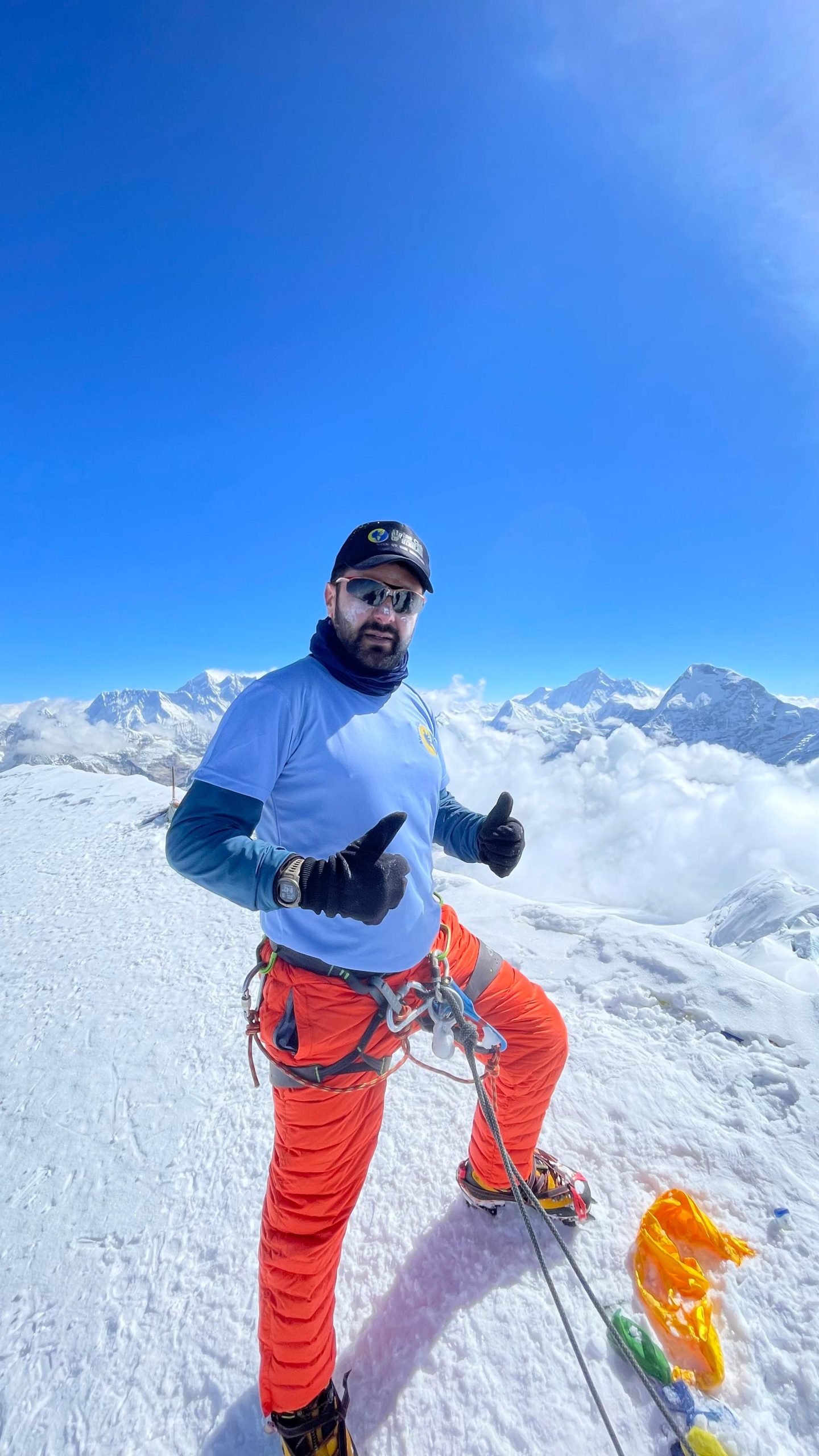
About the centre
Kathmandu
We are a Kathmandu-based team of licensed trekking and mountaineering guides who lead small groups through the Everest, Annapurna, Manaslu, and peak-climbing routes of Nepal. Every itinerary is built around steady acclimatization, reliable local logistics, and tea-house or lodge nights that keep you comfortable after long days on the trail.
From your arrival briefing in Thamel to the flight to Lukla or the roadhead for western circuits, we handle permits, domestic connections, porter support, and experienced lead guides who know these valleys season by season. Whether you are aiming for a classic base camp, a high pass, or a summit attempt, we focus on safety briefings, realistic pacing, and warm Sherpa hospitality so you can enjoy the journey as much as the destination.
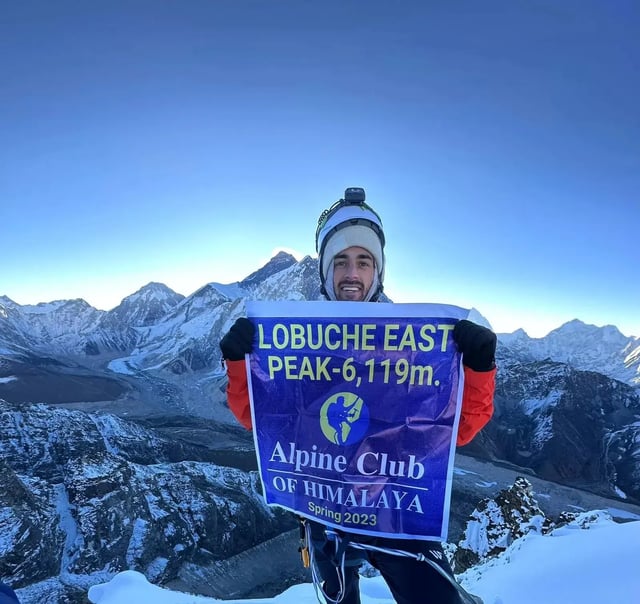
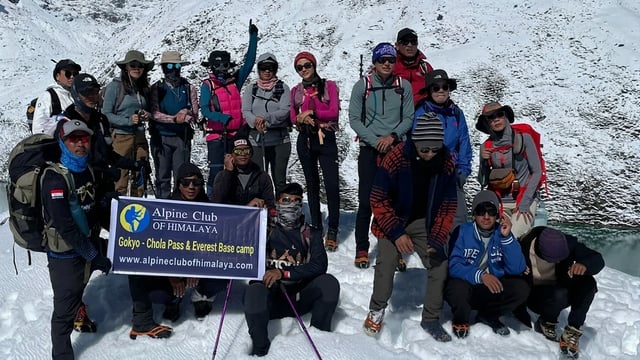
Operated by Alpine Club of Himalaya, a partner of adventuro.
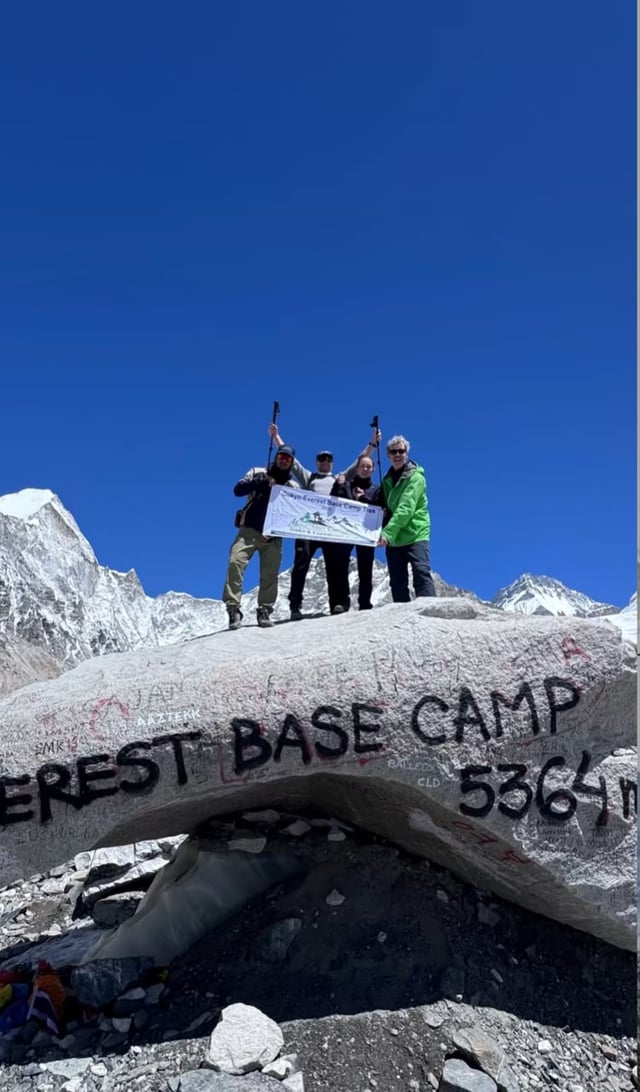
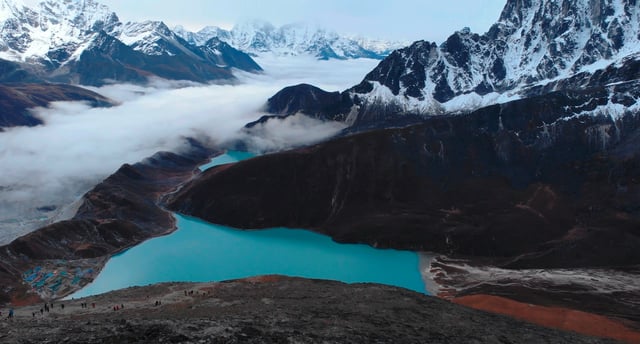
Bagmati Province, Nepal
From $1358
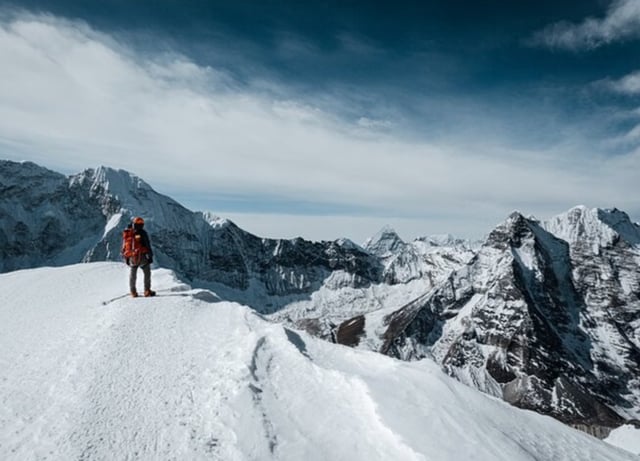
Bagmati Province, Nepal
From $2210
Himachal Pradesh (Shimla, Manali, Spiti), Nepal
From $1750
Arunachal Himalaya (Tawang & Siang Region), Nepal
From $1700


Bagmati Province, Nepal
From $2399
