We partner with Rewilding Britain to help protect our natural spaces for future adventures.
All centres are vetted for safety and quality. Your adventure is in good hands with adventuro.
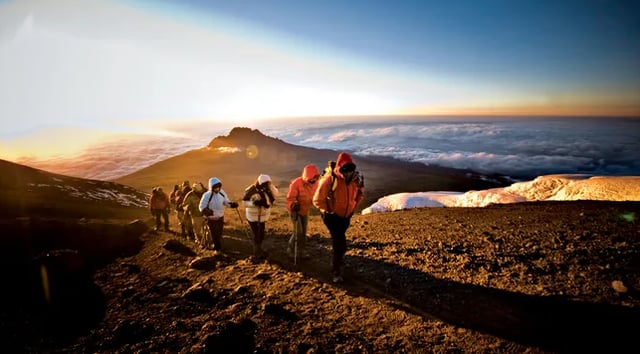
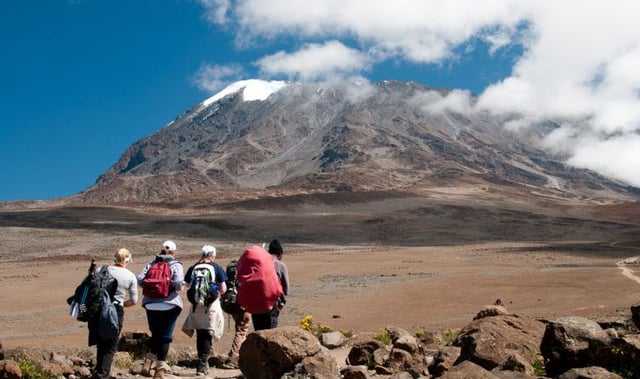
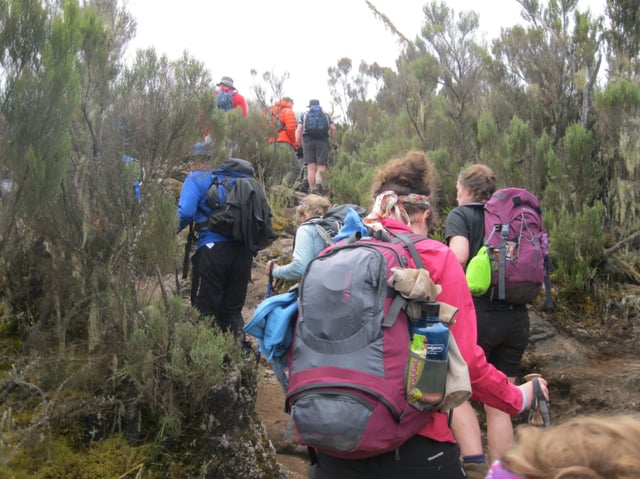
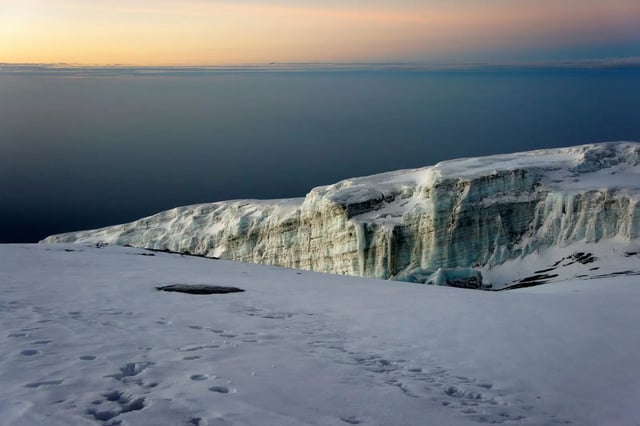
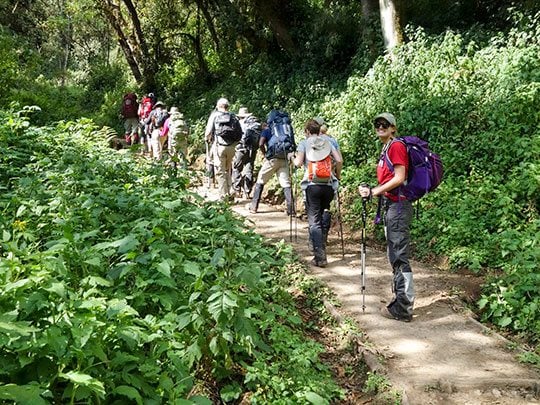
You'll start from Arusha and enter Kilimanjaro from the west at Londorossi, walking a quiet forest path to Big Tree Camp before the trail opens onto the Shira Plateau. Days build slowly through moorland, alpine desert, and glacial valleys, with a night at crater camp after the Stella Point summit. Guides keep a pole-pole pace, porters move camp, and cooks serve three meals so you can concentrate on the walk and acclimatisation.
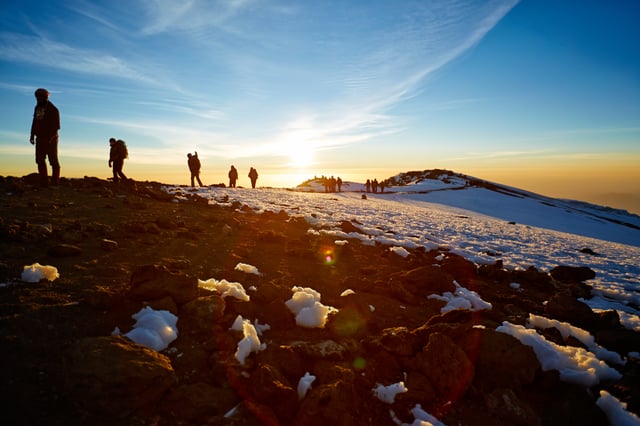
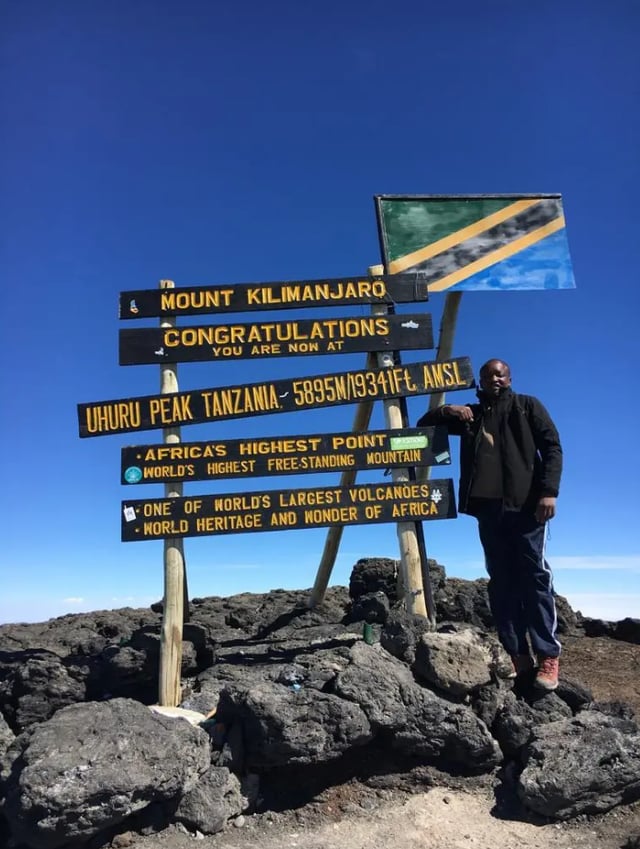
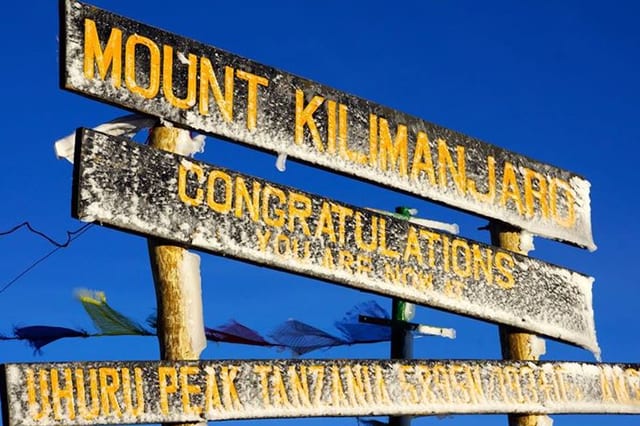
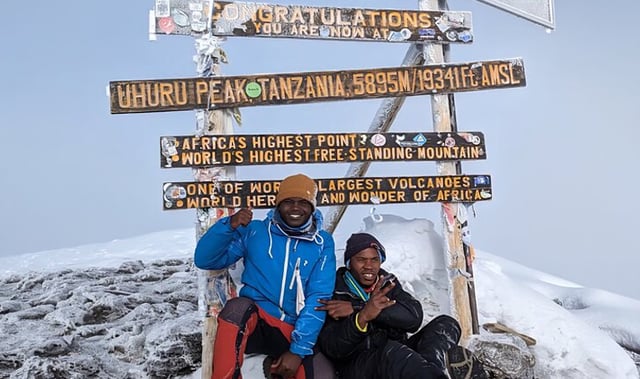
Summit day climbs the crater rim to Uhuru Peak, then you descend through desert, moorland, and rainforest to Mweka. The extra days on Lemosho are there for height gain and scenery rather than a rushed push. Arusha nights bookend the trek so you arrive briefed and leave with time to rest before your flight.
This locally owned Arusha company specialises in tailor-made Kilimanjaro climbs with professional mountain crews. You speak with the people who plan the Lemosho days, not a generic call centre, and the itinerary can be adjusted around your fitness and travel window.
Lemosho is their scenic western approach: forest, Shira Plateau, alpine desert, and a crater-camp option before the Stella Point summit. Guides watch acclimatisation, porters handle tents and meals, and the extra days are there for a fuller, less rushed Kilimanjaro experience.
On the mountain, accommodation is in well-placed tents with foam sleeping pads, blankets, and pillows. Dining tents serve three meals daily, with porters handling all setup, cooking, and campsite logistics. Campsites are chosen for safety, scenic views, and convenient access to water points where possible.
In Arusha, pre- and post-trek stays at Maura Apartment provide private rooms with bathrooms, showers, and hotel amenities. These two nights allow climbers to rest, adjust to altitude, and prepare or recover from the trek. Guides are available for briefings and equipment checks before and after the climb.
Accommodation on the mountain is in high-quality, durable tents equipped with foam sleeping pads, pillows, and blankets to ensure comfort during the trek. Dining tents serve three nutritious meals daily, prepared by the support staff. Campsites are strategically selected for safety, access to water, and scenic surroundings, giving climbers a secure and enjoyable experience.
Pre- and post-trek nights in Arusha are at Maura Apartment, offering private rooms with attached bathrooms and showers. These nights allow climbers to rest, adjust to altitude changes, and prepare or recover from the trek. Guides are present to assist with equipment checks and answer questions, ensuring the accommodation meets all practical needs during the expedition.
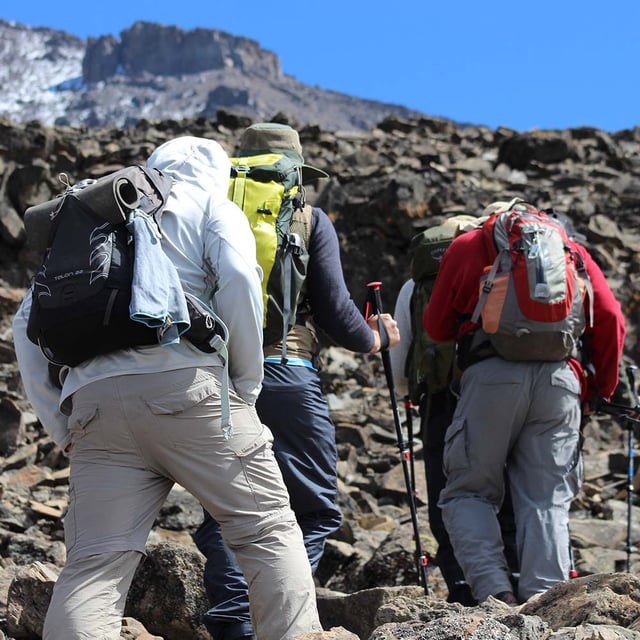
The Lemosho Route is considered moderate to challenging, with daily treks ranging from 3 to 9 hours over 5–14 km across varied terrain, including forest trails, moorlands, alpine deserts, scree slopes, and rocky ridges near the summit. Summit day is the most demanding, beginning in the early hours and requiring careful pacing and regular breaks to manage altitude effects.
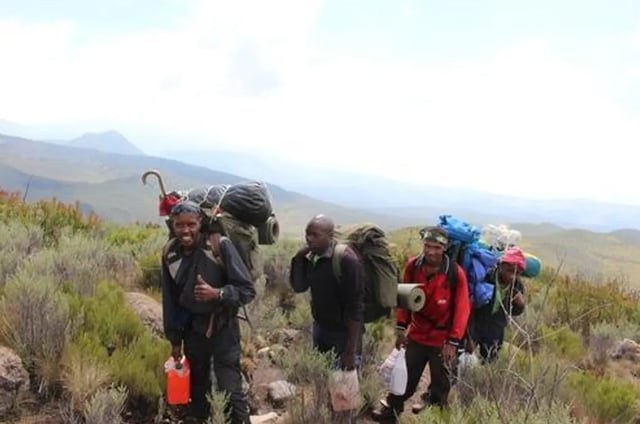
Climbers benefit from the support of experienced guides, porters, and cooks who carry equipment, set up camps, and prepare meals. The itinerary includes acclimatisation days at strategic camps, and guides monitor climbers for signs of altitude sickness, adjusting the pace and providing advice on hydration, nutrition, and rest. This ensures safety while offering a structured approach to summiting Africa’s highest peak.
All meals on the mountain are included, prepared freshly by the trekking team. Breakfast typically consists of porridge, bread, and tea or coffee, while lunch is a combination of sandwiches, pasta, or rice dishes with vegetables and protein. Dinner usually features a hot, balanced meal with soup, starch, protein, and vegetables, designed to provide energy for the next day’s trek.
Snacks, fruits, and hot drinks are provided throughout the day, and climbers are encouraged to stay hydrated using the boiled water supplied by the support team. Special dietary requirements, such as vegetarian or gluten-free meals, can usually be accommodated if notified in advance.
Yes, altitude sickness is a possibility because Kilimanjaro reaches 5,895 m at Uhuru Peak. Symptoms may include headaches, nausea, dizziness, and fatigue. The itinerary is structured with acclimatisation days and gradual elevation gains to reduce the risk of altitude-related issues.
Guides monitor each climber’s condition, advise on hydration and rest, and can adjust the pace if needed. Emergency oxygen is available if required, and climbers are encouraged to report any symptoms immediately. Following the “pole pole” approach, or slow and steady pacing, is recommended throughout the trek.
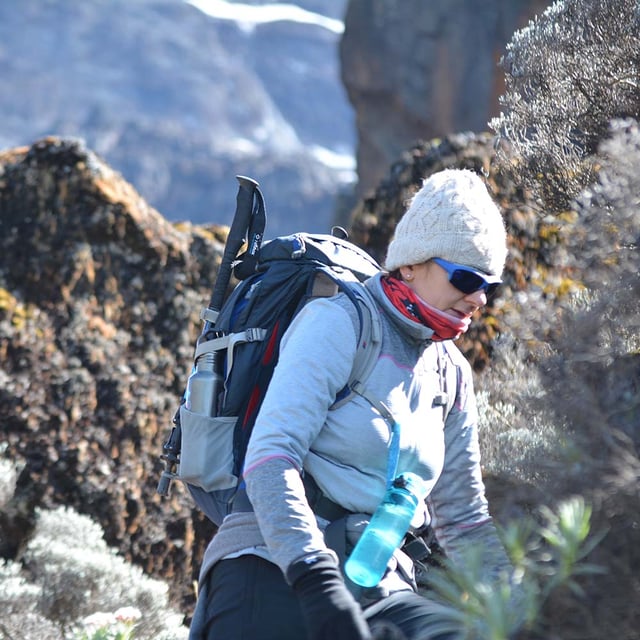
Climbers should bring sturdy hiking boots, layered clothing suitable for cold, wet, and windy conditions, gloves, hats, and a warm sleeping bag rated for sub-zero temperatures. Trekking poles, sunglasses, sunscreen, and a daypack for personal items are also essential.
The support team provides tents, sleeping pads, pillows, and cutlery, so you only need personal items. Some specialised climbing gear, like crampons or gaiters, can be rented locally if required. Guides provide advice on what to pack and ensure that all climbers are properly equipped before starting.
Groups usually range from small private teams to medium-sized groups of 8–12 climbers, depending on the season. Smaller groups offer more personalised attention from guides and porters, while larger groups may have a livelier atmosphere and social interaction.
Porters and guides are assigned proportionally to the group size, ensuring that all equipment is carried and camps are properly managed. Regardless of group size, safety, pacing, and acclimatisation are carefully monitored by the trekking team.
Boiled drinking water is provided at all camps, ensuring hydration without risk of illness. All meals are prepared in clean conditions by the support team, who follow strict hygiene standards to prevent foodborne illnesses.
Climbers are advised to wash hands regularly, use hand sanitiser, and avoid consuming untreated water from streams. High-energy snacks, fruit, and tea/coffee are also prepared safely each day to maintain nutrition and hydration.

About the centre
Kilimanjaro
Operated by Nature Bound Africa, a partner of adventuro.
Kilimanjaro & Arusha, Tanzania
From $2600
Kilimanjaro & Arusha, Tanzania
From $5460