
We partner with Rewilding Britain to help protect our natural spaces for future adventures.
All centres are vetted for safety and quality. Your adventure is in good hands with adventuro.


Stone steps start after the Thamel briefing and the transfer to Pokhara, then the walk from the Ghandruk side toward Chhomrong, Bamboo, Deurali and Machhapuchhre Base Camp. Middle days are often five to seven hours of stairs and forest shade, and poles help on the descents. The last push is Annapurna Base Camp at 4,130 metres, in a bowl of ice walls and hanging glaciers, then the walk out via Jhinu.
Annapurna Base Camp night is cold, and the return to Pokhara or Kathmandu follows the confirmed itinerary by road or flight. Extra days compared with the six-day Pokhara start keep height gain steadier on the stairs. Main luggage goes with porters while you walk a daypack, walking-day meals are included, and a start time can shift when lodges are busy or cloud sits in the basin.
ACAP permits and the Pokhara flight or transfer are arranged with teahouse bookings and a licensed leader for a small group. Briefing time covers the stone-step days, how the sanctuary is paced, and what to pack for cold nights at base camp. Domestic connections are held before you leave Kathmandu.
Busy lodges are a reason to start earlier, not to rush the stairs. Porter support stays with the same team as the sanctuary nights. If someone is struggling in the basin, the day is adjusted rather than forced.
Airport welcome, hotel check-in, welcome dinner, and evening trek briefing for the Annapurna Base Camp route.
After you land, a team member can meet you at the airport or your hotel in Thamel when transfer details are shared in advance. Use the afternoon to rest, hydrate, and unpack kit you will need on the trail.
Your lead guide introduces the route, checks permits and insurance wording, and answers questions about altitude, packing, and tipping customs before the mountain days begin.
Gurung terraces and slate-roofed houses welcome you into Ghandruk after the Pokhara transfer. Machhapuchhre often appears above the village when afternoon cloud lifts.
Stone steps and forest shade dominate these middle-elevation days. Poles help knees on descents, and a head torch is useful if pre-dawn starts are planned for viewpoint hikes.
Teahouses here are often family-run; evenings are social around the dining stove. Charge devices when power is offered and keep a book or cards for nights without Wi-Fi.
Stone steps climb and drop between Gurung villages as you work toward Chhomrong, the last big settlement before the sanctuary. The ridge views of Annapurna South grow clearer with each hour.
Stone steps and forest shade dominate these middle-elevation days. Poles help knees on descents, and a head torch is useful if pre-dawn starts are planned for viewpoint hikes.
Teahouses here are often family-run; evenings are social around the dining stove. Charge devices when power is offered and keep a book or cards for nights without Wi-Fi.
The trail enters the Modi Khola gorge through bamboo and rhododendron, cooler and shadier than the open ridges below. Lodges at Bamboo sit close to the river after a day of steep stone steps.
Poles ease the impact on knees, especially when mist clings to the gorge. Lunch is usually in a teahouse between Chhomrong and the river flats.
Evenings can feel damp; keep a dry layer for dinner and tell your guide about any knee strain before tomorrow's climb toward Deurali.
Above the forest the valley opens toward Machhapuchhre Base Camp country. Deurali sits at the edge of avalanche-prone slopes, so your guide keeps the group on marked winter or summer paths.
Carry extra layers; wind funnels down the sanctuary even on bright days. Lunch may be later as lodge spacing widens.
Turn in early if tomorrow is the walk to Annapurna Base Camp. Hydrate and skip alcohol so the sanctuary night feels manageable.
Reach Annapurna Base Camp (4,130 m) via Machhapuchhre Base Camp (3,700 m) to about 5 to 6 hours.
The amphitheatre of Annapurna I and Machhapuchhre closes in as you enter the sanctuary. Avalanche roar from hanging glaciers is normal; stay on marked paths and heed your guide near icefall zones.
Nights can feel cold even in spring; a good sleeping bag liner helps in shared lodges. Sunrise on the summits rewards early risers when skies clear.
A long descent from the sanctuary through forest and stone steps returns you to Bamboo. Knees work hard; poles help as oxygen feels richer hour by hour.
You will notice details missed on the way up: bamboo shade, river noise, and warmer air. Lunch in a teahouse breaks up the drop.
Celebrate the sanctuary behind you over dinner. Tomorrow usually continues downhill toward Jhinu or the roadhead.
A long descent from the sanctuary brings you back toward Jhinu Danda, where hot springs by the river reward tired legs if you choose a soak. The forest feels lush after high camp.
Stone steps and forest shade dominate these middle-elevation days. Poles help knees on descents, and a head torch is useful if pre-dawn starts are planned for viewpoint hikes.
Teahouses here are often family-run; evenings are social around the dining stove. Charge devices when power is offered and keep a book or cards for nights without Wi-Fi.
The last walking hours drop to Nayapul, then a short drive returns you to Pokhara. Lakeside showers and a proper meal feel well earned after the stone steps.
Road journeys back to Pokhara or Kathmandu can take a full day on winding hill highways. Secure daypacks, carry snacks, and expect photo stops at river valleys when it is safe to pull over.
Once you reach the hotel, shower, sort laundry, and confirm any onward flight times with the team. Motion sickness tablets help if you are sensitive on switchbacks.
A short domestic flight links Pokhara and Kathmandu when weather allows. Keep a light bag ready for the cabin.
Pokhara to Kathmandu is a short domestic hop, but morning mist can still delay departures. Keep a light bag for the cabin and confirm your hotel transfer once you have a new arrival time.
Lakeside showers and a proper meal feel well earned after the trail. Use any free hours to walk Phewa Lake or rest before the capital if you fly onward the same day.
Transfer to Tribhuvan International Airport for your onward flight. Keep insurance details handy until you are fully home.
Allow time for airport traffic in Kathmandu and keep insurance details handy until you are home. Porters and guides appreciate farewell tips in an envelope when you are happy with the service.
If Lukla or road delays shortened a buffer day, confirm international flight changes with your airline as soon as you have a new departure time from the team.
Meet in Pokhara or Kathmandu depending on your package confirmation. Road transfer to the trailhead is arranged after briefing.
Allow time to recover in Pokhara after the trek if your international flight leaves from Kathmandu.
Sanctuary kit is checked at the Thamel hotel before you travel to Pokhara, in a twin or double with a private bathroom, and the same style of room waits after the return. Airport or hotel pickup in Kathmandu is available when times are shared. Pokhara hotel nights are included when the confirmed itinerary places them there.
Gurung lodges below the sanctuary, at Ghandruk and Chhomrong, are often more comfortable than the cold rooms at Machhapuchhre Base Camp and Annapurna Base Camp. Shared bathrooms and little bedroom heat are normal in the basin. Pack a bag for those nights. Lodge space is reserved before you leave Kathmandu. Dining-room meals are included on walking days. Showers, Wi-Fi and charging are extras.
Spring rhododendron and autumn clarity are the favourite months, with Machhapuchhre often sharp above the sanctuary after a cold night.
Winter is quieter and colder at the basin. Monsoon brings leeches and cloud on the lower steps. Ask us if your dates sit in late November or early March.
You should handle several hours of stone steps each day with a daypack, including the long pull through Chhomrong and the sanctuary basin.
Hill stairs and weekend hikes prepare calves better than flat running. Poles help on the way down to Jhinu, where knees take the load.
The sanctuary sits around 4,130 metres, lower than Everest Base Camp, but you still gain height quickly through the Modi Khola gorge.
Guides watch for headache and poor sleep. Drink steadily, skip alcohol on higher nights, and say early if you feel off so the next stage can flex.
Annapurna Conservation Area and local municipality permits are prepared from Kathmandu or Pokhara before you reach the Nayapul or Ghandruk trailhead.
Passport copies are enough for us to file them. Keep the papers in a dry pouch because checkpoints sit on the stone staircase into the sanctuary.
Walking days are full board unless your confirmation says otherwise, with lodge breakfasts and dinners plus a teahouse lunch on the trail.
Drinks, snacks, and hot showers are usually extra. Kathmandu or Pokhara meals outside any listed welcome sitting are typically your own choice.
Porter support at the ratio on your confirmation is included, typically one porter for two walkers, so you travel with a light daypack.
Label bags clearly at the trailhead. Keep rain gear, water, and documents with you rather than in the porter load in case you pause for photos.
Carry insurance that covers trekking to sanctuary altitude and helicopter rescue, even though this peak is lower than Everest routes.
Evacuation from the gorge still happens by air when trails are slow. Keep the policy in your daypack and share the number with your guide.
Afternoon cloud is common, and snow can dust the basin even in spring. Rain gear belongs in the daypack on every walking day.
Your guide may start earlier to reach viewpoints before cloud builds. Avalanche noise from hanging ice is normal; stay on marked paths near the headwall.
Yes. Departures can run with one guest, and you will meet other walkers on the popular sanctuary steps and in lodge dining rooms.
Private dates for friends or a family are available when lodges have space. Adventuro Chat is the simplest way to ask about a specific week.
You start in Thamel, Kathmandu, with airport or hotel pickup when flight details are shared, then fly to Pokhara before the walk into Ghandruk.
Lakeside is the short hop that puts Machhapuchhre on the skyline. Stay contactable the evening before the domestic flight in case timings shift.
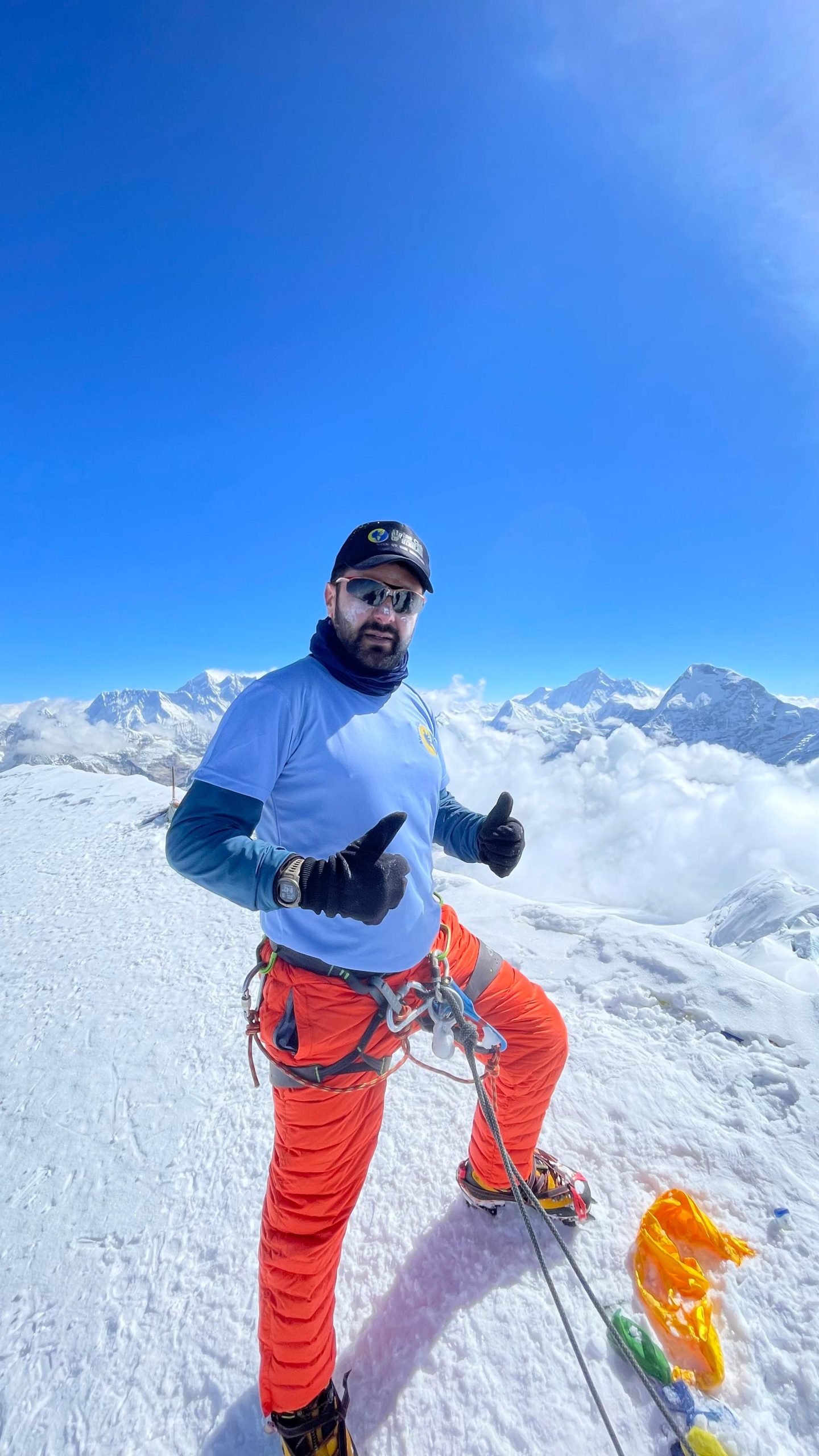
About the centre
Kathmandu
We are a Kathmandu-based team of licensed trekking and mountaineering guides who lead small groups through the Everest, Annapurna, Manaslu, and peak-climbing routes of Nepal. Every itinerary is built around steady acclimatization, reliable local logistics, and tea-house or lodge nights that keep you comfortable after long days on the trail.
From your arrival briefing in Thamel to the flight to Lukla or the roadhead for western circuits, we handle permits, domestic connections, porter support, and experienced lead guides who know these valleys season by season. Whether you are aiming for a classic base camp, a high pass, or a summit attempt, we focus on safety briefings, realistic pacing, and warm Sherpa hospitality so you can enjoy the journey as much as the destination.
Operated by Alpine Club of Himalaya, a partner of adventuro.


