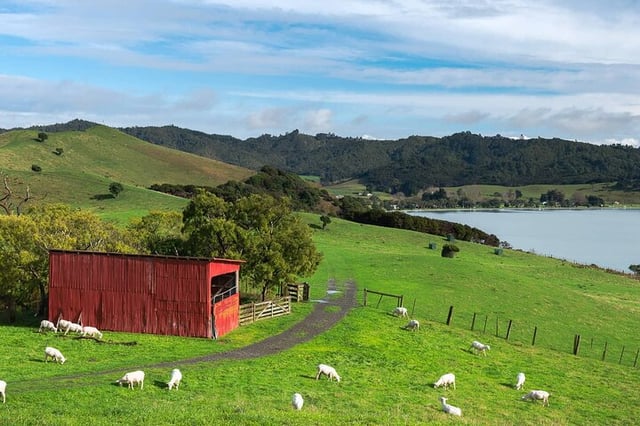
New Zealand lies in the South Pacific, about three hours' flying time from Australia's east coast. Māori know it as Aotearoa, the long white cloud, and the two main islands run cooler and wetter than most visitors expect. The North Island curls around Auckland's twin harbours, through sulphur-steam Rotorua and the three Tongariro volcanoes, down to Wellington on Cook Strait. The South Island rises into the Southern Alps, with rainforest on the West Coast, drowned valleys in the Marlborough Sounds, and lake towns at Queenstown and Wanaka where bungy and ski lifts share the skyline. Most international flights land at Auckland. Christchurch and Queenstown take many South Island connections.
On a map the ends look close, but narrow roads, mountain passes and the three-and-a-half-hour ferry between Wellington and Picton eat time. Summer from December to February brings long evenings and booked-out Great Walk huts. Winter from June to August opens Ruapehu and the Southern Lakes ski fields, with chains sometimes required on alpine roads. A rental car or camper van links the regions most people combine, and domestic flights help when you want to skip a full driving day.
North Island: Auckland to Wellington
Northland and Auckland is where most flights land. Dolphin days run from Paihia into the Bay of Islands, and the Poor Knights marine reserve off Tutukaka suits diving when the Tasman is flat. Piha and Muriwai on Auckland's west coast hold black sand and reef surf. Southbound, Waikato, Bay of Plenty and Taranaki strings Waitomo glowworm caves, Coromandel coastal tracks and Rotorua's redwood bike park in Bay of Plenty. East Coast and Manawatū pairs Hawke's Bay cellar-door cycling with the Tongariro Alpine Crossing shuttles from Manawatū-Whanganui and Tongariro. Wellington finishes the island with harbour kayaking, the Remutaka Track and ferries south.
Top of the South Island
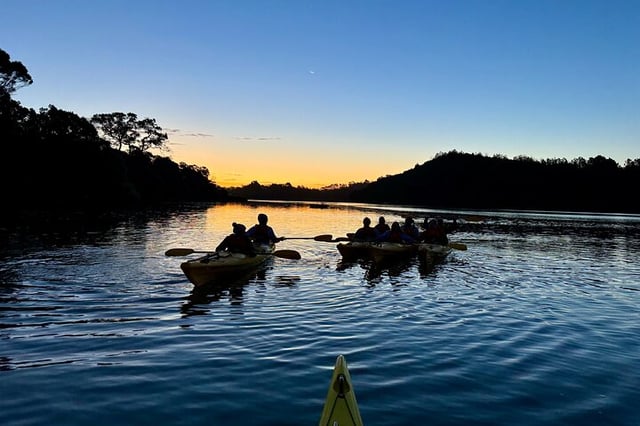
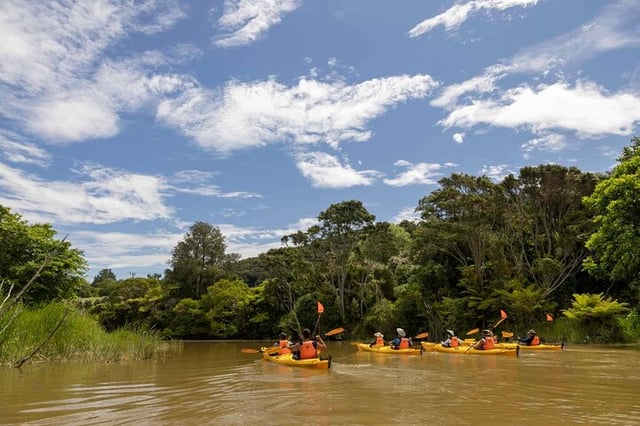
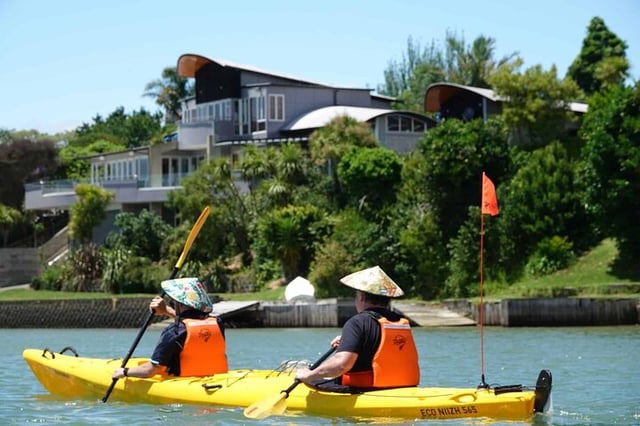
After the ferry into Picton, Nelson, Marlborough and Tasman is the classic first week. Granite headlands and orange-barked beech forest line Abel Tasman National Park, where sea kayaking from Marahau and Kaiteriteri reaches camps on sand that squeaks underfoot in Tasman (Abel Tasman and Golden Bay). Marlborough Sounds cut deep between bush ridges, with boat days and the Queen Charlotte Track for walkers and cyclists. Sunny Nelson supplies breweries, market Saturdays and the last gear shop before the park.
Glaciers, plains and Kaikōura
West Coast and Canterbury pairs rainforest glaciers with the Canterbury plains. Guided walks on Franz Josef and Fox glaciers start from townships on West Coast, and Arthur's Pass hiking sits in Canterbury. Kaikōura, on the north coast, runs whale-watching boats when the sea is calm. Christchurch rebuild has brought new hotels and a tram loop through the central city.
Queenstown, Fiordland and the far south
Otago centres on Queenstown, Wanaka and Dunedin, with bungy, jetboats, ski fields and lake paddling. Southland and remote islands covers Milford and Doubtful Sound cruises from Te Anau in Southland and Fiordland, plus Stewart Island kiwi walks. Chatham Islands need their own flight plan and suit birders who can spare a week.
Where to base yourself
For a first two-week loop, fly into Auckland, drive south through Rotorua and Tongariro, then take the ferry to Picton and cross Tasman Bay to Nelson. Add Queenstown for three or four nights before finishing in Christchurch. Skiers can flip the order and base in Wanaka or Queenstown in July or August. Abel Tasman trips work best with two nights near Kaiteriteri so a windy afternoon does not wipe out your paddle day.
Booking and getting started on adventuro
Guided Abel Tasman kayaking, Tongariro shuttles and Milford Sound cruises suit beginners with reasonable fitness. Glacier heli-hikes, Mt Taranaki summit days and alpine tramps suit improvers who read weather forecasts. Technical mountaineering and big surf breaks are for advanced travellers with the right kit. Use the Book here tab to see live dates and prices from local centres.