
Ready to find a course or session?
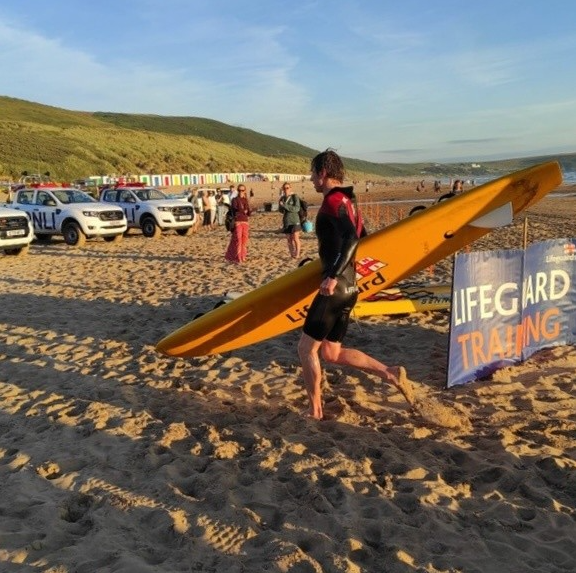
SLSGB Surf Lifeguard Award is the professional beach qualification many UK surf schools expect before they let you near a rostered tower or paid coaching shift. It is not a gentle first aid weekend. Five or six long days mix classroom theory with cold water rescues, timed swims and scenarios that feel messy until your hands know what to do.
You learn to read a surf beach before the public arrive: rips, sandbars, crowd behaviour and where incidents actually happen. Board and tube rescues, spinal management in the shore break and CPR drills repeat until assessors stop wincing. Fitness tests are real. The 400 metre swim prerequisite is the easy part compared to run-swim-run work in sand and surf.
Tower work is mostly prevention: moving the flags, chatting to swimmers and spotting the bodyboarder drifting into the rip. The award trains that habit as much as the dramatic rescue. By the final assessment day most candidates say the fitness block was the wake-up call they needed before their first busy August Saturday.
Many candidates arrive as confident surfers who have never towed a panicked swimmer through whitewater. By the final assessment day most say that gap was exactly why they needed the course. That is normal, not a failure.
Surf Lifeguard Award is assessed through continuous training and a final practical and theory examination by an SLSGB examiner.
Quick answers about this qualification. For anything else, use live chat or browse bookable activities below.
Find activitiesIt is a professional beach lifeguard qualification from Surf Life Saving Great Britain focused on surf environments. You train fitness, rescue technique and first aid for UK coastal beaches.
It is respected by surf schools, councils and clubs needing qualified tower cover.
Pass a 400 m swim under 8 minutes before training and expect harder run-swim-run tests during the course. Surf rescues demand shoulder and cardio fitness.
Train swimming and beach running for weeks before day one. Arriving cold on fitness tests wastes everyone's time.
No. Strong swimming and calm water confidence matter more. Surfing experience helps balance on rescue boards but is not required.
Non-surfers pass regularly if they respect the fitness demands.
Five to six days intensive is typical, sometimes split across two weeks. Assessment usually sits on the final day.
Evening recovery matters. Back-to-back rescue days accumulate fatigue faster than gym training.
Yes. Theory on beach safety, signals and lifesaving complements practical assessment.
Trainers cover exam topics during the week. The hard part is still the water scenarios.
Twenty-four months from certification. Requalification or refresher training is required before expiry for professional roles.
Book your requal early in the season. Lapsed cards block rostering at many beaches.
Sixteen on assessment date. Some employers set higher age limits for paid tower work.
Junior candidates should confirm roster rules with their intended beach operator.
Swimwear, wetsuit, fins if your centre specifies them, towel and food for long days. Notebook for theory sessions.
Centres usually provide rescue boards and tubes for training.
Yes. The award is recognised by many UK beach operators alongside club and seasonal roles.
Employment still depends on local recruitment, references and additional employer checks.
Both are SLSGB vocational lifeguard routes. NVBLQ is the broader MCA-recognised vocational standard many employers name explicitly.
Leave a comment when you book if your employer specified which qualification they need.
adventuro lists SLSGB Surf Lifeguard Award courses at coastal training centres. Compare swim test timing, wetsuit hire and whether first aid refreshers are bundled.
Training on your local beach builds familiarity with real rips early. Intensive courses elsewhere still meet national standards if the centre is accredited.
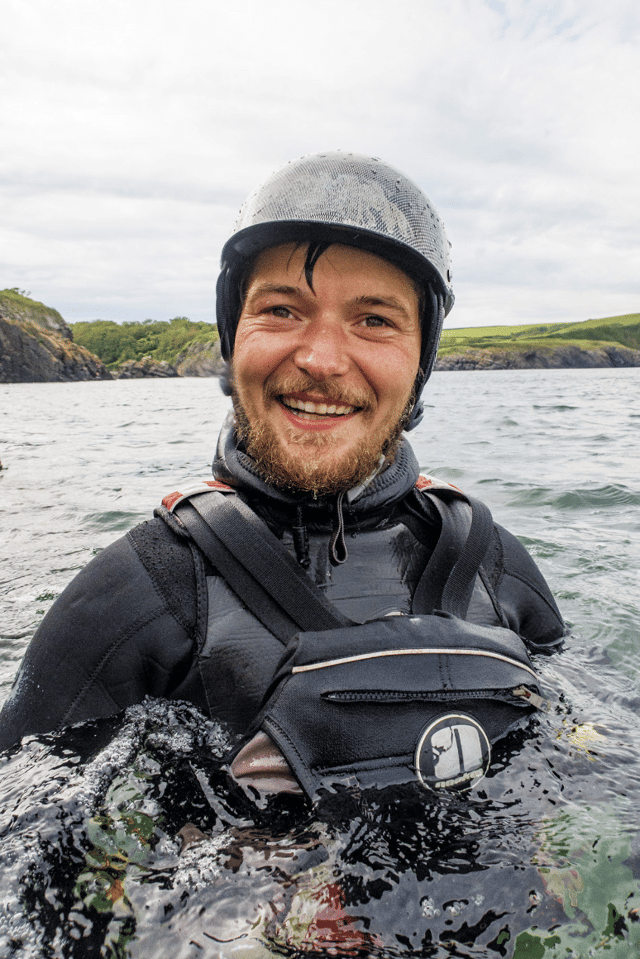
Embark on a fulfilling career with our 8-week Outdoor Instructor Course in Pembrokeshire, including training, accommodation & personal equipment package. Kick-start your dream career!
From £ 4200
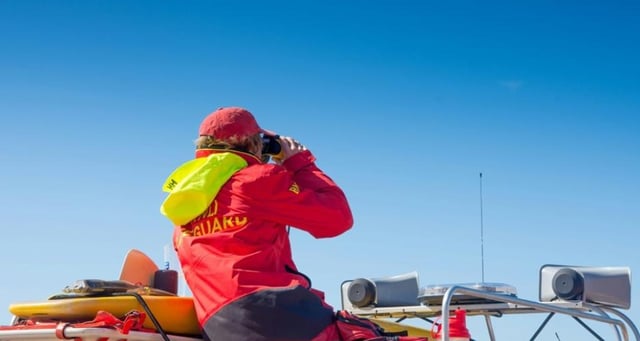
Gain your SLSGB Beach Lifeguard Qualification in Pembrokeshire from £245. A 5-day accredited course covering rescue skills, first aid, CPR and beach safety.
From £ 245
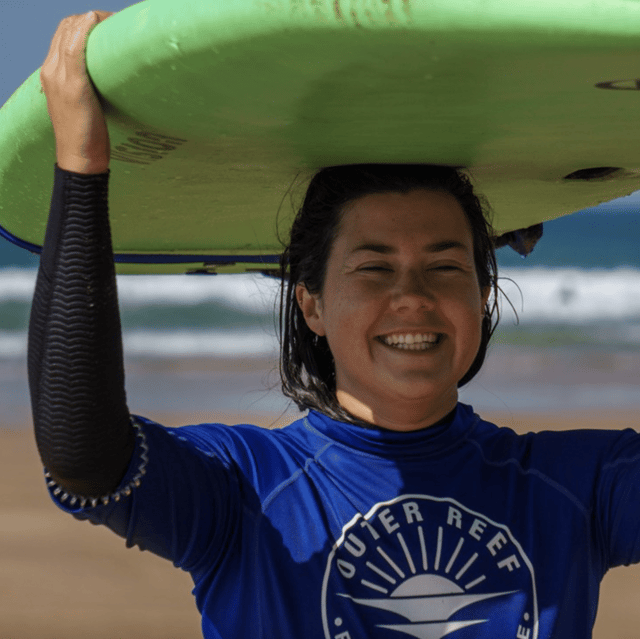
Gain ISA surf & SUP instructor skills in Pembrokeshire: 3 weeks, world-class training, stunning locations, expert coaches, and real-world experience.
From £ 2000