
Ready to find a course or session?
SLSGB National Vocational Beach Lifeguard Qualification (NVBLQ) is the MCA-recognised standard for professional beach lifeguarding in the UK. Employers from council beaches to private surf schools name it on job adverts for a reason: it proves you can swim fast enough, rescue in real surf and keep CPR skills under pressure when tourists pack the sand.
Forty to fifty hours over five or six days is gruelling. Classroom blocks on communications and casualty care sit between timed pool swims, board rescues and run-swim-run drills that humble confident surfers. An independent SLSGB assessor watches the final day without friendship bias. Pass or defer, no vague participation certificates.
You rehearse patrol routines as well as drama: radio checks, zone scanning and the decision to launch before a rip becomes a headline. Vocational lifeguarding is repetitive skill under boredom and sudden adrenaline in the same shift. NVBLQ trains both modes.
You are not training to be a coastguard helicopter crew. You are learning to be the person on the tower who spots trouble early and reaches casualties before panic spreads. That is the point of vocational lifeguard training.
NVBLQ is assessed by an independent SLSGB assessor through practical rescue work, fitness tests and theory examination.
Quick answers about this qualification. For anything else, use live chat or browse bookable activities below.
Find activitiesNational Vocational Beach Lifeguard Qualification is SLSGB's MCA-recognised professional beach lifeguard standard for the UK. It combines fitness, rescue skills and first aid for open coastal beaches.
Job adverts often name NVBLQ explicitly rather than generic lifesaving awards.
400 metres in under 7 minutes 30 seconds in a pool, usually before the course starts. That is tighter than some other awards.
Train now if you are near the limit. Assessors do not waive fitness standards for enthusiasm.
Forty to fifty hours over five or six days is standard. Weekend-split formats exist but total contact time matches the syllabus.
Expect full days and sore shoulders by midweek. That is normal.
Yes. Theory examination complements practical rescue and fitness assessment by the independent assessor.
Classroom time during the week prepares you. Most failures are fitness or rescue execution, not theory alone.
No formal prior certificate is required. Strong swimming and pre-course fitness matter enormously.
Level 1 Emergency First Aider background helps but does not replace NVBLQ.
Both are SLSGB professional routes. NVBLQ is the broader vocational qualification many employers specify for MCA-recognised beach work.
Leave a comment when you book naming your employer's required award if unsure which to take.
Sixteen minimum. Paid employment may require you to be older depending on operator policy.
Assessment standards are identical regardless of age.
Assessors may defer specific elements with a re-test plan. Fitness and rescue skills are retested, not the entire career.
Most deferred candidates pass after targeted training within the centre's window.
Twenty-four months. Requalification before expiry keeps you employable for seasonal rostering.
Book requal courses early. Popular beaches fill summer slots months ahead.
Wetsuit, swimwear, towel, food and hydration for long beach days. Fins if listed by your centre.
Running shoes for beach fitness work. Sand destroys fashion trainers by day three.
adventuro lists SLSGB NVBLQ courses at UK coastal centres. Compare swim test deadlines, assessor dates and accommodation near the beach.
Leave a comment when you book with your current swim time so centres can advise on readiness.
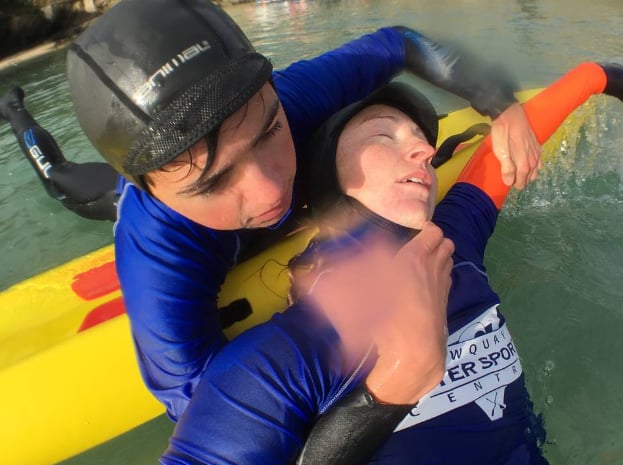
Train for the internationally recognised SLSGB NVBLQ Beach Lifeguard qualification in Newquay with intensive 5-day rescue training from £380pp.
From £ 380
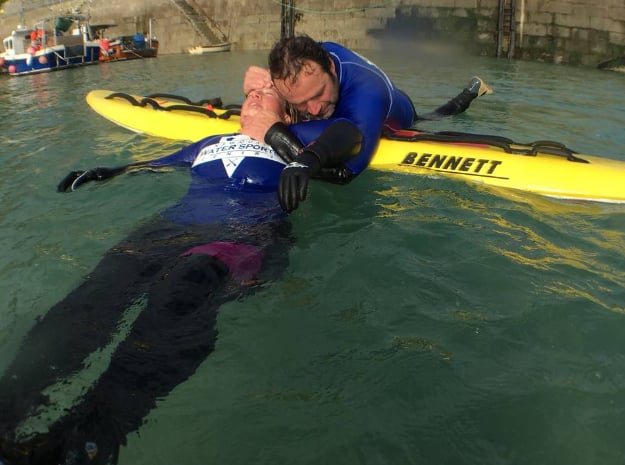
Refresh and renew your SLSGB NVBLQ Beach or Surf Lifeguard qualification in Newquay with this 3-day requalification course from £200pp.
From £ 200
Complete your SLSGB NVBLQ Beach or Surf Lifeguard proficiency assessment in Newquay with this 1-day renewal exam from £100pp.
From £ 100
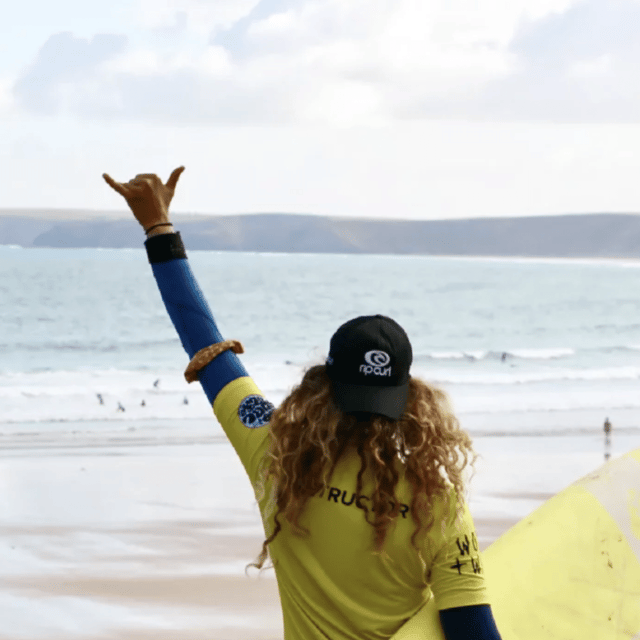
Join our outdoor instructor course to master surfing, lifeguarding & more. 6 month's of training in just 3-weeks! Transform passion into a career with expert training & adventures.
From £ 2499