
Bereit, einen Kurs oder eine Session zu finden?
Der ISA and ILS Surf Coach Safety and Rescue Award ist die Sicherheitsqualifikation, die Surfschulen erwarten, bevor du Unterricht in echtem Wellengang beaufsichtigst. Du wirst nicht zum hauptberuflichen Turm-Rettungsschwimmer ausgebildet. Du lernst, Schüler auf Softboards zu retten, panische Schwimmer in der Brandung zu betreuen und eine Gruppe sicher zu halten, wenn sich die Sandbank während der Einheit verschiebt.
Zwei oder drei intensive Tage verbinden die Planung von Risiken im Klassenraum mit zeitlich begrenzten Schwimmeinheiten und Board-Rettungen in brechenden Wellen. CPR und das Bewusstsein für Wirbelsäulenverletzungen werden so oft wiederholt, bis dein Ausbilder bei der Drucktiefe nicht mehr zusammenzuckt. Eine Theorieprüfung stellt fest, ob du Strömungsverhalten und Notfallpläne verstanden hast und nicht nur die Schwimmstrecke irgendwie bewältigst.
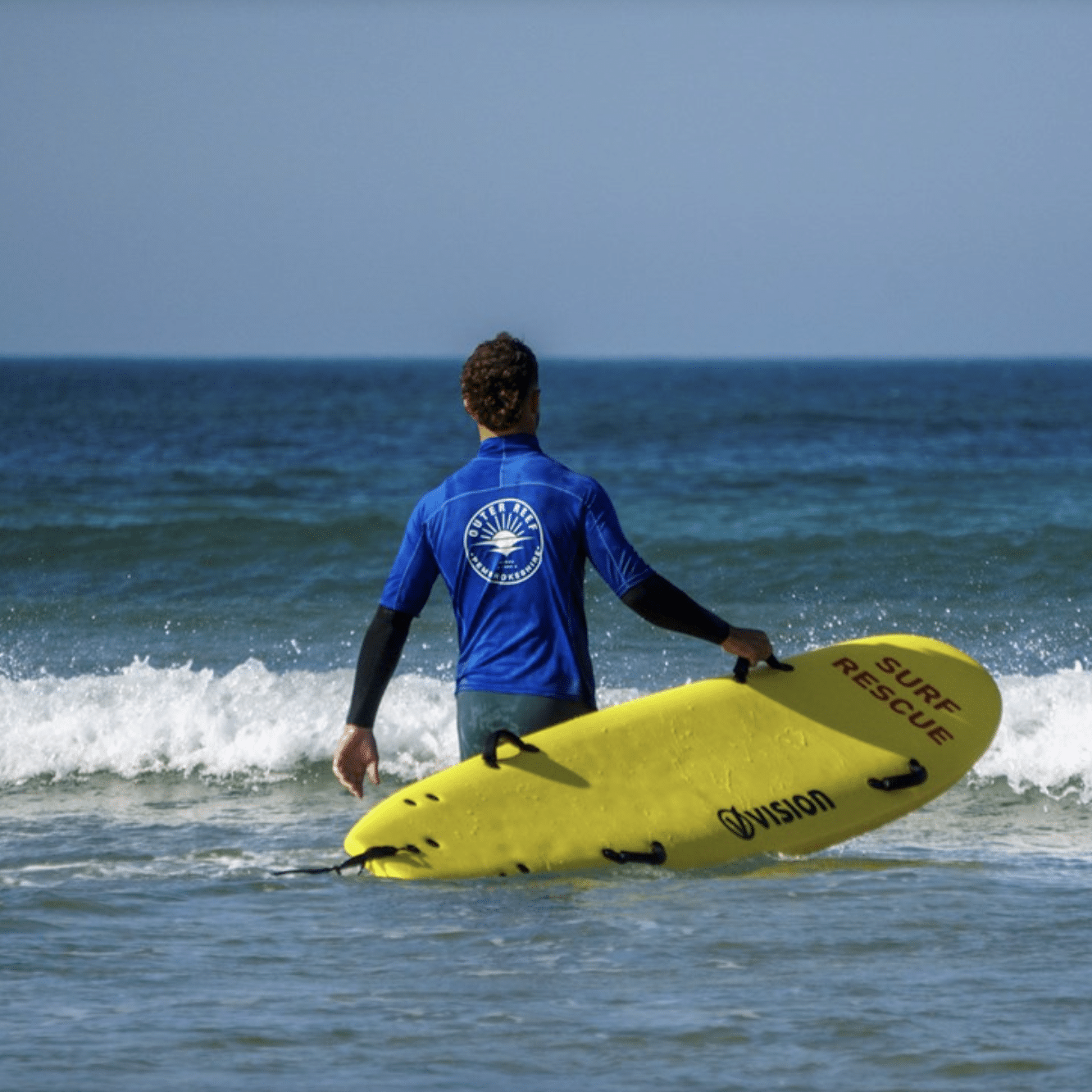
Rettungsboards, Flossen und Softtop-Ziehtechniken kommen in den Szenarien vor, weil dies die Hilfsmittel an einem Unterrichtsstrand sind. Du übst sowohl die langweiligen Routinen zum Durchzählen als auch das dramatische Abschleppen. Beides hält Schüler am Leben.
Viele Teilnehmer absolvieren diesen Kurs gemeinsam mit oder vor dem ISA Level 1 Surf Instructor. Versicherung und betriebliche Freigaben hängen oft davon ab, selbst wenn bereits Trainerzertifikate an der Wand hängen. Das Zertifikat ist vierundzwanzig Monate gültig. Buche die Auffrischung vor der Hochsaison und nicht erst nach dem ersten geschäftigen Samstag. Das ist normal und kein Zeichen schlechter Planung.
Der Surf Coach Safety and Rescue Award wird anhand von Wasserszenarien, Fitnesselementen, einer CPR-Demonstration und einer Theorieprüfung auf Kompetenz geprüft.
Schnelle Antworten zu dieser Qualifikation. Für alles Weitere nutze den Live-Chat oder durchsuche unten die buchbaren Aktivitäten.
Aktivitäten findenEs handelt sich um eine gemeinsame ISA- und ILS-Qualifikation für Surfcoaches, die während des Unterrichts die Sicherheit in der Brandungszone gewährleisten und Rettungen durchführen. Sie umfasst Risikobewertung, Rettungen mit dem Board, CPR und die Planung von Maßnahmen bei Vorfällen.
Sie ergänzt Trainerzertifikate und ist allein keine vollständige Berufszulassung als Rettungsschwimmer.
Surflehrer und Camp-Mitarbeiter an ISA-akkreditierten Schulen benötigen sie oft vor der betrieblichen Freigabe. Auch fortgeschrittene Freizeitsurfer, die Assistenzaufgaben übernehmen, absolvieren sie.
Coaches im Vereinigten Königreich besitzen je nach Arbeitgeberrichtlinie möglicherweise zusätzlich SLSGB-Rettungsschwimmerqualifikationen.
Zwei bis drei intensive Tage sind üblich. Einige Zentren verbinden Online-Theorie mit praktischen Einheiten am Strand.
Körperlich anspruchsvolle Tage in der Brandung. Erholsamer Schlaf unterstützt die Rettungen am zweiten Tag.
Elemente mit zeitlich begrenztem Schwimmen, Szenarien für Board-Rettungen, CPR-Demonstration und eine Theorieprüfung zu Sicherheits- und Rettungswissen.
Prüfer bewerten ruhige Ausführung unter Druck und nicht nur heldenhafte Geschwindigkeit.
Nein. Der Kurs ist auf Coaches zugeschnitten, die Unterrichtseinheiten beaufsichtigen. Für die Arbeit als hauptberuflicher Turm-Rettungsschwimmer kann NVBLQ oder Surf Lifeguard Award erforderlich sein.
Hinterlasse bei der Buchung einen Kommentar, wenn dein Arbeitgeber eine bestimmte Rettungsschwimmerqualifikation verlangt.
Sicheres Schwimmen im Meer über mindestens 200 m ohne Unterbrechung; die Kurse umfassen oft anspruchsvollere zeitlich begrenzte Elemente in der Brandung.
Poolfitness allein reicht nicht aus. Übe vor der Anmeldung im Meer.
Die Zertifizierung ist typischerweise für twenty-four Monate gültig. Eine Auffrischung oder erneute Prüfung hält CPR- und Rettungskenntnisse aktuell.
Schulen setzen dich möglicherweise nicht mehr für Einsätze ein, wenn deine Karte mitten in der Saison abläuft.
Viele Zentren bündeln Safety and Rescue mit ISA Level 1 Surf Instructor auf einer Reise.
Prüfe die Eintragsdetails oder hinterlasse bei der Buchung einen Kommentar, um kombinierte Termine zu erfragen.
Neoprenanzug, Flossen, falls von deinem Zentrum verlangt, Handtuch und Verpflegung für lange Tage am Strand.
Rettungsboards werden normalerweise bereitgestellt. Persönliche Surfausrüstung für Vertrautheit hilft bei optionalen freien Aufwärmrunden.
Trainer ermöglichen oft Wiederholungen unter Anleitung im selben Kurs oder ein kurzes Zeitfenster für eine Nachprüfung.
Rettungsangst ist bei den ersten Versuchen ganz normal. Zusätzliches Üben ist besser, als darauf zu hoffen, dass der Standard gesenkt wird.
adventuro listet ISA-Surf-Coach-Safety-and-Rescue-Kurse an Surfschulen im Vereinigten Königreich und im Ausland. Vergleiche Paketoptionen mit Trainerausbildung und Terminen für die Prüfer.
Training in echter Brandung ist für den Coaching-Kontext besser geeignet als reine Pool-Rettungskurse. Beide vermitteln nützliche Fähigkeiten, wenn das Zentrum nach ISA-Standards arbeitet.
Keine Aktivitäten entsprechen deinen Filtern
Passe deine Filter an oder